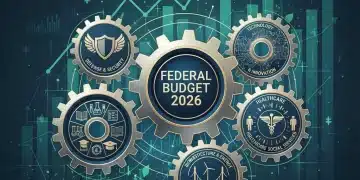
Unveiling the 2025 Federal Budget: Key Allocations & Impact

The 2025 Federal Budget outlines critical spending priorities across defense, healthcare, education, and infrastructure, significantly shaping the nation’s economic landscape and social welfare for the upcoming fiscal year.
As the nation looks ahead, understanding the intricacies of the proposed 2025 Federal Budget becomes paramount for every citizen and business. This comprehensive financial blueprint not only dictates government spending but also casts a long shadow over the economic outlook, social programs, and strategic priorities that will define the United States for the next 12 months and beyond.
Understanding the Federal Budget Process
The federal budget process in the United States is a complex, multi-stage endeavor that involves numerous governmental bodies and stakeholders. It begins long before the fiscal year starts, typically with the President submitting a budget request to Congress. This request outlines the administration’s policy priorities and proposed spending levels for various federal agencies and programs.
Following the President’s submission, Congress takes on the monumental task of reviewing, amending, and ultimately approving the budget. This involves both the House of Representatives and the Senate, with various committees holding hearings, marking up bills, and negotiating compromises. The process often culminates in appropriations bills, which provide the legal authority for federal agencies to incur obligations and make payments from the U.S. Treasury.
Key Stages in Budget Formulation
- Executive Branch Formulation: Agencies prepare requests, which are then reviewed and consolidated by the Office of Management and Budget (OMB) before being presented to the President.
- Presidential Submission: The President sends a detailed budget request to Congress, usually in early February, outlining fiscal policy, spending, and revenue proposals.
- Congressional Review and Action: Congress reviews the President’s budget, adopts a budget resolution, and then passes individual appropriations bills.
- Implementation: Once signed into law, federal agencies implement the budget, managing funds according to approved allocations.
The budget serves as a critical policy document, reflecting the nation’s priorities and economic strategies. Its passage is often a contentious process, highlighting the diverse perspectives and competing interests within the government and the public.
Major Allocations in Defense and National Security
A significant portion of the 2025 Federal Budget is traditionally dedicated to defense and national security, reflecting the United States’ role on the global stage and its commitment to protecting national interests. These allocations encompass funding for military readiness, modernization of defense systems, cybersecurity initiatives, and support for service members and their families.
The proposed budget is expected to prioritize investments in advanced technologies, such as artificial intelligence, hypersonic weapons, and resilient space capabilities, to maintain a technological edge over potential adversaries. Furthermore, there will likely be continued emphasis on strengthening alliances and partnerships, contributing to global stability and collective security efforts.
Modernization and Readiness Initiatives
- Technological Superiority: Increased funding for research and development in emerging defense technologies.
- Personnel Support: Enhancements to pay, benefits, and healthcare for active-duty military personnel, veterans, and their families.
- Infrastructure Upgrades: Investments in military bases, facilities, and supply chains to improve operational efficiency and resilience.
Cybersecurity remains a critical concern, with substantial funding earmarked for protecting federal networks, critical infrastructure, and national security data from increasingly sophisticated threats. These investments are crucial for safeguarding the nation’s digital assets and ensuring its continued economic and strategic advantage.
Healthcare and Social Programs: Funding Priorities
The 2025 Federal Budget also allocates substantial resources to healthcare and various social programs, aiming to improve public well-being and provide essential services to vulnerable populations. These allocations often reflect ongoing debates about access to healthcare, the cost of prescription drugs, and the sustainability of social safety nets.
Key areas of focus are anticipated to include strengthening Medicare and Medicaid, expanding access to affordable healthcare, and addressing public health challenges such as mental health crises and substance abuse. Funding for research into new treatments and disease prevention is also a recurring priority, underscoring the government’s commitment to advancing medical science.
Enhancing Public Health and Welfare
- Affordable Care Act (ACA) Support: Continued efforts to expand coverage and reduce healthcare costs for millions of Americans.
- Mental Health Services: Increased funding for mental health programs, including crisis intervention and access to treatment.
- Elderly and Disabled Support: Resources dedicated to programs assisting seniors and individuals with disabilities, ensuring their quality of life.
Beyond direct healthcare, social programs such such as housing assistance, food security initiatives, and educational support for low-income families are vital components of the budget. These programs play a crucial role in reducing poverty and fostering opportunities for economic mobility across the nation.
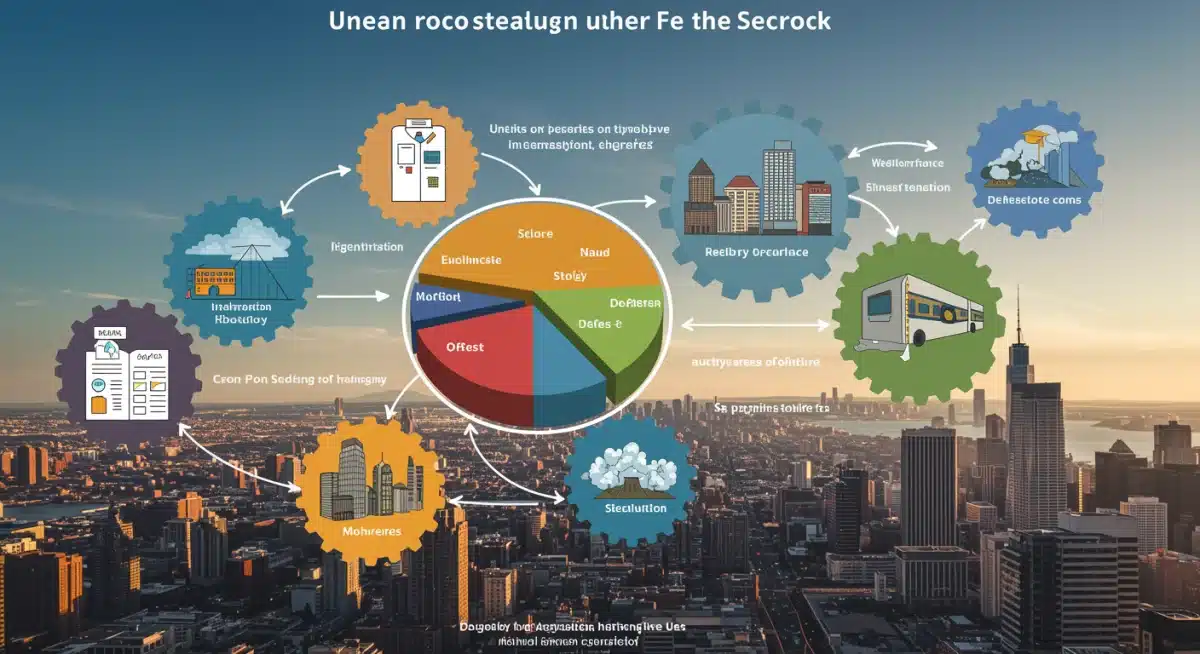
Education and Research: Investing in Future Growth
Investments in education and scientific research are fundamental pillars of the 2025 Federal Budget, recognized as crucial drivers of long-term economic growth and national competitiveness. These allocations support a wide range of initiatives, from early childhood education to advanced scientific endeavors.
The budget is expected to focus on improving educational outcomes, particularly in underserved communities, by increasing funding for K-12 schools, expanding access to higher education, and supporting vocational training programs. Emphasis will also be placed on science, technology, engineering, and mathematics (STEM) education to cultivate a skilled workforce for future industries.
Strategic Educational and Research Investments
- Student Aid: Continued funding for Pell Grants and other financial aid programs to make college more affordable.
- STEM Initiatives: Programs designed to encourage student engagement and achievement in critical STEM fields.
- Basic Research: Increased support for federal agencies like the National Science Foundation (NSF) and the National Institutes of Health (NIH) to fund groundbreaking scientific research.
Beyond traditional education, significant investments in research and development are anticipated to fuel innovation across various sectors, including clean energy, biotechnology, and space exploration. These efforts aim to address global challenges, create new industries, and enhance the United States’ position as a leader in scientific discovery.
Infrastructure and Climate Initiatives
The 2025 Federal Budget is also poised to make substantial commitments to infrastructure development and climate change initiatives, recognizing the critical link between robust infrastructure, environmental sustainability, and economic prosperity. These investments are designed to modernize aging systems, build resilience against climate impacts, and promote a cleaner energy future.
Funding will likely be directed towards repairing and upgrading roads, bridges, public transit, and water systems, which are essential for commerce and daily life. Simultaneously, there will be a strong focus on accelerating the transition to renewable energy sources, investing in energy efficiency, and developing climate-resilient infrastructure.
Building a Sustainable Future
- Modernizing Transportation: Allocations for improving highways, railways, and public transportation networks to enhance efficiency and safety.
- Clean Energy Transition: Investments in solar, wind, and other renewable energy technologies, alongside grid modernization efforts.
- Climate Resilience: Funding for projects that protect communities from extreme weather events, such as flood control and wildfire prevention.
These infrastructure and climate investments are not only about physical improvements but also about creating jobs, stimulating economic activity, and ensuring that the United States remains competitive in the global green economy. They represent a forward-looking approach to addressing both immediate needs and long-term challenges.
Economic Projections and Fiscal Responsibility
The 2025 Federal Budget is developed with an eye towards economic projections and the overarching goal of fiscal responsibility. The budget’s impact on inflation, economic growth, and the national debt are carefully considered, guiding decisions on spending and revenue generation. Policymakers aim to strike a balance between investing in national priorities and maintaining a sustainable fiscal path.
Revenue forecasts, derived from economic models and tax policy assumptions, play a crucial role in determining the available funds for government programs. The budget will detail proposed tax reforms or adjustments, which could influence individual taxpayers, businesses, and overall economic activity. Debates around tax cuts versus increased spending will undoubtedly shape the final budget.
Navigating Economic Challenges
- Inflation Control: Budgetary decisions will consider their potential impact on inflation rates, aiming for stability.
- Debt Management: Strategies to manage the national debt and ensure long-term fiscal health will be outlined.
- Economic Stimulus: Targeted spending designed to stimulate economic growth and job creation in key sectors.
Ultimately, the 2025 Federal Budget represents a comprehensive strategy to manage the nation’s finances, address pressing societal needs, and foster a robust and resilient economy. Its success will depend on careful execution and adaptation to evolving economic conditions over the next 12 months.
| Key Allocation Area | Projected Impact |
|---|---|
| Defense & National Security | Strengthened military, advanced cyber defenses, global strategic positioning. |
| Healthcare & Social Programs | Expanded healthcare access, improved public health initiatives, stronger social safety nets. |
| Education & Research | Enhanced educational opportunities, boosted innovation, future workforce development. |
| Infrastructure & Climate | Modernized infrastructure, accelerated clean energy transition, climate resilience. |
Frequently Asked Questions About the 2025 Federal Budget
The primary goal is to allocate federal funds to support national priorities such as defense, healthcare, education, and infrastructure, aiming to foster economic growth, social well-being, and national security while managing fiscal challenges effectively.
The budget impacts citizens through various channels, including tax policies, funding for social security and Medicare, investments in public services like roads and schools, and economic stability measures that affect employment and inflation.
Major challenges include balancing competing priorities among different political parties and interest groups, managing the national debt, responding to unforeseen economic events, and ensuring sufficient revenue to cover proposed expenditures.
Yes, the 2025 Federal Budget is expected to include significant allocations for climate change initiatives, focusing on renewable energy investments, climate-resilient infrastructure, and research into sustainable technologies to mitigate environmental impact.
You can stay informed by following official government publications from the OMB and Congressional Budget Office (CBO), reputable news outlets, and analyses from non-partisan organizations specializing in fiscal policy.
Conclusion
The 2025 Federal Budget is more than just a financial document; it is a strategic declaration of the nation’s priorities and a roadmap for its future. From bolstering national security and enhancing public health to investing in education, research, and critical infrastructure, the budget’s allocations will profoundly influence the lives of Americans and the country’s standing on the world stage. Understanding these key allocations and their projected impacts is essential for informed civic engagement and for comprehending the trajectory of the United States in the coming year.