Recycle Old Devices: 2026 Responsible Tech Disposal Guide
Recycle Old Devices: A 2026 Guide to Responsible Tech Disposal
In an era defined by rapid technological advancement, the lifecycle of our electronic gadgets is shorter than ever. From smartphones to smart home devices, we’re constantly upgrading, leaving behind a trail of what is increasingly known as e-waste. But what happens to these discarded devices? More importantly, what should happen to them? As we navigate 2026, the imperative to recycle old devices responsibly has never been more critical. This comprehensive guide will walk you through the why, how, and where of sustainable tech disposal, ensuring your old gadgets don’t become environmental burdens.
The sheer volume of electronic waste generated globally is staggering. The United Nations estimates that the world produced 53.6 million metric tons of e-waste in 2019, and this figure is projected to reach 74 million metric tons by 2030. This isn’t just a number; it represents a significant environmental and health challenge. Electronic devices contain a complex mix of valuable materials like gold, silver, copper, and platinum, alongside hazardous substances such as lead, mercury, and cadmium. Improper disposal leads to the leaching of these toxic chemicals into our soil and water, posing serious threats to ecosystems and human health. This is why learning to recycle old devices properly is not just a suggestion but a necessity for a healthier planet.
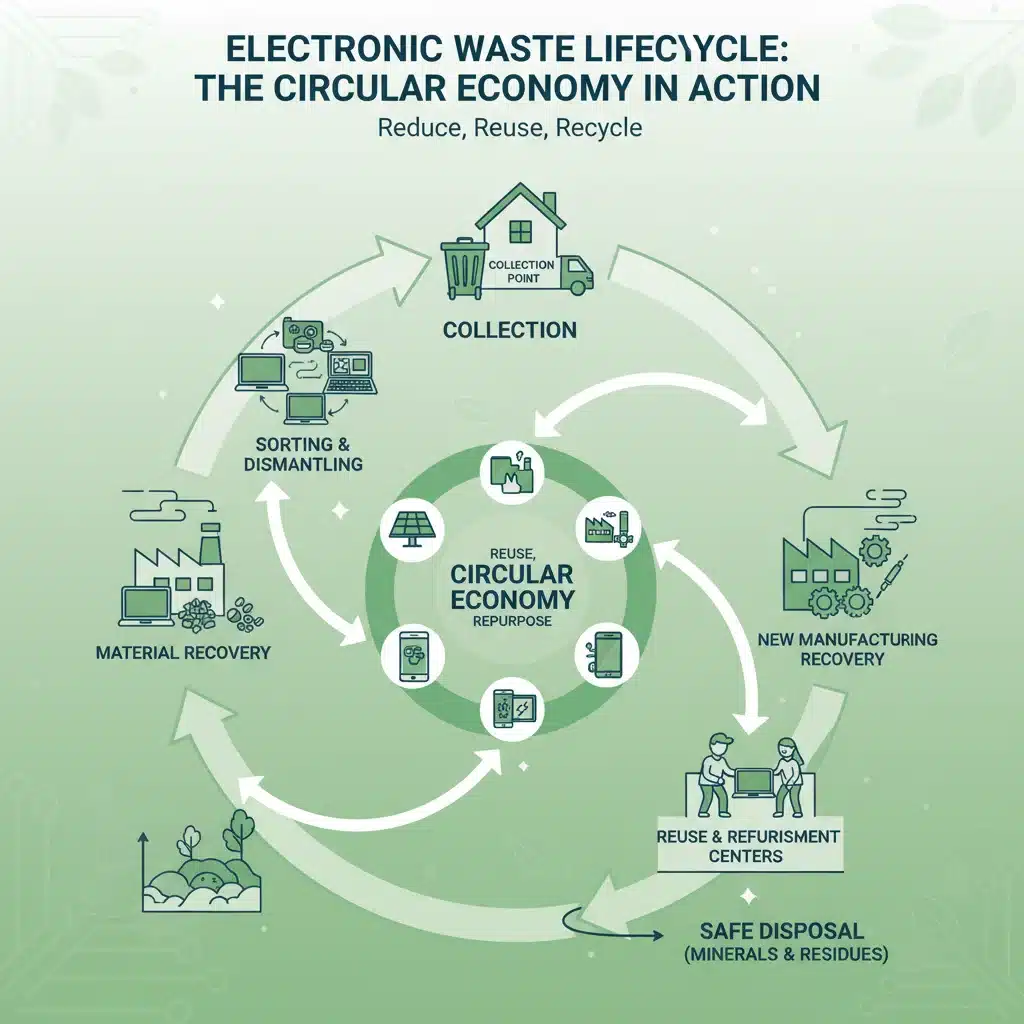
Beyond the environmental concerns, there’s an economic incentive to recycle old devices. The materials embedded in our electronics are finite resources. Recycling allows for the recovery of these precious metals and rare earth elements, reducing the need for new mining operations, which are often environmentally destructive and energy-intensive. By embracing responsible recycling practices, we contribute to a circular economy, where resources are kept in use for as long as possible, extracting the maximum value from them whilst in use, then recovering and regenerating products and materials at the end of each service life.
The Environmental Imperative to Recycle Old Devices
The environmental impact of e-waste is multifaceted and severe. When electronic devices end up in landfills, their toxic components can seep into the ground, contaminating soil and groundwater. This pollution can affect agricultural land, contaminate drinking water sources, and harm wildlife. For example, lead, commonly found in old CRT monitors and circuit boards, is a neurotoxin that can impair cognitive development in children. Mercury, found in fluorescent lamps and some older batteries, can cause kidney and neurological damage. Cadmium, present in some rechargeable batteries and older screens, is a known carcinogen.
Furthermore, the manufacturing of new electronic devices is incredibly resource-intensive. It requires vast amounts of energy, water, and raw materials. By choosing to recycle old devices, we reduce the demand for these new resources, thereby decreasing the environmental footprint associated with extracting and processing them. This includes a significant reduction in greenhouse gas emissions, as recycling often uses less energy than producing new materials from virgin resources.
Consider the energy savings: recycling one million laptops can save the energy equivalent to the electricity used by 3,657 U.S. homes in a year. This illustrates the profound impact individual and collective efforts to recycle old devices can have. It’s not just about preventing harm; it’s about actively contributing to a more sustainable and less resource-dependent future.
The challenge extends beyond simply collecting devices. Proper recycling involves complex processes to safely dismantle, separate, and recover materials. This is why choosing certified and reputable recycling facilities is crucial. These facilities adhere to strict environmental standards, ensuring that hazardous materials are handled safely and valuable components are recovered efficiently. Without such specialized facilities, even well-intentioned recycling efforts can fall short of their environmental goals.
Moreover, the global nature of e-waste means that discarded electronics often cross international borders, sometimes ending up in developing countries where informal recycling practices pose significant health risks to workers and local communities. These practices often involve burning or acid baths to extract precious metals, releasing toxic fumes and contaminants into the environment. By supporting responsible recycling programs in your own region, you help to mitigate these global injustices and ensure that your efforts to recycle old devices contribute to ethical and sustainable solutions worldwide.
Data Security: A Critical Step Before You Recycle Old Devices
Before you even think about where to recycle old devices, data security must be your paramount concern. Our electronic gadgets are repositories of highly personal and sensitive information: banking details, passwords, photos, emails, and much more. Simply deleting files or performing a factory reset is often not enough to permanently erase this data, making it potentially recoverable by malicious actors.
The consequences of a data breach can be severe, ranging from identity theft and financial fraud to personal privacy violations. Therefore, a thorough data wiping process is non-negotiable. For smartphones and tablets, this typically involves a factory reset combined with encryption, if available. Many devices now offer an option to encrypt your data before performing a factory reset, making it much harder to recover any residual information.
Steps for Secure Data Wiping:
- Backup Your Data: First and foremost, transfer all important files, photos, and documents to a new device, a cloud storage service, or an external hard drive. Do not skip this step!
- Sign Out of All Accounts: Log out of all your accounts, including email, social media, banking apps, and cloud services. Remove the device from any linked accounts (e.g., Apple ID, Google Account).
- Perform a Factory Reset: This is a crucial step. For most smartphones and tablets, go to Settings > System > Reset options > Erase all data (factory reset). For computers, the process varies by operating system. Windows offers a ‘Reset this PC’ option, and macOS has an ‘Erase All Content and Settings’ feature.
- Encrypt Your Device (if applicable): Before a factory reset, encrypting your device adds an extra layer of security. This scrambles your data, making it unreadable even if someone manages to recover it. After encryption, perform the factory reset.
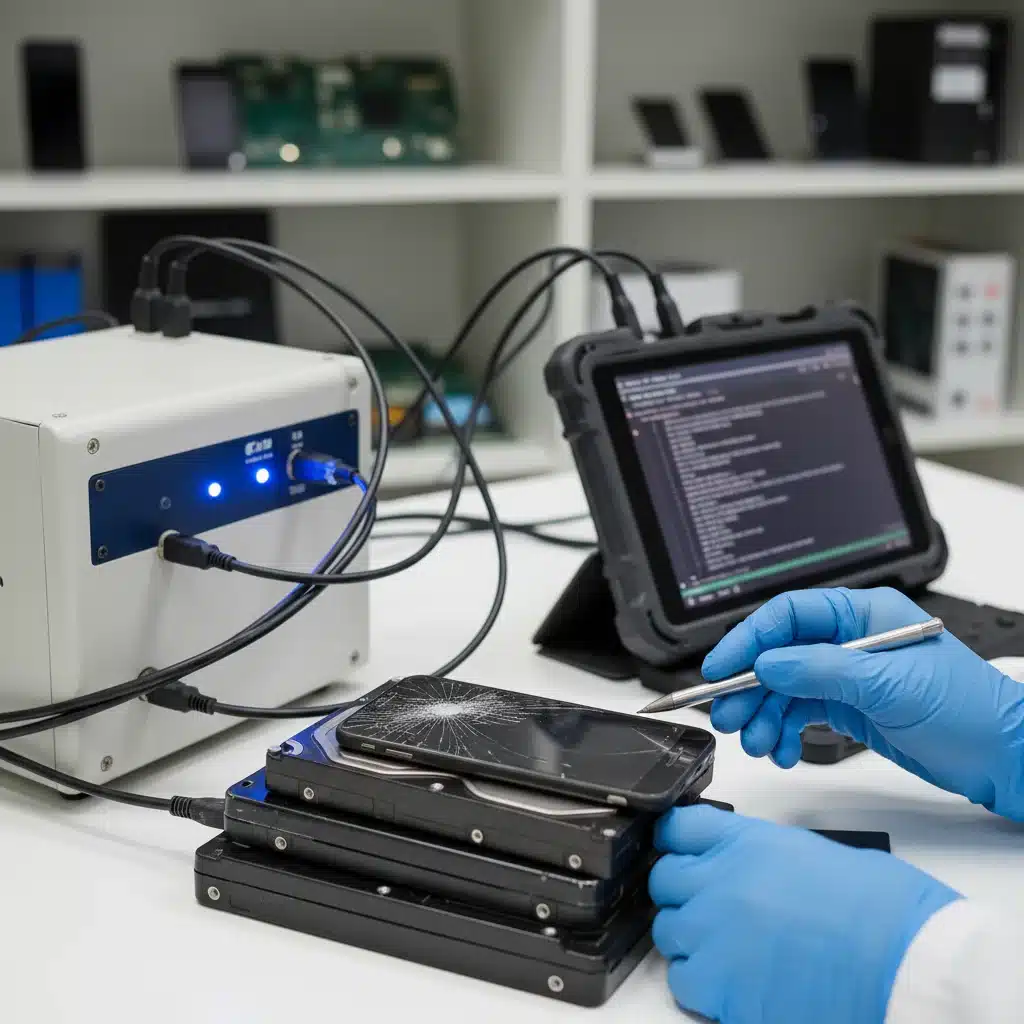
- Physical Destruction (for hard drives): For old hard drives in computers, especially those containing highly sensitive business or personal data, consider professional data destruction services. These services often use degaussing (demagnetizing) or physical shredding to render the data irrecoverable. While this makes the drive unusable, it guarantees data security.
- SIM Cards and Memory Cards: Don’t forget to remove your SIM card and any external memory cards (like microSD cards) from phones and cameras. These can also contain personal information. Destroy or securely erase them separately if you don’t plan to reuse them.
Many reputable e-waste recyclers offer certified data destruction services. If you’re unsure about performing a secure wipe yourself, look for recyclers who provide proof of data destruction. This added peace of mind is invaluable when you recycle old devices.
The ever-evolving landscape of cyber threats means that data security measures must also evolve. Staying informed about the latest recommendations from cybersecurity experts and device manufacturers is essential. As of 2026, many operating systems have integrated more robust data wiping tools directly into their settings, simplifying the process for users. However, the principle remains the same: assume that any data not actively erased can potentially be recovered. Prioritizing data security ensures that your responsible efforts to recycle old devices do not inadvertently lead to personal risk.
Where to Recycle Old Devices in 2026
Once your data is securely wiped, the next step is finding a reliable place to recycle old devices. The options have expanded significantly over the years, making it easier than ever to dispose of your electronics responsibly.
Manufacturer Take-Back Programs:
Many major electronics manufacturers, such as Apple, Samsung, Dell, HP, and Google, offer free recycling programs for their products, regardless of where they were purchased. These programs are often accessible through their websites, where you can find drop-off locations or even print shipping labels for mail-in recycling. These companies are increasingly committed to circular economy principles and recognize the importance of recovering materials from their own products.
Retailer Drop-Off Points:
Large electronics retailers like Best Buy, Staples, and others often have in-store drop-off points for a wide range of electronic devices, from small gadgets to larger appliances. Some may charge a small fee for certain items, but many offer free recycling, especially for smaller electronics. It’s always a good idea to check their website or call ahead to confirm accepted items and any associated costs.
Local Government and Community Recycling Programs:
Your local municipality or county likely has specific programs for e-waste. These can include designated drop-off centers, special collection events, or curbside pick-up services on certain days. Check your local government’s waste management website or contact their recycling department for detailed information. These programs are designed to make it convenient for residents to recycle old devices within their communities.
Certified E-Waste Recyclers:
For businesses or individuals with large quantities of e-waste, or those who want guaranteed data destruction, certified e-waste recyclers are the best option. Look for certifications like R2 (Responsible Recycling) or e-Stewards. These certifications ensure that recyclers adhere to strict environmental, health, and safety standards, and do not export hazardous waste to developing countries. Websites like EPA’s electronics recycling page or e-Stewards can help you find certified recyclers near you.
Donation and Refurbishment:
If your old device is still in working condition, consider donating it to a charity, school, or non-profit organization. Many organizations refurbish electronics and provide them to those in need, bridging the digital divide. This extends the life of the device, reducing the immediate need to recycle old devices and giving them a second life. Always ensure you perform a secure data wipe even if donating.
The Future of Recycling Old Devices: Trends in 2026 and Beyond
The landscape of e-waste management is continually evolving, driven by technological innovation, stricter regulations, and growing public awareness. As we look at 2026, several key trends are shaping how we will recycle old devices in the coming years.
Advanced Material Recovery Technologies:
New technologies are emerging that can more efficiently and effectively extract valuable materials from complex electronic devices. This includes advanced robotics for dismantling, AI-powered sorting systems, and innovative chemical processes for recovering rare earth elements. These advancements aim to increase the percentage of materials recovered, making recycling more economically viable and environmentally beneficial. The goal is to move towards a true circular economy where virtually all components can be reused or recycled.
Product Design for Recyclability (Eco-Design):
Manufacturers are under increasing pressure, often driven by regulations, to design products with their end-of-life in mind. This means creating devices that are easier to disassemble, use fewer hazardous materials, and incorporate more recycled content. Modular designs, for instance, allow for easier repair and replacement of components, extending product lifespan and simplifying the recycling process when the device finally reaches its end of use. This proactive approach aims to reduce the burden on recycling infrastructure by designing waste out of the system from the start.
Extended Producer Responsibility (EPR) Schemes:
EPR policies are gaining traction globally. These schemes hold manufacturers responsible for the entire life cycle of their products, from design to disposal. This incentivizes companies to fund and manage recycling programs, develop more sustainable products, and make it easier for consumers to recycle old devices. In 2026, we see more comprehensive and harmonized EPR regulations across different regions, pushing for greater accountability from producers.
Blockchain for Supply Chain Transparency:
Blockchain technology is being explored to enhance transparency and traceability in the e-waste recycling supply chain. This could help track the journey of electronic devices from consumer drop-off points to final material recovery, ensuring that devices are handled ethically and responsibly, preventing illegal dumping or hazardous processing. This increased transparency builds trust and allows consumers to verify that their efforts to recycle old devices are having the intended positive impact.
Consumer Awareness and Education:
Public awareness campaigns continue to play a vital role in encouraging responsible e-waste disposal. As more people understand the environmental and data security risks associated with improper disposal, the participation rates in recycling programs are expected to rise. Educational initiatives focus not only on where to recycle old devices but also on the importance of extending product lifespan through repair and reuse.
Challenges and Opportunities in E-Waste Recycling
Despite significant progress, the e-waste recycling sector still faces considerable challenges. The rapid pace of technological innovation means new devices are constantly entering the market, often with increasingly complex materials and designs, making them harder to recycle. The sheer volume of e-waste also overwhelms existing infrastructure in many places.
One major challenge is the ‘urban mining’ aspect. While e-waste is a rich source of valuable materials, extracting them safely and efficiently requires significant investment in technology and expertise. Informal recycling sectors in developing countries, driven by economic necessity, often employ dangerous methods that harm both workers and the environment, highlighting the global disparities in e-waste management capabilities.
However, these challenges also present immense opportunities. The growing demand for critical raw materials, coupled with supply chain vulnerabilities, makes e-waste an increasingly important secondary source. Innovations in material science and engineering are opening new avenues for more complete and sustainable recovery of these resources. Furthermore, the development of robust, ethical, and efficient recycling infrastructure can create green jobs and foster local economies.
The role of policy and international cooperation cannot be overstated. Harmonizing e-waste regulations across different countries can prevent the illegal transboundary movement of e-waste and ensure that global standards for responsible recycling are upheld. Incentives for consumers to recycle old devices, such as trade-in programs or deposit-refund schemes, can also significantly boost collection rates.
Another area of opportunity lies in refurbishment and reuse. Extending the lifespan of devices through repair and upgrading components is often the most environmentally friendly option, as it avoids the energy and resource consumption associated with both new manufacturing and recycling. Supporting local repair shops and promoting a ‘right to repair’ movement empowers consumers to make more sustainable choices before deciding to recycle old devices.
The digital divide also presents an opportunity. By refurbishing older, functional devices and distributing them to underserved communities, we can achieve both environmental benefits and social equity. Programs that collect and refurbish devices for schools, libraries, or low-income families not only reduce e-waste but also provide access to essential technology, fostering education and economic participation.
The Role of the Individual in Responsible Device Disposal
While industry, government, and technology play crucial roles, the individual consumer remains at the heart of effective e-waste management. Your actions, collectively, have a profound impact on the environment and the sustainability of our technological future. To effectively recycle old devices, personal responsibility is key.
Educate Yourself:
Stay informed about the latest e-waste guidelines in your area. Understand what devices are considered e-waste and the appropriate channels for their disposal. Knowledge is the first step towards responsible action. Many local government websites and environmental agencies provide up-to-date information specific to your region.
Practice the 3 Rs (and more):
- Reduce: Consider if you truly need that new gadget. Can your current device be repaired or upgraded?
- Reuse: Donate working electronics, sell them, or pass them on to friends and family.
- Repair: Support the ‘right to repair’ movement and choose to fix broken devices instead of replacing them.
- Recycle: When a device truly reaches its end-of-life, ensure it’s recycled through certified and responsible channels.
Prioritize Data Security:
As emphasized earlier, never underestimate the importance of securely wiping your data before disposal or donation. This protects your privacy and prevents potential misuse of your personal information. Make it a routine practice every time you prepare to recycle old devices.
Advocate for Change:
Support policies and initiatives that promote sustainable electronics. Encourage manufacturers to adopt eco-design principles and advocate for stronger EPR laws. Your voice as a consumer holds power.
Proper Storage and Handling:
If you can’t immediately recycle old devices, store them safely. Avoid throwing them in regular trash bins, even temporarily. Keep them in a dry, safe place away from moisture and extreme temperatures to prevent potential hazards from damaged batteries or components.
The journey towards a truly sustainable electronics ecosystem is ongoing. Every decision, from purchasing a new device to deciding how to recycle old devices, contributes to this larger goal. By embracing responsible practices, we ensure that the technology that enriches our lives today does not detract from the health of our planet and future generations.
Conclusion: A Sustainable Future Through Responsible Recycling
As we conclude our 2026 guide to responsible tech disposal, the message is clear: to recycle old devices is an act of environmental stewardship, personal security, and economic foresight. The growing mountain of e-waste presents a significant challenge, but it also offers a unique opportunity to redefine our relationship with technology. By understanding the environmental impact, prioritizing data security, and utilizing the expanding network of recycling and reuse options, each of us can play a vital role in building a more sustainable future.
The trends in eco-design, advanced material recovery, and extended producer responsibility indicate a positive trajectory, but these efforts require continued support and participation from consumers. Choosing to repair, reuse, and ultimately recycle old devices through certified channels helps conserve precious resources, mitigate pollution, and protect sensitive data. Let 2026 be the year we collectively commit to a cleaner, safer, and more circular economy for electronics.
Remember, every device has a story, and its end-of-life chapter should be one of responsibility and renewal. Make the conscious choice to recycle old devices and contribute to a healthier planet for all.