Maximizing Smart Home Privacy: 7 Steps to Secure Your Data in 2026
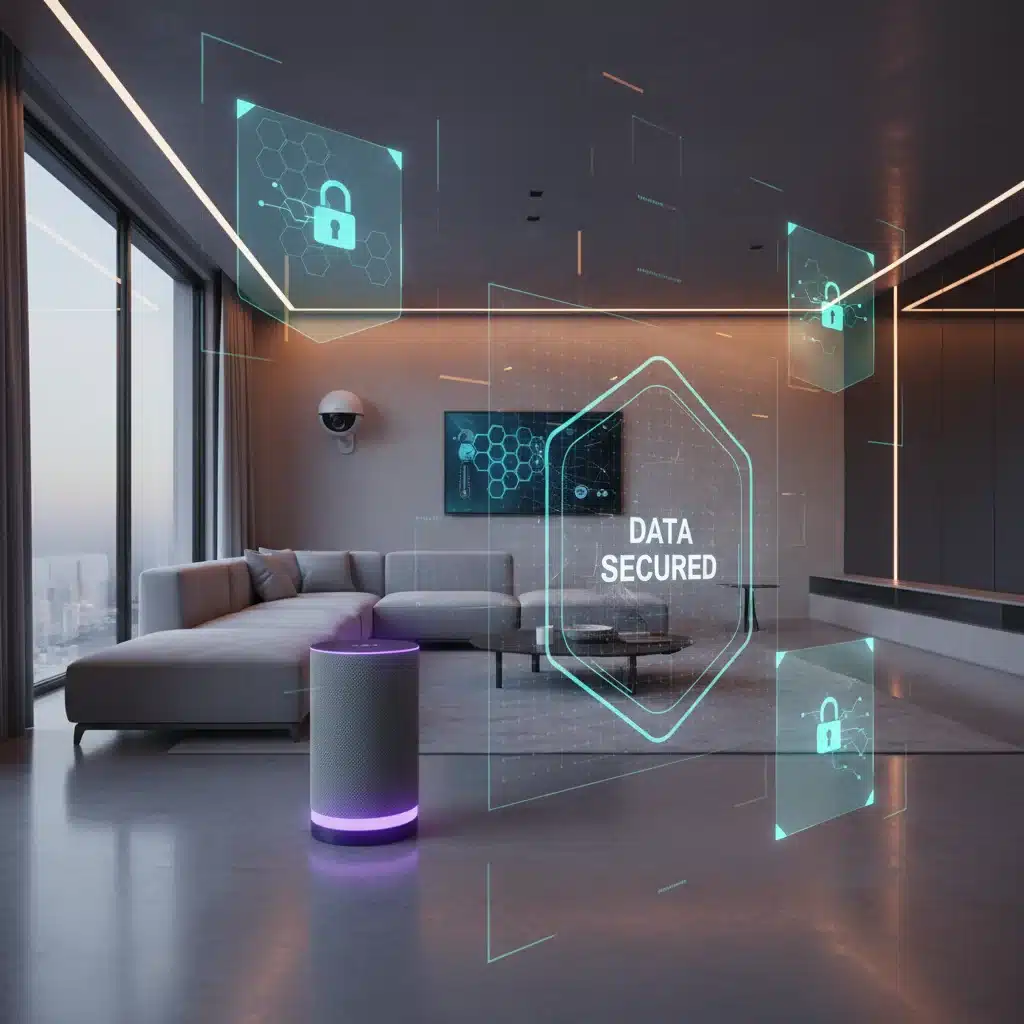
In an increasingly connected world, smart homes offer unparalleled convenience and efficiency. From intelligent thermostats that learn your preferences to security cameras that monitor your property, these devices have become integral to modern living. However, with great convenience comes significant responsibility, especially concerning your smart home privacy. As we navigate 2026, the landscape of digital threats continues to evolve, making it more crucial than ever to adopt robust strategies to protect your personal data.
The allure of a fully automated home is strong, but the potential for privacy breaches looms large if proper precautions aren’t taken. Every smart device, from your voice assistant to your smart refrigerator, collects data about your habits, routines, and even your conversations. This data, if not adequately secured, can be exploited by malicious actors, leading to identity theft, unauthorized surveillance, or even physical security risks. Understanding and mitigating these risks is paramount to truly enjoying the benefits of a smart home without compromising your personal life.
This comprehensive guide will walk you through seven essential steps to maximize your smart home privacy in 2026. These steps are designed to be practical, actionable, and effective in safeguarding your data against the most prevalent threats. By implementing these measures, you can transform your connected living space into a fortress of privacy, ensuring that your smart home works for you, without inadvertently working against your personal security.
1. Implement Strong, Unique Passwords and Two-Factor Authentication (2FA)
The foundation of any strong cybersecurity strategy, including for your smart home privacy, begins with robust authentication. Many smart devices come with default passwords that are notoriously easy to guess or are publicly known. The very first step you should take after setting up any new smart device is to change its default password to a strong, unique one. A strong password typically includes a mix of uppercase and lowercase letters, numbers, and special characters, and should be at least 12-16 characters long. Avoid using easily guessable information like birthdays, pet names, or sequential numbers.
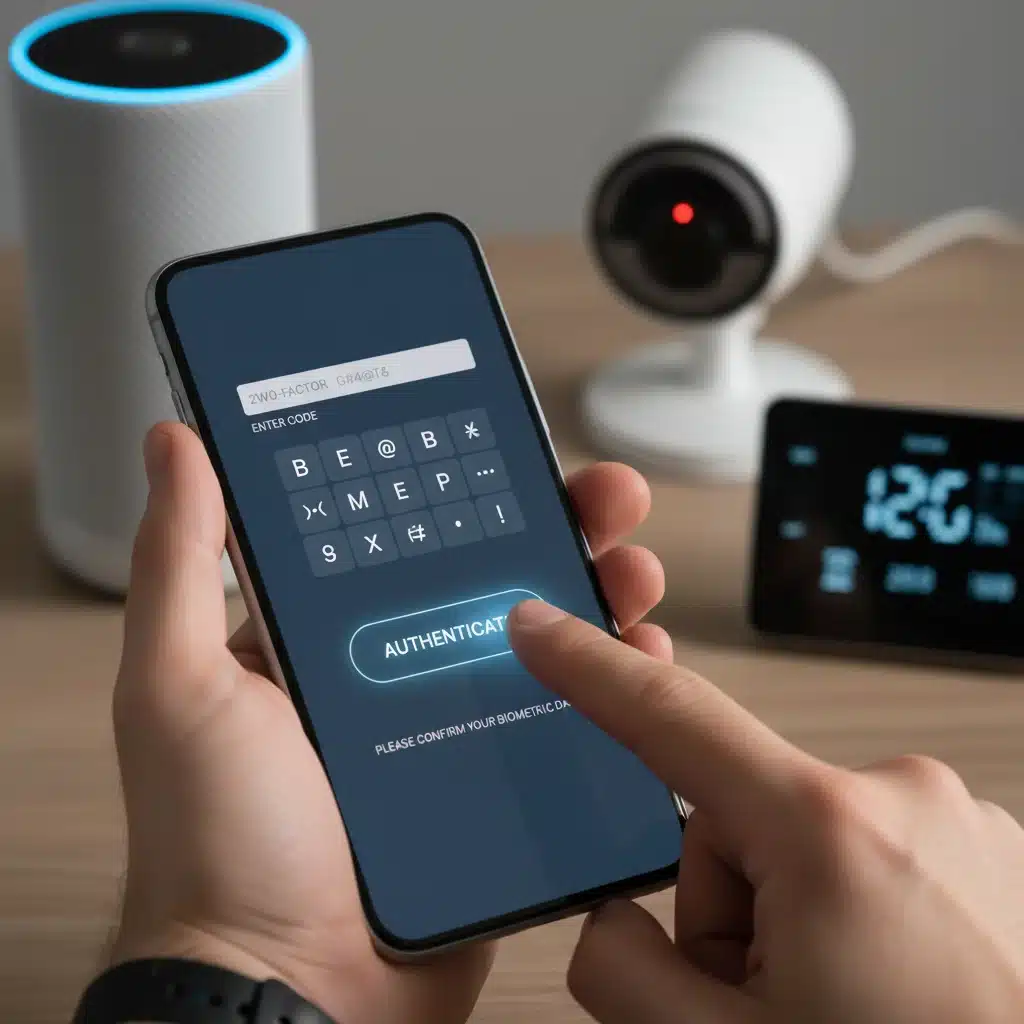
Furthermore, wherever possible, enable Two-Factor Authentication (2FA) on all your smart home accounts and devices. 2FA adds an extra layer of security by requiring a second form of verification in addition to your password. This could be a code sent to your phone, a fingerprint scan, or a token from an authenticator app. Even if a hacker manages to obtain your password, they won’t be able to access your devices or data without this second factor. Many smart home platforms and individual devices now support 2FA, and enabling it is a critical step in fortifying your smart home privacy.
Regularly updating these passwords is also a good practice, ideally every three to six months. Consider using a reputable password manager to generate and store complex, unique passwords for all your accounts. This not only simplifies the management of numerous credentials but also significantly enhances your overall security posture, protecting your sensitive smart home data from unauthorized access.
2. Understand and Manage Data Collection and Sharing Settings
One of the most overlooked aspects of smart home privacy is the sheer volume of data collected by these devices and how that data is used. Every smart speaker, camera, and sensor is designed to gather information about your environment and your interactions. It’s crucial to understand what data your devices are collecting, how it’s being stored, and with whom it might be shared. Many manufacturers collect data to improve services, offer personalized experiences, or even for marketing purposes. While some data collection is necessary for device functionality, you often have options to limit it.
Take the time to review the privacy policies and terms of service for each of your smart devices and their associated apps. While often lengthy and complex, these documents contain vital information about data practices. Pay close attention to sections on data collection, storage, sharing with third parties, and your rights as a user. In the settings of your smart home apps, actively look for and adjust privacy controls. This might include opting out of data sharing with third parties, disabling personalized advertising, or limiting the amount of historical data stored.
For voice-activated assistants, for instance, you can often review and delete past recordings. For smart cameras, you can configure motion detection zones to avoid recording public areas or set schedules for when recording is active. Being proactive in managing these settings is a powerful way to take control of your smart home privacy and reduce your digital footprint, ensuring that only necessary data is collected and used responsibly.
3. Secure Your Home Network: The Gateway to Your Smart Home
Your home Wi-Fi network is the backbone of your smart home, connecting all your devices to the internet and to each other. A compromised network means a compromised smart home. Therefore, securing your home network is a non-negotiable step for maximizing smart home privacy. Start by changing the default administrator username and password of your router. Like smart devices, routers often come with easily guessable default credentials that can be exploited.
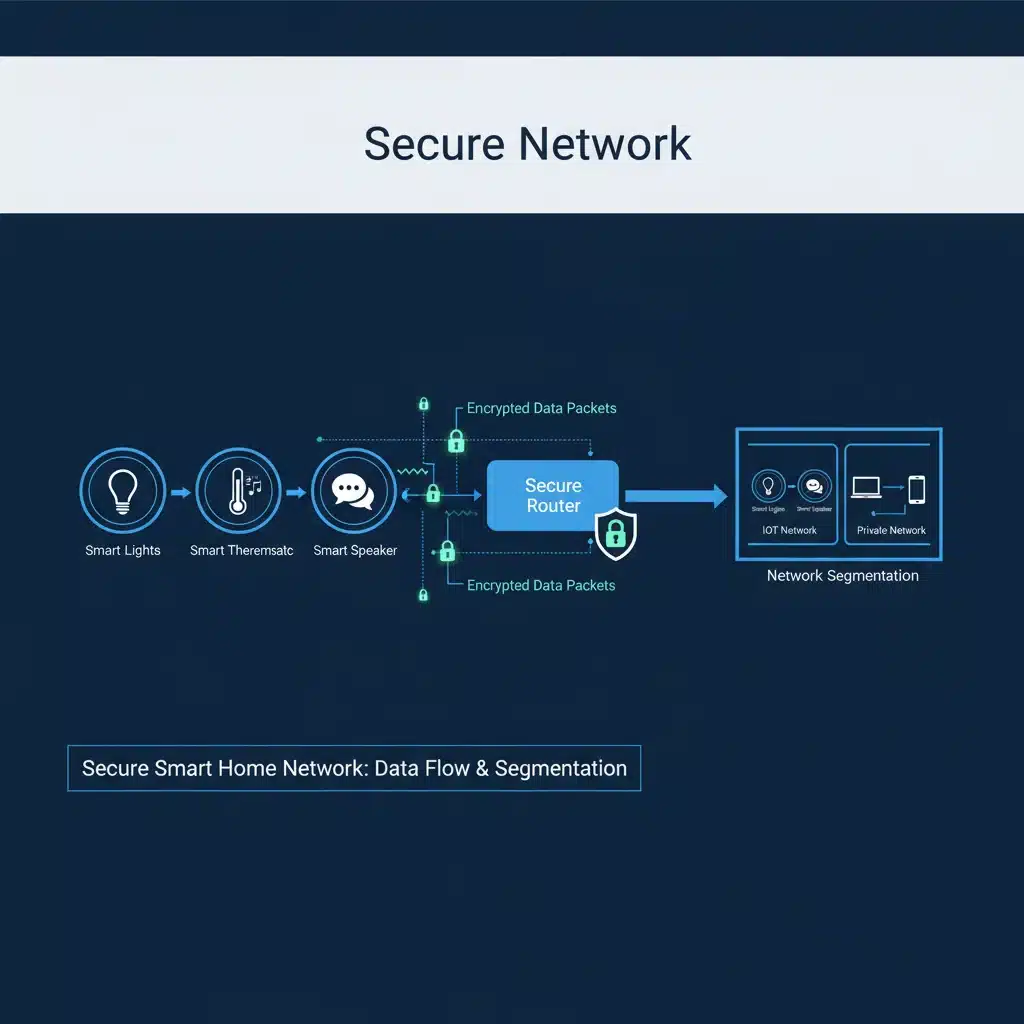
Next, ensure your Wi-Fi network uses the strongest available encryption protocol, which is currently WPA3 (Wi-Fi Protected Access 3) or at least WPA2. Avoid WEP or open networks, as these offer minimal security and are easily penetrable. Use a strong, unique password for your Wi-Fi network itself, separate from your router’s administration password. Consider creating a separate guest Wi-Fi network for visitors. This isolates your main smart home network from potential vulnerabilities introduced by guest devices, further enhancing your smart home privacy.
Beyond passwords and encryption, regularly update your router’s firmware. Manufacturers frequently release updates that patch security vulnerabilities and improve performance. Enable your router’s firewall, which acts as a barrier between your home network and the internet, blocking unauthorized access attempts. For advanced users, network segmentation (creating a separate VLAN for smart devices) can provide an even higher level of security, isolating IoT devices from your personal computers and sensitive data.
4. Keep Devices and Software Updated
Software vulnerabilities are a constant threat in the digital world. Manufacturers of smart devices and their associated applications regularly release firmware and software updates to address these vulnerabilities, fix bugs, and introduce new features. Neglecting these updates leaves your devices exposed to known exploits, making them easy targets for hackers. This is a critical, yet often overlooked, aspect of maintaining robust smart home privacy.
Make it a habit to check for and install updates for all your smart home devices, their companion apps, and your smart home hub (if you use one). Many devices and apps offer automatic updates, which you should enable whenever possible. For devices that require manual updates, set a reminder to check for new versions periodically, perhaps once a month or whenever you receive notifications from the manufacturer. Ignoring these updates is akin to leaving your front door unlocked; it invites trouble.
Outdated software is a common entry point for cyberattacks. By keeping your devices and applications current, you ensure that you have the latest security patches, significantly reducing the risk of unauthorized access to your smart home data. This proactive approach is fundamental to safeguarding your smart home privacy against evolving cyber threats in 2026 and beyond.
5. Audit Your Devices and Permissions Regularly
Over time, you might accumulate numerous smart devices, and the permissions granted to them can become extensive and potentially excessive. A regular audit of your smart home ecosystem is crucial for maintaining optimal smart home privacy. This involves reviewing every smart device you own, understanding its function, and critically assessing the permissions it has been granted.
Ask yourself: Does this smart light really need access to my location data? Does this smart plug need microphone access? Often, devices request permissions that are not strictly necessary for their core functionality. Revoke any unnecessary permissions in the device’s settings or through its associated app. The principle of least privilege applies here: grant only the minimum permissions required for a device to operate effectively.
Furthermore, consider decommissioning or securely wiping any smart devices you no longer use. Selling or giving away old smart devices without properly resetting them to factory settings can expose your data to the next owner. Ensure all personal data is erased before disposal or transfer. This regular spring cleaning of your digital home helps to minimize your attack surface and ensures that no forgotten device becomes a weak link in your smart home privacy defenses.
6. Be Mindful of Voice Assistants and Smart Cameras
Voice assistants and smart cameras are among the most popular smart home devices, but they also pose some of the most significant smart home privacy concerns due to their continuous data collection capabilities. Voice assistants are always listening for their wake word, and while recordings are typically only sent to the cloud after activation, there have been instances of accidental recordings or human reviewers listening to snippets for quality control. Smart cameras, by their nature, are designed to record and transmit video, often with audio, directly into your home.
For voice assistants, familiarize yourself with their privacy settings. Most allow you to review and delete voice recordings, and some even let you opt out of human review programs. Consider placing these devices in less private areas of your home or muting their microphones when not in use, especially in bedrooms or bathrooms. For smart cameras, strategically place them to monitor only necessary areas and avoid pointing them at private spaces within your home or at neighbors’ properties. Utilize features like activity zones to focus recording only on areas of interest and motion detection schedules to avoid continuous recording when you are home and not expecting visitors.
Always assume that any data collected by these devices could potentially be accessed or compromised. This mindset encourages a more cautious approach to their placement and usage, significantly enhancing your smart home privacy. Regularly check the activity logs for these devices to ensure they are operating as expected and not recording or transmitting data without your knowledge.
7. Research Manufacturer Privacy Practices and Device Reputation
Not all smart device manufacturers are created equal when it comes to privacy and security. Before purchasing a new smart home device, take the time to research the manufacturer’s reputation and their commitment to user privacy. Look for companies with a strong track record of transparency regarding their data collection practices, clear privacy policies, and a history of promptly addressing security vulnerabilities. This due diligence is a proactive step in protecting your smart home privacy.
Read reviews from trusted tech publications and consumer advocacy groups that specifically focus on privacy and security aspects of smart devices. Be wary of extremely low-cost devices from unknown brands, as they may prioritize affordability over robust security measures, potentially leaving your data vulnerable. A device might seem like a bargain, but the cost of a privacy breach can be far greater.
Consider devices that offer local processing of data rather than relying solely on cloud-based services. Devices that process data on the device itself (edge computing) can reduce the amount of sensitive information transmitted to external servers, thereby lowering the risk of data exposure. By choosing reputable brands with strong privacy commitments, you are building your smart home on a more secure foundation, which is fundamental to long-term smart home privacy.
The Future of Smart Home Privacy: Staying Ahead in 2026
The landscape of smart home technology is constantly evolving, and with it, the challenges to smart home privacy. As devices become more sophisticated and interconnected, so too do the methods employed by those seeking to exploit vulnerabilities. Staying informed about the latest privacy threats and security best practices is an ongoing commitment, not a one-time task. Participate in online communities, follow cybersecurity news, and keep an eye on industry reports to understand emerging risks and solutions.
Furthermore, advocate for stronger privacy regulations and standards in the smart home industry. Consumer demand for privacy-by-design principles can encourage manufacturers to build security and privacy into their products from the ground up, rather than as an afterthought. Your choices as a consumer have power, and by supporting companies that prioritize privacy, you contribute to a safer smart home ecosystem for everyone.
The convenience offered by smart homes is undeniable, but it should never come at the expense of your personal privacy. By diligently applying these seven steps – implementing strong authentication, managing data settings, securing your network, keeping software updated, auditing permissions, being mindful of voice assistants and cameras, and researching manufacturers – you can confidently enjoy the benefits of smart living while maintaining robust smart home privacy in 2026 and beyond. Your digital sanctuary deserves the highest level of protection.