Smart HVAC Systems: Personalized Comfort & 18% Energy Efficiency
Personalized Comfort: How Smart HVAC Systems Adapt to Your Needs for 18% Better Efficiency
In an era where technology seamlessly integrates into every aspect of our lives, our homes are becoming smarter, more responsive, and increasingly efficient. Among the most impactful advancements in modern home automation is the rise of smart HVAC comfort systems. Gone are the days of basic thermostats that merely turn your heating or cooling on and off. Today’s intelligent HVAC solutions are revolutionizing how we experience comfort, offering unprecedented levels of personalization, control, and, most importantly, significant energy savings.
Imagine a home where the temperature adjusts itself before you even walk through the door, where different rooms maintain different climates based on occupancy, and where your energy consumption is optimized automatically, leading to a remarkable reduction in utility bills. This isn’t a futuristic fantasy; it’s the reality offered by smart HVAC systems. Studies and real-world data consistently show that these systems can deliver up to 18% better energy efficiency, translating into substantial savings for homeowners while simultaneously enhancing their living environment.
This comprehensive guide will delve into the world of smart HVAC comfort, exploring what makes these systems so intelligent, the myriad benefits they offer, how they achieve such impressive energy efficiency, and what you should consider when integrating one into your home. Prepare to transform your understanding of home comfort and efficiency.
The Evolution of HVAC: From Basic to Brilliant
For decades, HVAC (Heating, Ventilation, and Air Conditioning) systems were largely reactive. You felt too hot or too cold, walked to the thermostat, and manually adjusted the temperature. Programmable thermostats offered a slight improvement, allowing users to set schedules. However, these schedules were often rigid and failed to account for unpredictable changes in daily routines, weather fluctuations, or varying occupancy patterns.
The advent of smart HVAC systems changed everything. These systems leverage advanced technologies such as Wi-Fi connectivity, artificial intelligence (AI), machine learning (ML), and an array of sensors to create a truly adaptive and responsive climate control experience. They move beyond simple scheduling to understand and anticipate your needs, making proactive adjustments that optimize both comfort and energy use.
What Defines a Smart HVAC System?
At its core, a smart HVAC comfort system is characterized by its ability to learn, adapt, and be controlled remotely. Key features often include:
- Remote Control: Manage your home’s temperature from anywhere in the world using a smartphone app.
- Learning Capabilities: Many smart thermostats learn your preferences and daily routines, automatically creating an optimized schedule.
- Occupancy Sensors: Detect when rooms are occupied or empty, adjusting temperatures accordingly to save energy in unused spaces.
- Geofencing: Uses your smartphone’s location to know when you’re leaving or approaching home, preparing the climate for your arrival or departure.
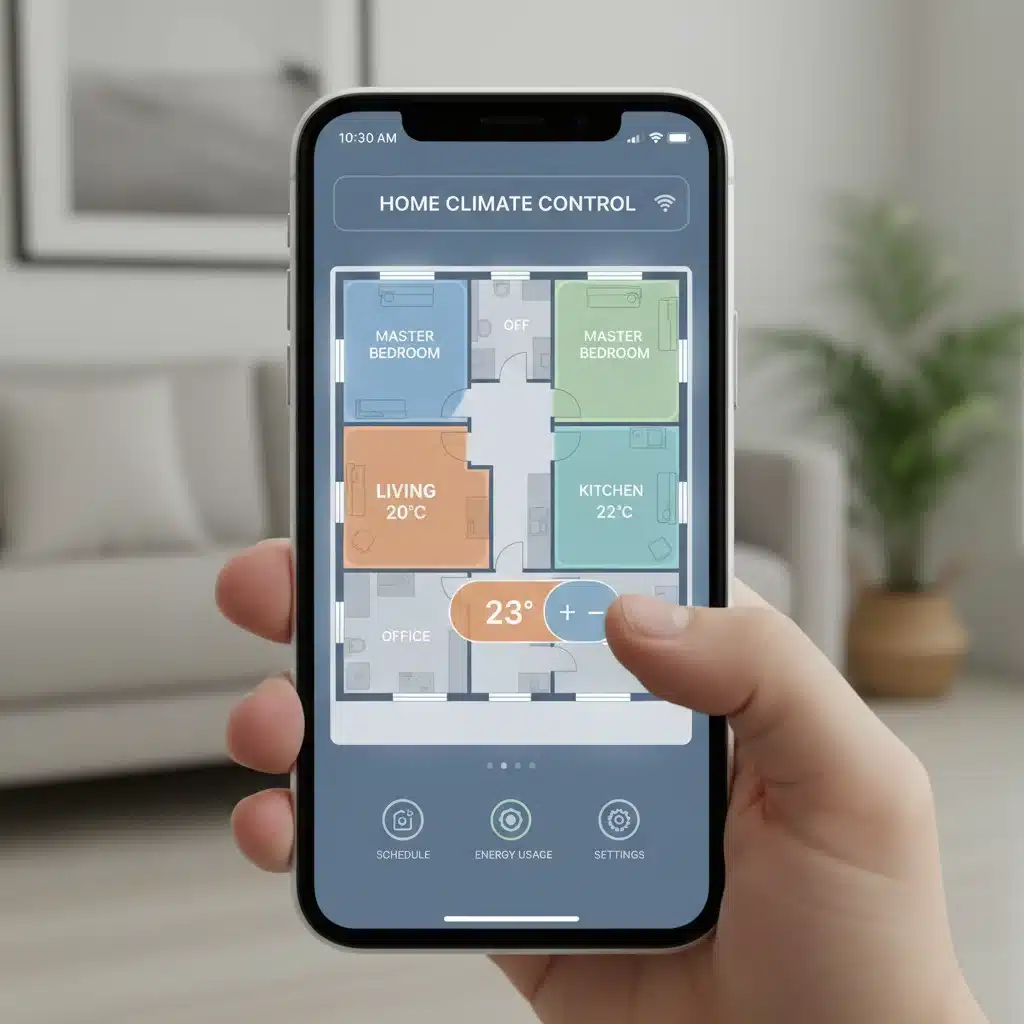
- Zone Control: Allows for different temperatures in different areas or rooms of your home, catering to individual preferences and reducing energy waste.
- Integration with Smart Home Ecosystems: Connects with other smart devices like voice assistants (Alexa, Google Assistant), smart lighting, and security systems for a unified smart home experience.
- Energy Reporting: Provides detailed insights into your energy consumption, helping you understand where and how you can save more.
- Weather Integration: Accesses local weather forecasts to pre-heat or pre-cool your home more efficiently.
Unlocking Personalized Comfort with Smart HVAC
The primary draw of smart HVAC comfort is its unparalleled ability to personalize your indoor climate. No longer are you confined to a one-size-fits-all temperature setting for your entire home. Smart systems empower you to create an environment that perfectly matches your lifestyle and preferences.
Adaptive Learning and Scheduling
One of the most impressive features is the system’s capacity for adaptive learning. Over time, your smart thermostat learns your preferred temperatures at different times of the day, your heating and cooling habits, and even how long it takes your home to heat or cool. It then builds an optimized schedule that anticipates your needs, ensuring your home is always comfortable when you’re there and saving energy when you’re not.
This goes beyond simple time-based programming. If your routine changes, the smart system adjusts. For instance, if you consistently come home an hour earlier on Tuesdays, the system will eventually learn this pattern and start preparing your home’s climate accordingly.
Geofencing for Seamless Transitions
Imagine leaving work, and as you drive home, your HVAC system senses your approach via your smartphone’s location. By the time you unlock your front door, your home is already at your ideal temperature. This is the magic of geofencing. It eliminates the need to manually adjust the thermostat when you leave or return, ensuring comfort upon arrival and preventing energy waste when the house is empty.
Zone Control: Comfort Where and When You Need It
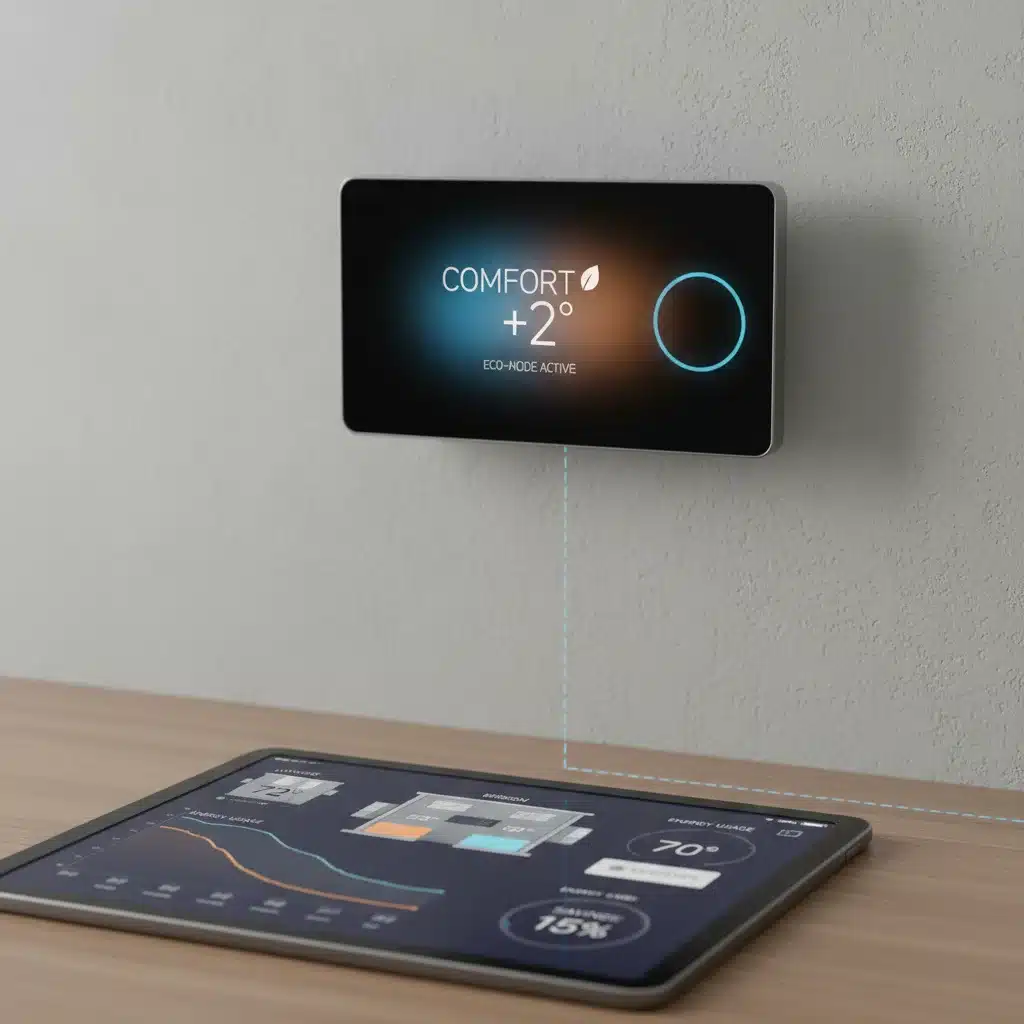
Traditional HVAC systems often operate as a single unit, heating or cooling your entire home to one temperature. This can lead to significant energy waste, as unoccupied rooms receive the same treatment as occupied ones. Smart HVAC comfort with zone control fundamentally changes this. By installing smart dampers and sensors in different areas or ‘zones’ of your home, you can independently control the temperature in each zone.
This means you can keep the living room warm in the evening while the bedrooms are cooler for sleeping, or turn off heating/cooling entirely in guest rooms when they’re not in use. This level of granular control not only maximizes comfort for every occupant but also drastically reduces energy consumption by focusing climate control only where it’s needed.
The 18% Efficiency Advantage: How Smart HVAC Saves Energy
The promise of up to 18% better energy efficiency isn’t just a marketing claim; it’s a measurable benefit derived from the intelligent design and operational strategies of smart HVAC systems. This efficiency gain comes from several key areas:
Eliminating Wasteful Heating and Cooling
The biggest energy drain in traditional HVAC use often comes from heating or cooling an empty house. Whether you forget to turn down the thermostat before leaving for work or go away for a weekend, traditional systems will continue to operate according to a fixed schedule or maintain a constant temperature. Smart systems, with their learning algorithms, geofencing, and occupancy sensors, actively prevent this waste. They know when you’re away and automatically set back temperatures to energy-saving modes, only resuming comfort settings when your return is imminent.
Optimized Scheduling and Predictive Control
Beyond simple on/off, smart HVAC systems use predictive algorithms. They consider factors like outdoor temperature, humidity, and even your home’s insulation properties to determine the most energy-efficient way to reach and maintain your desired temperature. For example, on a particularly hot day, the system might pre-cool your home slightly before the peak heat, reducing the need for the system to work harder during the most energy-intensive hours.
Detailed Energy Reporting and Insights
Knowledge is power, especially when it comes to energy consumption. Smart HVAC comfort systems provide detailed reports on your energy usage, often broken down by day, week, or month. These reports can highlight patterns, identify areas of high consumption, and even offer personalized tips on how to save more. This transparency empowers homeowners to make informed decisions about their energy habits and further optimize their settings for maximum savings.
Integration with Utility Programs
Many smart HVAC systems are compatible with demand response programs offered by utility companies. These programs allow the utility to make minor, temporary adjustments to your thermostat during peak energy demand periods, helping to stabilize the grid and often rewarding participants with bill credits or rebates. This integration further enhances the energy-saving potential of smart systems.
Key Features and Technologies Driving Smart HVAC
To truly appreciate the power of smart HVAC comfort, it’s worth exploring some of the underlying technologies and features that make these systems so effective.
Wi-Fi Connectivity and Cloud Computing
The ability to connect to your home’s Wi-Fi network is fundamental. This connectivity allows your smart thermostat to communicate with cloud-based servers, enabling remote control via smartphone apps, accessing weather data, receiving software updates, and sending energy usage data for analysis. The cloud also facilitates the machine learning algorithms that personalize your comfort settings over time.
Sensors Galore: Temperature, Humidity, and Occupancy
Modern smart HVAC systems are equipped with a variety of sensors. Beyond basic temperature sensors, many include humidity sensors to manage indoor air quality, ensuring optimal comfort levels. Occupancy sensors, either built into the thermostat or deployed as separate remote sensors, detect human presence, allowing the system to know which rooms are in use and adjust accordingly. Some advanced systems even incorporate air quality sensors to monitor pollutants and allergens.
Voice Control and Smart Home Integration
The seamless integration with popular voice assistants like Amazon Alexa, Google Assistant, and Apple HomeKit elevates the user experience. Imagine simply saying, "Hey Google, set the living room to 72 degrees" or "Alexa, what’s the temperature in the baby’s room?" This hands-free control adds a layer of convenience and makes managing your home’s climate effortless. Furthermore, integration with other smart home devices allows for complex automations, such as turning off the AC when a window is opened or adjusting lighting based on temperature settings.
Advanced Algorithms and Machine Learning
This is where the "smart" truly comes into play. Machine learning algorithms analyze vast amounts of data – your preferences, historical usage, outdoor weather, occupancy patterns, and even how well your home retains heat or cool air. Based on this analysis, the system predicts optimal heating and cooling cycles, identifies opportunities for energy savings, and continuously refines its operation to provide the best possible balance of comfort and efficiency.
Choosing the Right Smart HVAC System for Your Home
With a growing market of smart HVAC solutions, selecting the right system can seem daunting. Here are key considerations to guide your decision:
- Compatibility: Ensure the smart thermostat or system is compatible with your existing HVAC unit. Most smart thermostats work with 24V common wire (C-wire) systems, but some offer workarounds for older setups.
- Features You Need: Prioritize features that are most important to you, whether it’s zone control, geofencing, advanced energy reporting, or specific smart home integrations.
- Ease of Use: Look for an intuitive interface, both on the thermostat itself and within the accompanying smartphone app.
- Installation: While many smart thermostats are DIY-friendly, complex installations involving zone control or integrating with older systems might require professional assistance.
- Brand Reputation and Support: Choose reputable brands known for reliability, good customer support, and regular software updates.
- Cost: Smart HVAC systems vary in price. Consider the upfront investment versus the long-term energy savings and enhanced comfort.
Some popular and highly-rated brands in the smart thermostat market include Ecobee, Nest, Honeywell Home, and Lennox iComfort, each offering a unique set of features and ecosystem compatibility.
Installation and Setup: Getting Started with Smart HVAC
Installing a smart thermostat can range from a simple DIY project to a more involved professional installation, depending on your existing HVAC system and the complexity of the smart system you choose.
DIY Smart Thermostat Installation
Many smart thermostats are designed for easy self-installation. If you have a standard 24V HVAC system with a C-wire, the process typically involves:
- Turning off power to your HVAC system at the breaker.
- Removing your old thermostat and labeling the wires.
- Connecting the wires to the new smart thermostat’s base plate according to the instructions.
- Mounting the new thermostat and restoring power.
- Configuring the device via its app, connecting it to your Wi-Fi, and setting up initial preferences.
Most manufacturers provide detailed instructions, videos, and often in-app guides to walk you through the process.
Professional Installation for Complex Systems
For homes with multi-zone systems, heat pumps, or older HVAC units that may lack a C-wire or require specialized wiring, professional installation is highly recommended. An experienced HVAC technician can ensure proper wiring, configure zone controls correctly, and optimize the system for your specific home layout. They can also troubleshoot any compatibility issues and provide a thorough demonstration of your new system’s capabilities.
Maximizing Your Smart HVAC Efficiency and Comfort
Once your smart HVAC comfort system is installed, there are several best practices to ensure you’re getting the most out of its capabilities and maximizing your energy savings:
- Let It Learn: Give your smart thermostat time to learn your habits and preferences. Resist the urge to constantly override its settings in the initial weeks.
- Utilize Geofencing: Make sure geofencing is enabled and correctly configured on your smartphone for automatic temperature adjustments when you leave and return.
- Embrace Zone Control: If you have zone control, actively use it to heat or cool only the areas you are using. Turn off zones for unoccupied rooms.
- Review Energy Reports: Regularly check your energy usage reports in the app. This data can reveal insights and help you identify further opportunities for savings.
- Integrate with Other Smart Devices: Connect your smart HVAC with other smart home devices for enhanced automation. For example, have your smart blinds close when the AC is running to reduce solar gain.
- Schedule Maintenance: Even with a smart system, regular HVAC maintenance is crucial for optimal performance and efficiency. Ensure your filters are clean and your system is serviced annually.
- Adjust for Seasons: While smart systems adapt, a slight manual adjustment at the start of heating or cooling seasons can help kickstart its learning for the new conditions.

The Future of Home Comfort: Beyond Today’s Smart HVAC
The trajectory of smart HVAC comfort is one of continuous innovation. We can expect even more sophisticated systems in the coming years. Imagine HVAC systems that not only react to your presence but also anticipate your needs based on predictive analytics of your calendar, local events, or even your fitness tracker data. Systems that can communicate with the power grid to not just participate in demand response but to actively store thermal energy during off-peak hours and release it during peak times.
Further integration with indoor air quality management will become standard, with systems actively purifying air, balancing humidity, and even detecting specific allergens or pollutants. The goal is to move towards a truly holistic home environment management system that optimizes not just temperature, but every aspect of indoor well-being, all while continuing to drive down energy consumption.
Conclusion: Embrace the Smart HVAC Revolution
The journey from rudimentary thermostats to intelligent, learning HVAC systems represents a significant leap forward in home comfort and energy management. By embracing smart HVAC comfort, homeowners are not just upgrading their heating and cooling; they are investing in a more responsive, efficient, and personalized living experience.
The ability to achieve up to 18% better energy efficiency is a compelling reason alone to consider these systems, offering tangible financial benefits year after year. But beyond the savings, it’s the unparalleled convenience, the enhanced control, and the seamless integration into a modern smart home ecosystem that truly define the value proposition of smart HVAC.
As technology continues to advance, our homes will only become more intelligent, more intuitive, and more attuned to our individual needs. Installing a smart HVAC system today is not just about upgrading your home; it’s about stepping into the future of personalized comfort and sustainable living. Make the smart choice for your home and experience the difference that intelligent climate control can make.