Sustainable Living: Smart Home Tech Reducing Your Carbon Footprint by 15% Annually
In an era where environmental consciousness is no longer a luxury but a necessity, the concept of sustainable living has taken center stage. As individuals, our daily choices collectively impact the planet, and one of the most significant areas where we can make a difference is within our homes. Enter smart home sustainability – a revolutionary approach that integrates cutting-edge technology with eco-friendly practices to create living spaces that are not only convenient and comfortable but also significantly reduce our environmental footprint.
Imagine a home that intuitively manages its energy consumption, minimizes waste, and even contributes to a healthier indoor environment. This isn’t a futuristic dream; it’s the present reality offered by smart home technology. By strategically adopting these innovations, homeowners can expect to see a tangible reduction in their carbon footprint, with some estimates suggesting a decrease of up to 15% annually. This article delves deep into how smart home solutions are paving the way for a more sustainable future, offering practical insights and actionable steps to transform your home into an eco-conscious haven.
Understanding Your Carbon Footprint and the Role of Smart Homes
Before we explore the solutions, it’s crucial to understand what a carbon footprint entails. Essentially, it’s the total amount of greenhouse gases (including carbon dioxide and methane) emitted directly and indirectly by an individual, organization, event, or product. For most households, the largest contributors to their carbon footprint are energy consumption (electricity and heating), transportation, and waste generation. Smart home technology primarily targets the energy consumption aspect, offering sophisticated tools to monitor, control, and optimize energy usage.
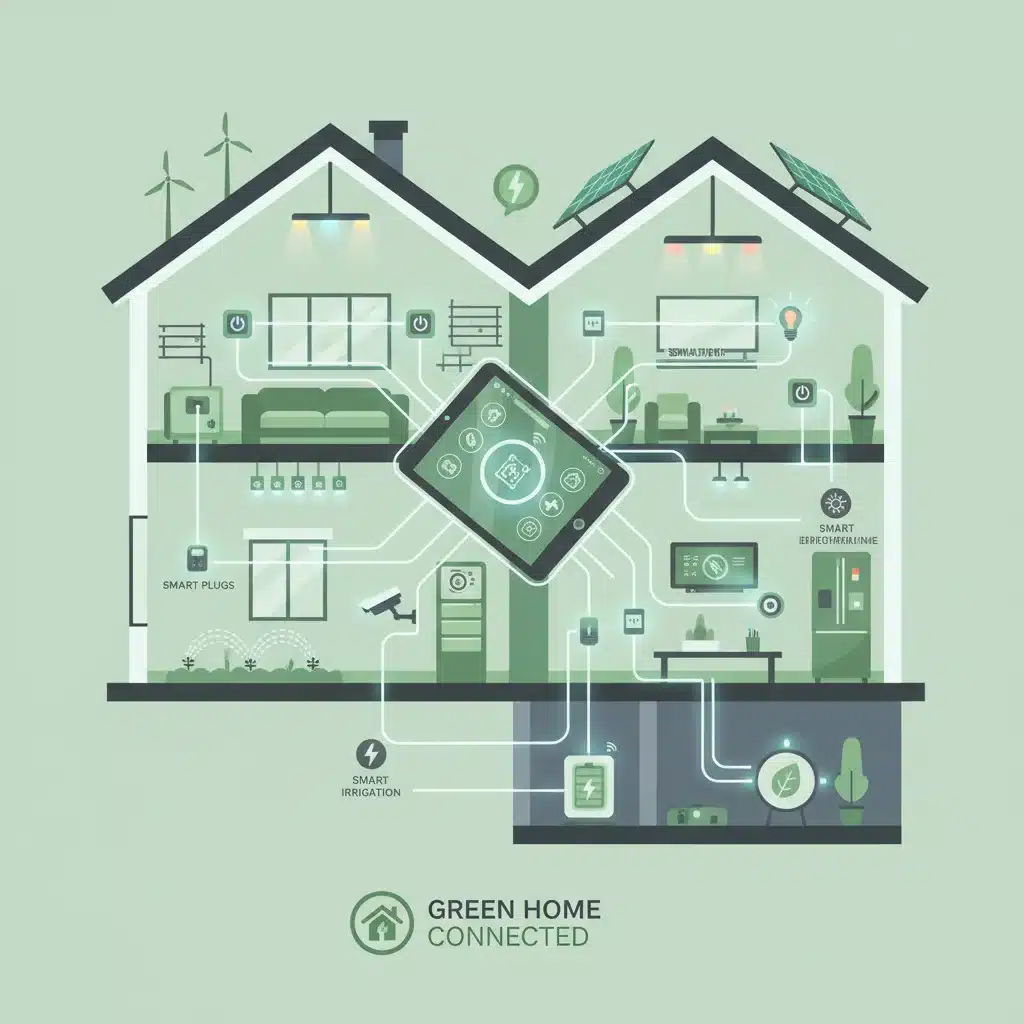
The beauty of smart home sustainability lies in its ability to automate energy-saving practices that would otherwise require constant manual intervention. From intelligent thermostats that learn your habits to smart lighting systems that adapt to natural light, these devices work in harmony to ensure that energy is only used when and where it’s truly needed. This proactive approach not only benefits the environment but also translates into significant cost savings on utility bills.
Smart Thermostats: The Brains of Energy Efficiency
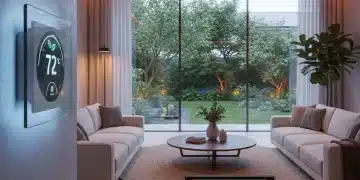
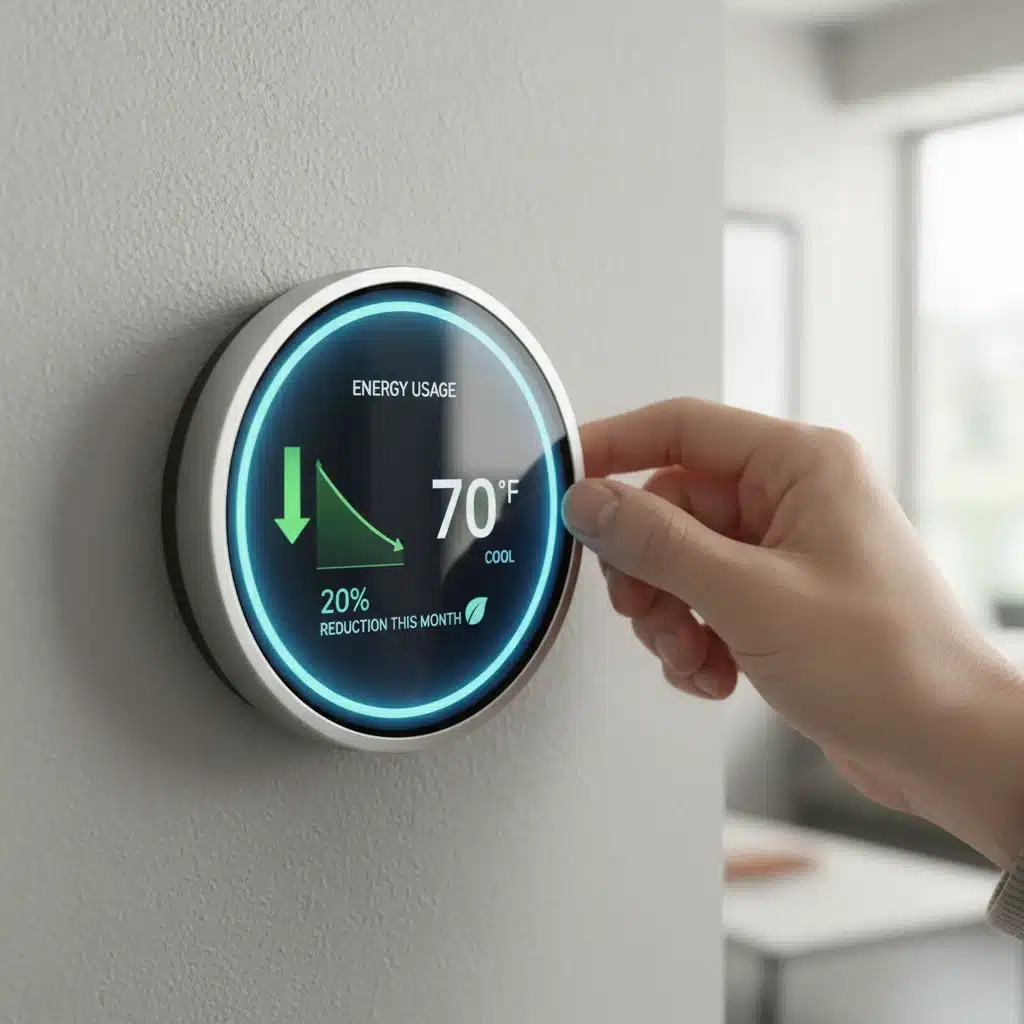
One of the most impactful smart home devices for reducing your carbon footprint is the smart thermostat. Traditional thermostats offer basic temperature control, but smart versions go far beyond. They learn your preferred temperatures, detect when you’re home or away, and even integrate with local weather forecasts to optimize heating and cooling schedules. This intelligent automation ensures that your HVAC system operates at peak efficiency, preventing energy waste.
Leading smart thermostats, such as Nest and Ecobee, provide detailed energy reports, allowing you to visualize your consumption patterns and identify areas for improvement. Some models even offer geofencing capabilities, automatically adjusting the temperature when you leave or approach your home. By precisely regulating your home’s climate, smart thermostats can account for a substantial portion of the 15% annual carbon footprint reduction, making them an indispensable tool for smart home sustainability.
Intelligent Lighting Systems: Shedding Light on Savings
Lighting accounts for a significant portion of household electricity consumption. Smart lighting systems offer a multifaceted approach to reducing this energy drain. These systems utilize LED bulbs, which are inherently more energy-efficient and longer-lasting than traditional incandescent bulbs. Beyond the bulbs themselves, smart lighting introduces advanced controls that maximize efficiency.
Features like motion sensors ensure lights are only on when a room is occupied, while ambient light sensors adjust brightness based on natural light availability. You can also schedule lights to turn on and off at specific times, dim them to conserve energy, or control them remotely from your smartphone. Brands like Philips Hue and Lutron Caséta are at the forefront, offering customizable setups that not only save energy but also enhance the ambiance of your home. By preventing unnecessary illumination, smart lighting contributes significantly to your smart home sustainability goals.
Smart Plugs and Power Strips: Eliminating Phantom Loads
Even when turned off, many electronic devices continue to draw a small amount of power, known as a ‘phantom load’ or ‘vampire drain.’ This seemingly insignificant draw can add up to a surprising amount of wasted energy over time. Smart plugs and power strips are simple yet effective solutions to combat this issue.
These devices allow you to remotely control the power to connected appliances and electronics. You can set schedules to automatically cut power to devices when they’re not in use, or simply switch them off with a voice command or a tap on your smartphone. Imagine automatically powering down your entertainment system, computer peripherals, or coffee maker when you leave for work or go to bed. This direct control over dormant appliances is a straightforward way to enhance smart home sustainability and chip away at your carbon footprint.
Water Conservation with Smart Irrigation and Leak Detection
Water scarcity is a growing global concern, and residential water usage contributes to a significant environmental impact, especially considering the energy required to treat and transport water. Smart home technology offers innovative solutions for water conservation, primarily through smart irrigation systems and leak detectors.
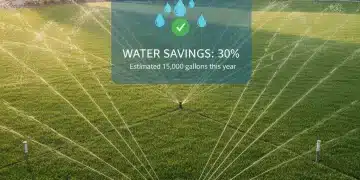
Smart irrigation systems, like those from Rachio or Hunter Hydrawise, use local weather data, soil moisture sensors, and plant-specific needs to optimize watering schedules. This prevents overwatering, ensuring your lawn and garden receive exactly the right amount of water, reducing waste by up to 50%. Meanwhile, smart leak detectors can identify plumbing issues early, preventing costly damage and significant water loss. By integrating these systems, your home becomes a more efficient water manager, a crucial aspect of overall smart home sustainability.
Smart Appliances: The Next Frontier of Efficiency
Beyond individual devices, a new generation of smart appliances is emerging, designed with energy efficiency at their core. Smart refrigerators can track inventory, suggest recipes, and even alert you if the door is left ajar, preventing energy loss. Smart washing machines and dryers can optimize cycles based on load size and fabric type, and some can even be programmed to run during off-peak electricity hours when energy is cheaper and often generated from cleaner sources.
These appliances often connect to your home’s central smart hub, allowing for integrated management and data collection. While the initial investment might be higher, the long-term energy savings and environmental benefits contribute significantly to the broader goal of smart home sustainability.
Renewable Energy Integration: Solar and Smart Grids
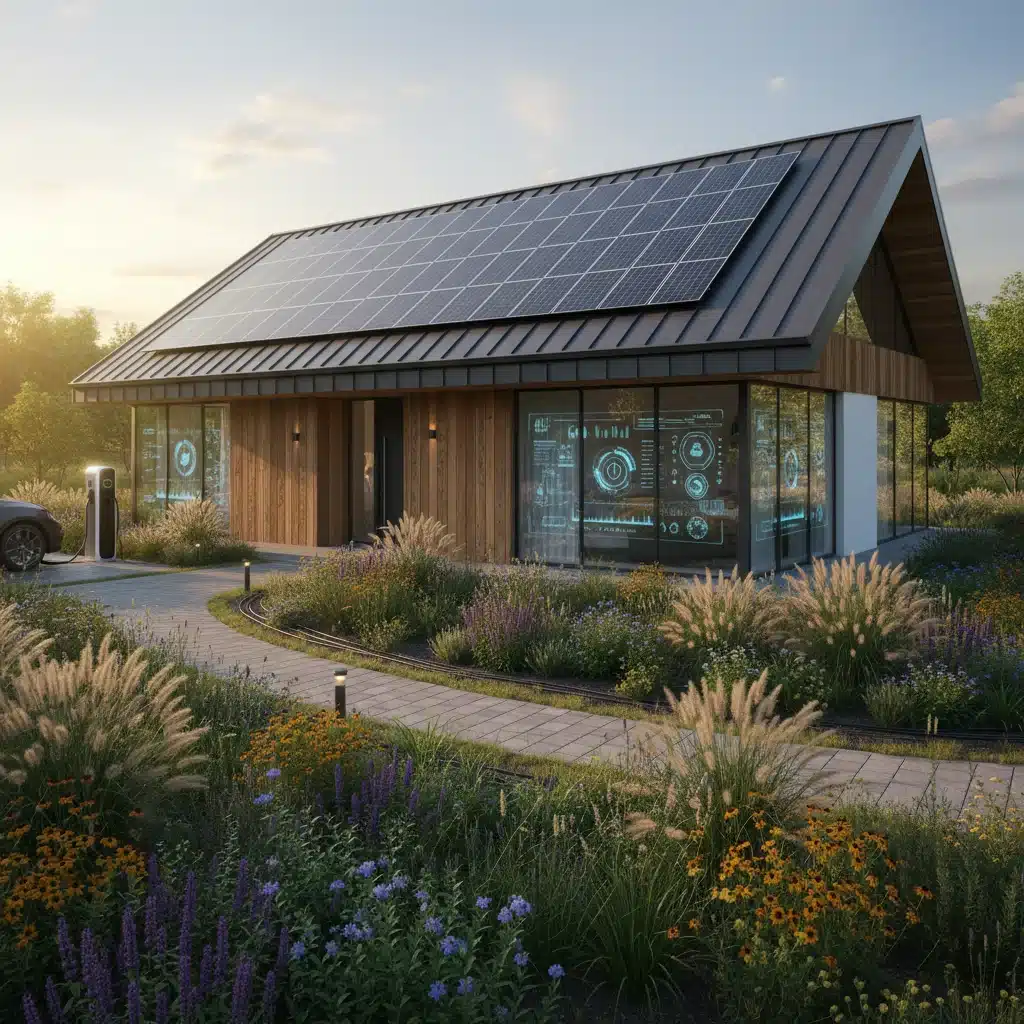
To truly maximize your carbon footprint reduction, integrating smart home technology with renewable energy sources is the ultimate step. Solar panels, for instance, can generate clean electricity for your home, and smart energy management systems can optimize how this energy is used and stored. Battery storage solutions, like the Tesla Powerwall, can store excess solar energy for use during peak demand or at night, further reducing reliance on the grid.
Furthermore, smart homes are increasingly designed to interact with smart grids, which are modernized electricity networks that use digital technology to monitor and manage the transportation of electricity from all generation sources to meet the varying electricity demands of end-users. This integration allows your home to intelligently consume, store, and even sell energy back to the grid, transforming your residence into an active participant in a sustainable energy ecosystem. This level of integration is the pinnacle of smart home sustainability.
Monitoring and Data: The Key to Continuous Improvement
One of the often-overlooked benefits of smart home technology for sustainability is its ability to provide detailed data on your consumption patterns. Smart energy monitors, often integrated into smart hubs or specific devices, can track electricity, gas, and water usage in real-time. This data is invaluable because it provides actionable insights into where and how your home is consuming resources.
By understanding your peak usage times, identifying energy-hungry appliances, and observing the impact of your smart home adjustments, you can continuously refine your habits and settings for even greater efficiency. Many smart home apps present this data in user-friendly dashboards, making it easy to see your progress and motivate further reductions in your carbon footprint. This continuous feedback loop is crucial for achieving and maintaining high levels of smart home sustainability.
The Environmental and Financial Benefits of Smart Home Sustainability
The primary environmental benefit of adopting smart home sustainability practices is the significant reduction in greenhouse gas emissions. By lowering your energy and water consumption, you directly contribute to mitigating climate change, conserving natural resources, and reducing pollution. This collective effort, when scaled across many households, has a profound positive impact on the planet.
Beyond the environmental advantages, there are substantial financial benefits. Reduced energy and water bills translate into tangible savings each month. While the initial investment in smart home technology might seem considerable, the return on investment through lower utility costs often makes it a financially sound decision. Furthermore, many governments and utility companies offer incentives, rebates, or tax credits for installing energy-efficient smart home devices, further sweetening the deal.
Getting Started with Smart Home Sustainability: A Step-by-Step Guide
Feeling overwhelmed by the vast array of smart home options? Here’s a simple guide to help you embark on your journey towards smart home sustainability:
- Assess Your Current Consumption: Start by understanding your current energy and water bills. Identify your biggest consumers.
- Start Small: You don’t need to overhaul your entire home at once. Begin with a smart thermostat or a few smart plugs. These are relatively inexpensive and offer immediate benefits.
- Prioritize High-Impact Areas: Focus on areas that consume the most energy, such as heating/cooling and lighting.
- Research Compatibility: Ensure any new devices you purchase are compatible with your existing smart home ecosystem (if you have one) or can be easily integrated into a new one.
- Monitor and Adjust: Once installed, actively use the monitoring features of your smart devices. Tweak settings based on the data to optimize performance.
- Consider Professional Installation: For more complex systems like smart irrigation or solar integration, consider hiring professionals to ensure optimal setup and efficiency.
- Educate Yourself: Stay informed about new technologies and best practices in smart home sustainability.
Challenges and Considerations
While the benefits are clear, there are also challenges to consider when implementing smart home sustainability. Data privacy is a significant concern, as smart devices collect a lot of information about your habits. It’s important to choose reputable brands with strong privacy policies. Interoperability between different brands and platforms can also be an issue, though industry standards are improving. Finally, the initial cost can be a barrier for some, but as technology advances, prices are becoming more accessible.
The Future of Sustainable Smart Homes
The evolution of smart home sustainability is far from over. We can anticipate even more sophisticated AI-driven systems that predict needs with greater accuracy, further integration with renewable energy sources, and the development of truly self-sufficient homes. Imagine homes that not only generate their own power but also manage their water and waste cycles, contributing positively to their local ecosystems. The future promises homes that are not just smart, but truly symbiotic with the environment.
Furthermore, the growing emphasis on circular economy principles will likely influence smart home design, leading to devices that are easier to repair, upgrade, and recycle, minimizing electronic waste. Community-level smart grids and shared renewable resources could also become more prevalent, fostering a collective approach to sustainability that extends beyond individual households.
Conclusion: Your Role in a Greener Tomorrow
Embracing smart home sustainability is more than just adopting new gadgets; it’s a commitment to a more responsible and efficient way of living. By leveraging the power of smart home technology, you can actively reduce your carbon footprint, save money, and contribute to a healthier planet. The estimated 15% annual reduction in carbon emissions is a powerful testament to the impact these technologies can have.
Whether you start with a single smart plug or embark on a full home automation project, every step towards a smarter, more sustainable home makes a difference. The journey towards a greener future begins with conscious choices, and smart home technology provides the tools to make those choices easier and more effective than ever before. Take the leap, empower your home, and become an active participant in building a sustainable world for generations to come.