Federal Reserve Rate Outlook 2025: Mortgage Impact

The Federal Reserve rate outlook for 2025 is expected to directly influence mortgage interest rates, affecting both current homeowners and prospective buyers by altering borrowing costs and market accessibility.
As we approach 2025, the economic landscape continues to evolve, with the Federal Reserve at the helm of monetary policy in the United States. Understanding the new Federal Reserve rate outlook is not merely an exercise in economic forecasting; it’s a critical component for every homeowner and prospective buyer navigating the complex world of mortgages. This article aims to demystify the Fed’s potential actions and clarify what they could mean for your financial future, particularly concerning your mortgage.
The Federal Reserve’s Role in Mortgage Rates
The Federal Reserve, often referred to as ‘the Fed,’ is the central banking system of the United States. Its primary mandates include maximizing employment, stabilizing prices, and moderating long-term interest rates. While the Fed does not directly set mortgage rates, its actions, particularly regarding the federal funds rate, have a profound indirect influence on what consumers pay for their home loans.
When the Fed adjusts the federal funds rate, it affects the cost of borrowing for banks. This, in turn, influences the interest rates banks charge for various loans, including mortgages. A higher federal funds rate generally translates to higher borrowing costs for banks, which then pass these costs onto consumers in the form of higher mortgage rates. Conversely, a lower federal funds rate can lead to more favorable mortgage rates.
How Federal Funds Rate Impacts Mortgages
- Short-term vs. Long-term Rates: The federal funds rate is a short-term rate, but it impacts the broader yield curve, which includes longer-term rates like those on 10-year Treasury bonds. Mortgage rates tend to track these longer-term Treasury yields.
- Market Sentiment: Beyond direct correlations, the Fed’s pronouncements and forecasts also shape market sentiment. If the Fed signals a hawkish stance (favoring higher rates to combat inflation), lenders and investors anticipate higher rates, often leading to an immediate uptick in mortgage rates.
- Economic Indicators: The Fed’s decisions are heavily influenced by economic data, such as inflation, employment figures, and GDP growth. These indicators provide clues about the Fed’s likely future actions, which mortgage markets keenly watch.
In essence, the Federal Reserve acts as a conductor for the nation’s financial orchestra. Its decisions reverberate throughout the economy, with mortgage rates being one of the most sensitive instruments. Understanding this fundamental connection is the first step in preparing for any changes in the Federal Reserve rate outlook for 2025.
Analyzing Current Economic Indicators and Fed’s Stance
To anticipate the Federal Reserve rate outlook for 2025, it is crucial to examine the current economic environment and the Fed’s stated policy goals. The Fed’s dual mandate of maximum employment and price stability guides its decisions, and recent economic data provides insight into how these factors might evolve.
Inflation remains a significant concern, even as it has shown signs of moderation from its peaks. The Fed has repeatedly emphasized its commitment to bringing inflation down to its 2% target. Employment figures also play a pivotal role; a robust labor market might give the Fed more leeway to maintain higher rates, while a weakening one could prompt a more dovish (lower rates) approach.
Key Economic Factors Influencing Fed Decisions
- Inflation Data: Consumer Price Index (CPI) and Personal Consumption Expenditures (PCE) are closely monitored. Consistent declines in these indices would support a less aggressive stance from the Fed.
- Labor Market Strength: Unemployment rates, job creation numbers, and wage growth are indicators of economic health. A tight labor market can fuel inflation, influencing the Fed to keep rates higher.
- GDP Growth: Gross Domestic Product (GDP) provides a broad measure of economic activity. Strong growth might suggest the economy can withstand higher rates, whereas a slowdown could necessitate rate cuts.
The Fed’s communications, including speeches by its officials and the minutes of Federal Open Market Committee (FOMC) meetings, offer valuable clues about their forward guidance. These statements often signal the central bank’s intentions regarding future rate adjustments, allowing markets to price in potential changes. Investors and financial institutions meticulously dissect these communications to adjust their strategies, which ultimately impacts mortgage offerings. The interplay of these economic forces and the Fed’s reactive policies will define the path for interest rates in the coming year.
Projected Mortgage Rate Scenarios for 2025
Given the current economic trajectory and the Federal Reserve’s commitment to its dual mandate, several scenarios for mortgage rates in 2025 are plausible. These projections are not definitive predictions but rather informed possibilities based on how economic indicators might evolve and how the Fed might respond.
One scenario involves a continued moderation of inflation, allowing the Fed to begin easing its monetary policy, potentially leading to a gradual decrease in mortgage rates. This would be a welcome development for aspiring homeowners and those looking to refinance. However, a persistent inflation challenge could force the Fed to maintain or even raise rates further, resulting in higher borrowing costs.
Potential Rate Path and Mortgage Implications
- Soft Landing Scenario: If inflation cools without a significant economic downturn, the Fed might initiate modest rate cuts. Mortgage rates could then ease into a range that is more favorable than recent highs, potentially around the mid-6% to low-7% range for a 30-year fixed mortgage.
- Stagflationary Environment: Should inflation remain stubbornly high while economic growth falters, the Fed would face a difficult balancing act. This could lead to a volatile rate environment, with mortgage rates fluctuating and potentially remaining elevated, possibly in the mid-7% to 8%+ range.
- Recessionary Pressures: A severe economic contraction would likely prompt the Fed to cut rates aggressively to stimulate growth. In this scenario, mortgage rates could drop significantly, potentially into the 5% range, though this would come with broader economic challenges like job losses.
Each scenario carries distinct implications for the housing market. Lower rates could stimulate demand and boost affordability, while higher rates could dampen housing activity. Homeowners with adjustable-rate mortgages (ARMs) would be particularly sensitive to rate fluctuations, whereas those with fixed-rate mortgages would find their payments stable regardless of market shifts. Prospective buyers should consider these possibilities as they plan their home purchases for 2025, understanding that flexibility and preparedness are key in an uncertain rate environment.
Impact on Homeowners and Prospective Buyers
The Federal Reserve rate outlook for 2025 holds significant implications for both current homeowners and those looking to enter the housing market. Changes in interest rates directly affect the cost of borrowing, which in turn influences affordability, purchasing power, and the overall housing market dynamics.
For existing homeowners, particularly those with adjustable-rate mortgages (ARMs), an uptick in rates could mean higher monthly payments. Conversely, a decline in rates could present an opportunity to refinance into a lower fixed rate, securing long-term savings. Those with fixed-rate mortgages will likely be unaffected unless they consider moving or refinancing.
Key Considerations for Different Groups
For Prospective Buyers:
- Affordability: Higher rates mean higher monthly mortgage payments for the same loan amount, reducing purchasing power. Conversely, lower rates can make homeownership more accessible.
- Market Competition: If rates decrease, more buyers might enter the market, potentially increasing competition and home prices. If rates remain high, demand might soften, leading to more balanced or even buyer-friendly conditions.
- Loan Type Selection: Buyers might need to consider different mortgage products, such as ARMs for potential future rate drops, or shorter-term fixed mortgages to mitigate interest rate risk.
For Current Homeowners:
- Refinancing Opportunities: A drop in rates could create an ideal window for refinancing, lowering monthly payments or changing loan terms.
- Home Equity: While not directly tied to rates, a stable or appreciating housing market, influenced by rate trends, can impact home equity and opportunities for home equity loans or lines of credit (HELOCs).
- Selling Decisions: Homeowners looking to sell might find their market influenced by the prevailing mortgage rates, as these affect the pool of potential buyers.
Ultimately, staying informed about the Federal Reserve rate outlook and its potential effects is paramount. Both buyers and homeowners should consult with financial advisors and mortgage professionals to understand how these macroeconomic shifts specifically apply to their personal financial situations and housing goals for 2025.
Strategies for Navigating Mortgage Rate Changes
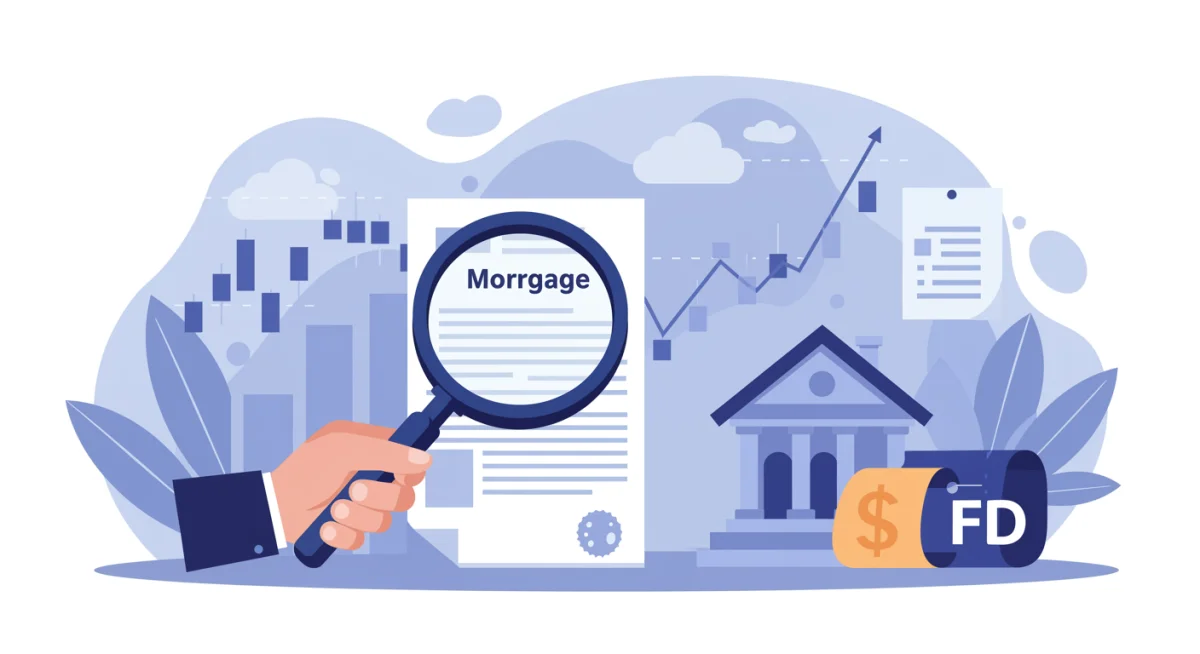
Navigating the fluctuating landscape of mortgage rates, especially with an uncertain Federal Reserve rate outlook for 2025, requires a proactive and informed approach. Both current homeowners and those looking to buy can implement various strategies to mitigate risks and capitalize on potential opportunities.
For prospective buyers, preparation is key. This includes strengthening your credit score, saving for a larger down payment, and getting pre-approved for a mortgage. Pre-approval not only gives you a clear understanding of what you can afford but also locks in a rate for a certain period, protecting you from short-term rate increases.
Effective Strategies for Homeowners and Buyers
For Prospective Buyers:
- Improve Credit Score: A higher credit score can qualify you for better interest rates, regardless of the overall market trend.
- Save a Larger Down Payment: A substantial down payment reduces the loan amount, thereby minimizing the impact of higher interest rates on your monthly payments.
- Explore Different Loan Products: Consider FHA, VA, or USDA loans if eligible, as they might offer more favorable terms, or evaluate ARMs if you anticipate rates dropping in the future and plan to move or refinance before the adjustment period.
For Current Homeowners:
- Monitor Refinance Opportunities: Keep an eye on market trends. If rates drop significantly, refinancing could save you a considerable amount over the life of your loan.
- Consider a Fixed-Rate Conversion: If you have an ARM and rates are projected to rise, converting to a fixed-rate mortgage could provide payment stability.
- Make Extra Principal Payments: Even small additional payments can reduce the total interest paid and shorten the loan term, providing a buffer against future rate increases.
Furthermore, staying connected with a trusted mortgage broker or financial advisor can provide personalized guidance. These professionals can offer insights tailored to your specific financial situation and help you understand the nuances of the market. Being prepared and adaptable will be crucial in ensuring that the Federal Reserve rate outlook for 2025 works in your favor, or at least minimizes any adverse effects on your mortgage.
Long-Term Economic Projections and Housing Market Stability
Beyond the immediate implications of the Federal Reserve rate outlook for 2025, it is essential to consider the long-term economic projections and their impact on housing market stability. The Fed’s actions are not just about short-term adjustments; they aim to foster sustainable economic growth and maintain financial system stability over the long haul.
A stable housing market is a cornerstone of a healthy economy. The Fed’s monetary policy decisions, by influencing inflation and employment, indirectly affect housing demand, supply, and price appreciation. A predictable rate environment, or at least one where the Fed’s intentions are clearly communicated, helps both consumers and builders make informed decisions.
Factors Influencing Long-Term Housing Stability
- Demographic Shifts: Population growth, household formation rates, and migration patterns continue to drive housing demand in specific regions.
- Housing Supply: The pace of new home construction and the availability of existing homes significantly impact prices and affordability. Supply shortages can drive prices up, even in a higher rate environment.
- Wage Growth: Sustained wage growth is crucial for maintaining housing affordability, as it allows individuals to keep pace with rising home prices and mortgage payments.
The Fed’s efforts to control inflation are ultimately aimed at preserving purchasing power, which benefits the housing market by ensuring that home values and mortgage payments remain within reach for a broader population. While short-term rate fluctuations can create turbulence, the Fed’s long-term goal of economic stability supports a more predictable and resilient housing sector. Understanding these broader economic forces in conjunction with the specific Federal Reserve rate outlook for 2025 provides a comprehensive view of the potential future of your mortgage and real estate investments.
Preparing Your Finances for 2025 Rate Changes
As the Federal Reserve rate outlook for 2025 comes into sharper focus, proactive financial preparation becomes paramount. Taking steps now can help homeowners and prospective buyers navigate potential rate shifts with greater confidence and security. This involves more than just watching the news; it requires a personal financial audit and strategic planning.
A crucial first step is to assess your current financial health. This includes reviewing your budget, understanding your debt-to-income ratio, and evaluating your savings. Knowing your financial standing will help you determine your capacity to absorb potential increases in mortgage payments or to take advantage of refinancing opportunities.
Actionable Steps for Financial Readiness
- Review Your Budget: Identify areas where you can cut expenses or increase savings to create a buffer for potential rate increases or to accumulate a larger down payment.
- Build an Emergency Fund: Having readily accessible funds can provide a cushion if unexpected financial challenges arise, or if mortgage payments fluctuate. Aim for at least 3-6 months of living expenses.
- Pay Down High-Interest Debt: Reducing credit card debt or other high-interest loans can improve your debt-to-income ratio, making you a more attractive borrower for better mortgage terms.
- Consult a Financial Advisor: A professional can help you create a personalized financial planning that aligns with your specific goals and accounts for potential changes in the Federal Reserve rate outlook. They can also assist with stress-testing your budget against various rate scenarios.
For those considering a home purchase, getting pre-approved for a mortgage early in 2025 can lock in a rate for a period, offering protection against subsequent rate hikes. For existing homeowners, staying informed about refinancing offers and understanding the terms of your current mortgage, especially if it’s an ARM, is vital. By taking these proactive steps, you can position yourself to respond effectively to whatever the Fed’s decisions bring in 2025, ensuring your mortgage remains manageable and your financial goals stay on track.
| Key Aspect | Brief Description |
|---|---|
| Fed’s Influence | The Federal Reserve indirectly impacts mortgage rates through the federal funds rate and market sentiment. |
| Economic Indicators | Inflation, employment, and GDP growth are key data points guiding Fed’s 2025 rate decisions. |
| Mortgage Rate Scenarios | Rates could ease (soft landing), remain high (stagflation), or drop significantly (recession). |
| Financial Preparedness | Improve credit, save for down payment, and consult advisors to navigate future rate changes effectively. |
Frequently Asked Questions About 2025 Mortgage Rates
The Federal Reserve influences the federal funds rate, which in turn impacts longer-term rates like those on Treasury bonds. Mortgage rates tend to track these Treasury yields. If the Fed raises its rates, the cost of borrowing for banks increases, which usually translates to higher mortgage rates for consumers, directly impacting your monthly bill if you have an adjustable-rate mortgage.
Whether to refinance depends on your current mortgage rate, the prevailing market rates, and the Federal Reserve rate outlook. If current rates are significantly lower than yours, or if you anticipate rates will rise in 2025 and you have an ARM, refinancing might be beneficial. Consult a financial advisor to assess your specific situation and potential savings.
Key indicators to monitor include inflation data (CPI, PCE), employment reports (unemployment rate, job growth), and GDP growth. These metrics heavily influence the Federal Reserve’s decisions. Consistent signs of cooling inflation and a stable job market might lead to more favorable conditions for mortgage rates.
For first-time homebuyers, the 2025 rate outlook will directly affect affordability. Higher rates mean higher monthly payments, potentially reducing the amount of home you can afford. Lower rates, conversely, can make homeownership more accessible. It’s crucial for first-time buyers to save for a larger down payment and improve their credit score to secure the best possible rates.
ARMs can be attractive if you expect rates to fall or if you plan to move before the adjustment period. However, if the Federal Reserve rate outlook suggests rates will rise, your payments could increase significantly. They carry more risk than fixed-rate mortgages in an uncertain rate environment. Carefully weigh the pros and cons with a mortgage professional.
Conclusion
The Federal Reserve rate outlook for 2025 is undoubtedly a critical factor that will shape the mortgage landscape for millions of Americans. While predicting the future with absolute certainty is impossible, understanding the Fed’s mechanisms, analyzing key economic indicators, and preparing for various scenarios can empower homeowners and prospective buyers alike. By staying informed, strengthening personal finances, and seeking expert advice, individuals can navigate the evolving interest rate environment and make sound decisions concerning their mortgages, ensuring long-term financial stability in an ever-changing economic climate.