Unlock Peak Performance: The Power of Daily Hydration for Cognitive Function

The Undeniable Link Between Hydration and Peak Cognitive Function
In the relentless pace of modern life, where demands on our mental faculties are ever-increasing, the quest for sustained focus, sharp memory, and unwavering energy has become paramount. We often reach for caffeine, supplements, or complex biohacking strategies, yet overlook one of the most fundamental and potent tools at our disposal: water. The simple act of staying adequately hydrated, particularly by consistently drinking around 8 glasses daily, holds a profound and often underestimated power over our cognitive function. This isn’t merely about quenching thirst; it’s about fueling the intricate machinery of the brain, optimizing neural pathways, and unlocking a higher state of mental performance. Let’s delve into the science and practicalities of how daily hydration can revolutionize your cognitive output.
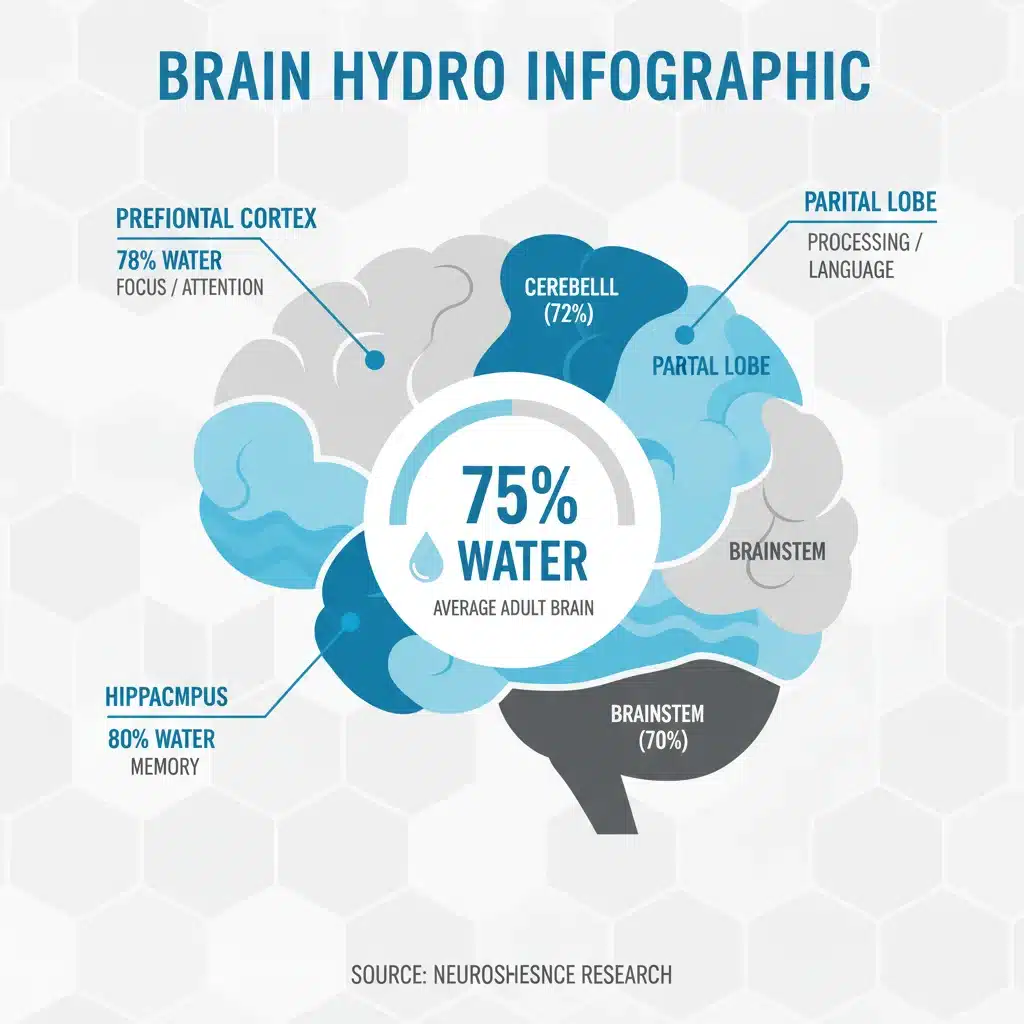
Our bodies are predominantly water, and the brain, in particular, is a highly water-dependent organ, comprising approximately 75% water. This isn’t just a passive presence; water is an active participant in virtually every brain function. From nerve signal transmission to nutrient delivery and waste removal, optimal hydration is a prerequisite for seamless cognitive operation. Even mild dehydration, often imperceptible in its early stages, can trigger a cascade of negative effects that significantly impair our ability to think, concentrate, and remember.
The Science of Hydration and Brain Health
To truly appreciate the impact of hydration on cognitive function, we must understand the underlying physiological mechanisms. Water is the primary medium for transporting essential nutrients, oxygen, and electrolytes to brain cells. It also plays a crucial role in removing metabolic waste products, which can otherwise accumulate and hinder neuronal activity. When we are dehydrated, these processes become less efficient, leading to a noticeable decline in mental acuity.
Research consistently highlights the detrimental effects of even slight dehydration:
- Reduced Cognitive Performance: Studies have shown that a fluid loss of just 1-3% of body weight can impair mood, reduce concentration, and increase the frequency of headaches. For instance, a 2012 study published in the Journal of Nutrition found that mild dehydration (around 1.5% fluid loss) in young women led to impaired mood and increased perception of task difficulty. Similar effects have been observed in men, with dehydration impacting vigilance and working memory.
- Impaired Memory and Focus: Dehydration can cause brain tissue to shrink temporarily, leading to a decrease in brain volume. While reversible, this can affect memory recall and the ability to maintain focus on complex tasks. Neurotransmitters, the chemical messengers of the brain, also rely on adequate hydration to function effectively.
- Decreased Energy Levels: The brain, despite its relatively small size, consumes a significant amount of the body’s energy. Dehydration can reduce blood flow to the brain, meaning less oxygen and glucose reach brain cells, resulting in feelings of fatigue, sluggishness, and reduced mental stamina.
- Mood Disturbances: Beyond cognitive tasks, hydration also influences mood. Dehydration has been linked to increased irritability, anxiety, and even symptoms of depression. A well-hydrated brain is better equipped to regulate emotions and maintain a stable mood.
Considering these profound effects, it becomes clear that prioritizing daily water intake isn’t just a health recommendation; it’s a strategic imperative for anyone looking to maximize their cognitive potential.
The ‘8 Glasses Daily’ Guideline: A Practical Approach
The recommendation to drink ‘8 glasses of water daily’ (approximately 2 liters or half a gallon) has been a long-standing piece of health advice. While individual needs can vary based on activity level, climate, and overall health, this guideline serves as an excellent starting point for most adults aiming for optimal hydration cognitive function. For the average individual in a temperate climate, this amount is generally sufficient to cover daily fluid losses through respiration, perspiration, and waste elimination.
However, it’s not just about the quantity; it’s also about consistency. Spreading your water intake throughout the day is far more effective than trying to chug large amounts at once. This ensures a steady supply of fluids to your brain and body, preventing fluctuations in hydration levels that can impact cognitive performance. Think of it as a continuous drip-feed of brain fuel rather than sporadic surges.
Factors Influencing Your Hydration Needs
While 8 glasses is a good benchmark, several factors might necessitate increased water intake:
- Physical Activity: Exercise increases fluid loss through sweat. Athletes or individuals with physically demanding jobs will need significantly more water.
- Climate: Hot and humid environments accelerate fluid loss, requiring higher intake to prevent dehydration.
- Diet: A diet rich in fruits and vegetables contributes to fluid intake, while a high-sodium diet can increase water requirements.
- Health Conditions: Certain medical conditions, such as fever, vomiting, diarrhea, or kidney stones, can drastically increase fluid needs. Pregnancy and breastfeeding also require higher water intake.
- Medications: Some medications can have a diuretic effect, increasing urine output and necessitating more fluid consumption.
Paying attention to your body’s signals, such as thirst and urine color (light yellow indicates good hydration, dark yellow suggests dehydration), is crucial for fine-tuning your personal hydration strategy.
Practical Strategies for Achieving Optimal Daily Hydration
Integrating consistent hydration into your daily routine doesn’t have to be a chore. With a few simple strategies, you can effortlessly meet your 8-glass goal and reap the benefits for your cognitive function.
1. Start Your Day Hydrated
Begin your morning with a large glass of water. After hours of sleep, your body is naturally dehydrated. Rehydrating immediately kick-starts your metabolism and primes your brain for the day ahead. Consider adding a squeeze of lemon for a refreshing twist and a small boost of vitamin C.
2. Keep Water Visible and Accessible
Out of sight, out of mind. Keep a reusable water bottle on your desk, in your car, or wherever you spend most of your time. Seeing it frequently will serve as a constant reminder to take sips throughout the day. Opt for a bottle that you enjoy drinking from and that holds a good volume (e.g., 24-32 oz) to minimize refills.
3. Set Reminders
In our busy lives, it’s easy to forget to drink water. Use technology to your advantage. Set hourly alarms on your phone, download a hydration tracking app, or even use a smart water bottle that reminds you to drink. These gentle nudges can be incredibly effective in building a consistent habit.
4. Incorporate Hydrating Foods
Remember that not all your fluid intake has to come from plain water. Many fruits and vegetables have high water content and contribute significantly to your daily hydration. Examples include cucumber (95% water), lettuce (96% water), watermelon (92% water), strawberries (91% water), and oranges (87% water). Incorporating these into your meals and snacks can make hydration more enjoyable.
5. Drink Before Meals
Drinking a glass of water about 30 minutes before each meal can not only aid digestion but also contribute significantly to your daily intake. It can also help with weight management by promoting a feeling of fullness, potentially reducing overall calorie consumption.
6. Flavor Your Water Naturally
If you find plain water boring, infuse it with natural flavors. Add slices of cucumber, mint leaves, berries, citrus fruits (lemon, lime, orange), or ginger. This can make drinking water a more appealing experience without adding sugar or artificial ingredients.
7. Monitor Your Urine Color
This is a simple, yet effective, self-monitoring tool. Aim for a pale yellow color, similar to lemonade. If your urine is dark yellow or amber, it’s a clear sign you need to drink more water. Clear urine, on the other hand, might indicate overhydration, though this is less common.
The Long-Term Benefits for Cognitive Longevity
While the immediate effects of hydration on cognitive function are evident, the long-term benefits are equally compelling. Consistent optimal hydration supports overall brain health, potentially contributing to cognitive longevity and reducing the risk of age-related cognitive decline.
Chronic dehydration, even mild, can lead to systemic inflammation and oxidative stress, both of which are implicated in neurodegenerative diseases. By maintaining adequate hydration, we provide our brain with the optimal environment to repair, regenerate, and resist damage. This proactive approach to brain health is an investment in our future cognitive vitality.
Hydration and Neuroplasticity
Neuroplasticity, the brain’s ability to reorganize itself by forming new neural connections throughout life, is fundamental for learning and memory. Emerging research suggests that proper hydration may play a role in supporting this crucial process. A well-hydrated brain has better blood flow and nutrient delivery, which are essential for the growth and maintenance of neural networks. This means that consistent hydration could enhance your brain’s capacity to learn new skills, adapt to new information, and maintain cognitive flexibility throughout your life.
The Gut-Brain Axis and Hydration
The gut-brain axis, a bidirectional communication system between the gastrointestinal tract and the central nervous system, is increasingly recognized for its influence on cognitive function and mood. Hydration plays a role here too. Adequate water intake is essential for a healthy digestive system, supporting the balance of gut microbiota and preventing issues like constipation. A healthy gut microbiome, in turn, has been linked to improved cognitive function, reduced anxiety, and better mood. Therefore, drinking enough water not only directly impacts your brain but also indirectly supports it through a healthy gut.
Dispelling Hydration Myths
Despite the clear benefits, several myths about hydration persist:
- Myth: You only need to drink when you’re thirsty. While thirst is a primary indicator of dehydration, it often signals that you’re already mildly dehydrated. Proactive hydration is key for optimal cognitive function.
- Myth: All fluids count equally. While some beverages like coffee and tea contain water, their diuretic effects can sometimes counteract hydration. Sugary drinks are also detrimental to overall health. Plain water, or water infused with natural ingredients, remains the gold standard.
- Myth: Drinking too much water is dangerous. While overhydration (hyponatremia) is a serious condition, it’s rare in healthy individuals with normal kidney function. It typically occurs from drinking extremely large quantities of water in a short period, often in conjunction with intense physical exertion without electrolyte replenishment. For the vast majority, aiming for 8-10 glasses daily is safe and beneficial.

Integrating Hydration into a Holistic Wellness Routine
Optimal hydration cognitive function is not a standalone practice; it’s a foundational pillar of a holistic wellness routine. When combined with other healthy habits, its impact is amplified. Consider integrating your daily 8 glasses with:
- Balanced Nutrition: A diet rich in whole foods, healthy fats, and antioxidants further supports brain health.
- Regular Exercise: Physical activity increases blood flow to the brain, promoting neurogenesis and cognitive vitality. Remember to increase water intake during and after workouts.
- Quality Sleep: Adequate sleep health allows the brain to consolidate memories and clear metabolic waste. Dehydration can disrupt sleep patterns, creating a vicious cycle.
- Stress Management: Chronic stress can impair cognitive function. Practices like mindfulness, meditation, and deep breathing can help mitigate stress, and staying hydrated can improve your body’s resilience to stress.
- Mental Stimulation: Engaging in mentally challenging activities, learning new skills, and social interaction all contribute to cognitive health.
By viewing hydration as an integral component of your overall well-being, you can create a synergistic effect that elevates all aspects of your health, particularly your cognitive capabilities.
The Future of Hydration for Higher Output
As we look towards 2026 and beyond, the understanding of hydration’s critical role in human performance, especially cognitive function, will only deepen. Advanced wearables and smart technologies are making it easier than ever to monitor personal hydration levels and receive tailored recommendations. This personalized approach will move beyond generic guidelines, offering insights into an individual’s unique physiological needs based on their activity, environment, and biomarkers.
Moreover, research into the specific mechanisms by which water influences neural networks, neurotransmitter activity, and cellular integrity will continue to uncover new facets of this fundamental relationship. We may see more targeted hydration strategies for specific cognitive enhancements, such as improving focus for demanding tasks or boosting memory recall for learning.
The takeaway remains constant: the power of water is immense. It is the most accessible and natural ‘cognitive enhancer’ available to us. Embracing a consistent habit of drinking 8 glasses daily is not just about avoiding dehydration; it’s about proactively optimizing your brain for peak performance, sustained energy, and long-term cognitive resilience.
Conclusion: Drink Your Way to a Sharper Mind
In a world that constantly demands more from our minds, ignoring the basics is a luxury we cannot afford. The evidence is clear: consistent daily hydration is a non-negotiable factor for optimal cognitive function. By committing to drinking around 8 glasses of water every day, you are making a profound investment in your focus, memory, mood, and overall brain health.
It’s a simple, cost-effective, and highly impactful habit that can unlock a significant boost in your mental performance. Start today. Keep that water bottle close. Set those reminders. Make hydration a cornerstone of your daily routine, and experience the remarkable difference it makes in your cognitive output. Your brain will thank you.