10-Minute Desk Stretch: Prevent US Workplace Aches in 2026
In the bustling landscape of the American workplace, where deadlines loom and screens glow incessantly, a silent epidemic is taking hold: chronic aches and pains. As we navigate 2026, the sedentary nature of many office jobs continues to contribute to a myriad of physical ailments, from nagging back pain and stiff necks to carpal tunnel syndrome and eye strain. The good news? You don’t need a gym membership or hours of free time to combat these issues. A simple, effective desk stretch routine can be your secret weapon.
This comprehensive guide will introduce you to a powerful 10-minute desk stretch routine specifically designed for US office workers. We’ll delve into the ‘why’ behind these aches, the ‘how’ of proper stretching, and provide actionable steps to integrate this routine seamlessly into your workday. Our goal is to empower you to prevent workplace discomfort, enhance your physical well-being, and ultimately boost your productivity and quality of life.
The Silent Epidemic: Understanding Workplace Aches in 2026
Before we dive into the solutions, it’s crucial to understand the root causes of the aches and pains prevalent in the modern American office. The human body is designed for movement, yet many of us spend eight or more hours a day relatively stationary. This prolonged inactivity, coupled with poor posture and repetitive motions, creates a perfect storm for discomfort and injury.
The Perils of Prolonged Sitting
Sitting for extended periods is often dubbed ‘the new smoking’ due to its detrimental health effects. When you sit, your hip flexors shorten, your glutes become inactive, and your core muscles weaken. This imbalance can lead to:
- Lower Back Pain: A common complaint, often exacerbated by slouching or an unsupportive chair.
- Tight Hamstrings: Prolonged sitting keeps these muscles in a shortened position.
- Weak Core: Essential for spinal support, a weak core contributes to poor posture.
Tech-Neck and Shoulder Strain
The ubiquity of computers and smartphones has given rise to ‘tech-neck’ or ‘text neck’ – a condition caused by constantly looking down at screens. This forward head posture puts immense strain on the cervical spine and surrounding muscles, leading to:
- Neck Pain and Stiffness: Often radiating into the shoulders and upper back.
- Headaches: Tension headaches are frequently linked to neck and shoulder tension.
- Rounded Shoulders: A common postural deviation that can restrict breathing and exacerbate pain.
Repetitive Strain Injuries (RSIs)
Typing, clicking, and repetitive mouse movements, though seemingly innocuous, can lead to serious conditions over time. Carpal tunnel syndrome, tendinitis, and cubital tunnel syndrome are just a few examples of RSIs that can severely impact productivity and quality of life.
The Mental Toll
Beyond the physical discomfort, chronic pain can significantly impact mental well-being. Increased stress, reduced concentration, and even symptoms of anxiety and depression can arise from persistent physical discomfort. A regular desk stretch routine can offer a much-needed mental break, reducing stress and improving focus.
The Power of a 10-Minute Desk Stretch Routine
Integrating a short, targeted desk stretch routine into your workday can dramatically mitigate these risks. Just 10 minutes, broken up throughout the day or done all at once, can make a profound difference. These stretches are designed to counteract the effects of prolonged sitting and repetitive tasks, promoting better circulation, flexibility, and muscle balance.
Benefits Beyond Pain Prevention
While pain prevention is a primary goal, the advantages of a consistent desk stretch routine extend much further:
- Improved Posture: By lengthening tight muscles and activating weak ones, stretching helps realign your body.
- Increased Blood Flow: Movement gets blood circulating, delivering oxygen and nutrients to muscles and brain.
- Reduced Stress and Anxiety: Stretching can be a meditative practice, offering a mental reset.
- Enhanced Focus and Productivity: A refreshed body and mind are more efficient.
- Greater Flexibility and Range of Motion: Essential for overall physical health and injury prevention.
- Boosted Energy Levels: Combat that afternoon slump with a quick stretch session.
Your 10-Minute Desk Stretch Routine: Step-by-Step for US Office Workers
This routine is designed to be performed at your desk, requiring minimal space and no special equipment. Listen to your body and never push into pain. Aim for a gentle pull or tension, holding each stretch for 15-30 seconds.
Phase 1: Neck and Shoulders (2-3 minutes)
1. Neck Tilts
How to: Sit tall with shoulders relaxed. Gently tilt your right ear towards your right shoulder. You should feel a stretch on the left side of your neck. Hold, then repeat on the other side. For a deeper stretch, gently place your hand on your head to assist.
Why it helps: Relieves tension from looking at screens, combats ‘tech-neck’.

2. Chin Tucks
How to: Sit or stand tall. Gently pull your chin straight back, as if making a double chin. Keep your gaze forward. You should feel a stretch at the base of your skull. Release and repeat.
Why it helps: Strengthens deep neck flexors and improves forward head posture.
3. Shoulder Rolls
How to: Sit or stand tall. Roll your shoulders up towards your ears, then back and down in a circular motion. Repeat 5-10 times forward, then 5-10 times backward.
Why it helps: Loosens tight shoulders and improves circulation.
4. Upper Trapezius Stretch
How to: Sit tall. Place your right hand under your left thigh (or hold the bottom of your chair) to anchor your left shoulder down. Gently tilt your head to the right, bringing your right ear towards your right shoulder. You should feel a stretch along the left side of your neck and shoulder. Repeat on the other side.
Why it helps: Targets the muscles often responsible for tension headaches and upper back pain.
Phase 2: Arms, Wrists, and Hands (2-3 minutes)
1. Wrist Flexor Stretch
How to: Extend one arm straight out in front of you, palm up. With your other hand, gently pull your fingers down towards your body. You should feel a stretch along the inside of your forearm. Hold, then repeat on the other arm.
Why it helps: Counteracts the effects of typing and mouse use, preventing carpal tunnel symptoms.
2. Wrist Extensor Stretch
How to: Extend one arm straight out in front of you, palm down. With your other hand, gently pull your fingers down towards your body. You should feel a stretch along the top of your forearm. Hold, then repeat on the other arm.
Why it helps: Balances the muscles in the forearm, crucial for preventing RSIs.
3. Finger Stretches
How to: Gently pull each finger back, one at a time, to stretch the joints. Then, make a fist and gently squeeze, followed by spreading your fingers wide.
Why it helps: Improves dexterity and reduces stiffness in the hands and fingers.
Phase 3: Torso and Back (3-4 minutes)
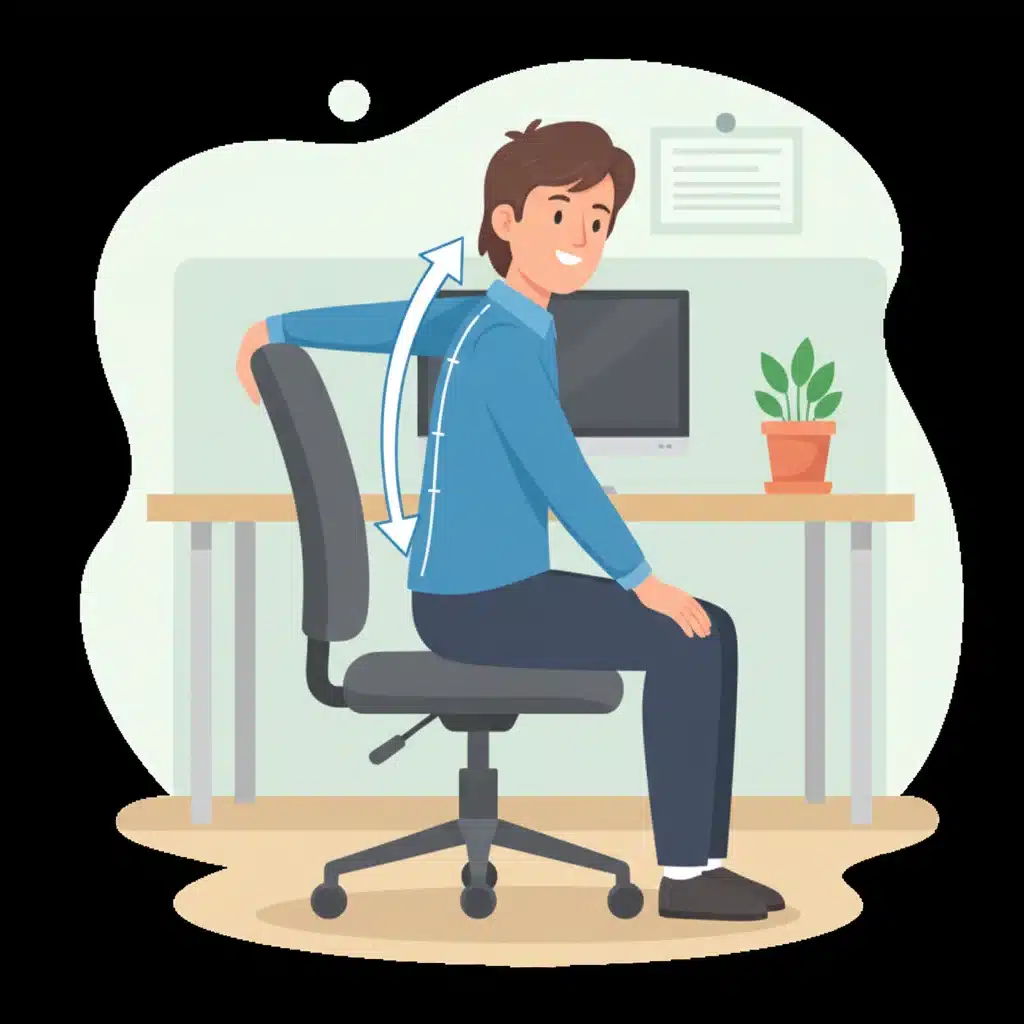
1. Seated Spinal Twist
How to: Sit tall with both feet flat on the floor. Twist your torso to the right, placing your right hand on the back of your chair and your left hand on your right knee. Look gently over your right shoulder. Hold, then repeat on the other side.
Why it helps: Improves spinal mobility, stretches the back and obliques, and can relieve lower back stiffness.
2. Seated Cat-Cow
How to: Sit tall with hands on your knees. For ‘cat,’ round your spine, tuck your chin to your chest, and pull your belly button towards your spine. For ‘cow,’ arch your back, lift your chest, and gently look up. Flow between these two movements with your breath.
Why it helps: Mobilizes the entire spine, improving flexibility and alleviating back pain.
3. Chest Opener
How to: Sit at the edge of your chair. Clasp your hands behind your back, or grab opposite elbows if clasping is difficult. Gently lift your arms away from your body, opening your chest and pulling your shoulder blades together. Look slightly upwards. If standing, you can use a doorway for a deeper stretch.
Why it helps: Counteracts rounded shoulders and improves posture, allowing for deeper breathing.
Phase 4: Hips and Legs (1-2 minutes)
1. Seated Figure-Four Stretch
How to: Sit tall. Place your right ankle on your left knee, forming a ‘figure four’ with your legs. Gently lean forward from your hips, keeping your back straight, until you feel a stretch in your right hip and glute. Hold, then repeat on the other side.
Why it helps: Stretches the hip rotators and glutes, which can become tight from prolonged sitting and contribute to lower back pain.
2. Standing Calf Stretch
How to: Stand facing a wall or desk. Place your hands on the wall for support. Step one foot back, keeping your heel on the ground and your leg straight. Lean forward until you feel a stretch in your calf. Hold, then repeat on the other side. (If you prefer to remain seated, gently pull your toes towards you with a resistance band or towel.)
Why it helps: Stretches the calf muscles, which can become tight from lack of movement, improving circulation in the lower legs.
Integrating Your Desk Stretch Routine into the Workday
Consistency is key to reaping the full benefits of this desk stretch routine. Here are some strategies to make it a regular part of your 2026 work life:
Schedule It Like a Meeting
Block out 10 minutes in your calendar, perhaps in the mid-morning or mid-afternoon, specifically for your desk stretch routine. Treat it as a non-negotiable appointment with your well-being.
Break It Up
You don’t have to do all 10 minutes at once. Break it into two 5-minute sessions or even five 2-minute micro-breaks. For example, do neck and shoulder stretches in the morning, and back and hip stretches in the afternoon.
Use Reminders
Set a timer on your phone or computer to remind you to stand up, move, and stretch every hour. Even a 30-second stand and stretch can make a difference.
Lead by Example (or Join a Movement)
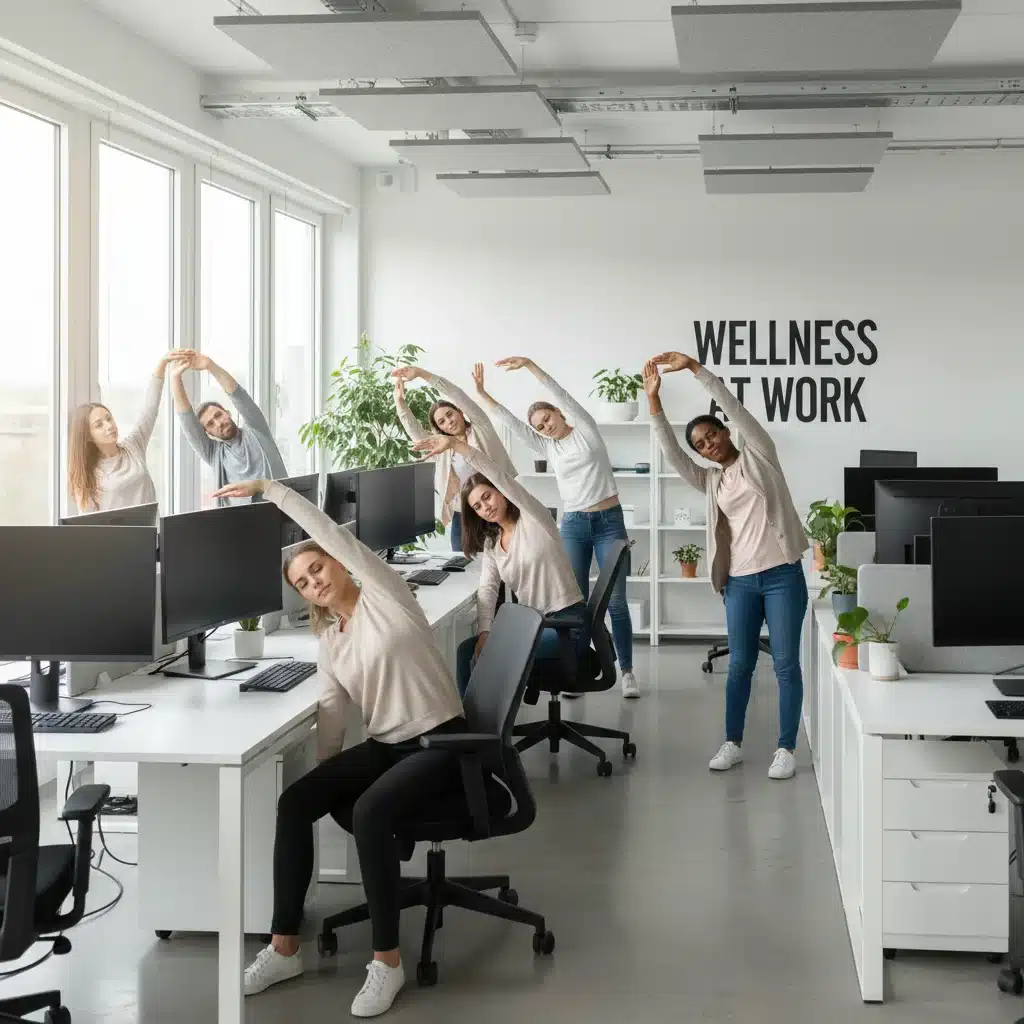
Encourage your colleagues to join you. A group desk stretch routine can foster a sense of community and make it more enjoyable and sustainable. Many US companies are now promoting workplace wellness programs that include such activities.
Listen to Your Body
Some days you might feel more stiff than others. Adjust your routine accordingly. Focus on the areas that feel most tight or painful. Never force a stretch; it should feel like a gentle elongation, not sharp pain.
Beyond Stretching: Holistic Workplace Wellness for 2026
While a regular desk stretch routine is incredibly beneficial, it’s part of a larger picture of holistic workplace wellness. Consider these additional tips for a healthier 2026:
Ergonomic Setup
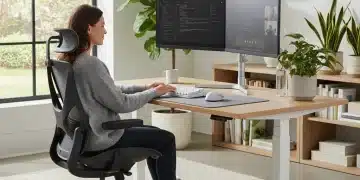
Invest in an ergonomic chair, adjust your monitor height (top of the screen at eye level), and ensure your keyboard and mouse are positioned to keep your wrists neutral. A standing desk can also be a game-changer.
Hydration
Keep a water bottle at your desk and sip throughout the day. Dehydration can contribute to muscle cramps and fatigue.
Regular Movement Breaks
Beyond stretching, take short walks. Go to the water cooler, visit a colleague instead of emailing, or take the stairs. Every bit of movement counts.
Mindful Breaks
Step away from your screen during lunch. Engage in a non-work-related activity, even if it’s just looking out a window or listening to music. This helps reduce mental fatigue and eye strain.
Adequate Sleep
Quality sleep is foundational for physical recovery and mental sharpness. Aim for 7-9 hours per night.
Nutrition
Fuel your body with nutrient-dense foods. Avoid excessive sugar and processed foods that can lead to energy crashes and inflammation.
The Future of Workplace Wellness in the US
As we move further into 2026, the emphasis on employee well-being is growing. Forward-thinking US companies are recognizing that a healthy workforce is a productive workforce. Implementing simple, accessible strategies like a desk stretch routine is a low-cost, high-impact way to support employees.
This isn’t just about preventing individual aches; it’s about fostering a culture of health and proactive self-care. Employers who champion such initiatives often see reduced absenteeism, higher morale, and improved retention rates. For the individual, it means a more comfortable, energized, and fulfilling work experience.
Common Misconceptions About Workplace Stretching
Despite the clear benefits, some common myths or misunderstandings can prevent people from adopting a regular desk stretch routine. Let’s debunk a few:
Misconception 1: Stretching Takes Too Much Time
Reality: As demonstrated, our effective desk stretch routine is just 10 minutes. This small investment yields significant returns in terms of comfort, focus, and long-term health. Think of it as a micro-break that recharges you, rather than an interruption.
Misconception 2: Stretching is Only for Athletes
Reality: While athletes certainly benefit from stretching, it’s crucial for everyone, especially those with sedentary lifestyles. Desk workers are particularly prone to muscle imbalances and stiffness that stretching directly addresses. Preventing injury and maintaining range of motion is important for daily activities, not just sports.
Misconception 3: You Have to Be Flexible to Stretch
Reality: Flexibility is a result of stretching, not a prerequisite. Everyone starts somewhere. The goal isn’t to touch your toes on day one, but to gradually improve your range of motion and alleviate tightness. Consistency is far more important than initial flexibility levels.
Misconception 4: Stretching Can Be Done Anytime, Anyhow
Reality: While informal movement is good, a structured desk stretch routine with proper form is more effective and safer. Knowing which muscles you’re targeting and how to stretch them correctly prevents injury and maximizes benefits. Always listen to your body and avoid bouncing or pushing into pain.
Making Your Desk Stretch Routine a Habit
Building a new habit takes effort, but the rewards for incorporating a desk stretch routine are immense. Here are some habit-forming tips:
- Start Small: Don’t try to do the entire 10-minute routine perfectly on day one. Begin with 2-3 stretches you find most beneficial and gradually add more.
- Pair It: Link your stretching to an existing habit. For instance, ‘After I finish my first cup of coffee, I’ll do my neck stretches’ or ‘Before I check my email after lunch, I’ll do my spinal twists.’
- Visual Cues: Place a sticky note on your monitor with a reminder, or print out a small graphic of the stretches to keep nearby.
- Track Your Progress: Use a simple journal or app to note when you stretched and how you felt afterward. Seeing your progress can be highly motivating.
- Reward Yourself: Acknowledge your consistency. It could be a small treat, a few minutes of guilt-free browsing, or simply the feeling of reduced tension.
The Long-Term Impact: A Healthier You in 2026 and Beyond
Embracing a regular desk stretch routine isn’t just about short-term relief; it’s an investment in your long-term health and well-being. By proactively addressing the physical demands of office work, you can significantly reduce your risk of chronic pain, improve your physical capabilities, and maintain a higher quality of life as you age.
Imagine navigating 2026 feeling more energized, focused, and free from the constant distractions of a stiff neck or aching back. This isn’t a pipe dream; it’s an achievable reality with consistent effort and the simple, yet powerful, practice of stretching at your desk.
Conclusion: Stretch Your Way to a Better Workday
The modern American workplace, while offering countless opportunities, also presents unique challenges to our physical health. Chronic aches and pains from prolonged sitting and repetitive tasks are a growing concern. However, the solution doesn’t have to be complex or time-consuming. A dedicated 10-minute desk stretch routine can be your most valuable tool in preventing these issues and fostering a healthier, more productive work environment in 2026 and beyond.
By incorporating these simple yet effective stretches into your daily routine, you’ll not only alleviate existing discomfort but also build resilience against future aches. Prioritize your well-being, encourage your colleagues, and transform your workday from one of stiffness and strain to one of comfort, energy, and enhanced focus. Your body, and your productivity, will thank you.