2026 US Automotive Market: Supply Chain Impacts on New Vehicle Inventory
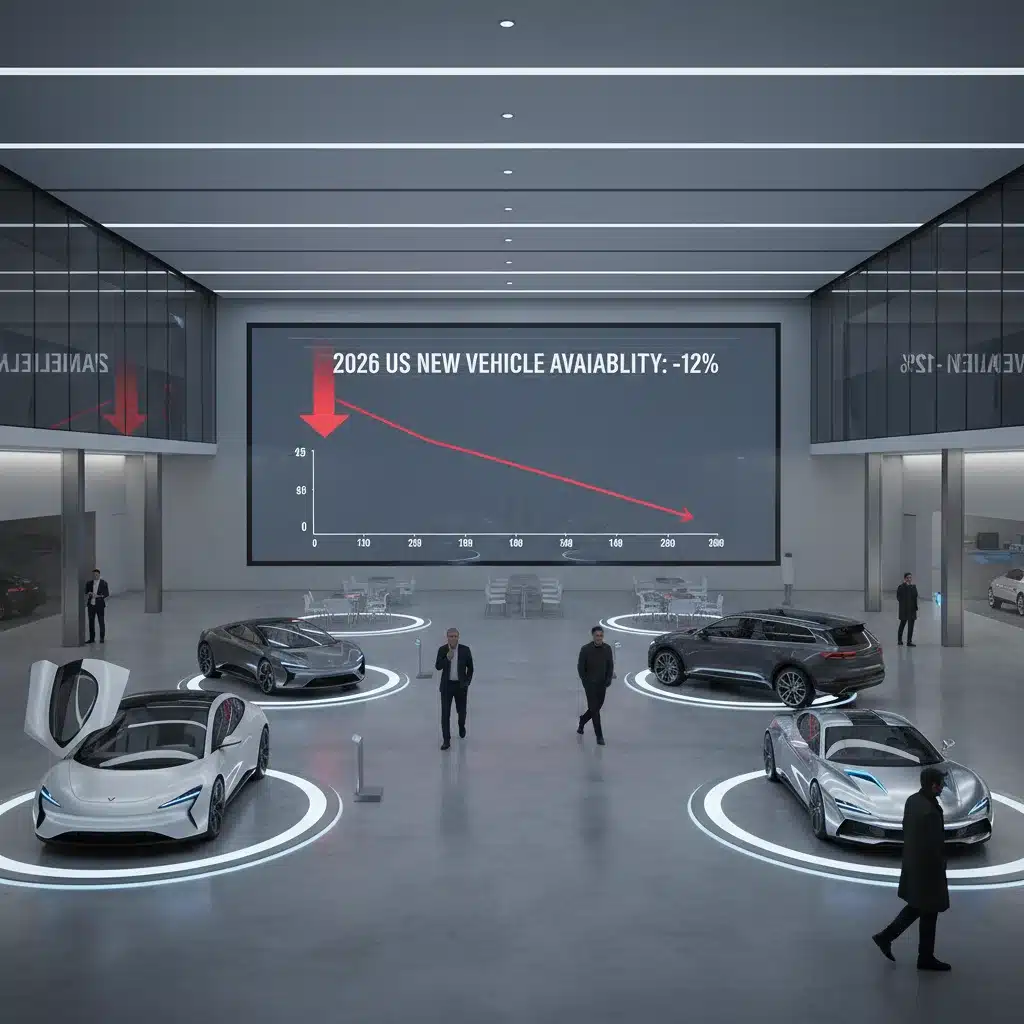
The 2026 US Automotive Market: How Supply Chain Adjustments are Affecting a 12% Drop in New Vehicle Inventory
The United States automotive market is a dynamic and ever-evolving landscape, constantly shaped by technological advancements, consumer preferences, and global economic forces. As we look ahead to 2026, a significant trend is emerging that warrants close attention: a projected 12% drop in new vehicle inventory. This isn’t merely a statistical blip; it’s a profound shift driven primarily by ongoing supply chain adjustments that began during the tumultuous years of the pandemic and continue to recalibrate the industry. Understanding the nuances of this decline in 2026 automotive inventory is crucial for manufacturers, dealerships, and consumers alike. This article will delve deep into the causes, explore the multifaceted impacts, and offer insights into how stakeholders can navigate this challenging environment.
Understanding the Core Issue: A 12% Decline in 2026 Automotive Inventory
The forecast of a 12% reduction in new vehicle inventory for the 2026 US automotive market signals a period of continued scarcity. This figure, while an aggregate, reflects a complex interplay of factors that have been simmering for years. Historically, the automotive industry operated on a just-in-time (JIT) inventory model, which prioritized efficiency and minimized holding costs. However, the vulnerabilities of this model were brutally exposed during the COVID-19 pandemic, leading to widespread disruptions. The subsequent efforts to de-risk supply chains and build resilience are now manifesting in lower, but arguably more stable, inventory levels. This shift is not a temporary anomaly but rather a structural adjustment that will redefine how vehicles are produced, distributed, and sold.
The 12% decline is not uniform across all segments or brands. Luxury vehicles, electric vehicles (EVs), and certain high-demand models may experience even steeper drops, while some segments might see more moderate reductions. This disparity will create a highly competitive environment, where consumers might face longer waiting times and fewer choices, potentially leading to increased prices. For manufacturers, it means a continued focus on optimizing production schedules, managing component availability, and strategically allocating their limited output to maximize profitability and market share. The concept of abundant choice in a dealership lot may become a relic of the past, at least for the foreseeable future, as the industry adapts to a new normal of leaner 2026 automotive inventory.
Primary Drivers Behind the Supply Chain Adjustments
The reasons for this significant drop in 2026 automotive inventory are multi-layered, stemming from a confluence of global events and strategic industry responses. Pinpointing these drivers is essential for comprehending the current state and future trajectory of the market.
Semiconductor Shortages: The Lingering Ghost
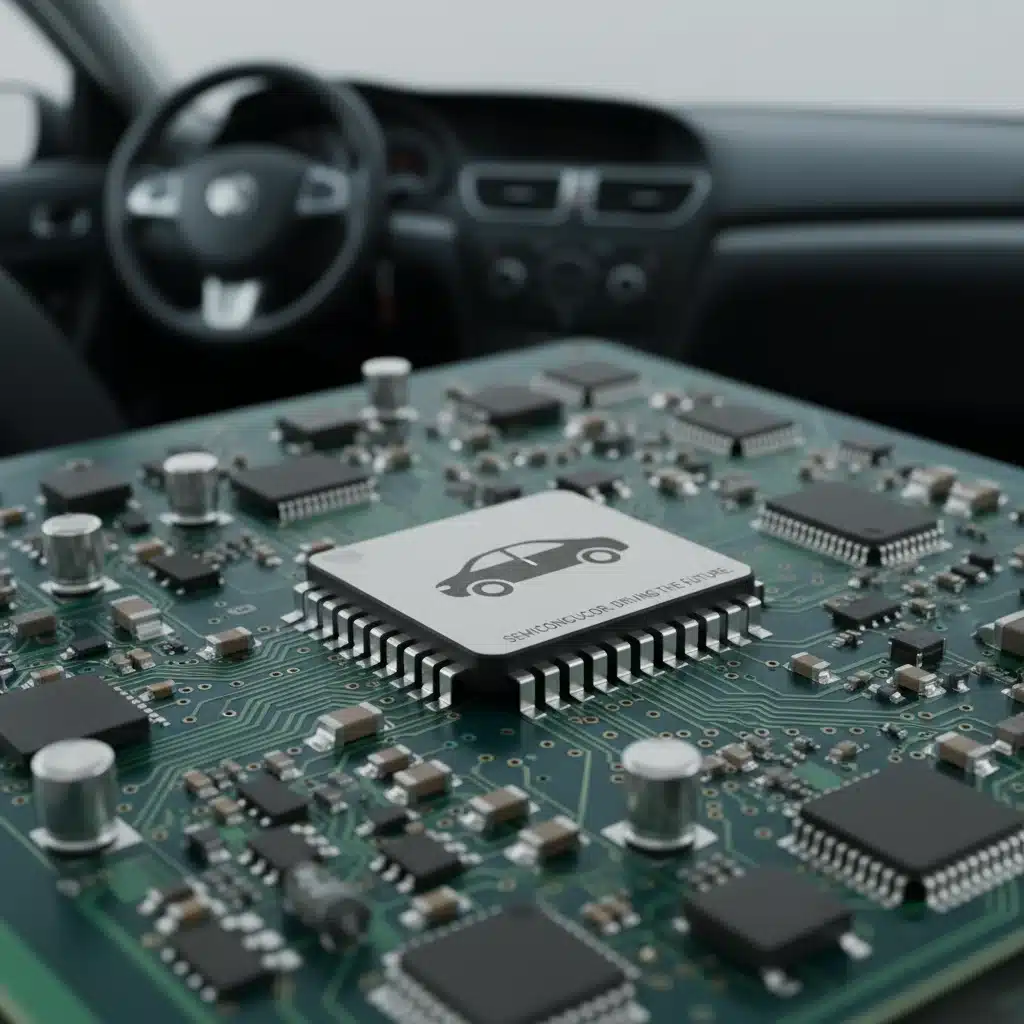
Perhaps the most prominent and persistent issue has been the global semiconductor shortage. Modern vehicles are essentially computers on wheels, relying heavily on thousands of microchips for everything from engine management to infotainment systems and advanced driver-assistance systems (ADAS). The pandemic-induced surge in demand for consumer electronics, coupled with production disruptions in chip factories, diverted critical semiconductor supply away from the automotive sector. While the worst of the chip crisis may be behind us, the ripple effects continue. Automakers are still contending with longer lead times for specific chips, and the industry is collectively re-evaluating its reliance on a limited number of suppliers. Investments in new fabrication plants are underway, but these are long-term solutions that won’t fully alleviate the pressure on 2026 automotive inventory.
Geopolitical Tensions and Trade Policies
Geopolitical tensions, particularly between major economic powers, have also played a substantial role. Trade disputes, tariffs, and the push for domestic production have complicated global supply chains. Countries are increasingly seeking to secure critical resources and manufacturing capabilities within their borders or from trusted allies, leading to a fragmentation of the global production network. This ‘de-globalization’ or ‘re-shoring’ trend, while aimed at enhancing national security and economic resilience, inherently introduces inefficiencies and raises costs, impacting the flow of components and finished vehicles. For the 2026 automotive inventory, this means a more localized, but potentially less efficient, supply network.
Labor Shortages and Logistics Challenges
The automotive supply chain is not just about parts; it’s also about people and movement. Labor shortages across various sectors, from manufacturing plant workers to truck drivers and port staff, have created bottlenecks. The ‘Great Resignation’ and demographic shifts have left many industries scrambling for skilled labor, directly affecting production capacity and logistical efficiency. Furthermore, challenges in global shipping, including port congestion, container availability, and rising freight costs, continue to add complexity and delays. These logistical hurdles mean that even when components are available, getting them to the right place at the right time remains a significant challenge, contributing to the reduced 2026 automotive inventory.
Raw Material Volatility and Sustainability Goals
The prices and availability of critical raw materials, such as lithium, cobalt, nickel (essential for EV batteries), steel, and aluminum, have been highly volatile. Supply chain disruptions, coupled with increased demand for sustainable practices and ethical sourcing, have put immense pressure on manufacturers. Companies are investing in circular economy initiatives and exploring new mining technologies, but these transitions are slow and costly. The push for sustainability, while laudable, also adds layers of complexity to the supply chain, as companies seek to ensure their materials are sourced responsibly, further influencing production capabilities and ultimately, the 2026 automotive inventory.
Impacts on the 2026 US Automotive Market
A 12% drop in new vehicle inventory will have far-reaching consequences across the entire automotive ecosystem, affecting manufacturers, dealerships, and consumers in distinct ways.
For Manufacturers: Strategic Re-evaluation and Production Optimization
Automakers are being forced to fundamentally rethink their production strategies. The emphasis is shifting from maximizing volume to optimizing profitability per unit. This means prioritizing higher-margin vehicles, investing in flexible manufacturing processes, and strengthening relationships with key suppliers. Many are moving towards regionalized supply chains to reduce reliance on distant and potentially unstable sources. The lower 2026 automotive inventory will also accelerate the adoption of build-to-order models, where vehicles are produced based on specific customer orders rather than speculative production for dealership lots. This reduces waste and inventory holding costs but requires more sophisticated production planning and customer communication.
For Dealerships: Adapting to a Leaner Sales Model
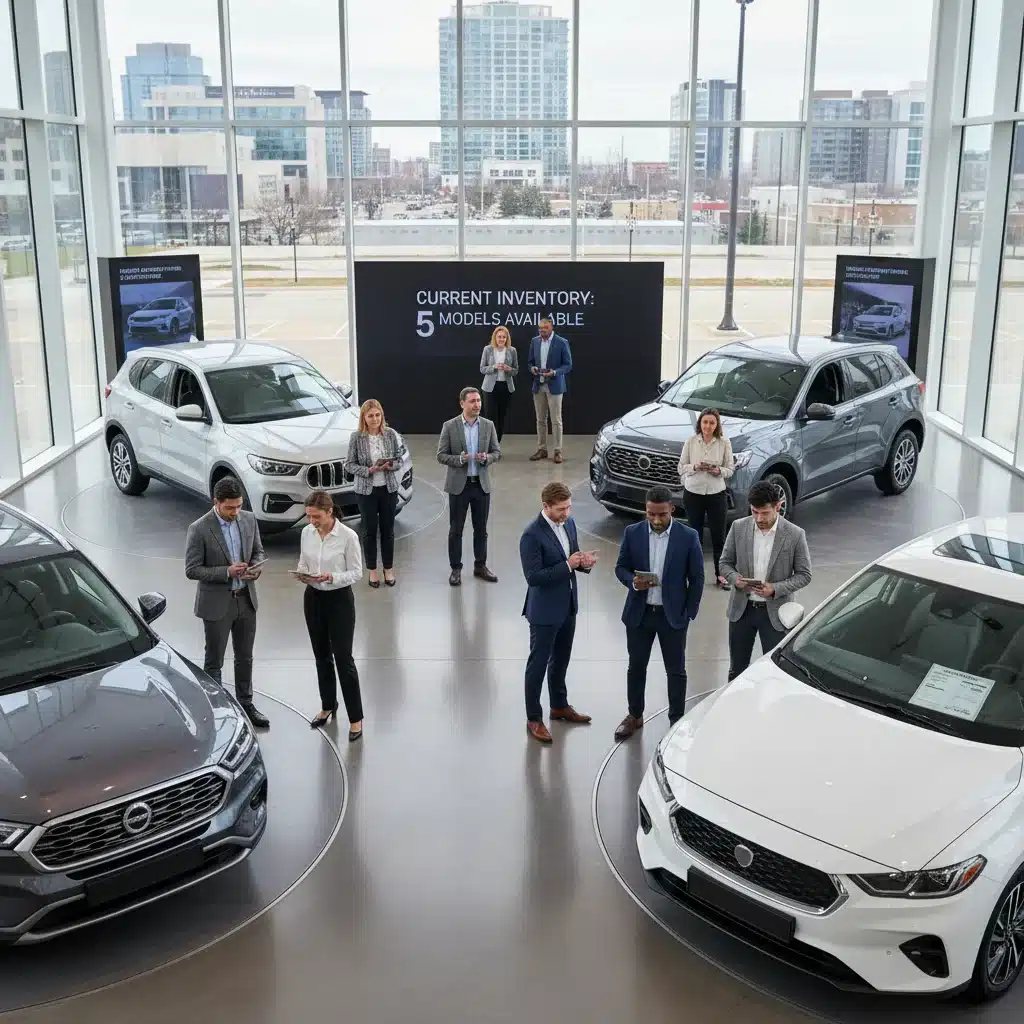
Dealerships will be at the forefront of managing this inventory crunch. The traditional model of sprawling lots filled with hundreds of vehicles for immediate purchase is becoming less common. Instead, dealerships will need to excel at managing customer expectations, facilitating pre-orders, and providing exceptional service throughout the longer waiting periods. Their role will evolve from simply selling cars to becoming trusted advisors who guide customers through a more constrained purchasing process. This also means a greater reliance on digital sales tools, virtual showrooms, and personalized customer experiences to compensate for the physical absence of immediate inventory. The pressure on sales staff to close deals quickly might lessen, replaced by a need for patience and detailed product knowledge to educate customers about future arrivals and customization options for their 2026 automotive inventory choices.
For Consumers: Higher Prices, Fewer Choices, Longer Waits
Consumers will likely bear the brunt of the reduced 2026 automotive inventory. The basic economic principle of supply and demand dictates that scarcity drives up prices. We can expect continued elevated vehicle prices, potentially with fewer incentives and discounts. The ability to negotiate significant price reductions may become a thing of the past for many models. Furthermore, the variety of choices available on a dealer lot will be significantly diminished, pushing more buyers towards custom orders and longer waiting times. This could lead to a shift in consumer behavior, with some opting to keep their current vehicles longer, exploring the used car market, or considering alternative transportation solutions. The purchasing journey for a new vehicle will require more planning and patience than ever before.
Strategies for Navigating the Lean Inventory Environment
Given the anticipated 12% drop in 2026 automotive inventory, all stakeholders must develop robust strategies to thrive in this new market reality.
For Manufacturers: Building Resilient Supply Chains
- Diversification: Moving away from single-source suppliers to a more diversified network, including regional and local options, to mitigate risks.
- Transparency and Collaboration: Enhancing visibility across the entire supply chain through data analytics and fostering deeper collaboration with suppliers to proactively identify and address potential bottlenecks.
- Strategic Stockpiling: For critical components, a strategic move away from pure JIT to a ‘just-in-case’ approach, involving modest stockpiling of essential parts.
- Vertical Integration: Investing in or acquiring key component manufacturers, especially for semiconductors and battery materials, to gain greater control over supply.
- Flexible Manufacturing: Designing production lines that can quickly adapt to changes in demand or component availability, allowing for easier switching between models or configurations.
For Dealerships: Enhancing Customer Experience and Operational Efficiency
- Digital Transformation: Investing heavily in online platforms for vehicle configuration, virtual test drives, and transparent pricing to streamline the pre-order process.
- Communication is Key: Proactive and transparent communication with customers about order status, expected delivery times, and any potential delays.
- Focus on Service and Aftermarket: With fewer new car sales, dealerships can bolster revenue by emphasizing maintenance, repairs, parts, and accessories.
- Optimized Inventory Management: Utilizing advanced analytics to forecast demand more accurately and manage limited allocations effectively, ensuring the right models are ordered.
- Used Car Market Focus: Strengthening their used car operations to capitalize on increased demand from consumers unable or unwilling to wait for new vehicles.
For Consumers: Informed Decisions and Patience
- Plan Ahead: Start the car-buying process much earlier than traditionally, especially if you have specific model or feature requirements.
- Be Flexible: Be open to different models, trim levels, or even colors if your first choice isn’t readily available.
- Consider Pre-Ordering: This may be the most reliable way to secure a new vehicle with your desired specifications.
- Research Thoroughly: Understand market prices and be wary of excessive markups. Compare financing options carefully.
- Explore the Used Market: The used car market will likely offer more immediate availability and potentially better value, though prices may also be elevated.
- Maintain Current Vehicle: Investing in the maintenance of your existing car might be a more cost-effective solution in the short term.
The Role of Technology and Innovation
Technology will play a pivotal role in shaping the future of 2026 automotive inventory. Advanced data analytics and artificial intelligence (AI) are becoming indispensable tools for forecasting demand, optimizing production schedules, and managing complex supply chains. Predictive analytics can help identify potential disruptions before they occur, allowing manufacturers to take proactive measures. Blockchain technology could enhance transparency and traceability within the supply chain, ensuring ethical sourcing and reducing fraud.
Furthermore, the ongoing shift towards electric vehicles (EVs) introduces both opportunities and challenges. While EVs have fewer moving parts, they rely heavily on battery technology and rare earth minerals, creating new dependencies and potential points of vulnerability in the supply chain. The development of more robust and localized EV battery production facilities will be critical to stabilizing future inventory levels. Autonomous driving technologies, while not directly impacting inventory numbers, will influence the types of components required and the complexity of vehicle manufacturing, further intertwining technology with supply chain resilience.
Long-Term Outlook and Adaptations for 2026 Automotive Inventory
The 12% drop in 2026 automotive inventory is not an isolated event but rather a symptom of a broader industrial transformation. The automotive sector is moving towards a more resilient, albeit leaner, operational model. While the immediate future presents challenges, these adjustments are also fostering innovation and pushing the industry towards greater efficiency and sustainability.
In the long term, we can expect a more integrated approach to vehicle production and distribution. Manufacturers will likely maintain closer ties with their tier-1, tier-2, and even tier-3 suppliers, moving away from purely transactional relationships to more strategic partnerships. The emphasis on regional manufacturing hubs will continue, potentially reducing the industry’s exposure to distant geopolitical risks and logistical bottlenecks. For consumers, the expectation of immediate gratification when buying a new car may gradually fade, replaced by a more considered and planned purchasing process, similar to how luxury goods or custom-built items are acquired.
Ultimately, the 2026 US automotive market will be characterized by a new equilibrium – one where inventory levels are lower, but perhaps more aligned with actual demand, reducing waste and overproduction. The industry’s ability to adapt, innovate, and communicate effectively with its customer base will determine its success in this evolving landscape. The current challenges are not insurmountable; they are catalysts for a more robust and sustainable automotive future, even with a projected 12% reduction in 2026 automotive inventory.