Boost Home Value 5%: Smart Tech Investments with High ROI for 2026
Boost Home Value 5%: Smart Tech Investments with High ROI for 2026
In today’s dynamic real estate market, homeowners are constantly seeking innovative ways to enhance their property’s appeal and, more importantly, its market value. While traditional renovations like kitchen and bathroom remodels remain popular, a new frontier of value addition has emerged: smart home technology. Investing in smart home solutions isn’t just about convenience; it’s a strategic move that can significantly increase your home’s worth. Our focus today is on how you can leverage smart home technology to achieve a remarkable 5% or more increase in your home’s value by 2026, ensuring a high return on investment (ROI).
The concept of a ‘smart home’ has evolved beyond mere novelty. It now encompasses a sophisticated ecosystem of interconnected devices that enhance security, energy efficiency, comfort, and entertainment. Prospective buyers are increasingly looking for homes that offer these modern conveniences, making smart home features a powerful differentiator in a competitive market. This article will delve into specific smart home value investments that promise substantial returns, guiding you through the landscape of future-proof home upgrades.
Understanding the Smart Home Value Proposition
Before diving into specific technologies, it’s crucial to understand why smart home features add value. The primary drivers are enhanced safety and security, improved energy efficiency, and unparalleled convenience. These benefits resonate deeply with modern homebuyers, who are often willing to pay a premium for a home that offers a superior lifestyle and lower operational costs.
The Evolving Homebuyer Expectation
Today’s homebuyers, particularly millennials and Gen Z, grew up in a technologically advanced world. They expect their homes to reflect this. A home equipped with smart technology is perceived as modern, efficient, and well-maintained. This perception directly translates into higher perceived value and, consequently, a higher selling price. A recent study by Coldwell Banker found that 71% of buyers would prefer a move-in ready home, and smart home technology is increasingly becoming part of that ‘ready’ definition.
Quantifying the ROI of Smart Home Value
While a 5% increase in home value might seem ambitious, strategic smart home investments can indeed yield such results. The key is to focus on technologies that offer tangible benefits and have broad appeal. We’re not talking about obscure gadgets, but rather mainstream, reliable systems that solve real-world problems for homeowners. Energy-saving devices, robust security systems, and integrated control hubs are at the forefront of this value proposition.
Top Smart Home Investments for Maximum ROI by 2026
To achieve our target of a 5% home value increase, let’s explore the most impactful smart home value investments. These are categorized by their primary benefit and their potential for ROI.
1. Smart Thermostats and Energy Management Systems
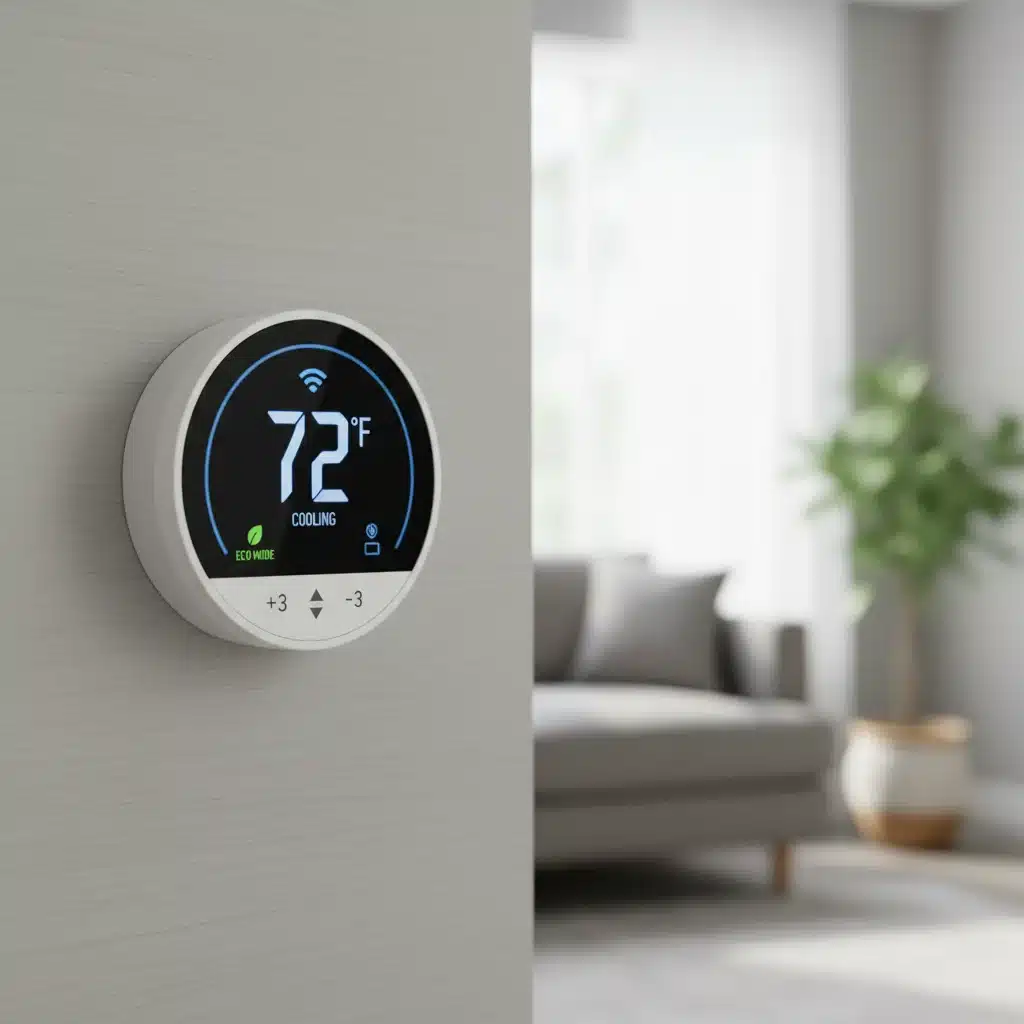
Energy efficiency is a cornerstone of modern home value. Smart thermostats, such as Nest or Ecobee, learn your habits and adjust temperatures automatically, leading to significant energy savings. They can be controlled remotely, allowing you to optimize climate control even when you’re away. Beyond thermostats, integrated energy management systems can monitor and control various appliances, providing detailed insights into energy consumption.
Why they deliver high ROI: Lower utility bills are a perpetual selling point. Prospective buyers are highly attuned to the cost of home ownership, and demonstrable energy savings make a home significantly more attractive. The installation cost is relatively low compared to the long-term savings and the boost in perceived value. Moreover, these systems contribute to a home’s ‘green’ appeal, which is increasingly important to environmentally conscious buyers.
Estimated Impact on Home Value: 1-2% increase directly attributable to energy savings and modern appeal.
2. Advanced Smart Security Systems
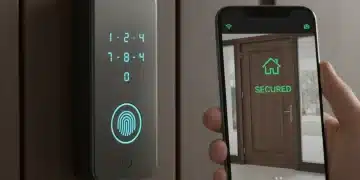
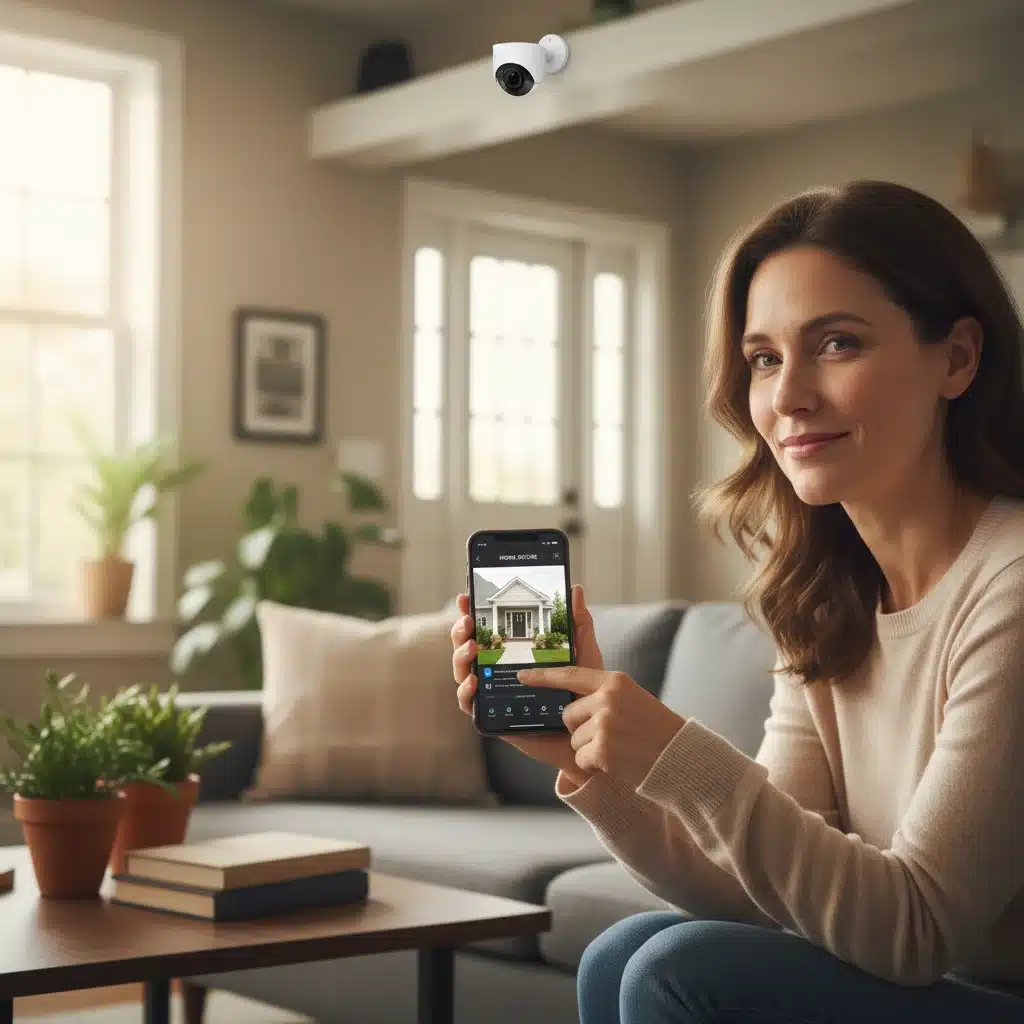
Home security has always been a top priority for homeowners, and smart security systems elevate this to a new level. These systems often include smart locks, video doorbells, indoor/outdoor cameras, motion sensors, and professional monitoring, all controllable from a smartphone or central hub. Features like remote access, real-time alerts, and recorded footage offer unparalleled peace of mind.
Why they deliver high ROI: Safety and security are non-negotiable for most homebuyers. A pre-installed, state-of-the-art security system saves them the hassle and expense of setting one up themselves. The perceived value of a secure home is immense, often outweighing the initial investment. Furthermore, some insurance providers offer discounts for homes with advanced security systems, adding another layer of financial benefit.
Estimated Impact on Home Value: 1.5-2.5% increase due to enhanced safety and convenience.
3. Smart Lighting Systems
Smart lighting goes beyond simple on/off control. It allows for dimming, color changes, scheduling, and even integration with other smart devices to create custom scenes. Think Philips Hue or Lutron Caseta. These systems can enhance ambiance, improve security by simulating occupancy, and contribute to energy savings through efficient LED technology and automation.
Why they deliver high ROI: While perhaps not as critical as security or energy, smart lighting adds a significant ‘wow’ factor and convenience. It showcases a modern, sophisticated home. The ability to control lighting from anywhere, set moods, and conserve energy appeals to a wide range of buyers. It’s a relatively affordable upgrade that has a disproportionately positive impact on a home’s perceived modernity and luxury.
Estimated Impact on Home Value: 0.5-1% increase, primarily in aesthetic appeal and convenience.
4. Smart Home Hubs and Voice Assistants
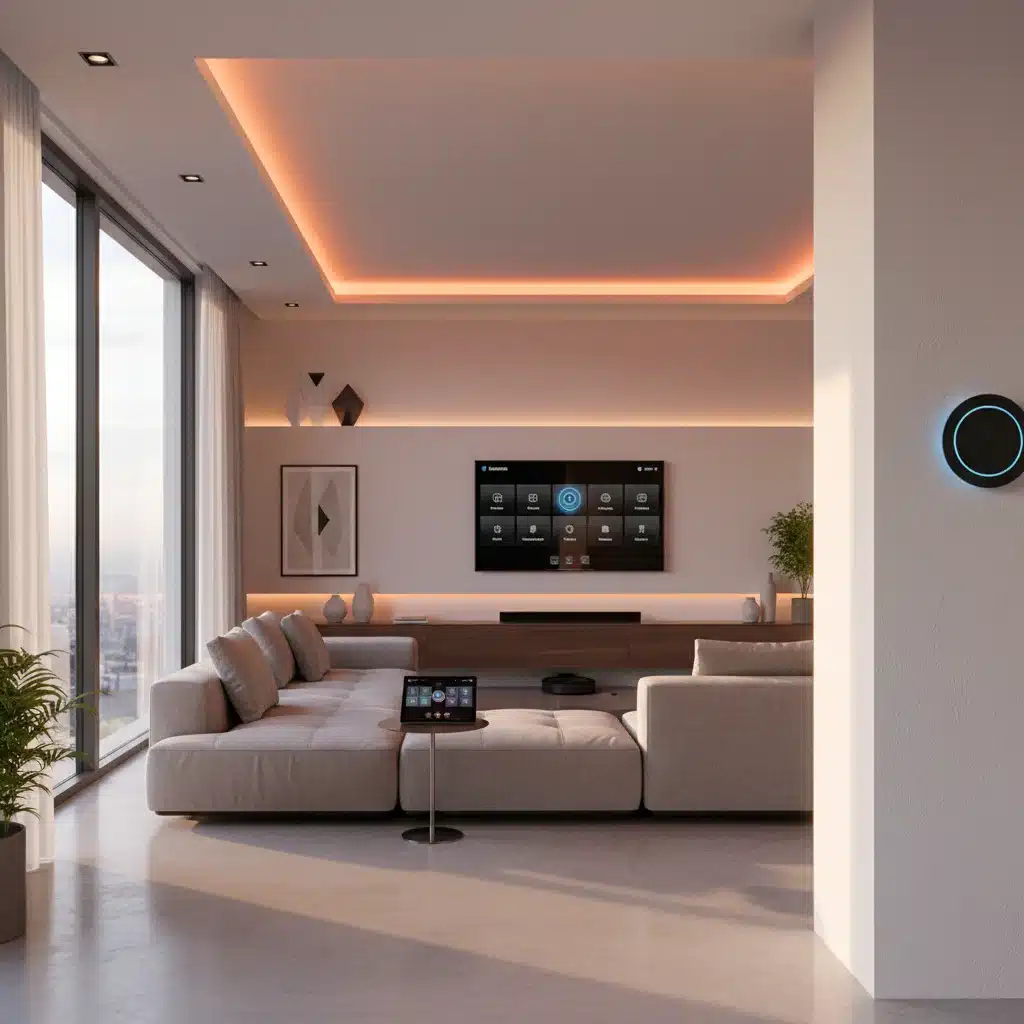
The true power of a smart home lies in its integration. Smart home hubs (like Amazon Echo, Google Home, or Samsung SmartThings) act as the central nervous system, allowing all your smart devices to communicate and be controlled from a single interface or via voice commands. This seamless integration is what transforms a collection of smart gadgets into a cohesive smart home value proposition.
Why they deliver high ROI: A fully integrated smart home is far more appealing than one with disparate devices. Buyers appreciate the simplicity and convenience of controlling everything from one place. It demonstrates that the home is truly ‘smart’ and not just equipped with a few smart devices. This integration showcases the full potential of smart home living, making the property highly desirable.
Estimated Impact on Home Value: 0.5-1% increase, mainly through enhanced convenience and demonstrating a truly integrated smart home.
5. Smart Appliances (Strategic Selection)
While upgrading all appliances to smart versions might be cost-prohibitive, strategic selection can add significant smart home value. Smart refrigerators with internal cameras, smart ovens with remote preheating, or smart washing machines that optimize cycles can be attractive features. The key is to choose appliances that offer genuinely useful features that simplify daily life.
Why they deliver high ROI: Modern, smart appliances contribute to a luxurious and convenient living experience. For buyers, it means less to worry about in terms of immediate upgrades. The novelty and utility of features like remote diagnostics or automatic reordering of groceries can be strong selling points, especially in higher-end properties.
Estimated Impact on Home Value: 0.5-1% increase, particularly for key kitchen or laundry appliances.
Strategies for Maximizing Your Smart Home Value ROI
Simply installing smart devices isn’t enough; you need a strategy to maximize their impact on your home’s value. Consider these approaches:
Integration and Compatibility are Key
Ensure your chosen smart devices are compatible and can be integrated into a cohesive system. A fragmented smart home with devices from different ecosystems that don’t communicate well will detract from the overall smart home value. Opt for devices that support common protocols like Zigbee, Z-Wave, or Wi-Fi, and can be controlled through a central hub or voice assistant.
Highlight Energy Savings and Security Features
When it comes time to sell, clearly articulate the financial benefits of your smart home. Provide data on energy savings from your smart thermostat. Emphasize the peace of mind offered by your security system. These tangible benefits are powerful selling points that directly contribute to the perceived smart home value.
Professional Installation and Documentation
While some smart devices are DIY-friendly, consider professional installation for complex systems like integrated security or whole-home automation. This ensures optimal performance and a clean, professional look. Furthermore, keep all documentation, manuals, and warranty information organized. A buyer will appreciate having all the necessary information about the installed systems, adding to their confidence in the purchase.
Focus on Core Areas First
Prioritize smart home investments in high-traffic areas and those with the most impact. The entryway (smart locks, video doorbell), living room (smart lighting, entertainment), and climate control are excellent starting points. These are the areas where potential buyers will immediately notice and appreciate the smart home value.
Stay Updated (Within Reason)
Technology evolves rapidly. While you don’t need to upgrade every year, keeping your core smart home systems reasonably current will ensure they remain attractive to buyers. Focus on systems that offer software updates and have a track record of reliability and innovation.
The Future of Smart Home Value: Trends for 2026 and Beyond
Looking ahead to 2026, several trends will further solidify the link between smart home technology and property value:
Increased AI Integration
Artificial intelligence will become even more embedded in smart home systems, leading to more predictive and proactive automation. Imagine a home that anticipates your needs based on your schedule, local weather, and even your mood. This level of personalized comfort will be a significant driver of smart home value.
Enhanced Health and Wellness Features
Smart home technology is expanding into health and wellness. Air quality monitors, smart lighting that adjusts to circadian rhythms, and even smart beds that track sleep patterns will become more common. Homes that actively contribute to the well-being of their occupants will command a premium.
Sustainability and Net-Zero Homes
As environmental concerns grow, smart homes will play a crucial role in achieving sustainability goals. Integration with solar panels, smart battery storage, and advanced energy management will lead to net-zero or even energy-positive homes. These features will be highly desirable and will significantly boost smart home value.
Seamless Connectivity (5G and Beyond)
Faster and more reliable internet connectivity, driven by 5G and future technologies, will enable even more sophisticated smart home systems. This will facilitate instant communication between devices, support more data-intensive applications (like high-resolution video security), and allow for robust cloud-based services, enhancing the overall smart home experience and its perceived value.
Cybersecurity as a Selling Point
With more devices connected, cybersecurity for smart homes will become paramount. Homes with built-in, robust cybersecurity measures to protect personal data and prevent hacking will be highly valued. Manufacturers and homeowners will need to prioritize secure smart home ecosystems.
Common Pitfalls to Avoid
While the potential for smart home value increase is significant, there are pitfalls to avoid:
Over-Personalization
Avoid highly personalized or niche smart home gadgets that might not appeal to a broad range of buyers. Focus on universally beneficial features.
Proprietary Systems
Be wary of systems that lock you into a single brand or ecosystem. Opt for open standards and devices that offer broad compatibility to ensure flexibility and future-proofing.
Ignoring Basic Maintenance
No amount of smart tech can compensate for a poorly maintained home. Ensure your foundational home systems (roof, HVAC, plumbing) are in excellent condition.
Lack of User-Friendliness
A smart home should simplify, not complicate. If your system is too complex or difficult to use, it will detract from its value rather than add to it.
Conclusion: Smart Home Value – A Future-Proof Investment
Investing in smart home technology is no longer a luxury; it’s a strategic imperative for homeowners looking to maximize their property’s value. By focusing on high-ROI upgrades like smart thermostats, advanced security systems, smart lighting, and integrated hubs, you can realistically aim for a 5% or more increase in your home’s worth by 2026. These enhancements not only improve your daily living experience but also position your home as modern, efficient, and desirable in the eyes of future buyers.
As technology continues to advance, the smart home value proposition will only grow stronger. By making informed choices today, you’re not just upgrading your house; you’re future-proofing your investment and ensuring a significant return. Embrace the smart home revolution, and watch your property’s value soar.
Ready to explore smart home solutions that truly deliver? Consult with a smart home expert to tailor a plan that fits your budget and maximizes your home’s potential. The future of home value is smart, and the time to invest is now.