Smart Irrigation Systems: Cut Water Use by 25% for US Homes
Water Conservation at Home: Smart Irrigation Systems Reducing Usage by 25% for US Households
In an era where environmental consciousness is no longer a luxury but a necessity, every drop of water saved contributes significantly to a sustainable future. For homeowners across the United States, one of the most substantial areas of water consumption is outdoor landscaping. Traditional irrigation methods often lead to excessive water usage due to inefficient scheduling, overwatering, and a lack of responsiveness to real-time weather conditions. This is where the revolutionary smart irrigation systems come into play, offering a powerful solution to reduce water usage by an impressive 25% or more for US households.
Imagine an irrigation system that knows precisely when and how much to water your lawn and garden, adapting to changing weather, soil conditions, and plant needs. This isn’t science fiction; it’s the reality of smart irrigation technology. By embracing these innovative systems, homeowners can not only contribute to vital water conservation efforts but also enjoy healthier landscapes and significant savings on their utility bills.
Understanding the Need for Water Conservation
Water scarcity is a growing concern globally, and the United States is no exception. Droughts in various regions, particularly in the West and Southwest, highlight the urgent need for more efficient water management practices. Residential outdoor water use accounts for a substantial portion of total household water consumption, often exceeding 50% in arid climates. Much of this water is wasted due to outdated irrigation practices.
Conventional sprinkler systems operate on fixed schedules, watering regardless of whether it rained yesterday, if the soil is already saturated, or if the plants are dormant. This indiscriminate watering not only wastes a precious resource but can also harm your landscape by promoting shallow root growth, fungal diseases, and nutrient runoff. The environmental impact is compounded by the energy required to treat and deliver this wasted water.
The average American household uses approximately 300 gallons of water per day, with a significant portion dedicated to outdoor landscaping. Reducing this outdoor water consumption by 25% through the implementation of smart irrigation systems translates to hundreds, if not thousands, of gallons saved annually per household. This collective effort can have a monumental impact on local water supplies and ecosystems.
What Are Smart Irrigation Systems?
At its core, a smart irrigation system is an advanced watering solution that automates and optimizes your landscape’s watering schedule based on real-time data. Unlike traditional timers, these systems don’t just turn on and off at predetermined times. Instead, they leverage sophisticated technology to determine the precise amount of water your plants need, and when they need it.
There are generally two main types of smart irrigation controllers:
- Weather-Based Controllers: These systems use local weather data, often pulled from nearby weather stations or even on-site sensors, to adjust watering schedules. They account for factors like rainfall, temperature, humidity, and solar radiation (evapotranspiration) to calculate how much water has been lost from the soil and how much needs to be replenished.
- Soil Moisture Sensor-Based Controllers: These systems utilize sensors placed directly in the soil to measure the moisture content at the root zone. When the soil moisture drops below a predefined threshold, the system initiates a watering cycle. Once adequate moisture is detected, watering stops.
Many modern smart irrigation systems combine aspects of both technologies, offering a hybrid approach for even greater precision and efficiency. They are often Wi-Fi enabled, allowing homeowners to monitor and control their systems remotely via smartphone apps or web interfaces, providing unparalleled convenience and control.
The Technology Behind Smart Irrigation
The intelligence of smart irrigation systems lies in their ability to gather and process data. Let’s delve deeper into the key technological components:
Evapotranspiration (ET) Controllers
ET controllers are a cornerstone of weather-based smart irrigation. Evapotranspiration is the process by which water is transferred from the land to the atmosphere by evaporation from the soil and other surfaces and by transpiration from plants. These controllers use complex algorithms that factor in:
- Temperature: Higher temperatures increase evaporation.
- Humidity: Lower humidity leads to more evaporation.
- Solar Radiation: Sunlight provides energy for evaporation.
- Wind Speed: Wind increases the rate of evaporation.
- Rainfall: Direct replenishment of soil moisture.
By continuously monitoring these parameters, ET controllers can calculate the daily water loss from your landscape and adjust the watering duration and frequency accordingly. This ensures that your plants receive exactly what they need, no more, no less.
Soil Moisture Sensors
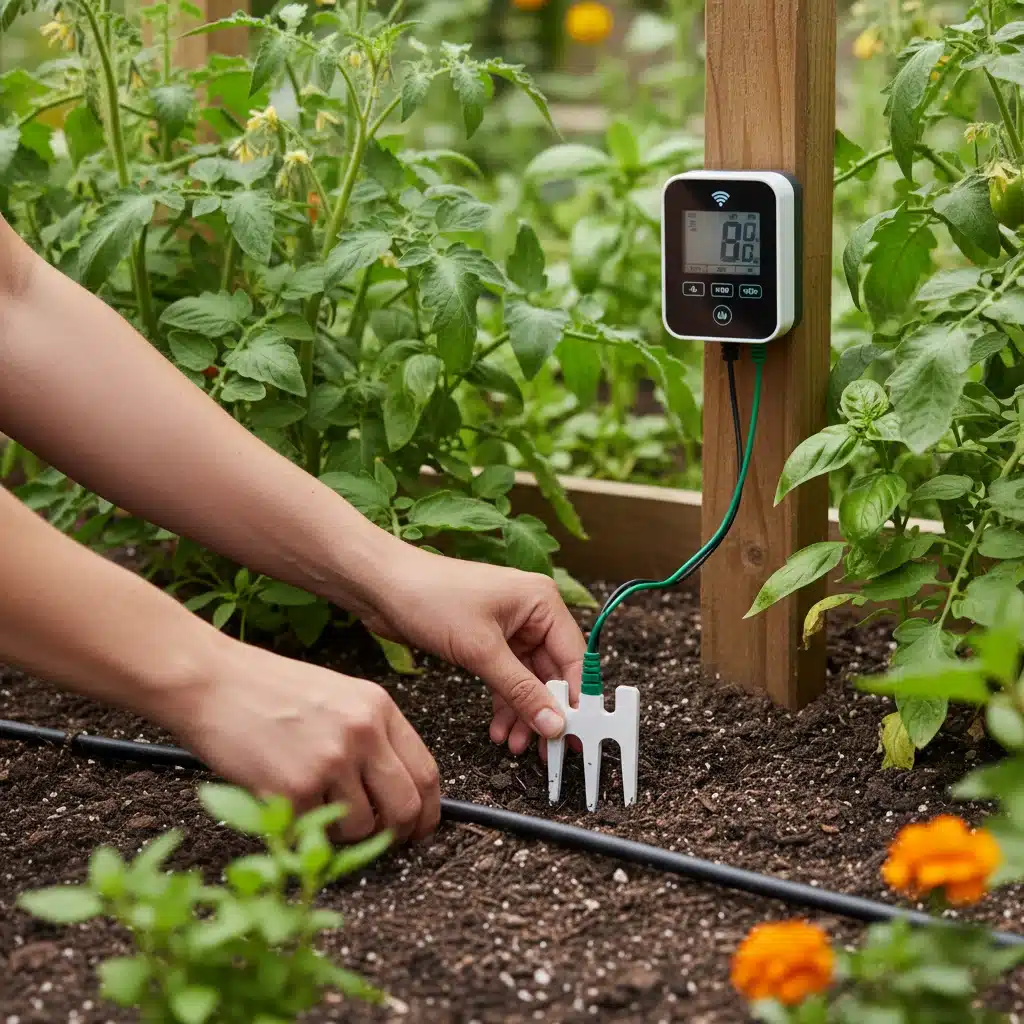
Soil moisture sensors are another critical component, providing direct feedback from the root zone. These sensors measure the volumetric water content in the soil and communicate this data to the irrigation controller. There are various types of soil moisture sensors, including:
- Capacitance Sensors: Measure the dielectric permittivity of the soil, which is strongly dependent on water content.
- Resistance Sensors: Measure the electrical resistance of the soil, which decreases as water content increases.
When the soil moisture level drops below a user-defined threshold, the sensor triggers the irrigation system. Once the soil reaches optimal saturation, the sensor signals the system to shut off, preventing overwatering and runoff. This direct measurement approach is incredibly effective for precise watering.
Connectivity and User Interface
Modern smart irrigation systems are typically connected to the internet via Wi-Fi. This connectivity allows for:
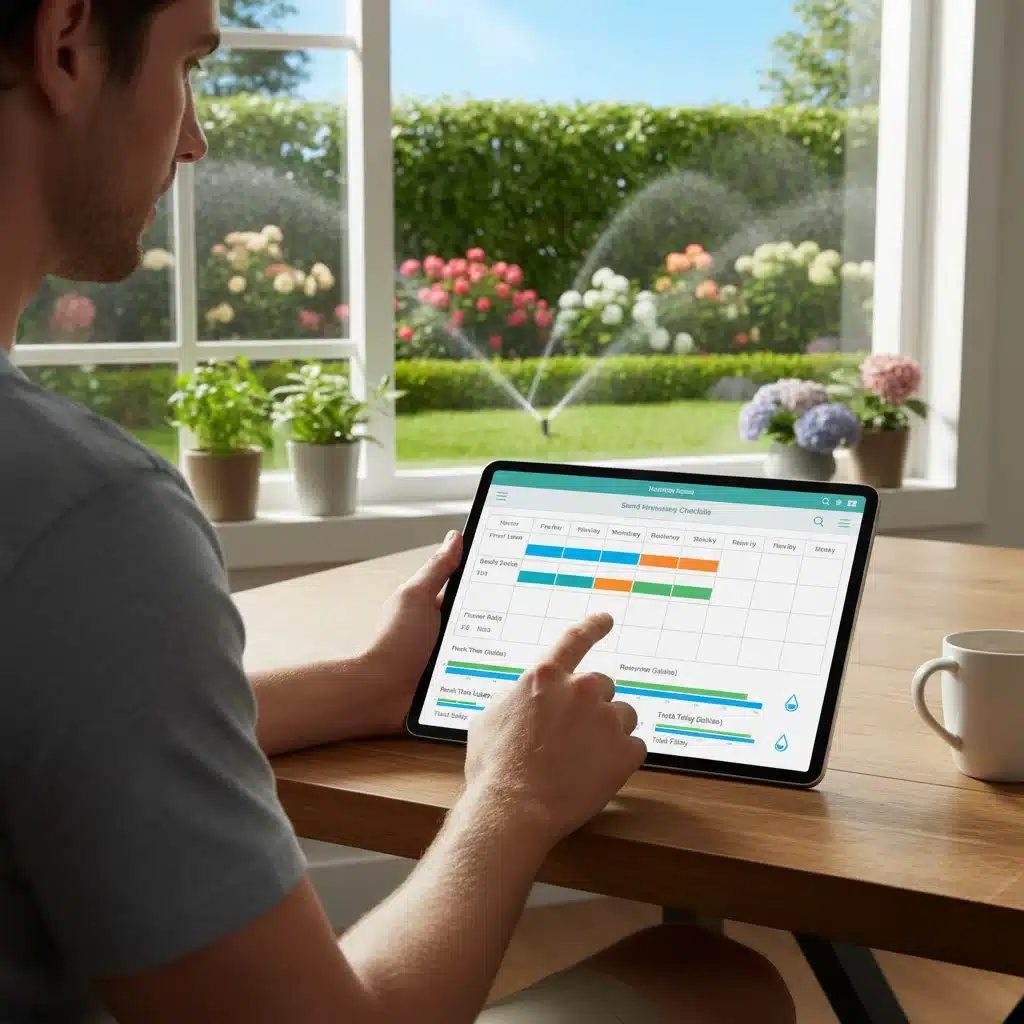
- Remote Control: Manage your irrigation system from anywhere using a smartphone, tablet, or computer.
- Real-time Data: Access reports on water usage, system status, and watering schedules.
- Automatic Updates: Receive firmware updates and weather data seamlessly.
- Integration: Many systems can integrate with other smart home platforms, offering a cohesive smart home experience.
The user interfaces are designed to be intuitive, allowing homeowners to easily customize zones, set plant types, and fine-tune settings for optimal performance.
The Unmistakable Benefits of Smart Irrigation Systems
The adoption of smart irrigation technology brings a multitude of advantages for US households, extending beyond just water savings.
1. Significant Water Savings (Up to 25% or More)
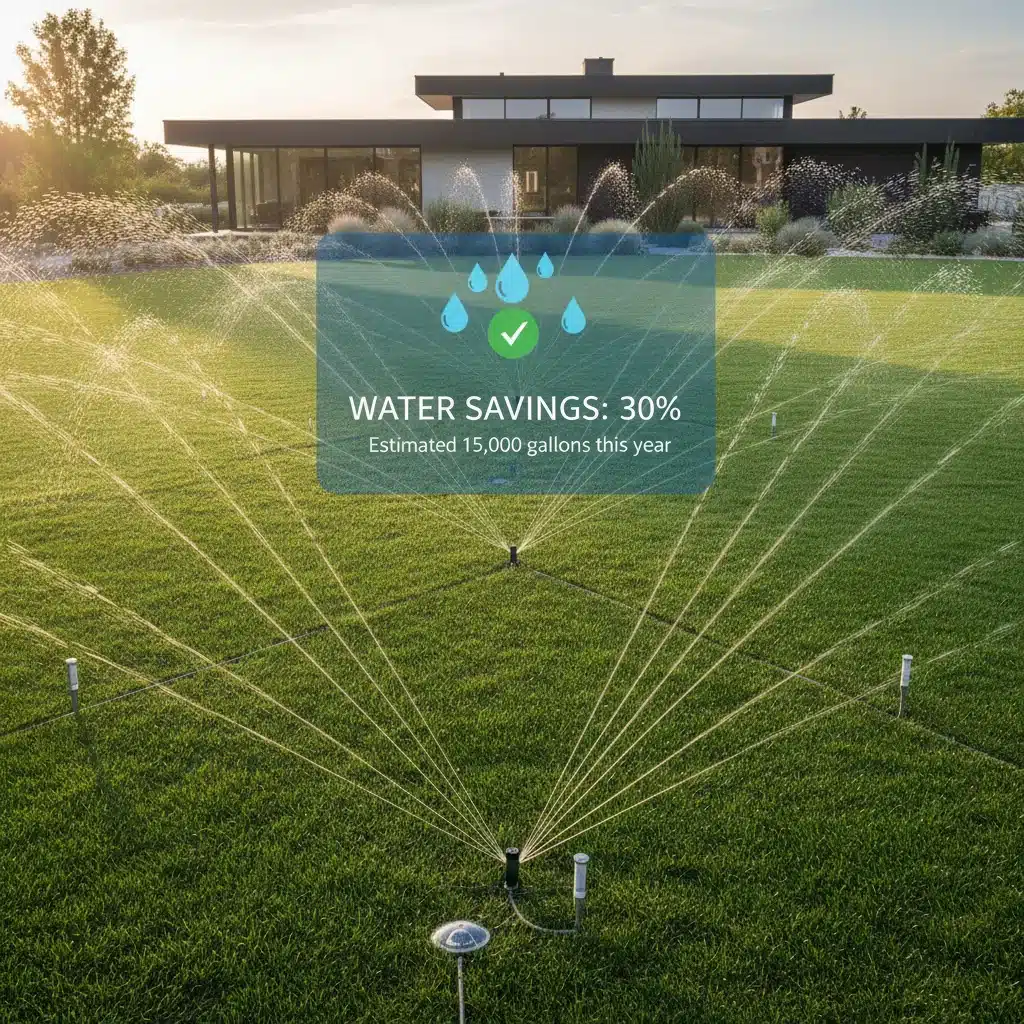
This is the primary and most compelling benefit. By eliminating unnecessary watering and tailoring schedules to actual plant needs and environmental conditions, smart irrigation systems can reduce outdoor water consumption by an average of 25%, with some users reporting even higher savings. This directly translates to less strain on local water resources and a smaller environmental footprint.
2. Lower Water Bills
Reduced water usage directly corresponds to lower monthly utility bills. Over time, the savings on your water bill can offset the initial investment in a smart irrigation system, making it a financially sound decision for many homeowners. In areas with tiered water pricing, the savings can be even more substantial as you avoid higher-cost usage tiers.
3. Healthier, More Vibrant Landscapes
Overwatering is just as detrimental as underwatering. Smart irrigation systems ensure your plants receive the right amount of water at the right time, promoting deeper root growth, stronger plant health, and increased resistance to pests and diseases. Your lawn will be greener, your flowers more vibrant, and your garden more productive.
4. Convenience and Automation
Gone are the days of manually adjusting sprinkler timers or rushing outside to turn off the system when it starts raining. Smart systems handle all the adjustments automatically, providing peace of mind. Remote access via smartphone apps means you can manage your irrigation from vacation or your office, making adjustments or pausing watering with ease.
5. Environmental Stewardship
By actively conserving water, you’re playing a crucial role in protecting local ecosystems, reducing energy consumption associated with water treatment and delivery, and mitigating the impacts of drought. This commitment to sustainability enhances the value of your property and contributes to a healthier planet.
6. Compliance with Water Restrictions
Many municipalities implement water restrictions during dry periods. Smart irrigation systems can be configured to comply with these restrictions automatically, preventing fines and ensuring you’re always within local guidelines. Some systems even receive updates on local watering mandates.
Choosing the Right Smart Irrigation System for Your Home
With a growing market of smart irrigation solutions, selecting the best system can seem daunting. Consider the following factors:
System Type (Weather-Based vs. Soil Moisture)
Decide whether a weather-based controller, a soil moisture sensor-based system, or a hybrid approach best suits your needs and local climate. Weather-based systems are often easier to install for existing setups, while soil moisture sensors offer hyper-local precision.
Number of Zones
Count the number of independent watering zones your current irrigation system has. Ensure the smart controller you choose has enough zones to manage your entire landscape efficiently. Some systems offer expansion modules for additional zones.
Compatibility
Check for compatibility with your existing sprinkler valves and plumbing. Most smart controllers are designed to work with standard 24V AC solenoid valves, but it’s always good to confirm.
Features and Connectivity
Look for features like Wi-Fi connectivity, a user-friendly mobile app, integration with smart home platforms (e.g., Google Home, Amazon Alexa), flow sensing capabilities, and advanced scheduling options. Consider if you need hyper-local weather data or if a broader regional forecast is sufficient.
Installation Complexity
Some smart controllers are designed for DIY installation, while others might require professional help, especially if you’re adding new sensors or valves. Evaluate your comfort level with electrical wiring and plumbing.
Budget
Smart irrigation systems vary in price. While the initial investment might seem higher than a basic timer, remember the long-term savings on water bills and the benefits of a healthier landscape.
Reviews and Warranty
Read reviews from other users and check the manufacturer’s warranty. A reputable brand with good customer support can make a big difference.
Installation and Setup: Getting Started with Smart Irrigation
Installing a smart irrigation system can range from a simple DIY controller swap to a more involved process if you’re adding new sensors or expanding your system. Here’s a general overview:
DIY Controller Replacement
If you’re replacing an existing traditional controller with a smart one, the process is often straightforward. You’ll typically:
- Turn off Power: Always disconnect power to your old controller before starting.
- Label Wires: Carefully label each wire connected to your old controller (zone wires, common wire, master valve wire if applicable).
- Mount New Controller: Mount the new smart controller in the same location or a suitable alternative.
- Connect Wires: Reconnect the labeled wires to the corresponding terminals on the new smart controller.
- Connect to Wi-Fi: Follow the manufacturer’s instructions to connect the controller to your home Wi-Fi network.
- Configure Settings: Use the mobile app or web interface to set up your zones, plant types, soil types, and other preferences.
Adding Sensors
If your system utilizes soil moisture sensors or rain sensors, their installation will involve:
- Sensor Placement: Strategically place soil moisture sensors in representative areas of your landscape, typically in the root zone of your plants. Rain sensors are usually mounted in an open area where they can accurately detect rainfall.
- Wiring: Connect the sensors to the appropriate terminals on your smart controller.
- Calibration: Some sensors may require initial calibration to ensure accurate readings.
Professional Installation
For complex landscapes, new irrigation system installations, or if you’re uncomfortable with electrical work, hiring a professional irrigation specialist is highly recommended. They can ensure optimal sensor placement, proper zone configuration, and efficient system performance.
Maximizing Your Water Savings with Smart Irrigation
While installing a smart irrigation system is a huge step, optimizing its performance can lead to even greater savings:
- Accurate Zone Setup: Ensure each zone is correctly configured with the right plant type, soil type, and sun exposure. Different plants have different water needs.
- Regular Maintenance: Periodically check your sprinkler heads for clogs, leaks, or damage. Adjust heads to ensure water is only reaching your landscape and not sidewalks or driveways.
- Seasonal Adjustments: While smart systems automate many adjustments, occasionally reviewing seasonal settings, especially during extreme weather, can be beneficial.
- Mulching: Apply a layer of organic mulch around plants and in garden beds. Mulch helps retain soil moisture, reduces evaporation, and suppresses weeds, further reducing the need for irrigation.
- Drip Irrigation for Beds: Consider using drip irrigation for garden beds, shrubs, and trees. Drip systems deliver water directly to the root zone, minimizing evaporation and runoff, and are highly compatible with smart controllers.
- Monitor and Learn: Regularly check your system’s reports on water usage and scheduled watering. This helps you understand your landscape’s needs and identify areas for further optimization.
Smart Irrigation and Rebate Programs
Many local water utilities and municipalities across the US offer rebates and incentives for homeowners who install smart irrigation systems. These programs are designed to encourage water conservation and can significantly reduce the upfront cost of your new system. Check with your local water provider or city government to see if you qualify for any rebates or tax credits. These incentives often cover a portion of the controller cost or even installation fees, making smart irrigation an even more attractive investment.
The Future of Water Management in US Households
The integration of smart technology into everyday home appliances is rapidly accelerating, and irrigation is at the forefront of this revolution. As climate patterns become more unpredictable, the demand for efficient and adaptive water management solutions will only grow. Smart irrigation systems are not just a trend; they are a vital component of sustainable living and responsible resource management for US households.
Imagine a future where your entire outdoor environment is intelligently managed, from irrigation to lighting, all working in harmony to minimize resource consumption and maximize beauty. Smart irrigation is a significant step towards this vision, empowering homeowners to make a tangible difference in water conservation efforts while enjoying the benefits of a thriving, healthy landscape.
Conclusion
The evidence is clear: smart irrigation systems offer an unparalleled opportunity for US households to reduce their outdoor water usage by 25% or more. By leveraging advanced weather data and soil moisture sensing technology, these systems ensure that every drop of water is used efficiently and effectively. Beyond the significant financial savings on water bills, homeowners contribute to critical water conservation efforts, cultivate healthier landscapes, and enjoy the convenience of automated, intelligent watering.
Embracing smart irrigation is an investment in your home, your wallet, and our planet’s future. It’s a powerful tool in the ongoing effort to manage our precious water resources responsibly and sustainably. Make the switch today and join the growing number of homeowners who are redefining water conservation at home.