Water Conservation at Home: Implementing Smart Irrigation to Reduce Usage by 40% Annually
In an era where environmental consciousness is paramount, water conservation has emerged as a critical concern for homeowners worldwide. With escalating droughts, unpredictable weather patterns, and increasing utility costs, finding effective ways to reduce water consumption at home is no longer just an eco-friendly choice but an economic necessity. Among the myriad strategies available, the adoption of smart irrigation systems stands out as a revolutionary approach, promising not just minor adjustments but significant, quantifiable savings – up to 40% annually in outdoor water use. This comprehensive guide delves into the world of smart irrigation, exploring its mechanisms, benefits, implementation, and how it can transform your home into a beacon of sustainable living.
The Imperative of Water Conservation: Why Smart Irrigation Matters
The average household uses a substantial amount of water, with a significant portion dedicated to outdoor landscaping. Traditional irrigation methods, often reliant on fixed schedules or manual operation, are notoriously inefficient. They frequently overwater, irrigate during inappropriate times (like midday when evaporation rates are highest), and fail to account for real-time weather conditions or specific plant needs. This wastage not only strains local water supplies but also inflates water bills, creating a lose-lose situation for both the environment and the homeowner.
Enter smart irrigation systems – a sophisticated solution designed to optimize water delivery by leveraging advanced technology. These systems move beyond rudimentary timers, incorporating sensors, data analysis, and connectivity to ensure that every drop of water is used precisely when and where it’s needed. By doing so, they address the core inefficiencies of conventional watering, paving the way for substantial water savings and healthier landscapes.
Understanding the Core Components of Smart Irrigation Systems
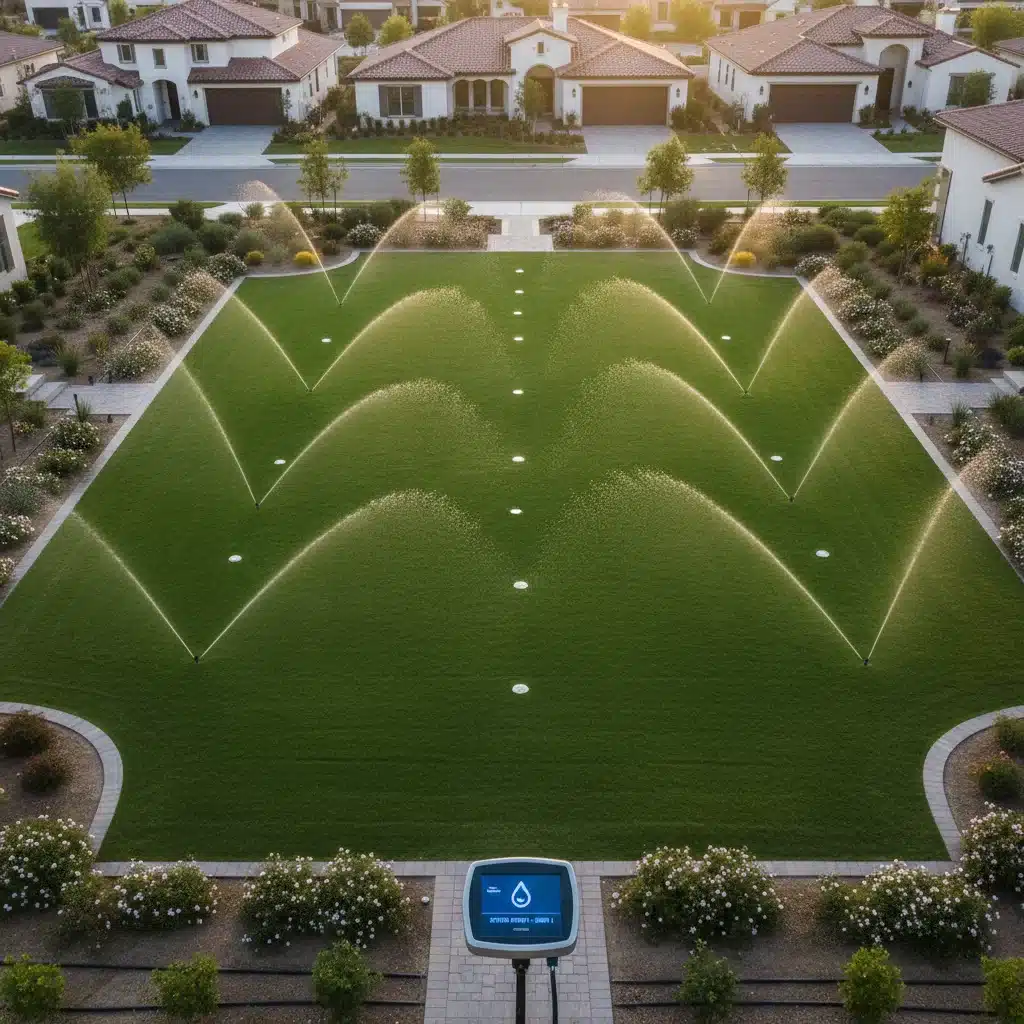
At its heart, a smart irrigation system is a network of interconnected devices working in harmony to manage your landscape’s hydration. Key components typically include:
- Smart Controllers: These are the brains of the operation. Unlike traditional timers, smart controllers connect to the internet to access local weather forecasts, historical weather data, and even communicate with other smart home devices. They process this information to adjust watering schedules automatically.
- Weather Sensors: Integrated directly into or linked with the smart controller, these sensors monitor real-time environmental conditions such as rainfall, temperature, humidity, and wind speed. This data allows the system to pause irrigation during rain, increase watering during hot, dry spells, and reduce it during cooler periods.
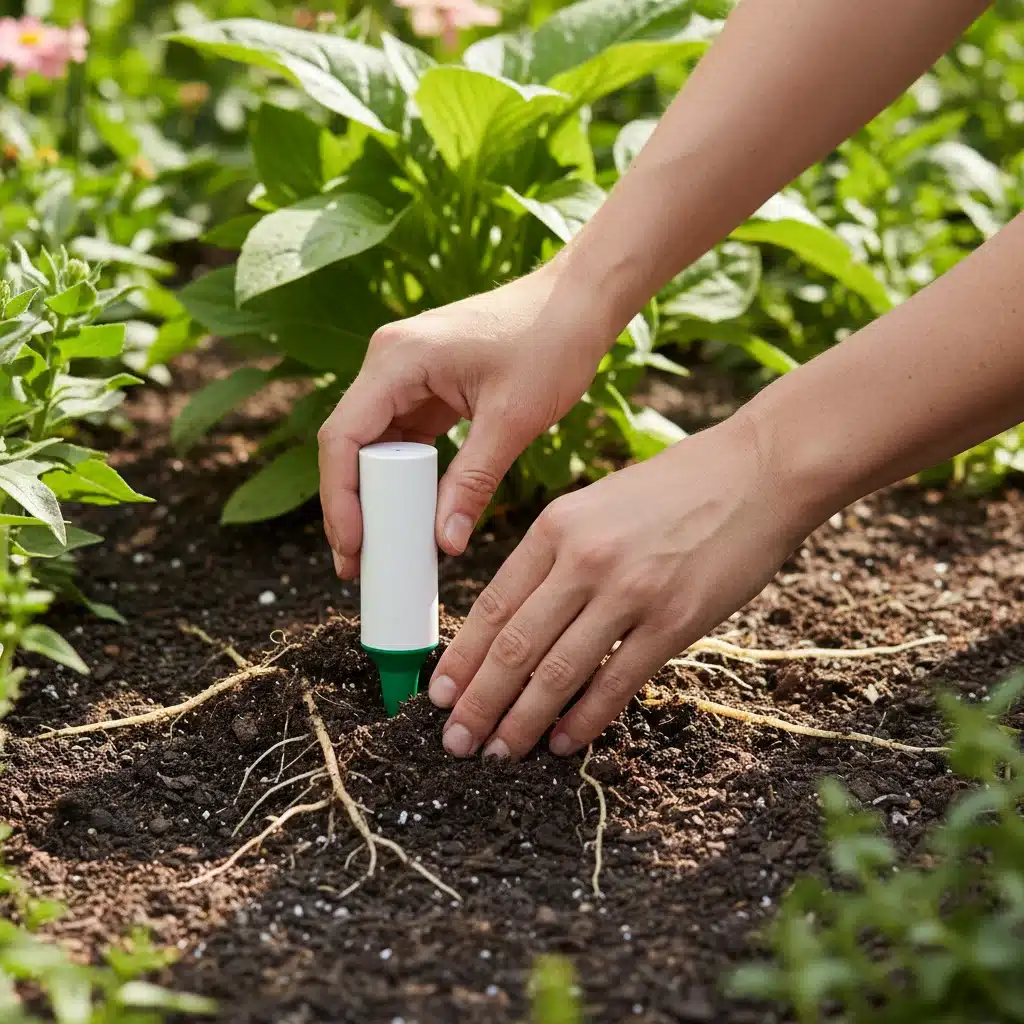
- Soil Moisture Sensors: Placed directly in the soil, these sensors measure the moisture content at various depths. They provide highly localized data, ensuring that irrigation only occurs when the soil actually needs water, preventing both overwatering and underwatering. This is a game-changer for precise water application.
- Flow Sensors: These devices monitor the amount of water flowing through the irrigation system, detecting leaks or breaks in the lines, which can lead to significant water loss if left unaddressed.
- Rain Sensors: A simpler form of weather sensor, rain sensors detect precipitation and automatically shut off the irrigation system, preventing unnecessary watering.
The synergy of these components allows a smart irrigation system to make intelligent, real-time decisions, dramatically improving water efficiency compared to static, programmed schedules.
The Unrivaled Benefits of Embracing Smart Irrigation Systems
The advantages of installing smart irrigation systems extend far beyond mere water savings, impacting your wallet, your landscape’s health, and your environmental footprint.
1. Significant Water Savings and Reduced Bills
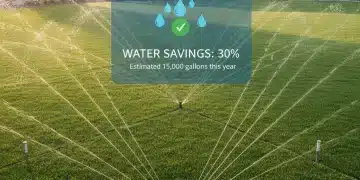
This is arguably the most compelling benefit. By eliminating overwatering and irrigating based on actual need, homeowners can expect to reduce their outdoor water consumption by 30-50%. For many, this translates into substantial savings on monthly water bills, often recouping the initial investment in a few years. The 40% annual reduction in usage, as highlighted, is a very achievable goal with a well-configured system.
2. Healthier, More Vibrant Landscapes
Contrary to popular belief, more water doesn’t always mean healthier plants. Overwatering can lead to root rot, fungal diseases, and nutrient leaching, weakening plants and making them more susceptible to pests. Smart irrigation systems provide just the right amount of water, fostering stronger root development, improving nutrient uptake, and leading to more resilient, vibrant lawns and gardens. This precise watering helps plants thrive, enhancing your home’s curb appeal.
3. Convenience and Automation
Once installed and configured, smart irrigation systems operate almost entirely on their own. You no longer need to remember to turn off the sprinklers when it rains or adjust schedules for seasonal changes. Many systems can be controlled and monitored remotely via smartphone apps, giving you complete control from anywhere, at any time. This level of automation frees up your time and eliminates the guesswork from landscape maintenance.
4. Environmental Stewardship
By conserving water, you’re directly contributing to the preservation of a vital natural resource. Reducing strain on local water supplies helps mitigate the effects of drought and supports ecosystem health. This commitment to sustainability enhances your home’s green credentials and sets a positive example for your community.
5. Increased Property Value
A well-maintained, water-efficient landscape can increase your property’s value. Prospective buyers are increasingly looking for homes with sustainable features that offer long-term savings and convenience. A modern smart irrigation system is a desirable upgrade that signals a thoughtful, forward-thinking approach to homeownership.
Implementing Smart Irrigation: A Step-by-Step Guide
Adopting smart irrigation systems might seem daunting, but breaking down the process into manageable steps makes it accessible for any homeowner.
Step 1: Assess Your Current Irrigation System and Landscape
Before making any purchases, understand your existing setup. Do you have an automatic sprinkler system? What type of plants do you have, and what are their specific water needs? Consider soil types, sun exposure, and elevation changes across your property. This assessment will help determine the best type of smart system and components for your unique landscape.
Step 2: Choose the Right Smart Irrigation Controller
This is the central decision. Smart controllers come in various forms, from basic weather-based models to advanced systems that integrate with soil moisture sensors and other smart home platforms. Look for controllers that are:
- EPA WaterSense Labeled: These products are certified to save water without sacrificing performance.
- Compatible with your existing system: Ensure it can connect to your current valves and wiring.
- User-friendly: An intuitive interface and smartphone app are crucial for easy management.
- Scalable: Can it expand if you add more zones or sensors in the future?
Popular brands like Rachio, Hunter Hydrawise, and Rain Bird offer excellent options for various budgets and needs. Investing in a reliable smart irrigation system controller is key to long-term success.
Step 3: Integrate Sensors (Optional but Recommended)
While many smart controllers rely solely on weather data, integrating soil moisture sensors significantly enhances precision. These sensors provide hyper-localized data, ensuring that your system waters only when the ground is dry enough to need it. Consider placing sensors in different zones, especially in areas with diverse plant types or varying sun exposure.
Step 4: Installation and Configuration
For DIY enthusiasts, installing a smart controller often involves simply swapping out your old controller and connecting the existing wires. However, if you’re uncomfortable with electrical work or plumbing, consider hiring a professional. Once installed, the configuration process involves connecting the controller to your Wi-Fi, setting up zones, inputting landscape characteristics (plant type, soil type, sun exposure), and linking any external sensors. This initial setup is crucial for the optimal performance of your smart irrigation system.
Step 5: Monitor and Optimize
After installation, don’t just set it and forget it. Regularly monitor your landscape’s health and your water usage through the smart controller’s app. Observe how your plants respond to the new watering schedule. You might need to make minor adjustments to zone settings or sensor thresholds to fine-tune the system for maximum efficiency and plant health. The beauty of a smart irrigation system is its adaptability.
Advanced Features and Future Trends in Smart Irrigation
The evolution of smart irrigation systems continues, with new features constantly emerging to enhance efficiency and user experience.
Predictive Watering
Many advanced systems now incorporate predictive watering algorithms. These systems don’t just react to current weather but analyze upcoming forecasts to pre-emptively adjust schedules. For example, if heavy rain is predicted for tomorrow, the system might skip today’s watering, saving water and preventing oversaturation.
Integration with Smart Home Ecosystems
Smart irrigation systems are increasingly becoming part of broader smart home ecosystems. Integration with platforms like Amazon Alexa, Google Home, or Apple HomeKit allows for voice control and seamless automation alongside other smart devices, creating a truly connected and efficient home environment.
Hyper-Local Weather Data
Beyond general regional forecasts, some systems can tap into hyper-local weather stations or even personal weather stations on your property, providing incredibly accurate and localized data for more precise watering decisions. This level of detail further optimizes the performance of your smart irrigation system.
Drip Irrigation Integration
While often associated with sprinklers, smart irrigation systems are highly effective with drip irrigation setups. Drip irrigation delivers water directly to plant roots, minimizing evaporation and runoff, and when combined with smart controls, it creates an incredibly efficient watering solution for gardens, flowerbeds, and even potted plants.
Overcoming Challenges and Common Misconceptions
While the benefits are clear, some homeowners might have reservations about adopting smart irrigation systems. Addressing these concerns is vital for widespread adoption.
Initial Cost
The upfront cost of a smart irrigation system can be higher than a basic timer. However, it’s crucial to view this as an investment. The significant water savings and potential rebates from local utility companies often lead to a quick return on investment. Furthermore, the long-term benefits of a healthier landscape and reduced maintenance should also be factored in.
Installation Complexity
While some installations are straightforward, others, especially those involving new wiring or extensive sensor networks, can be complex. Don’t hesitate to consult or hire a professional irrigation specialist. Many companies now specialize in designing and installing smart irrigation systems, ensuring optimal setup and performance.
Reliability and Connectivity
Like any smart home device, a stable Wi-Fi connection is essential for the optimal functioning of your smart irrigation system. Ensure your home network is robust enough to support all your connected devices. Most modern systems are designed for reliability, with built-in redundancies and offline operational capabilities in case of temporary internet outages.

Beyond Smart Irrigation: Holistic Water Conservation Strategies
While smart irrigation systems are incredibly effective, they are just one piece of the puzzle for comprehensive water conservation. To maximize your impact, consider integrating other water-saving practices:
Xeriscaping and Drought-Tolerant Plants
Choosing native and drought-tolerant plants for your landscape significantly reduces the need for irrigation. These plants are adapted to local climates and require less supplemental water once established. Combining xeriscaping with a smart irrigation system creates an incredibly resilient and water-efficient garden.
Mulching
Applying a layer of organic mulch around plants helps retain soil moisture, suppresses weeds (which compete for water), and regulates soil temperature. This simple practice can reduce water evaporation by up to 30%, making your smart irrigation system even more effective.
Rainwater Harvesting
Collecting rainwater in barrels or cisterns provides a free and sustainable source of water for your garden. This harvested water can be used for manual watering or even integrated into some irrigation systems, further reducing your reliance on municipal water supplies.
Regular Maintenance of Your System
Even the smartest system needs occasional checks. Regularly inspect your sprinkler heads for damage or misalignment, clean filters, and ensure sensors are free of debris. Addressing small issues promptly prevents larger problems and ensures your smart irrigation system continues to operate at peak efficiency.
The Future is Smart: Embracing Sustainable Water Management
The challenge of water scarcity is growing, but so too are the technological solutions available to us. Smart irrigation systems represent a powerful tool in the arsenal of sustainable living, offering homeowners a practical, effective, and economically beneficial way to conserve water. By embracing these intelligent technologies, you’re not just saving money; you’re contributing to a more sustainable future, ensuring that this precious resource is available for generations to come.
Making the switch to a smart irrigation system is a tangible step towards a greener home and a more responsible approach to environmental stewardship. It’s an investment that pays dividends not only in reduced utility bills and a healthier landscape but also in the peace of mind that comes from knowing you’re making a positive impact. Start your journey towards significant water savings today and discover the transformative power of smart technology in your garden.