Future-Proof Your Home: Key Smart Tech Trends for 2026 and Beyond
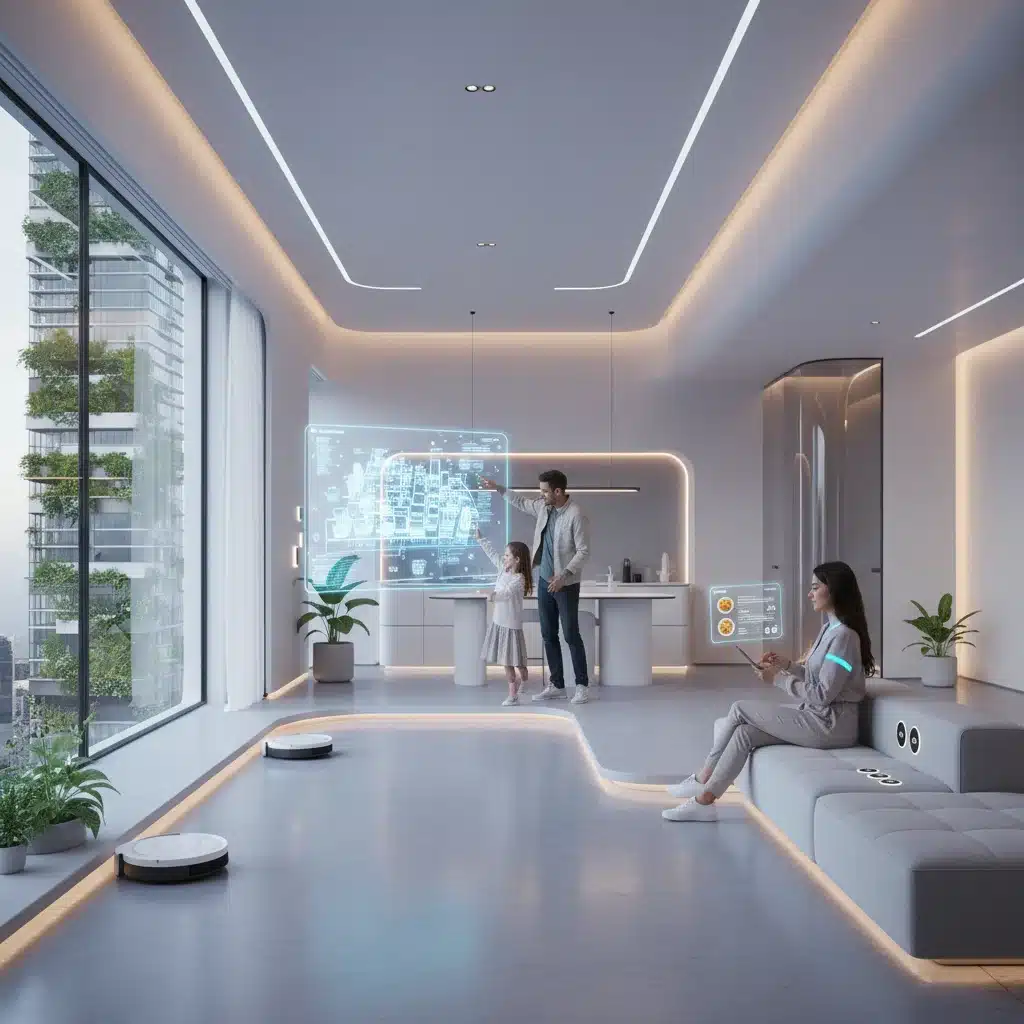
The concept of a "smart home" has evolved dramatically over the past decade, transforming from a futuristic fantasy into an accessible reality for many. As we look towards 2026 and beyond, the trajectory of smart home technology promises even more profound changes, integrating artificial intelligence (AI), the Internet of Things (IoT), and an unwavering focus on sustainability. Understanding these core smart home trends is not just about staying current; it’s about making informed decisions to truly future-proof your living space.
In an increasingly connected world, our homes are becoming intelligent ecosystems, capable of learning, adapting, and responding to our needs with unprecedented sophistication. This article will delve into the most impactful smart home trends, exploring how they are redefining convenience, security, energy efficiency, and overall quality of life. From hyper-personalized environments to robust cybersecurity measures, we will unpack the innovations that will shape our homes in the coming years.
The goal isn’t just to add gadgets, but to create a harmonious, intuitive, and resilient living environment. Whether you’re a tech enthusiast, a homeowner planning upgrades, or simply curious about the future of residential living, this comprehensive guide will provide the insights you need to navigate the exciting landscape of future smart home trends.
The Rise of Hyper-Personalized AI and Adaptive Environments
One of the most significant smart home trends we anticipate is the deep integration of AI to create truly hyper-personalized and adaptive environments. Gone are the days of simple rule-based automation. Future smart homes will leverage advanced AI algorithms to learn individual and household preferences, routines, and even moods, adjusting settings proactively rather than reactively.
Predictive Automation and Behavioral Learning
Imagine a home that knows you prefer a specific lighting scheme and temperature when you return from work, or that automatically adjusts the blinds to optimize natural light and minimize glare based on the time of day and weather forecast. This is the essence of predictive automation. AI-powered systems will continuously gather data from various sensors – motion, light, temperature, humidity, and even biometric data (with user consent) – to anticipate needs and make subtle adjustments without explicit commands. This behavioral learning will extend beyond comfort, influencing energy management, security protocols, and even entertainment.
Emotional Intelligence and Mood Adaptation
Further down the line, we could see smart homes equipped with emotional intelligence. While still in its nascent stages, research into AI that can detect human emotions through facial recognition, voice tone, or even wearable tech, suggests a future where your home could adapt its ambiance to your emotional state. Feeling stressed? The lights might dim to a calming hue, soft music might play, and a diffuser might release a relaxing aroma. This level of personalization moves beyond mere convenience to truly enhancing well-being, making it a pivotal aspect of future smart home trends.
Seamless User Interfaces and Contextual Awareness
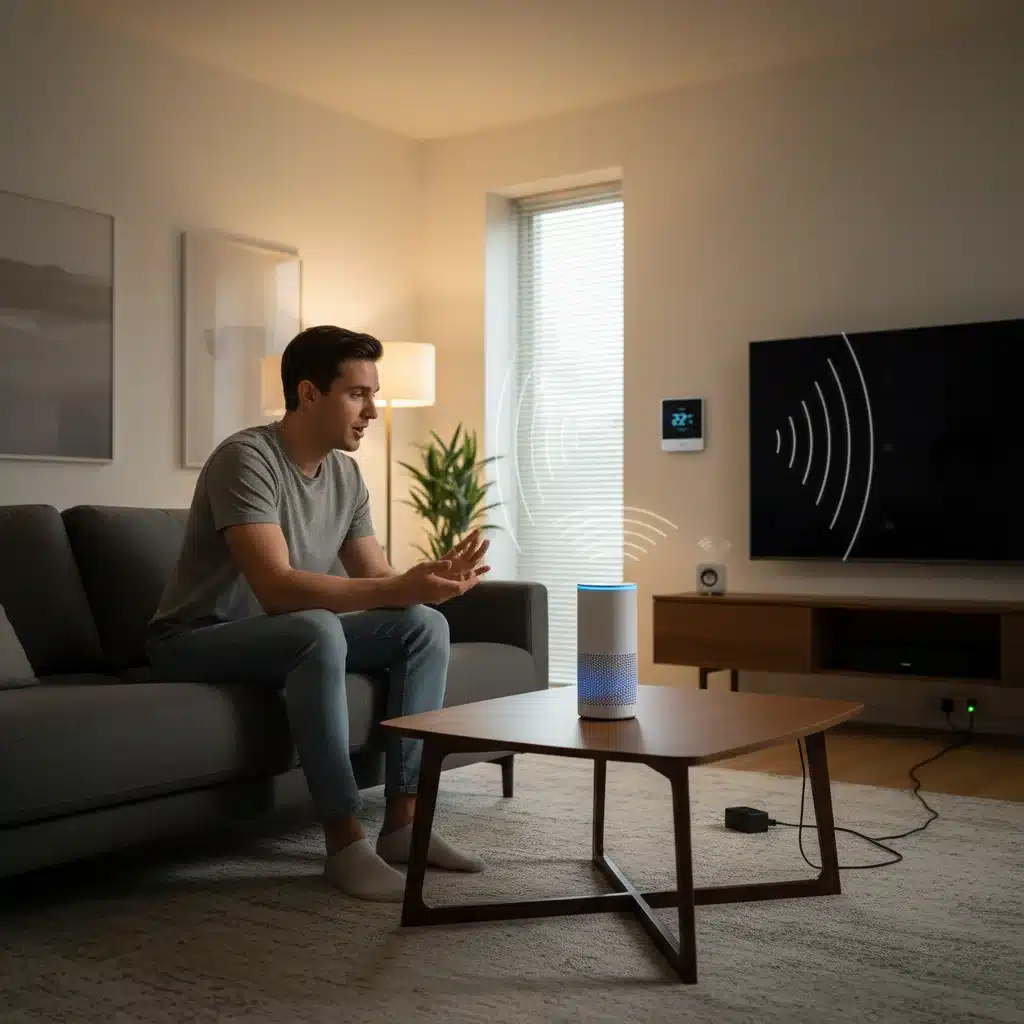
The interface between human and home will also become more seamless and intuitive. Voice commands will become more nuanced, understanding complex requests and context. Gesture control, augmented reality (AR) overlays, and even thought-controlled interfaces (though further off) could replace traditional screens and buttons. The home will understand context – whether you’re alone or with guests, whether it’s daytime or nighttime, whether you’re working or relaxing – and adapt its responses accordingly, making the interaction feel natural and effortless.
Enhanced Connectivity: The Evolution of IoT and Beyond
The Internet of Things (IoT) is the backbone of any smart home, and its evolution is central to emerging smart home trends. As the number of connected devices proliferates, the need for robust, secure, and efficient connectivity becomes paramount. Future homes will feature more sophisticated IoT ecosystems, moving towards truly interoperable and self-optimizing networks.
Beyond Wi-Fi: Matter, Thread, and 5G/6G Integration
While Wi-Fi remains crucial, new communication protocols like Matter and Thread are designed specifically for smart home devices, promising greater interoperability, lower power consumption, and enhanced responsiveness. Matter, in particular, aims to unify the smart home ecosystem, allowing devices from different manufacturers to communicate seamlessly. Concurrently, the rollout of 5G, and eventually 6G, will provide ultra-low latency and high-bandwidth connectivity, enabling more complex and data-intensive smart home applications, such as real-time 4K video streaming from security cameras or instantaneous feedback for health monitoring devices. These advancements in connectivity are foundational to the next wave of smart home trends.
Edge Computing for Faster, More Secure Processing
As more data is generated within the home, processing it locally rather than sending it all to the cloud becomes vital for speed, privacy, and security. Edge computing – where data is processed closer to its source – will become a standard feature in advanced smart homes. This means faster response times for critical functions like security alerts or automated actions, reduced reliance on internet connectivity for core operations, and enhanced data privacy, as sensitive information can remain within the home network. This paradigm shift significantly bolsters the resilience and efficiency of smart home systems.
Digital Twins and Predictive Maintenance
The concept of a "digital twin" – a virtual replica of your physical home and its systems – is gaining traction. This digital model, constantly updated with real-time data from IoT sensors, can be used for predictive maintenance, identifying potential issues with appliances or HVAC systems before they become major problems. It can also simulate scenarios, allowing homeowners to test different energy management strategies or security configurations virtually before implementing them in the physical space. This proactive approach to home management is a powerful emerging smart home trend.
Sustainability and Energy Efficiency at the Core
As environmental concerns grow, sustainable living and energy efficiency are no longer optional but essential components of modern homes. Future smart home trends will heavily emphasize technologies that reduce environmental impact and lower utility bills.
Intelligent Energy Management Systems
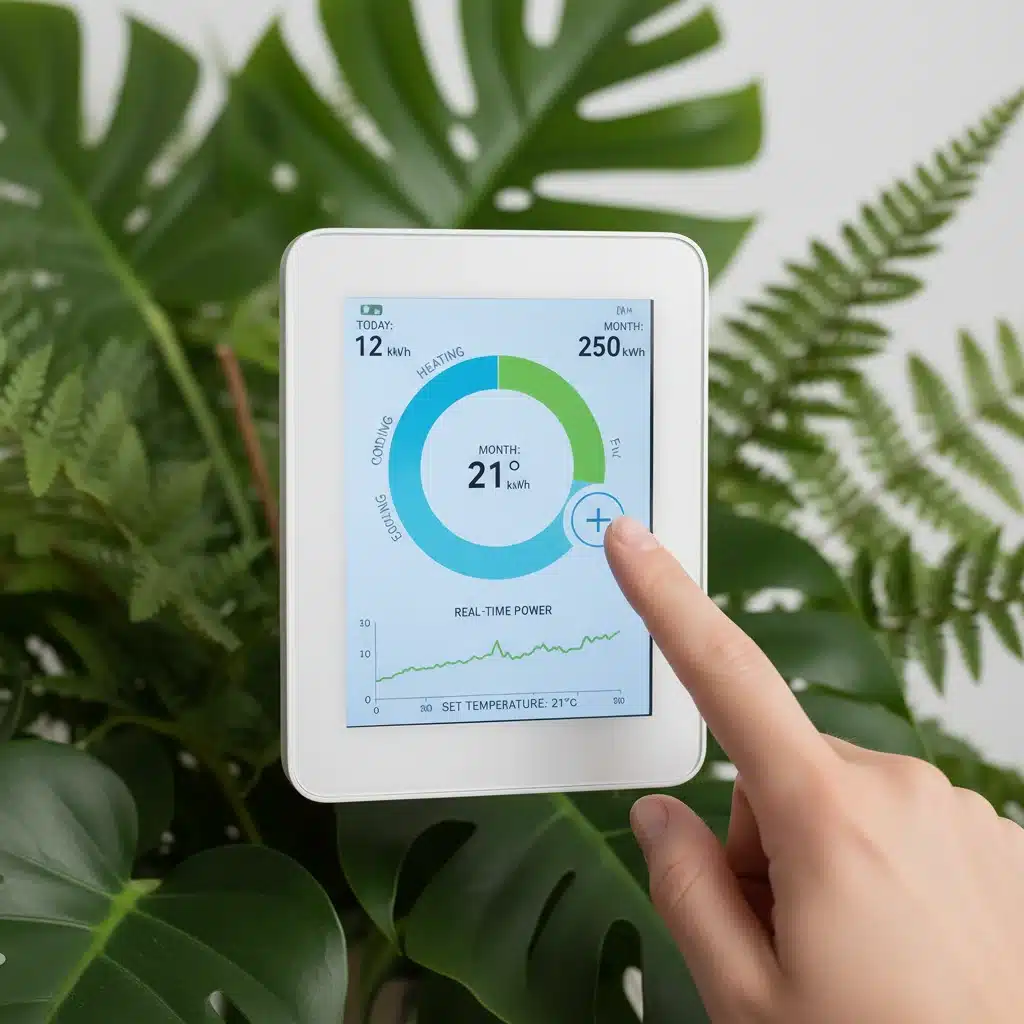
Smart energy management will go far beyond programmable thermostats. Future systems will integrate with smart grids, dynamically adjusting energy consumption based on peak demand, renewable energy availability, and variable electricity pricing. This could involve automatically charging electric vehicles during off-peak hours, pre-cooling/heating homes when energy is cheapest, or even selling excess solar energy back to the grid. AI will play a crucial role in optimizing these complex interactions, ensuring maximum savings and minimal environmental footprint.
Water Conservation and Waste Reduction
Water-saving smart devices will become more prevalent, from leak detection systems that can prevent costly damage and conserve water, to smart irrigation systems that analyze weather forecasts and soil moisture levels to water gardens only when necessary. Furthermore, smart waste management solutions, such as intelligent bins that sort recyclables or compact waste, will contribute to a more sustainable household. These technologies collectively represent a significant step towards truly eco-conscious living, aligning with critical smart home trends.
Integration with Renewable Energy Sources
Homes will increasingly become micro-grids, seamlessly integrating solar panels, wind turbines, and battery storage solutions. Smart energy management systems will optimize the generation, storage, and consumption of renewable energy, maximizing self-sufficiency and reducing reliance on traditional power grids. This not only offers economic benefits but also enhances resilience during power outages, making renewable integration a cornerstone of future-proof smart homes.
Advanced Security and Privacy Measures
With greater connectivity comes increased vulnerability. Therefore, robust security and privacy features will be paramount among future smart home trends. Homeowners will demand systems that not only protect their physical property but also their digital data and personal information.
Biometric Authentication and Multi-Factor Security
Traditional passwords are giving way to more secure biometric authentication methods. Fingerprint scanners, facial recognition, and even iris scans will become standard for accessing smart home systems and unlocking doors. Multi-factor authentication (MFA), combining biometrics with other elements like location data or device recognition, will provide an additional layer of security, making unauthorized access exceedingly difficult. This layered approach is critical for maintaining trust in smart home ecosystems.
AI-Powered Anomaly Detection and Proactive Defense
Smart security cameras and sensors will move beyond simple motion detection. AI will enable anomaly detection, distinguishing between a pet and an intruder, or recognizing unusual patterns of activity around the property. These systems will learn normal routines and alert homeowners to anything out of the ordinary, often before a threat fully materializes. Proactive defense mechanisms, such as integrated smart lighting that mimics occupancy or automated voice deterrents, will further enhance security, creating intelligent barriers against potential threats.
Data Privacy by Design and Local Processing
As mentioned with edge computing, the emphasis on data privacy will lead to more "privacy by design" principles in smart home devices. This means that personal data will be processed locally whenever possible, minimizing the amount of sensitive information that leaves the home network. Strong encryption, transparent data policies, and user control over data sharing will become standard, addressing growing concerns about digital privacy. Consumers will actively seek out products and platforms that prioritize their privacy, making it a defining factor in future smart home trends.
Health and Wellness Integration
The smart home is increasingly becoming a hub for personal health and wellness, offering tools and environments that support a healthier lifestyle. This integration is a rapidly evolving area within smart home trends.
Ambient Health Monitoring
Non-invasive health monitoring will become a common feature. Sensors embedded in furniture, flooring, or even mirrors could track vital signs, sleep patterns, gait analysis (for fall detection in elderly residents), and other health metrics, all without requiring wearables. This ambient monitoring can provide valuable insights for preventative care and offer peace of mind, especially for families with elderly members or those with chronic conditions. The data, securely managed and shared with healthcare providers (with consent), could revolutionize home-based care.
Personalized Wellness Environments
Smart homes will adapt to promote wellness. This could involve dynamic lighting systems that mimic natural daylight cycles to improve circadian rhythms, smart air purifiers that monitor and optimize indoor air quality, and even smart water systems that filter and mineralize water to specific health requirements. Soundscapes, aromatherapy diffusers, and temperature controls will work in concert to create environments conducive to relaxation, focus, or rejuvenation, tailoring the home’s atmosphere to individual wellness goals. This holistic approach to living is a key differentiator in future smart home trends.
Assisted Living and Accessibility Solutions
For individuals with disabilities or the elderly, smart homes offer significant advancements in assisted living. Voice-controlled interfaces, automated doors and windows, smart medication dispensers, and advanced fall detection systems can enhance independence and safety. AI-powered personal assistants can provide reminders, connect with caregivers, and even offer companionship. Designing homes with accessibility in mind, leveraging smart technology, will become increasingly important, making smart homes inclusive and supportive for all residents.
The Future of Home Entertainment and Connectivity
While entertainment has always been a cornerstone of home life, smart technology is pushing the boundaries of immersive experiences and seamless connectivity. This sector continues to innovate, presenting exciting smart home trends.
Immersive Audio-Visual Experiences
Beyond traditional home theaters, future smart homes will offer truly immersive audio-visual experiences. Walls could transform into dynamic displays, offering personalized art, interactive interfaces, or expansive virtual windows. Advanced spatial audio systems will create soundscapes that adapt to the room and content, delivering unparalleled realism. AI will curate content based on preferences, mood, and even social context, ensuring that entertainment is always tailored and engaging.
Augmented and Virtual Reality Integration
AR and VR technologies are poised to integrate more deeply into the smart home. Imagine using AR overlays to redecorate your living room virtually before making a purchase, or experiencing virtual travel from the comfort of your couch. VR could transform gaming, education, and social interaction within the home, creating entirely new dimensions of engagement. While still evolving, the potential for AR/VR to redefine home entertainment and productivity is immense, marking a significant future smart home trend.
Seamless Multi-Room and Multi-Device Synchronization
The days of struggling to get devices to play nicely together will be over. Future smart homes will feature effortless multi-room audio and video synchronization, allowing content to follow you from room to room without interruption. Device handoffs will be seamless, enabling users to start a movie on their TV and pick it up on a tablet in another room with a simple gesture or voice command. This level of synchronization will enhance convenience and create a truly fluid entertainment experience.
Challenges and Considerations for Future Smart Homes
While the future of smart homes is bright, several challenges and considerations need to be addressed to ensure widespread adoption and positive impact. These include ethical implications, infrastructure requirements, and the ongoing need for user-friendly design.
Ethical AI and Data Governance
As AI becomes more sophisticated and collects more personal data, ethical considerations surrounding its use become critical. Questions about data ownership, algorithmic bias, and the potential for surveillance need careful attention. Developing clear ethical guidelines and robust data governance frameworks will be essential to build trust and ensure that smart home AI serves humanity responsibly. Transparency in how data is collected, used, and protected will be a non-negotiable aspect of future smart home trends.
Interoperability and Standardization
Despite advancements like Matter, achieving true and universal interoperability across all smart home devices remains a challenge. A fragmented ecosystem can lead to frustration and limit the full potential of smart homes. Ongoing efforts towards industry-wide standardization will be crucial to ensure that consumers can choose devices from various manufacturers with confidence that they will work together seamlessly. This collaborative effort is vital for the maturation of smart home technology.
Cybersecurity Threats and Resilience
The more connected our homes become, the larger the attack surface for cyber threats. Protecting smart home networks from hacking, data breaches, and ransomware will require continuous innovation in cybersecurity. Regular software updates, robust encryption, and user education on best practices will be essential. Furthermore, designing systems with resilience in mind – ensuring critical functions can operate even if internet connectivity is lost – will be a key focus for future smart home security.
Cost and Accessibility
Currently, advanced smart home technology can be expensive, limiting its accessibility to a broader demographic. As technology matures and economies of scale take effect, costs are expected to decrease. However, ensuring that these transformative technologies are accessible and affordable for everyone, not just the affluent, will be a significant societal challenge. Innovative business models, modular systems, and government incentives could help bridge this gap, ensuring that the benefits of smart homes are widely distributed.
Conclusion: Embracing the Intelligent Home of Tomorrow
The journey towards the truly intelligent home is an exciting one, marked by continuous innovation and a growing understanding of how technology can enhance our daily lives. The smart home trends for 2026 and beyond paint a picture of living spaces that are not only connected but also intuitive, adaptive, sustainable, secure, and deeply integrated with our well-being. From AI-powered personalization to advanced energy management and ambient health monitoring, our homes are set to become more responsive and supportive than ever before.
As these technologies mature, the emphasis will shift from individual gadgets to cohesive, interoperable ecosystems that work harmoniously in the background, anticipating our needs and enhancing our comfort without requiring constant interaction. While challenges related to privacy, security, and accessibility will need ongoing attention, the trajectory is clear: our homes are evolving into intelligent partners, making our lives easier, safer, and more sustainable.
Embracing these smart home trends means investing in a future where our living spaces are not just structures, but dynamic environments that adapt to our changing world. By staying informed and making thoughtful choices, homeowners can confidently future-proof their properties, creating homes that are truly ready for tomorrow.