The concept of a ‘smart home’ has evolved dramatically, moving beyond mere convenience to become a cornerstone of inclusive living. In 2026, the focus on smart home accessibility has never been more pronounced, with groundbreaking innovations transforming daily life for millions. These advancements are not just about adding features; they’re about redefining independence, safety, and comfort for individuals with diverse needs, from the elderly to those with physical or cognitive impairments. This article delves into the three most impactful smart home accessibility innovations that are setting new standards for enhanced living in 2026, showcasing how technology is creating environments that are truly accessible to all.
The journey towards fully accessible smart homes has been a continuous one, driven by a blend of technological ingenuity and a deep understanding of human needs. What started with simple voice commands and automated lighting has blossomed into a sophisticated ecosystem where every aspect of the home can be tailored to individual requirements. As we look at the landscape of smart home accessibility in 2026, it’s clear that the future is bright, intuitive, and remarkably empowering. These innovations represent not just technological feats, but a societal shift towards greater inclusion and empathy in design.
1. Advanced AI-Powered Voice and Gesture Control Systems
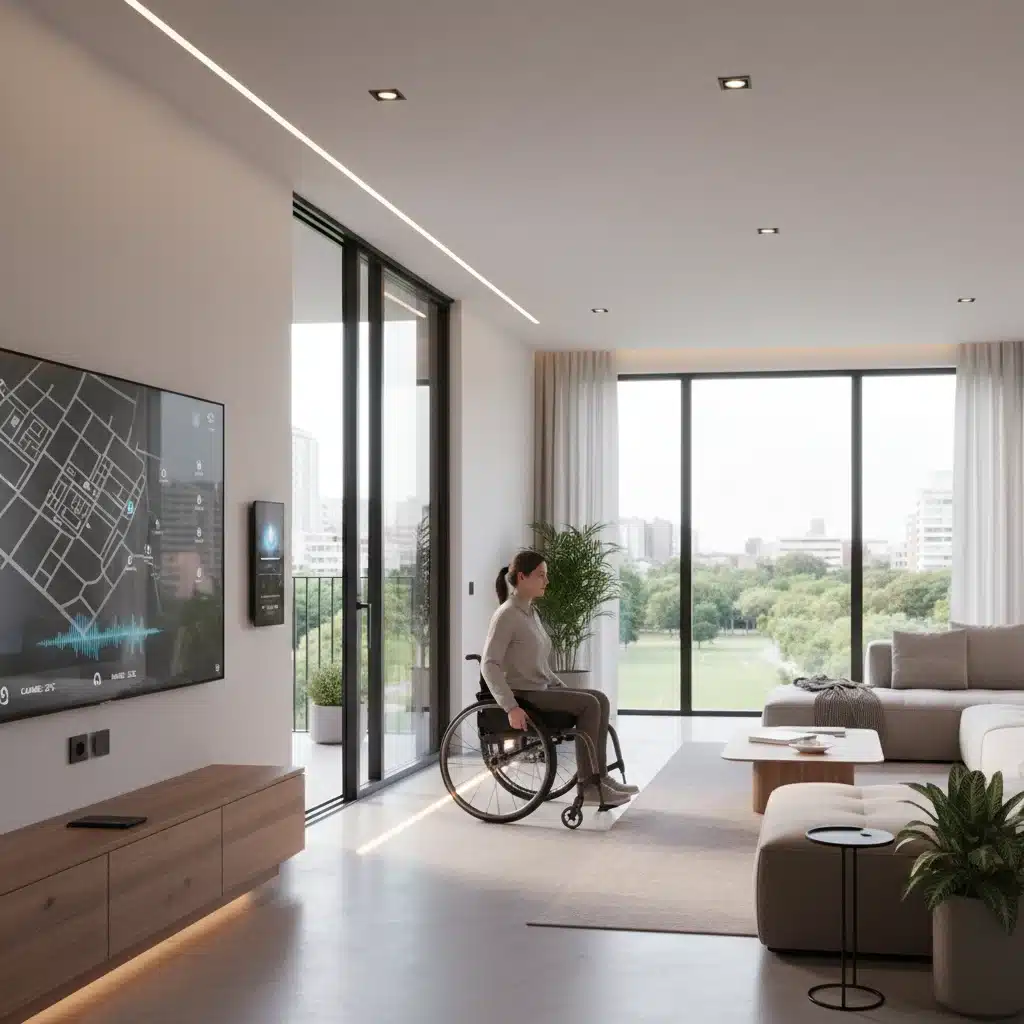
At the forefront of smart home accessibility in 2026 are advanced AI-powered voice and gesture control systems. These are no longer the rudimentary voice assistants of yesteryear; they are sophisticated, context-aware, and highly adaptive interfaces that offer unparalleled control over the home environment. For individuals with limited mobility, dexterity issues, or visual impairments, these systems are revolutionary, providing a hands-free and intuitive way to interact with their surroundings. Imagine a home where a simple spoken phrase or a subtle hand movement can adjust the thermostat, open blinds, unlock doors, or even prepare a cup of coffee. This is the reality that these new systems deliver.
The Evolution of Voice Control in Smart Home Accessibility
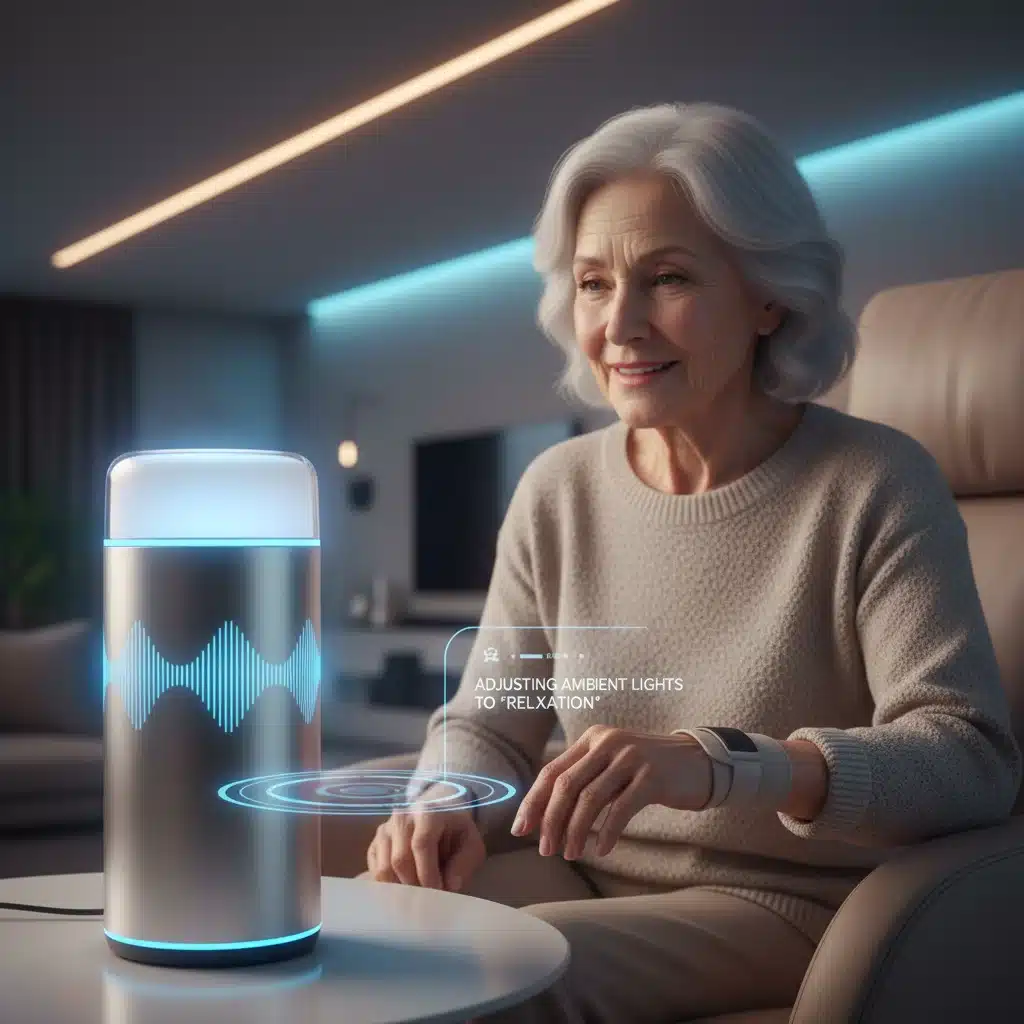
Traditional voice assistants often struggled with accents, background noise, or complex commands. The 2026 iteration of AI-powered voice control has overcome these hurdles through advanced natural language processing (NLP) and machine learning. These systems can now understand nuanced commands, learn user preferences over time, and even differentiate between multiple users’ voices. This means a more personalized and reliable experience. For example, a user can simply say, ‘Good morning,’ and the system can initiate a personalized routine: opening curtains, turning on specific lights, and playing a preferred news briefing, all tailored to their unique needs and schedule. This level of predictive and adaptive behavior significantly reduces the cognitive load on users, making daily tasks feel effortless.
Gesture Control: A New Dimension of Interaction
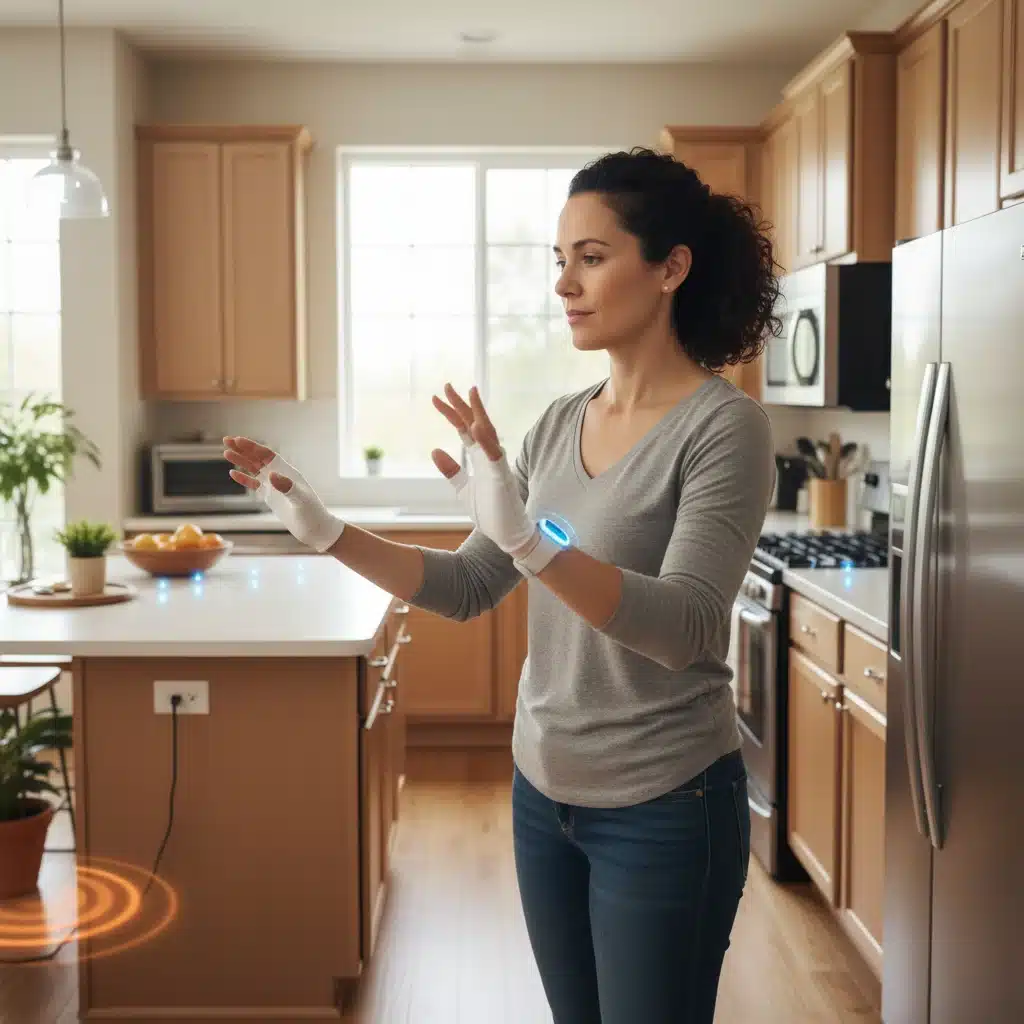
Beyond voice, gesture control has emerged as a powerful tool for smart home accessibility. For those who may struggle with verbal communication or prefer a non-auditory interface, gesture recognition technology provides an alternative. Utilizing sophisticated sensors and AI algorithms, these systems can interpret a range of hand movements, head nods, or even eye movements as commands. This allows for discreet and efficient control, particularly beneficial in situations where voice commands might be inappropriate or difficult to execute. For instance, a quick wave of the hand could turn off the lights, or a subtle head tilt could adjust the volume of a smart speaker. The integration of haptic feedback in some gesture-controlled devices further enhances the user experience, providing tactile confirmation of commands.
The beauty of these advanced systems lies in their seamless integration and adaptability. They are designed to work in concert with other smart home devices, creating a unified and responsive ecosystem. This means that a user doesn’t need to learn multiple interfaces; a single voice or gesture command can trigger a complex series of actions involving various appliances and systems throughout the home. This holistic approach to control significantly enhances the independence and confidence of users, allowing them to manage their environment with unprecedented ease.
2. Integrated Sensory Feedback Systems for Enhanced Safety and Navigation
Another pivotal innovation in smart home accessibility for 2026 is the widespread adoption of integrated sensory feedback systems. These systems go beyond traditional alarms, offering multi-modal alerts and navigation assistance that cater to a wider range of sensory needs. For individuals with hearing impairments, visual impairments, or cognitive challenges, these technologies provide crucial information about their environment, significantly enhancing safety and promoting independent navigation within the home.
Multi-Modal Alerting for Hearing and Visual Impairments
Gone are the days when a smoke alarm simply blared loudly, potentially unheard by someone with hearing loss or causing confusion for someone with cognitive impairment. Modern smart home accessibility systems now incorporate multi-modal alerts. This means that an alarm, such as a fire or carbon monoxide detection, can trigger a combination of sensory outputs: flashing lights (visual), vibrating devices (haptic), and even spoken notifications through smart speakers (auditory). For instance, a fire alarm might simultaneously trigger bright red flashing lights throughout the home, send a vibration alert to a wearable device, and have the smart speaker announce, ‘Warning: Fire detected in the kitchen. Please evacuate immediately.’ This layered approach ensures that critical information is conveyed effectively, regardless of an individual’s sensory capabilities.
Haptic and Auditory Navigation Aids
Navigating unfamiliar or even familiar spaces can be challenging for individuals with visual impairments. In 2026, smart homes are equipped with advanced haptic and auditory navigation aids. These systems utilize strategically placed sensors and smart flooring or wall panels that can provide directional cues through vibrations or subtle sounds. For example, a person with visual impairment wearing a haptic wristband might feel a series of vibrations guiding them along a clear path to the bathroom or kitchen. Auditory cues, such as gentle chimes or spoken directions from embedded speakers, can further assist in orientation and obstacle avoidance. These systems can also be integrated with smart appliances, guiding users directly to the refrigerator or oven with precision, significantly reducing the risk of accidents and fostering greater autonomy.
Cognitive Support through Environmental Cues
For individuals living with cognitive impairments, such as dementia, maintaining a sense of routine and safety is paramount. Integrated sensory feedback systems in smart homes can provide crucial cognitive support. This includes gentle reminders for medication schedules through visual prompts on smart displays or auditory cues, automated lighting that adjusts to mimic natural daylight cycles to regulate sleep patterns, and even proximity sensors that can alert caregivers if a resident wanders into an unsafe area. These subtle environmental cues help to create a predictable and supportive living space, reducing anxiety and promoting a higher quality of life.
The impact of these integrated sensory feedback systems on smart home accessibility cannot be overstated. They transform the home from a static environment into a dynamic, responsive partner that actively supports the well-being and independence of its occupants. By leveraging a diverse range of sensory inputs and outputs, these innovations ensure that vital information is always accessible, and navigation is always intuitive.
3. Predictive and Personalized Environmental Adaptation
The third major innovation shaping smart home accessibility in 2026 is the emergence of predictive and personalized environmental adaptation. This represents a paradigm shift from reactive smart home systems to proactive ones. Leveraging advanced AI, machine learning, and a wealth of data, these systems anticipate user needs and adjust the home environment accordingly, often before a user even consciously recognizes the need. This level of personalization and foresight creates an incredibly comfortable, efficient, and supremely accessible living space.
Anticipatory Adjustments for Comfort and Energy Efficiency
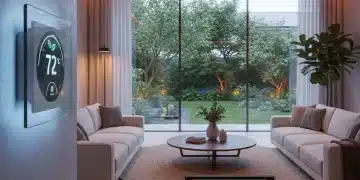
Imagine a home that learns your daily routines, your preferred temperature at different times of day, and even your ideal lighting levels for various activities. Predictive environmental adaptation does exactly this. Through continuous monitoring of occupancy patterns, external weather conditions, and user input, the smart home system can intelligently pre-heat or pre-cool rooms, adjust ventilation, and optimize natural light usage. For an individual with chronic pain or temperature sensitivities, this means walking into a perfectly comfortable room without having to manually adjust anything. Furthermore, these systems are highly energy-efficient, learning to minimize energy consumption without sacrificing comfort, by, for example, dimming lights in unoccupied rooms or adjusting climate control based on forecasted weather changes.
Personalized Wellness and Health Monitoring Integration
Beyond comfort, predictive environmental adaptation is deeply intertwined with personalized wellness and health monitoring. Smart homes in 2026 can integrate with wearable health trackers, smart beds, and even bio-sensing furniture to gather data on vital signs, sleep patterns, and activity levels. This data, analyzed by AI, can trigger environmental adjustments to promote better health outcomes. For example, if a smart bed detects restless sleep, the system might automatically adjust the bedroom temperature, play soothing ambient sounds, or subtly change lighting to encourage deeper rest. If a resident’s activity levels are unusually low, the system might suggest a gentle exercise routine or send a reminder for a walk, all while ensuring the home environment is optimally set for these activities.
Adaptive Security and Emergency Response
The predictive capabilities also extend to security and emergency response, significantly bolstering smart home accessibility. Systems can learn typical entry and exit patterns, distinguishing them from unusual activity. If an unfamiliar pattern is detected, the home can proactively engage security measures, such as locking doors, activating cameras, and sending alerts to residents or caregivers. In a medical emergency, integrated sensors detecting a fall or unusual vital signs can not only alert emergency services but also prepare the home for their arrival—unlocking the front door, turning on strategic lights, and ensuring clear pathways. This proactive approach to safety provides immense peace of mind for both residents and their families.
The power of predictive and personalized environmental adaptation lies in its ability to create a truly intuitive and responsive living space. It’s a home that not only understands but anticipates the needs of its occupants, providing a level of support and comfort that was once the stuff of science fiction. This innovation is pivotal in creating truly independent and dignified living experiences for individuals requiring varying levels of assistance.
The Broader Impact of Smart Home Accessibility in 2026
These three innovations – advanced AI-powered voice and gesture control, integrated sensory feedback systems, and predictive environmental adaptation – are not isolated advancements. They are interconnected components of a larger vision for smart home accessibility that is rapidly becoming a reality in 2026. The synergy between these technologies creates an environment that is not just adaptable but truly intelligent, learning and evolving with its inhabitants.
Fostering Greater Independence and Dignity
The primary benefit of these advancements is the profound impact on individual independence and dignity. For many, daily tasks that were once challenging or required assistance can now be performed autonomously. This newfound freedom empowers individuals to live more fulfilling lives, reducing reliance on caregivers for routine activities and fostering a greater sense of self-reliance. The ability to control one’s environment with ease contributes significantly to mental well-being and overall quality of life.
Reducing Caregiver Burden and Enhancing Support
While promoting independence, these smart home accessibility solutions also play a crucial role in supporting caregivers. By automating routine tasks, monitoring well-being, and providing proactive alerts, the burden on caregivers is significantly reduced. This allows caregivers to focus on more meaningful interactions and provides peace of mind knowing that their loved ones are safe and comfortable. The technology acts as an invisible assistant, offering support without being intrusive.
The Future of Inclusive Design and Universal Living
The innovations in smart home accessibility are driving a broader movement towards inclusive design and universal living. As these technologies become more sophisticated and affordable, they are setting new benchmarks for how homes should be built and equipped. The goal is to create environments that are inherently accessible to everyone, regardless of age, ability, or circumstance. This shift ensures that future homes are not merely ‘smart’ but ‘wise’ – designed with human needs at their very core.
Challenges and Considerations for Widespread Adoption
Despite the immense promise, the widespread adoption of these advanced smart home accessibility technologies still faces challenges. Cost remains a significant barrier for some, although prices are steadily decreasing as technology matures and becomes more mainstream. Interoperability between different devices and platforms is another area of ongoing development, as a truly seamless experience requires robust communication standards. Data privacy and security are also paramount concerns, necessitating strong safeguards to protect sensitive personal information. Education and awareness are crucial to ensure that both users and caregivers understand the full potential and proper usage of these complex systems.
However, the trajectory is clear: the benefits of enhanced independence, safety, and comfort far outweigh these challenges. Continued innovation, coupled with a commitment to user-centric design and ethical deployment, will ensure that smart home accessibility becomes a standard, not a luxury.
Conclusion: A New Era of Accessible Living
The year 2026 marks a pivotal moment in the evolution of smart home accessibility. The three innovations discussed – advanced AI-powered voice and gesture control, integrated sensory feedback systems, and predictive environmental adaptation – are collectively ushering in a new era of inclusive living. These technologies are not just making homes smarter; they are making them more empathetic, responsive, and empowering for everyone. By focusing on the unique needs of individuals, these advancements are breaking down barriers and fostering environments where independence, safety, and dignity are paramount.
As we look to the future, the continuous development in smart home accessibility promises even more sophisticated and seamless integration. The vision of a truly universal home, where technology fades into the background to support and enhance every aspect of life, is no longer a distant dream but an accelerating reality. These innovations are not just about convenience; they are about creating a world where every individual can thrive in their own home, enjoying a quality of life that is richer, safer, and more independent than ever before.