
The Latest in Wearable Tech: What’s Worth Investing in for 2026 Health Monitoring
The landscape of personal health management is undergoing a revolutionary transformation, driven by the relentless pace of technological innovation. As we step into 2026, the concept of wearable health monitoring has evolved far beyond simple step counting. Today, these sophisticated devices offer a window into our physiological states, providing real-time data that empowers individuals to take proactive control of their well-being. From managing chronic conditions to optimizing athletic performance and enhancing overall quality of life, the potential of wearable technology is immense. But with a market flooded with options, how do you discern what’s truly worth your investment?
This comprehensive guide will navigate the exciting world of wearable health monitoring in 2026. We’ll delve into the latest advancements, explore the essential features to look for, and highlight the devices poised to make the biggest impact on your health journey. Whether you’re a fitness enthusiast, someone managing a health condition, or simply curious about leveraging technology for a healthier life, understanding these trends is crucial. Our focus is on providing actionable insights, helping you identify the most reliable, accurate, and user-friendly wearable solutions that offer genuine value.
The promise of wearable health monitoring lies in its ability to democratize health data, making it accessible and understandable for everyone. No longer confined to clinics and laboratories, vital signs, activity levels, sleep patterns, and even complex biomarkers are now at our fingertips. This immediate feedback loop fosters a deeper connection with our bodies, enabling timely interventions and informed lifestyle choices. As the technology matures, we’re seeing an integration of AI and machine learning, transforming raw data into personalized, predictive health insights. This shift from reactive to proactive healthcare is perhaps the most significant contribution of modern wearable devices.
Join us as we uncover the innovations shaping the future of personal health, ensuring you’re well-equipped to make smart, impactful decisions about your next wearable health monitoring investment.
The Evolution of Wearable Health Monitoring: A Brief History and Current State
To truly appreciate where wearable health monitoring stands in 2026, it’s helpful to glance back at its journey. What began with rudimentary pedometers and heart rate monitors has blossomed into a sophisticated ecosystem of interconnected devices. Early fitness trackers laid the groundwork, popularizing the idea of self-quantification. However, these devices often lacked medical-grade accuracy and comprehensive health insights. The turning point came with the integration of more advanced sensors and algorithms, moving beyond simple activity tracking to encompass a wider range of physiological parameters.
Today, the market is characterized by a blend of dedicated health devices and multi-functional gadgets. Smartwatches, for instance, have become miniature health hubs, capable of ECG readings, blood oxygen saturation (SpO2) monitoring, sleep analysis, and even temperature sensing. Beyond the wrist, we’re seeing the rise of smart rings, continuous glucose monitors (CGMs) for non-diabetics, smart patches for remote patient monitoring, and even smart clothing. These innovations are driven by advancements in sensor technology, miniaturization, battery life, and data processing capabilities, making wearable health monitoring more discreet, comfortable, and accurate than ever before.
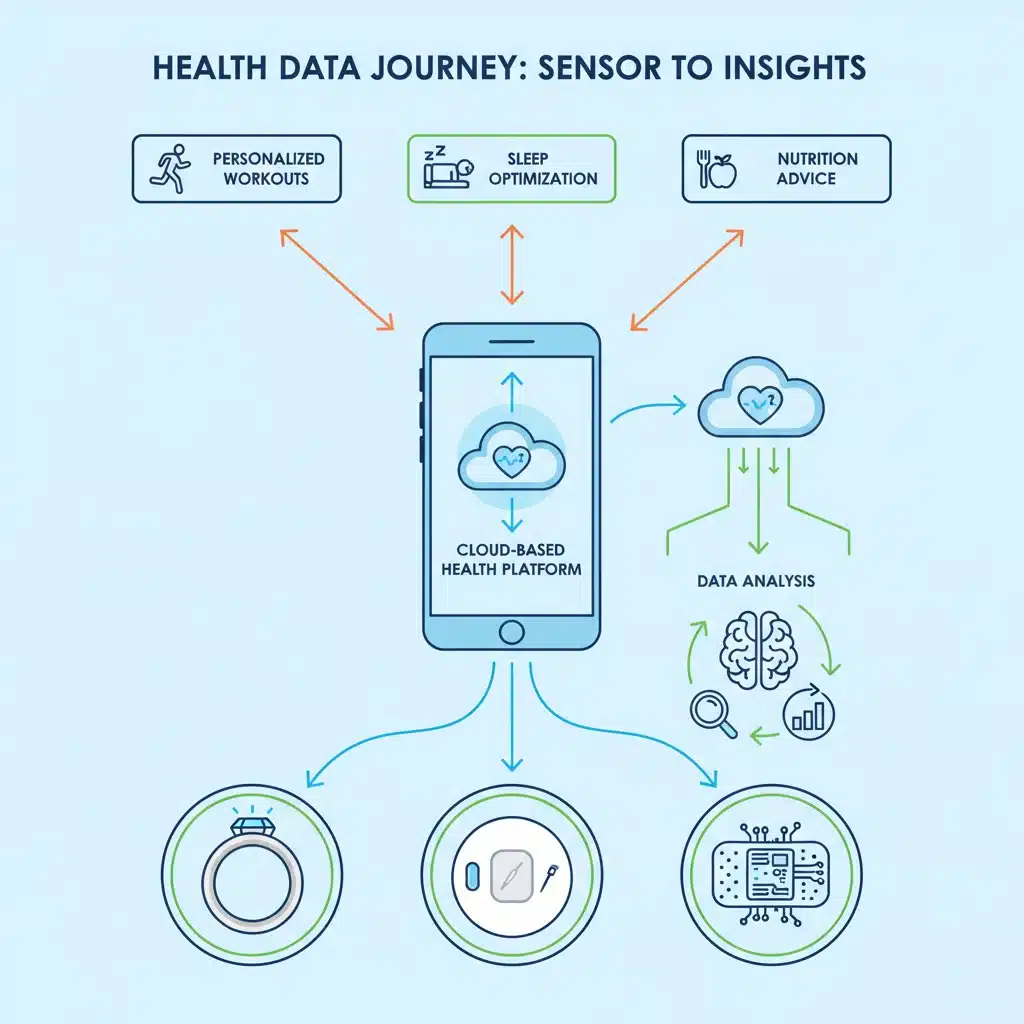
The current state also reflects a growing emphasis on data privacy and security, as these devices collect highly sensitive personal information. Manufacturers are increasingly implementing robust encryption and compliance with health regulations (like HIPAA in the US) to protect user data. Furthermore, the interoperability of these devices with electronic health records (EHRs) and telehealth platforms is becoming a critical factor, enabling seamless sharing of data with healthcare providers and facilitating remote consultations. This integration transforms raw data into actionable medical insights, making wearable health monitoring an invaluable tool for both individuals and clinicians.
Key Innovations Driving Wearable Health Monitoring in 2026
Several groundbreaking innovations are shaping the capabilities and future direction of wearable health monitoring. Understanding these advancements is key to identifying truly valuable investments.
Advanced Biometric Sensors and AI Integration
The core of any wearable device is its sensors. In 2026, we’re seeing a new generation of highly accurate, multi-modal sensors. Beyond the established heart rate and SpO2, devices are now incorporating advanced capabilities like continuous blood pressure monitoring (without traditional cuffs), non-invasive glucose monitoring, and even early detection of certain neurological conditions through subtle physiological changes. These sensors are smaller, more power-efficient, and less susceptible to motion artifacts, leading to more reliable data.
Crucially, raw sensor data is now being fed into sophisticated Artificial Intelligence (AI) and Machine Learning (ML) algorithms. These algorithms can identify subtle patterns and anomalies that human eyes might miss, offering predictive insights into potential health issues. For example, AI can analyze heart rate variability, sleep patterns, and activity levels to predict the onset of illness, assess stress levels more accurately, or even provide early warnings for cardiovascular events. This intelligent analysis transforms data into personalized, actionable health advice.
Seamless Integration with Healthcare Ecosystems
One of the most significant shifts is the move towards seamless integration with broader healthcare systems. wearable health monitoring devices are no longer standalone gadgets; they are becoming integral components of a connected health ecosystem. This means secure data sharing with doctors, telehealth platforms, and even insurance providers (with explicit user consent, of course). This integration facilitates remote patient monitoring, allowing healthcare professionals to track chronic conditions, monitor post-operative recovery, and provide timely interventions without the need for frequent in-person visits.
The ability for your wearable data to directly inform your medical records or trigger alerts for your care team is a game-changer. It streamlines communication, reduces administrative burden, and ultimately leads to more personalized and efficient healthcare delivery. This connectivity is particularly vital for an aging population and for managing widespread conditions like diabetes and hypertension.
Enhanced Battery Life and Miniaturization
The Achilles’ heel of early wearables was often battery life, requiring frequent recharging that disrupted continuous monitoring. In 2026, significant strides have been made in power efficiency and battery technology. Many devices now boast multi-day or even multi-week battery life, making continuous, uninterrupted data collection a reality. This is crucial for accurate sleep tracking, long-term trend analysis, and ensuring critical health alerts are not missed due to a dead battery.
Concurrently, miniaturization continues to make these devices less obtrusive and more comfortable. Smart rings, discreet patches, and even smart fabrics are becoming increasingly popular, offering powerful monitoring capabilities in forms that seamlessly blend into daily life. This comfort and discretion encourage greater adherence to wearing the devices, leading to more consistent and comprehensive data.
Top Categories of Wearable Health Monitoring Devices for 2026
Let’s explore the leading categories of wearable health monitoring devices and what makes them stand out in 2026.
1. Advanced Smartwatches: The All-in-One Health Hub
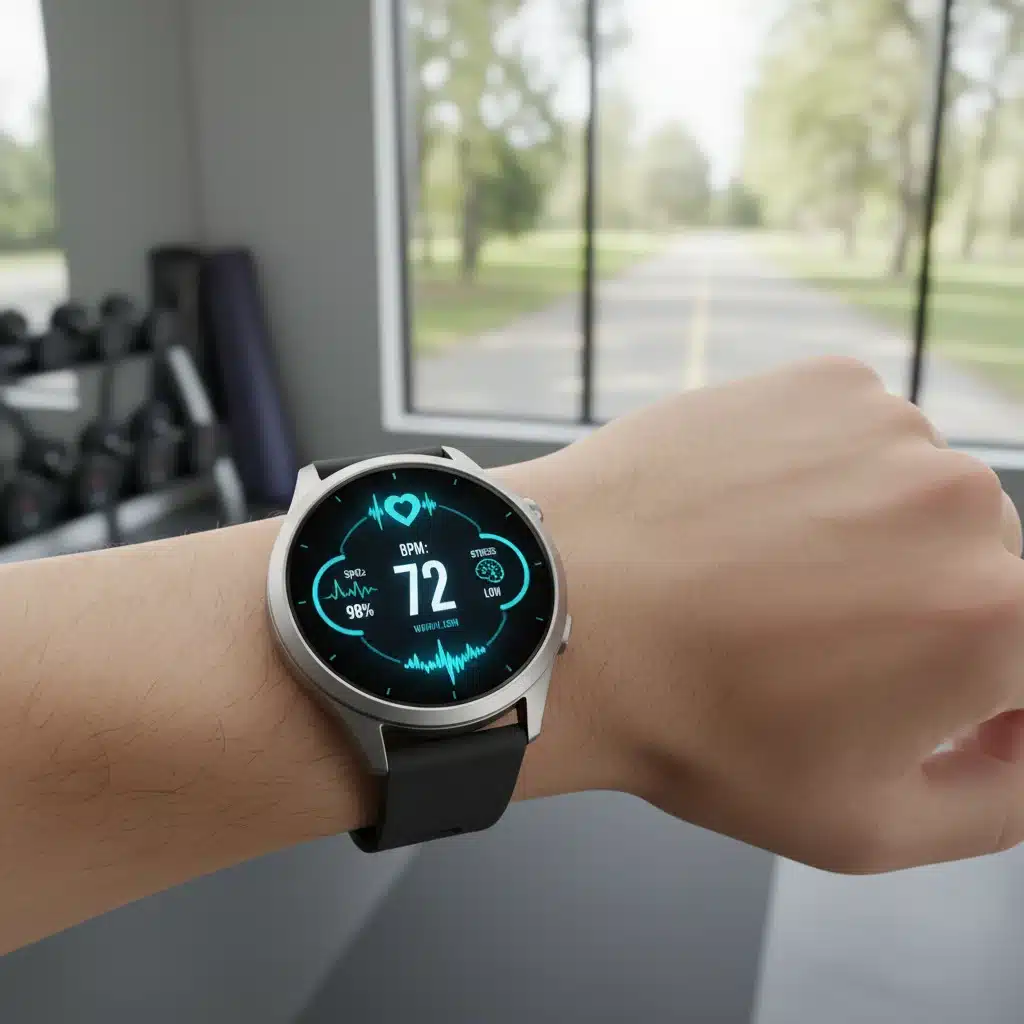
Smartwatches remain at the forefront of wearable health monitoring. In 2026, the premium models offer an unparalleled suite of features:
- Medical-Grade ECG: Enhanced accuracy for detecting atrial fibrillation and other cardiac arrhythmias.
- Continuous SpO2 Monitoring: Crucial for respiratory health, sleep apnea detection, and high-altitude activities.
- Non-Invasive Blood Pressure: While still evolving, some devices offer cuff-less blood pressure estimation, a significant convenience.
- Advanced Sleep Tracking: Beyond just duration, they analyze sleep stages, breathing irregularities, and provide personalized recommendations.
- Skin Temperature Sensing: Valuable for tracking illness, ovulation, and overall physiological changes.
- Stress and Recovery Metrics: Utilizing heart rate variability (HRV) and other biometrics to provide insights into mental and physical recovery.
- Fall Detection and Emergency SOS: Critical safety features, especially for the elderly or those with certain medical conditions.
When investing in a smartwatch for wearable health monitoring, look for FDA (or equivalent regulatory body) clearance for specific health features, robust app ecosystems, and compatibility with your existing smartphone and health platforms.
2. Smart Rings: Discreet and Powerful
Smart rings have emerged as a compelling alternative or complement to smartwatches, especially for those who prefer a more minimalist approach or desire uninterrupted sleep tracking. Their small form factor allows for highly accurate data collection, particularly for heart rate variability (HRV) and skin temperature, as the finger offers excellent vascular access.
- Superior Sleep Analysis: Many smart rings excel in sleep stage detection and recovery insights due to their unobtrusive nature.
- Resting Heart Rate and HRV: Provide critical indicators of overall health, stress, and recovery status.
- Body Temperature Tracking: Useful for illness detection, menstrual cycle tracking, and understanding metabolic changes.
- Activity and Calorie Tracking: While not as comprehensive as smartwatches for exercise metrics, they offer solid baseline activity monitoring.
The key advantage of smart rings for wearable health monitoring is their comfort and long battery life, often lasting several days on a single charge. They are ideal for continuous, passive monitoring without the visual prominence of a smartwatch.
3. Continuous Glucose Monitors (CGMs) for General Wellness
While traditionally used by individuals with diabetes, the market for non-invasive or minimally invasive CGMs for general wellness is expanding rapidly. These devices provide real-time insights into how diet, exercise, and stress impact blood sugar levels, even in non-diabetic individuals. Understanding glucose spikes and dips can be crucial for optimizing energy levels, managing weight, and preventing metabolic disorders.
- Real-time Glucose Feedback: Instantly see how different foods or activities affect your blood sugar.
- Dietary Optimization: Identify personalized dietary triggers for glucose fluctuations.
- Performance Enhancement: Athletes can use CGM data to optimize fuel intake and recovery.
- Early Metabolic Insight: For individuals at risk, CGMs can provide early warnings for insulin resistance.
As these devices become more affordable and less invasive, they represent a significant investment for anyone serious about metabolic health and personalized nutrition. The insights gained from wearable health monitoring via CGMs can be transformative.
4. Smart Patches and Biometric Sensors for Remote Monitoring
For more specialized or continuous monitoring, particularly in clinical or post-operative settings, smart patches and advanced biometric sensors are gaining traction. These adhesive, often disposable, patches can monitor a wide array of vital signs over extended periods without user intervention.
- Continuous ECG and Heart Rate: Ideal for long-term cardiac monitoring.
- Respiration Rate and Skin Temperature: Critical for detecting early signs of illness or deterioration.
- Activity and Fall Detection: Providing safety and mobility insights for vulnerable populations.
- Hydration and Sweat Analysis: Emerging technologies are exploring these metrics for athletic and medical applications.
These devices are particularly valuable for remote patient monitoring, allowing healthcare providers to keep a close eye on patients from a distance, reducing hospital readmissions and improving chronic disease management. For individuals, they offer peace of mind and proactive health management, making them a significant part of the wearable health monitoring landscape.
What to Consider When Investing in Wearable Health Monitoring Devices in 2026
Making an informed decision requires careful consideration of several factors beyond just features. Here’s what to prioritize:
Accuracy and Validation
This is paramount. For any health-related metric, accuracy is non-negotiable. Look for devices that have undergone clinical validation or received regulatory clearances (e.g., FDA, CE Mark) for their health features. While not all features require medical-grade accuracy, core metrics like heart rate, ECG, and SpO2 should be as reliable as possible. Reputable brands often publish white papers or studies supporting their device’s accuracy. Don’t be swayed by marketing hype alone; seek out independent reviews and scientific validation.
Data Privacy and Security
Your health data is highly personal and sensitive. Before investing, research the manufacturer’s data privacy policies. Understand how your data is collected, stored, and used. Look for devices that offer robust encryption, adhere to international data protection regulations (like GDPR), and provide clear options for data export and deletion. The ability to control who has access to your health information is a critical aspect of trust in wearable health monitoring.
App Ecosystem and User Experience
A powerful wearable is only as good as the app that interprets its data. A well-designed, intuitive app is essential for making sense of your health metrics. Look for apps that:
- Provide clear, actionable insights, not just raw data.
- Offer personalized recommendations based on your trends.
- Allow for easy data sharing with healthcare providers (if desired).
- Integrate with other health apps or platforms you use.
- Have a clean interface and are easy to navigate.
The overall user experience, from device setup to daily interaction, significantly impacts long-term adherence. A complex or frustrating app can quickly render even the most advanced wearable health monitoring device useless.
Battery Life and Comfort
For continuous monitoring, battery life is crucial. Devices that require daily charging can disrupt data collection, particularly for sleep tracking. Aim for devices with multi-day battery life. Comfort is equally important; if a device is uncomfortable to wear, you won’t wear it consistently, undermining its purpose. Consider the material, weight, and fit, especially if you plan to wear it during sleep or exercise. The best wearable health monitoring device is the one you actually wear.
Integration with Existing Devices and Services
Consider how the new wearable will fit into your existing digital ecosystem. Does it sync with your smartphone (iOS or Android)? Can it share data with your preferred fitness apps or smart home devices? Compatibility can enhance the overall utility and convenience of your wearable health monitoring setup. Look for open APIs or strong partnerships with other health and wellness platforms.
The Future Outlook: Beyond 2026 for Wearable Health Monitoring
While 2026 presents an exciting array of wearable health monitoring options, the future promises even more transformative advancements. We can anticipate:
- Predictive Health Analytics: AI will become even more sophisticated, moving beyond reactive alerts to genuinely predictive insights, warning users of potential health issues days or weeks in advance.
- Personalized Medicine: Wearable data, combined with genetic information and lifestyle factors, will fuel hyper-personalized health recommendations and treatment plans.
- Non-Invasive Biomarker Detection: Expect to see more devices capable of non-invasively monitoring a wider range of biomarkers, from stress hormones to inflammation markers, through sweat, tears, or even breath.
- Closed-Loop Systems: Integration with drug delivery systems, where wearables detect a need (e.g., for insulin) and trigger an automated response from a connected device.
- Implantable and Ingestible Sensors: While further out, these will offer even more precise and continuous internal monitoring, pushing the boundaries of what wearable health monitoring means.
- Ubiquitous Sensing: Health monitoring will be seamlessly integrated into everyday objects – clothing, furniture, environments – making health data collection invisible and effortless.
These developments underscore a future where health management is not just about treating illness but about continuously optimizing well-being and preventing disease through intelligent, personalized, and pervasive monitoring. The journey of wearable health monitoring is just beginning.
Making Your Investment Count: Practical Tips
To maximize your investment in wearable health monitoring in 2026, consider these practical tips:
- Define Your Needs: Are you primarily interested in fitness, sleep, chronic condition management, or general wellness? Your specific goals will guide your choice of device and features. Don’t overpay for features you won’t use.
- Read Reviews and Compare: Consult reputable tech and health review sites. Pay attention to user experiences, especially regarding accuracy, battery life, and app functionality.
- Check for Regulatory Clearance: For critical health metrics, prioritize devices with FDA or equivalent regulatory approvals. This indicates a higher standard of accuracy and reliability.
- Consider the Ecosystem: Think about how the device integrates with your smartphone, other apps, and potentially your healthcare provider. A cohesive ecosystem enhances utility.
- Prioritize Comfort and Design: If a device isn’t comfortable or aesthetically pleasing to you, you’re less likely to wear it consistently.
- Understand Subscription Models: Some advanced features or data insights may require a monthly or annual subscription. Factor this into your long-term cost.
- Start Simple, Then Expand: If you’re new to wearables, you might start with a well-rounded smartwatch and then consider specialized devices like smart rings or CGMs as your needs evolve.
By following these guidelines, you can ensure that your investment in wearable health monitoring is not just a purchase, but a strategic step towards a healthier, more informed future.
Conclusion: Empowering Your Health Journey with Wearable Technology
The year 2026 marks a pivotal moment in the evolution of wearable health monitoring. These devices have transcended their origins as simple gadgets, transforming into sophisticated personal health companions capable of providing unprecedented insights into our bodies. From advanced smartwatches offering a comprehensive health overview to specialized smart rings and continuous glucose monitors, the options for proactive health management are more diverse and powerful than ever before.
Investing in wearable health monitoring is an investment in yourself. It’s about gaining agency over your health data, understanding your body’s unique responses, and making informed decisions that lead to better well-being. The seamless integration with healthcare ecosystems, coupled with the power of AI and enhanced sensor accuracy, means that these devices are not just tracking your health; they are actively helping you manage and improve it.
As you consider your next purchase, remember to prioritize accuracy, data privacy, user experience, and how well the device fits into your lifestyle. The right wearable health monitoring device can be a powerful tool, empowering you to live a healthier, more informed, and more proactive life. Embrace the future of personal health – it’s literally at your fingertips.