US Agricultural Commodity Prices 2026: Forecast and Analysis
The agricultural sector is a cornerstone of the US economy, and understanding the trajectory of agricultural commodity forecast is paramount for farmers, investors, policymakers, and consumers alike. As we look ahead to the next six months of 2026, a confluence of global and domestic factors will undoubtedly shape the prices of key agricultural products. This comprehensive analysis delves into the intricate dynamics influencing the US agricultural market, providing insights and expectations for the period.
The first half of 2026 promises to be a critical period for agricultural markets. Geopolitical tensions, evolving trade policies, climate change impacts, and shifts in global demand are all poised to play significant roles. For anyone involved in or affected by the agricultural industry, having a clear perspective on the potential direction of these markets is essential for informed decision-making and strategic planning.
Understanding the Current Landscape: A Review of 2025
Before peering into the future, a brief retrospective of 2025 provides crucial context. The year 2025 was characterized by a mix of volatility and stabilization in agricultural markets. Early in the year, lingering supply chain disruptions from previous years, coupled with robust global demand, contributed to elevated prices for many commodities. However, as the year progressed, improved harvests in certain regions and a slight cooling of global economic growth brought some equilibrium. Key events included:
- Global Supply Chain Normalization: While not fully resolved, many of the bottlenecks experienced in prior years began to ease, allowing for more efficient movement of goods.
- Weather Extremes: Pockets of severe drought in some major producing regions contrasted with excessive rainfall in others, leading to localized production shortfalls and surpluses. These events underscored the increasing impact of climate change on agricultural output.
- Energy Price Fluctuations: The cost of energy, particularly crude oil, continued to influence agricultural input costs such as fertilizers and transportation, indirectly affecting commodity prices.
- Geopolitical Developments: Ongoing conflicts and trade disputes in various parts of the world created uncertainties, leading to speculative trading and price swings.
The lessons learned from 2025, particularly regarding resilience in the face of climate challenges and the interconnectedness of global markets, will undoubtedly inform the strategies and outcomes in the first half of 2026. The agricultural commodity forecast for the upcoming period must account for these foundational elements.
Key Factors Driving the Agricultural Commodity Forecast for H1 2026
Several critical factors will converge to shape the agricultural commodity forecast in the US during the first six months of 2026. A nuanced understanding of these drivers is essential for accurate predictions.
1. Global Supply and Demand Dynamics
The fundamental economic principles of supply and demand remain the primary determinants of commodity prices. For H1 2026, several aspects of global supply and demand warrant close attention:
- Crop Production in Major Exporting Nations: Beyond the US, the harvests in countries like Brazil, Argentina, Australia, and the EU will significantly impact global supply. Favorable weather conditions and increased acreage in these regions could lead to higher global supplies, potentially dampening US prices. Conversely, production shortfalls due to adverse weather or pest outbreaks could drive prices up.
- Emerging Market Demand: The economic growth trajectories of populous nations in Asia, Africa, and Latin America will dictate their demand for agricultural imports. A robust economic expansion in these regions typically translates to increased demand for staple crops and protein sources, supporting higher commodity prices.
- Food Security Concerns: Global food security remains a pressing issue. Any significant disruptions to supply chains or localized crop failures due to climate events or conflicts could trigger panic buying and price spikes on the international market, directly influencing US prices.
2. Weather Patterns and Climate Change Impacts
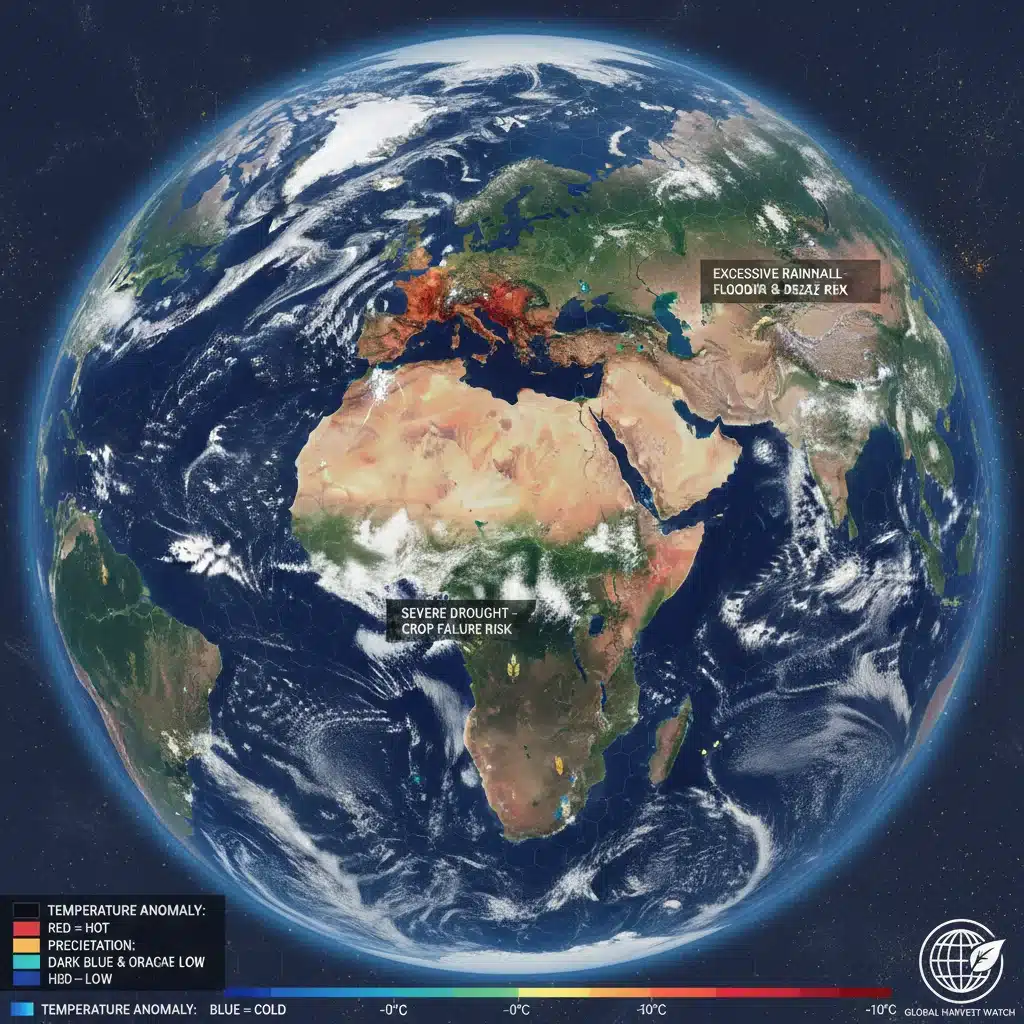
The influence of weather on agricultural output cannot be overstated. The first half of 2026 will likely see continued manifestations of climate change, impacting planting, growing, and harvesting seasons.
- El Niño/La Niña Cycle: The presence or absence of El Niño or La Niña weather phenomena will be a major determinant. El Niño typically brings warmer and drier conditions to the northern US and wetter conditions to the southern US, while La Niña often results in the opposite. These cycles have profound implications for crop yields.
- Regional Droughts and Floods: Specific regions, both domestically and internationally, face ongoing risks of extreme weather. Persistent drought in the Western US or excessive rainfall in the Midwest during critical planting or harvesting periods could severely affect production and subsequently, prices.
- Temperature Extremes: Unseasonably high or low temperatures during crucial growth stages can stress crops, reduce yields, and impact quality.
3. Geopolitical Landscape and Trade Policies
The geopolitical environment continues to be a significant wild card in the agricultural commodity forecast. Trade relations and international stability directly affect market access and supply routes.
- US-China Trade Relations: The relationship between the US and China, two of the world’s largest agricultural players, will continue to be critical. Any shifts in trade agreements, tariffs, or import quotas could have immediate and substantial effects on US agricultural exports, particularly for soybeans and corn.
- Conflict Zones: Ongoing conflicts in key agricultural regions, such as the Black Sea region, can disrupt supply chains, reduce export capacities, and trigger global price volatility for grains and oilseeds.
- Bilateral and Multilateral Trade Agreements: New or revised trade agreements with other nations could open up new markets for US agricultural products or create increased competition from imports.
4. Energy Prices and Input Costs
The cost of producing agricultural commodities is heavily influenced by energy prices. Fuel for farm machinery, natural gas for fertilizer production, and transportation costs are all directly tied to energy markets.
- Crude Oil Prices: Sustained high crude oil prices will translate to higher fuel costs for farmers and increased expenses for transporting commodities to market, potentially pushing commodity prices upwards.
- Fertilizer Costs: The production of nitrogen fertilizers is energy-intensive, primarily relying on natural gas. Fluctuations in natural gas prices can therefore directly impact fertilizer costs, affecting farmers’ planting decisions and overall profitability.
- Logistics and Transportation: The efficiency and cost of freight (rail, truck, barge) are crucial. Labor shortages, infrastructure issues, or rising fuel prices can all increase transportation costs, which are often passed on to consumers or reflected in lower farmgate prices.
5. Dollar Strength and Monetary Policy
The strength of the US dollar against other major currencies plays a significant role in making US agricultural exports more or less competitive on the global market. Furthermore, central bank policies can influence investment flows into commodities.
- US Dollar Index: A stronger dollar makes US exports more expensive for foreign buyers, potentially reducing demand and putting downward pressure on prices. Conversely, a weaker dollar can boost export competitiveness.
- Interest Rates: The Federal Reserve’s monetary policy, particularly interest rate decisions, can influence the cost of borrowing for farmers and the attractiveness of holding commodities as an investment. Higher interest rates can sometimes divert investment away from commodities.
Commodity-Specific Outlook for H1 2026
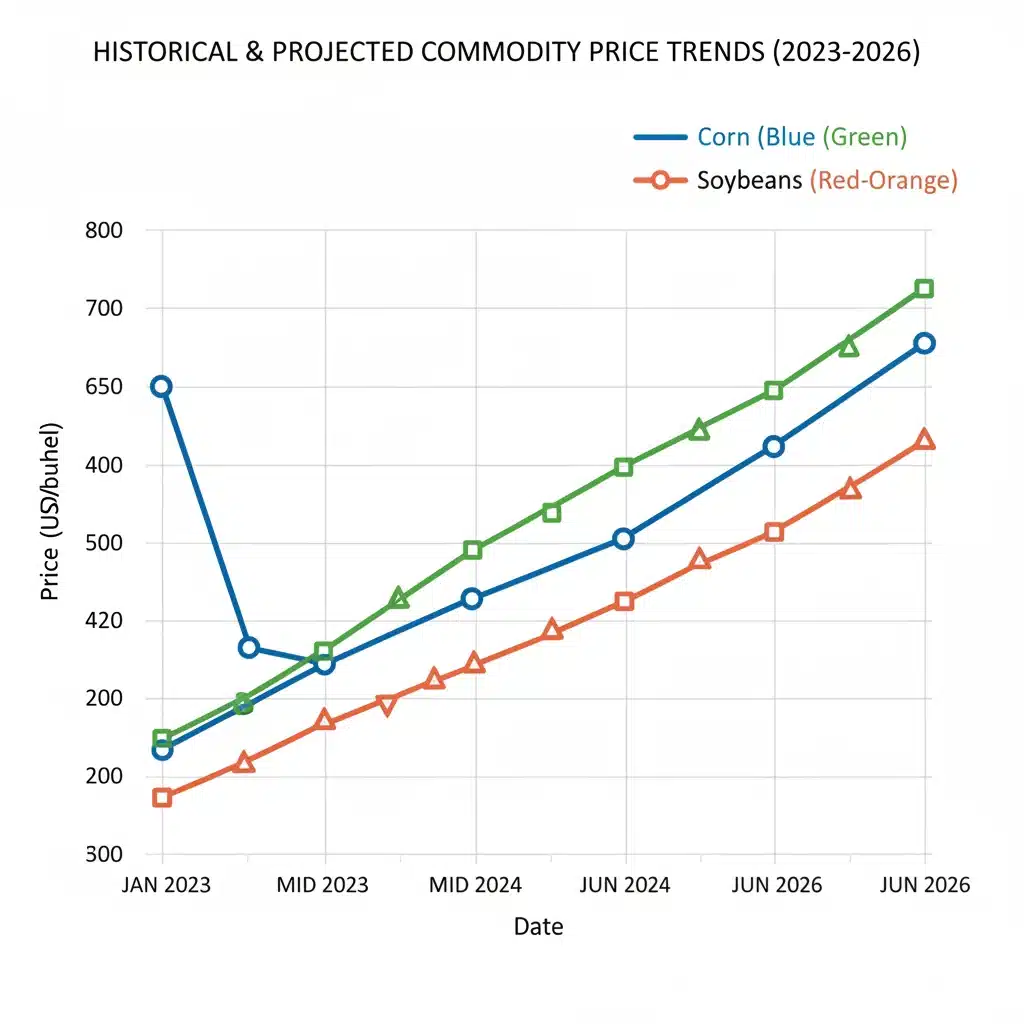
While general trends apply across the board, each major agricultural commodity has its unique supply and demand characteristics that will shape its individual agricultural commodity forecast.
Corn
- Supply: US corn production will be heavily dependent on spring planting conditions and summer weather in the Corn Belt. Global production from South America (Brazil, Argentina) during their harvest season will also be a major factor.
- Demand: Ethanol production in the US remains a significant demand driver. Livestock feed demand, both domestically and internationally, will also be crucial. Exports to China and other Asian markets will be closely watched.
- Price Expectation: Moderate volatility is expected. If US planting is robust and global supplies are ample, prices might see downward pressure. However, strong export demand or any weather-related disruptions could quickly reverse this trend.
Soybeans
- Supply: South American soybean production (Brazil’s first and second crops, Argentina’s harvest) will dominate the early part of H1 2026. US planting intentions and early growth conditions will become critical later in the period.
- Demand: China’s demand for soybeans for its hog industry is the single largest factor influencing global soybean prices. Biodiesel production in the US and Europe also contributes significantly to demand.
- Price Expectation: Soybeans are highly sensitive to global trade and weather in South America. Prices could remain firm if South American production faces challenges or if Chinese demand remains strong. Any signs of trade tensions easing or significant increases in global supply could lead to price moderation.
Wheat
- Supply: The global wheat market is complex, with major producers including the US, Russia, Ukraine, EU, Australia, and Canada. Winter wheat conditions in the US and the Northern Hemisphere will be key. Geopolitical stability in the Black Sea region will continue to influence supply.
- Demand: Wheat is a staple food globally. Demand is relatively inelastic but can be influenced by population growth and dietary shifts. Export competitiveness from various origins will play a role.
- Price Expectation: Wheat prices are likely to remain sensitive to geopolitical developments and weather conditions in major growing regions. If Black Sea exports remain constrained or if key producing regions face adverse weather, prices could see upward momentum. Ample global supplies, however, could lead to a more stable to slightly weaker market.
Cattle and Hogs
- Supply: Livestock cycles are longer than crop cycles. Cattle inventories have been tightening in recent years due to drought and herd rebuilding efforts, suggesting potentially tighter supplies in H1 2026. Hog supplies are more responsive to market signals but are also influenced by feed costs.
- Demand: Domestic and international consumer demand for meat products will be crucial. Economic conditions and consumer purchasing power will play a role.
- Price Expectation: Cattle prices could remain elevated due to tighter supplies, barring a significant drop in demand. Hog prices will be influenced by feed costs and any outbreaks of animal diseases, which can rapidly alter supply.
Technological Innovations and Their Market Impact
The agricultural sector is continuously evolving, with technological advancements playing an increasingly vital role in shaping future production and, consequently, prices. For the agricultural commodity forecast in H1 2026, several innovations bear watching:
- Precision Agriculture: The widespread adoption of GPS-guided machinery, drones for field monitoring, and variable-rate application technologies continues to optimize input usage (fertilizer, water, pesticides). This can lead to increased yields and reduced waste, potentially boosting overall supply and efficiency.
- Biotechnology and Seed Innovations: Development of new crop varieties resistant to pests, diseases, and extreme weather conditions (drought, heat) can help stabilize yields and reduce risks, contributing to more consistent supply.
- Data Analytics and AI: Advanced analytics are being used to predict weather patterns, market trends, and optimize planting and harvesting schedules. Better forecasting can lead to more efficient resource allocation and potentially less price volatility due to unexpected supply shocks.
- Sustainable Farming Practices: Growing consumer and regulatory pressure for sustainable and environmentally friendly farming methods could influence production costs and market preferences. Technologies supporting carbon sequestration and reduced environmental footprint might gain traction.
While these innovations primarily aim to improve efficiency and yield stability, their cumulative effect over the medium to long term can significantly alter the supply side of the agricultural commodity forecast equation.
Risk Factors and Uncertainties
Despite the best forecasts, the agricultural markets are inherently susceptible to unforeseen events. Several risk factors and uncertainties could significantly alter the agricultural commodity forecast for H1 2026:
- Unpredictable Weather Events: A sudden, severe drought or flood in a major producing region, either in the US or globally, could drastically cut yields and send prices soaring.
- Geopolitical Shocks: Escalation of existing conflicts, emergence of new ones, or sudden changes in trade policies (e.g., new tariffs or export bans) could disrupt supply chains and market access.
- Economic Downturn: A significant global economic recession could reduce consumer demand for food and feed, leading to lower commodity prices. Conversely, a stronger-than-expected recovery could boost demand.
- Disease Outbreaks: Animal disease outbreaks (e.g., African Swine Fever, Avian Influenza) can devastate livestock populations, affecting meat supplies and feed demand. Plant diseases or pest infestations can also have a localized or widespread impact on crop yields.
- Speculative Trading: Commodity markets are often influenced by speculative trading, where large investment funds can amplify price movements based on perceived future trends rather than immediate supply and demand fundamentals.
Monitoring these risk factors is crucial, as any one of them could quickly invalidate even the most carefully constructed agricultural commodity forecast.
Strategic Implications for Stakeholders
The anticipated trends and inherent uncertainties within the agricultural commodity forecast for H1 2026 present both challenges and opportunities for various stakeholders:
For Farmers:
- Risk Management: Employing robust risk management strategies, including crop insurance, forward contracting, and hedging through futures and options, will be more critical than ever.
- Input Cost Management: Carefully monitor energy and fertilizer prices and consider pre-purchasing inputs when prices are favorable.
- Diversification: Where feasible, diversifying crop rotation can help mitigate the impact of price swings in a single commodity.
- Data Utilization: Leverage precision agriculture data and market analytics to make informed decisions about planting, harvesting, and selling.
For Agribusinesses and Processors:
- Supply Chain Resilience: Strengthen supply chain networks to withstand potential disruptions from weather events or geopolitical issues.
- Hedging Strategies: Utilize commodity futures and options to lock in input costs or protect against price declines in finished products.
- Market Intelligence: Invest in robust market intelligence to anticipate price movements and adjust procurement and sales strategies accordingly.
For Investors and Traders:
- Diversification: Consider diversifying portfolios across different agricultural commodities and other asset classes to mitigate risk.
- Fundamental and Technical Analysis: Combine fundamental analysis of supply and demand factors with technical analysis of price charts to identify trading opportunities.
- Stay Informed: Closely follow geopolitical developments, weather forecasts, and USDA reports for timely insights.
For Policymakers:
- Support for Farmers: Continue to provide support mechanisms and safety nets for farmers facing increased volatility and climate risks.
- Trade Policy: Pursue stable and predictable trade policies that facilitate agricultural exports and reduce trade barriers.
- Infrastructure Investment: Invest in resilient agricultural infrastructure, including transportation and storage, to enhance market efficiency and reduce losses.
Conclusion: Navigating the Future of US Agricultural Commodities
The agricultural commodity forecast for the US in the first six months of 2026 points towards a dynamic and potentially volatile market. While a baseline expectation suggests moderate price movements, the interplay of global supply and demand, unpredictable weather patterns, geopolitical tensions, and economic shifts creates a complex environment.
Corn, soybeans, and wheat will likely experience continued influence from South American harvests, US planting conditions, and global export demand, particularly from China. Livestock prices, especially cattle, may remain strong due to tightening supplies, although feed costs will be a critical variable. Energy prices and the strength of the US dollar will continue to exert indirect but significant pressure on the entire sector.
For all stakeholders, adaptability, robust risk management, and access to timely, accurate information will be key to successfully navigating this period. The ability to react swiftly to emerging trends and unforeseen events will differentiate those who thrive from those who struggle. By understanding the multifaceted drivers and potential risks, the US agricultural sector can better prepare for the opportunities and challenges that the first half of 2026 will undoubtedly bring.
The future of agricultural commodities is never set in stone, but with careful analysis and proactive strategies, market participants can position themselves to optimize outcomes in an ever-changing global landscape. The continuous monitoring of the agricultural commodity forecast will be an ongoing endeavor, essential for sustainable success in this vital industry.