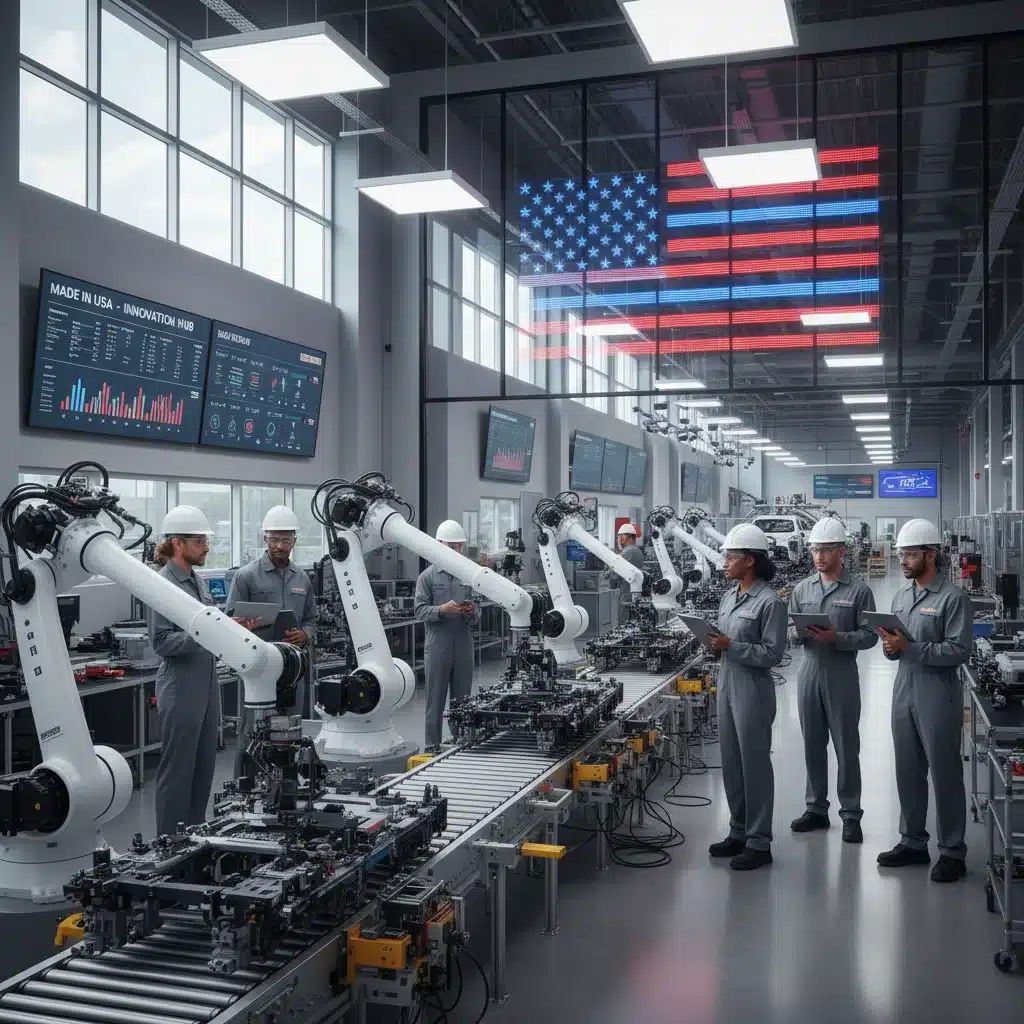
Understanding US Manufacturing in 2026: How Reshoring Initiatives are Driving a 9% Production Boost
The landscape of global commerce is in constant flux, but few shifts have been as profound and transformative as the recent acceleration of US manufacturing reshoring. For decades, the allure of lower labor costs and expansive global supply chains led many American companies to offshore their production. However, a confluence of factors – from geopolitical tensions and supply chain vulnerabilities to a renewed focus on domestic economic resilience – has ignited a powerful movement back to American soil. This article delves into the intricate dynamics of this trend, projecting a significant 9% boost in US manufacturing output by 2026, directly attributable to these strategic reshoring initiatives.
The implications of this resurgence are vast, touching every facet of the American economy, from job creation and technological innovation to national security and environmental sustainability. As we navigate the mid-2020s, understanding the mechanisms, challenges, and opportunities presented by US manufacturing reshoring is paramount for businesses, policymakers, and the public alike.
The Shifting Tides: Why Reshoring is Gaining Momentum
The decision to reshore manufacturing is rarely simple, involving complex calculations of cost, risk, and strategic advantage. Yet, an increasing number of companies are finding the balance tipping in favor of domestic production. Several key drivers are fueling this momentum:
Supply Chain Resilience and Risk Mitigation
The COVID-19 pandemic served as a stark reminder of the fragility of extended global supply chains. Disruptions in distant factories, shipping bottlenecks, and geopolitical uncertainties led to critical shortages across various sectors, from medical supplies to semiconductors. Reshoring offers a powerful antidote, shortening supply lines, reducing transit times, and providing greater control over the entire production process. This enhanced resilience is a major draw for companies looking to mitigate future risks and ensure continuity of operations.
Geopolitical Realities and National Security
Increasing geopolitical tensions, particularly with major manufacturing hubs, have underscored the strategic importance of domestic production. Industries deemed critical for national security, such as defense, pharmaceuticals, and advanced technology, are seeing significant government encouragement and incentives for reshoring. Ensuring a reliable domestic supply of essential goods and components is no longer just an economic consideration but a matter of national strategic imperative.
Technological Advancements: Automation and Advanced Manufacturing
The rise of Industry 4.0 technologies – including advanced robotics, artificial intelligence, 3D printing, and the Internet of Things (IoT) – has fundamentally altered the economics of manufacturing. Automation can significantly reduce the reliance on cheap labor, thereby diminishing the cost advantage of offshore production. These technologies enable higher precision, greater efficiency, and more flexible production lines, making US manufacturing reshoring a more viable and competitive option. Companies can now achieve high-quality, customized products at competitive prices domestically, leveraging automation to offset labor cost differentials.
Government Incentives and Policy Support
Both federal and state governments are actively promoting reshoring through a variety of incentives. These include tax breaks, subsidies for R&D and capital investment, workforce development programs, and ‘Buy American’ provisions. Legislation aimed at strengthening critical supply chains, such as the CHIPS and Science Act, has funneled billions into domestic semiconductor manufacturing, serving as a prime example of targeted policy support driving reshoring efforts. Such policies create a more favorable environment for companies considering a return to US production.
Consumer Preference and Brand Image
There’s a growing consumer preference for ‘Made in USA’ products, often associated with higher quality, ethical labor practices, and supporting local economies. Companies that reshore can leverage this sentiment to enhance their brand image, build customer loyalty, and even command premium pricing for certain goods. The narrative of bringing jobs back home resonates strongly with a significant segment of the American populace.
The Economic Impact: A 9% Production Boost by 2026
The projected 9% increase in US manufacturing output by 2026 is a robust indicator of the profound economic impact of US manufacturing reshoring. This growth is not merely an abstract figure; it translates into tangible benefits across the economy:
Job Creation and Workforce Development
Reshoring directly leads to the creation of new manufacturing jobs, from entry-level positions to highly skilled engineering and technical roles. This influx of jobs helps to revitalize local economies, particularly in regions that have historically suffered from industrial decline. Furthermore, it necessitates significant investment in workforce development programs to train workers in advanced manufacturing techniques, thereby enhancing the skills base of the American labor force.
Increased Domestic Investment and GDP Growth
Companies that reshore often invest heavily in new facilities, machinery, and technology. This capital expenditure fuels domestic investment, stimulating growth in related industries such as construction, logistics, and technology services. The overall increase in manufacturing output contributes directly to the nation’s Gross Domestic Product (GDP), signaling a healthier and more robust economy.
Innovation and Technological Advancement
Bringing production back to the US often means bringing R&D and innovation closer to the factory floor. This proximity fosters a more integrated approach to product development and process improvement, accelerating the adoption of new technologies and driving further innovation. The US can solidify its position as a global leader in advanced manufacturing, creating a virtuous cycle of innovation and economic growth.
Reduced Trade Deficits and Enhanced Economic Stability
By producing more goods domestically, the US can reduce its reliance on imports, potentially leading to a narrowing of trade deficits. This shift contributes to greater economic stability, making the nation less susceptible to global economic shocks and currency fluctuations. A stronger domestic industrial base provides a more secure foundation for long-term economic prosperity.

Key Sectors Leading the Reshoring Charge
While US manufacturing reshoring is a broad trend, certain sectors are at the forefront, experiencing significant shifts:
- Semiconductors: Driven by the CHIPS Act, massive investments are being made to build new fabs and strengthen domestic chip production, crucial for nearly all modern technologies.
- Pharmaceuticals and Medical Devices: The pandemic highlighted critical dependencies on foreign sources for essential medicines and medical supplies, leading to a push for greater domestic self-sufficiency.
- Electric Vehicles (EVs) and Batteries: As the automotive industry transitions to EVs, there’s a strong imperative to establish domestic supply chains for battery manufacturing and EV components to secure future competitiveness.
- Aerospace and Defense: These sectors have always had a strong domestic component due to national security concerns, but reshoring efforts are reinforcing this trend, particularly for advanced materials and specialized components.
- Critical Minerals and Materials: Efforts are underway to reduce reliance on foreign sources for rare earth elements and other critical minerals essential for high-tech manufacturing.
Challenges and Hurdles on the Path to Reshoring Success
Despite the compelling benefits, US manufacturing reshoring is not without its challenges. Overcoming these hurdles is crucial for realizing the full potential of the 9% production boost:
Skilled Labor Shortages
One of the most significant challenges is the availability of a skilled workforce. Decades of offshoring led to a decline in manufacturing vocational training and expertise. There is a pressing need for robust education and training programs to equip workers with the skills required for advanced manufacturing, robotics, and digital technologies. Bridging this skills gap is paramount.
High Labor and Operating Costs
Even with automation, US labor costs generally remain higher than in many offshore locations. Companies must strategically leverage automation, efficiency gains, and premium pricing strategies to offset these higher costs. Energy costs, regulatory compliance, and environmental standards can also contribute to a higher operating expense base.
Capital Investment and Infrastructure
Establishing new manufacturing facilities or upgrading existing ones requires substantial capital investment. Companies need access to favorable financing, and governments must continue to invest in infrastructure (e.g., reliable energy grids, transportation networks) to support this industrial expansion. The initial outlay can be a deterrent for some businesses.
Supply Chain Ecosystem Development
While reshoring brings final assembly closer to home, a robust domestic supply chain ecosystem of component suppliers, raw material providers, and specialized service companies is essential. Rebuilding these intricate networks takes time and coordinated effort, as many have atrophied or moved offshore over the years.
Strategies for Successful Reshoring
For companies contemplating or actively engaged in reshoring, several strategic approaches can enhance success:
Embrace Automation and Digital Transformation
Investing in advanced robotics, AI-driven analytics, and IoT sensors is not just an option but a necessity. These technologies improve efficiency, reduce labor costs per unit, enhance quality control, and provide the flexibility needed to compete globally from a domestic base. Digital twins and predictive maintenance can further optimize operations.
Invest in Workforce Training and Education
Collaborate with educational institutions, community colleges, and vocational schools to develop tailored training programs. Apprenticeships and on-the-job training are critical for developing the next generation of skilled manufacturing workers. Companies should also focus on upskilling their existing workforce to adapt to new technologies.
Strategic Location Selection
Choosing the right location is vital. Factors such as proximity to raw materials, access to skilled labor pools, transportation infrastructure, and state-level incentives can significantly impact the viability and profitability of a reshoring project. Economic development agencies can play a crucial role in facilitating these decisions.
Foster a Collaborative Ecosystem
Engage with local suppliers, research institutions, and industry associations to build a strong domestic manufacturing ecosystem. Collaboration can lead to shared resources, innovative solutions, and a more resilient supply chain that supports multiple businesses within a region.
Leverage Government Support and Incentives
Actively research and apply for federal and state grants, tax credits, and other incentive programs designed to promote domestic manufacturing. Staying informed about policy changes and engaging with policymakers can also help shape a more favorable environment for reshoring.
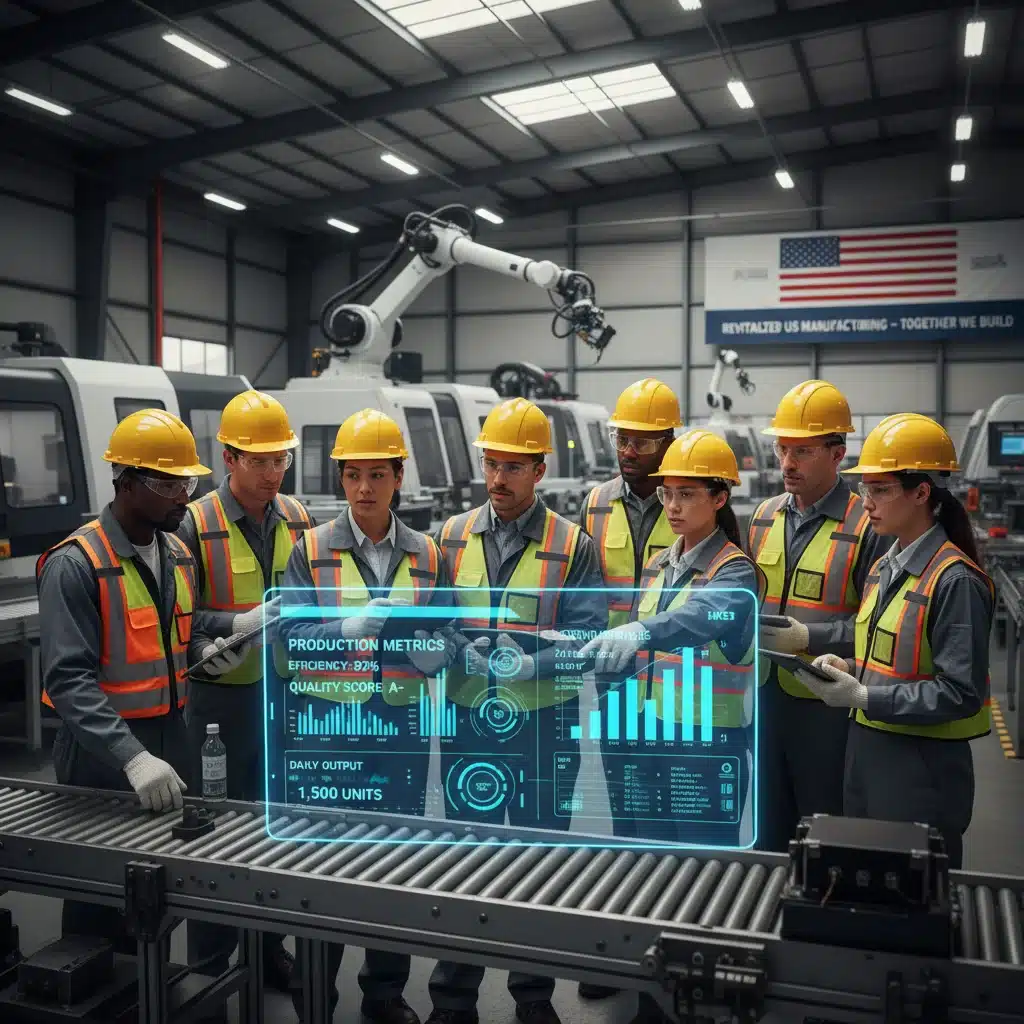
The Long-Term Vision: Beyond 2026
While a 9% production boost by 2026 is an impressive near-term goal, the vision for US manufacturing reshoring extends far beyond. The continued growth and strengthening of the domestic industrial base will have lasting impacts:
Enhanced Global Competitiveness
By becoming more efficient, innovative, and resilient, US manufacturing can reassert its position as a global leader, not just in high-tech sectors but across a broader range of industries. This competitiveness will be driven by a combination of advanced technology, skilled labor, and strategic supply chain management.
Greater Economic Security and Stability
A diversified and robust domestic manufacturing sector reduces national vulnerability to external shocks, whether economic, geopolitical, or health-related. This enhanced security translates into greater stability for businesses, consumers, and the overall economy.
Sustainable Manufacturing Practices
Reshoring provides an opportunity to build manufacturing processes that are inherently more sustainable. With stricter environmental regulations and a greater focus on green technologies in the US, new domestic factories can be designed with lower carbon footprints, reduced waste, and more efficient resource utilization, contributing to broader climate goals.
Revitalization of Communities
The return of manufacturing jobs and investment can breathe new life into communities that have struggled with deindustrialization. This includes not only direct job creation but also the ancillary growth in service industries, retail, and local businesses, fostering a more vibrant and equitable economic landscape.
Conclusion
The journey of US manufacturing reshoring is a complex yet undeniably promising one. The projected 9% increase in production by 2026 is a testament to the confluence of economic necessity, strategic imperative, and technological opportunity. While challenges such as labor shortages and capital intensity remain, the concerted efforts of businesses, government, and educational institutions are paving the way for a revitalized American industrial base.
This shift is more than just an economic trend; it represents a fundamental re-evaluation of how goods are produced and supplied in a rapidly changing world. By embracing advanced manufacturing, investing in its workforce, and strategically navigating global complexities, the United States is poised to build a more resilient, innovative, and prosperous manufacturing future. The ‘Made in USA’ label is set to regain its prominence, symbolizing not just origin, but a commitment to quality, sustainability, and economic strength.