US Energy Market Outlook 2026: Analyzing a 20% Increase in Renewable Energy Investments
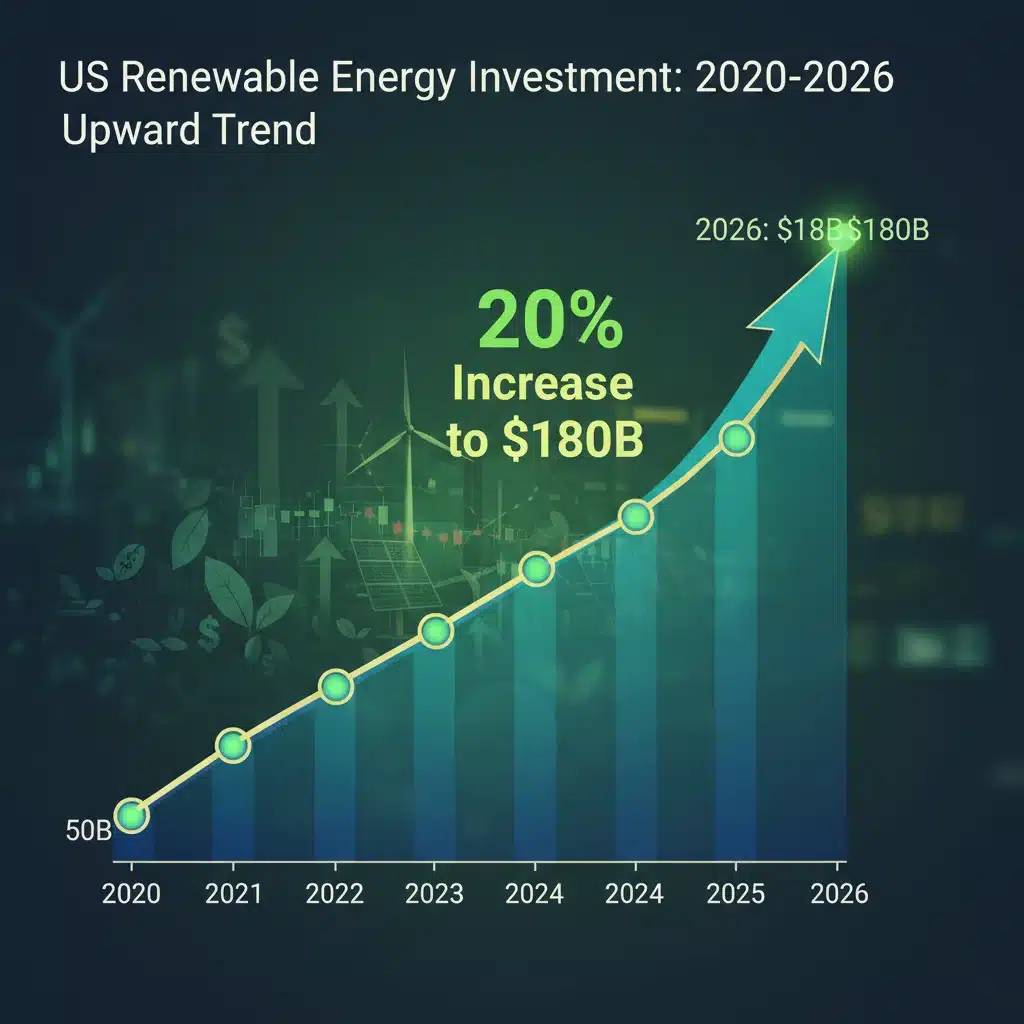
The landscape of the US energy market is undergoing a monumental shift, with 2026 projected to be a pivotal year marked by an unprecedented surge in renewable energy investments. As global attention intensifies on climate change and sustainable development, the United States is positioning itself at the forefront of this green revolution. This comprehensive analysis delves into the anticipated 20% increase in renewable energy investments, exploring the catalysts driving this growth, the profound implications for the economy and environment, and the challenges that lie ahead.
Understanding the dynamics of the US energy market requires a multi-faceted approach, encompassing policy frameworks, technological advancements, economic incentives, and evolving consumer demands. The projected 20% increase is not merely a statistical anomaly; it represents a fundamental recalibration of energy priorities, moving away from traditional fossil fuels towards a more sustainable and resilient energy infrastructure. This shift is expected to generate significant economic opportunities, foster innovation, and contribute substantially to national and global climate goals.
The Driving Forces Behind the Renewable Energy Boom
Several interconnected factors are propelling this remarkable growth in US renewable energy investments. Policy support, technological breakthroughs, and financial incentives are creating a fertile ground for sustainable energy projects across the nation.
Policy and Regulatory Tailwinds
Government policies play an indispensable role in shaping the energy sector. The current administration’s commitment to climate action, coupled with bipartisan support for domestic energy production, has created a robust regulatory environment favorable to renewables. Initiatives such as tax credits, grants, and streamlined permitting processes for solar, wind, and other clean energy projects are directly incentivizing private sector investment. The Inflation Reduction Act (IRA), for instance, has been a game-changer, extending and expanding tax credits for renewable energy technologies, manufacturing, and deployment. These long-term policy signals provide certainty for investors, encouraging them to commit significant capital to the US renewable energy sector. State-level mandates, such as Renewable Portfolio Standards (RPS) that require utilities to source a certain percentage of their electricity from renewable sources, further amplify this trend, creating a stable demand for clean energy generation.
Technological Advancements and Cost Reductions
The relentless pace of technological innovation is another critical driver. Over the past decade, the cost of generating electricity from solar photovoltaics and wind turbines has plummeted dramatically, making them increasingly competitive with, and often cheaper than, fossil fuel-based generation. Advances in battery storage technology are also addressing the intermittency challenges associated with renewables, making them a more reliable and dispatchable power source. Improved efficiency, longer lifespans, and enhanced manufacturing processes continue to drive down the levelized cost of energy (LCOE) for renewable technologies. This economic competitiveness is a powerful incentive for investors, as projects now offer attractive returns even without significant subsidies. The evolution of smart grid technologies and advanced energy management systems further enhances the integration of diverse renewable sources into the national grid, optimizing energy flow and minimizing waste. Furthermore, innovations in offshore wind technology, geothermal energy, and advanced biofuels are opening up new avenues for investment and energy production, diversifying the portfolio of US renewable energy options.
Growing Investor Confidence and ESG Factors
Beyond policy and technology, there’s a palpable shift in investor sentiment. Environmental, Social, and Governance (ESG) criteria are increasingly influencing investment decisions, with a growing number of institutional and individual investors seeking to align their portfolios with sustainable and ethical practices. Renewable energy projects, by their very nature, score highly on ESG metrics, attracting a wave of capital from funds dedicated to sustainable investing. The perceived stability and long-term growth potential of the US renewable energy sector, especially given predictable policy support and declining costs, make it an appealing asset class. This influx of ‘green’ capital is not only fueling existing projects but also spurring the development of new and innovative renewable energy solutions. Corporations are also playing a significant role, with many committing to ambitious renewable energy targets and signing power purchase agreements (PPAs) that guarantee revenue for renewable developers, thereby de-risking investments and accelerating project deployment. This corporate demand acts as a powerful market signal, indicating a sustained commitment to clean energy procurement and further bolstering investor confidence in the long-term viability of the US renewable energy market.
Economic Impacts of Increased Renewable Energy Investment
A 20% increase in US renewable energy investments by 2026 is poised to deliver substantial economic benefits, ranging from job creation to enhanced energy independence.
Job Creation and Economic Growth
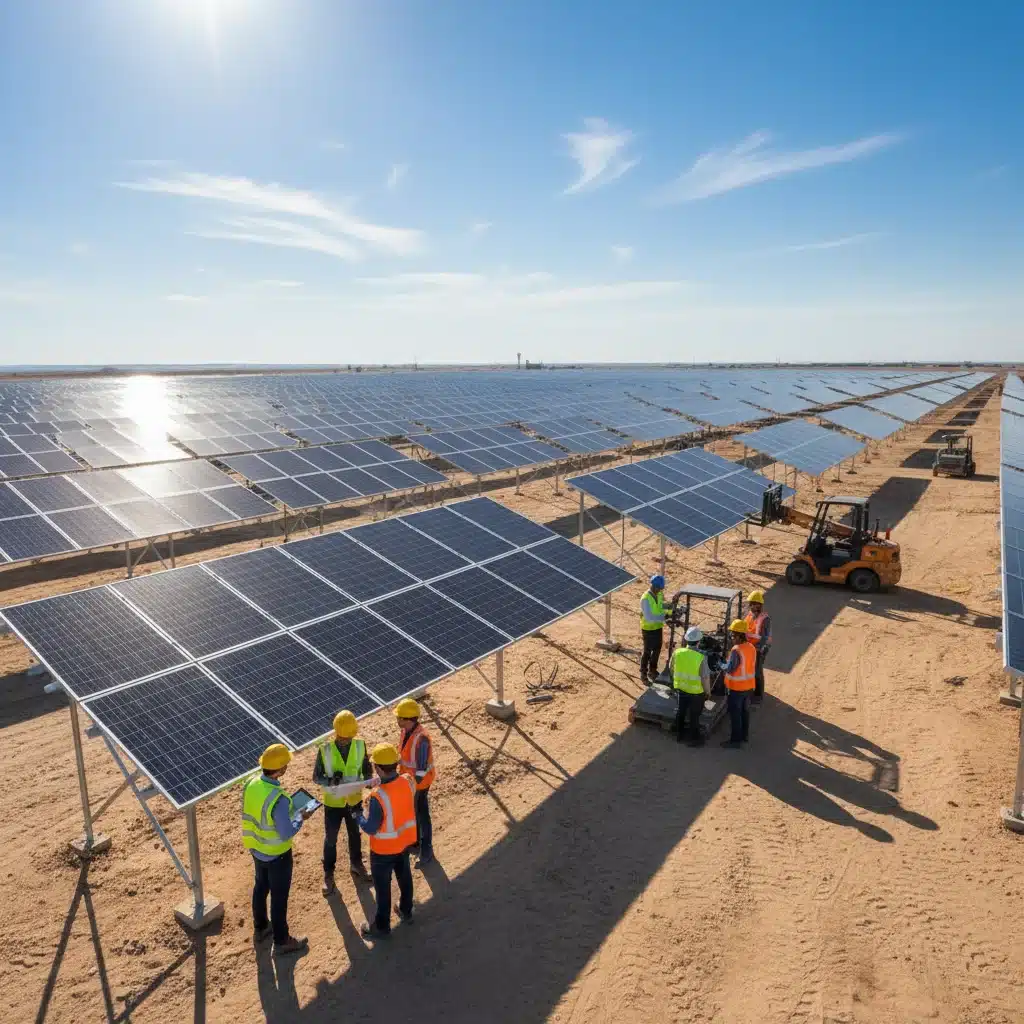
The renewable energy sector is a significant job creator. Investments in solar, wind, geothermal, and hydropower projects translate into demand for a wide array of skilled labor, including engineers, technicians, construction workers, manufacturing personnel, and project managers. These jobs are often high-paying and localized, providing economic boosts to rural and urban communities alike. The manufacturing of components, installation, operation, and maintenance of renewable energy facilities all contribute to a robust domestic industry. Furthermore, indirect job creation occurs in sectors supporting the renewable energy supply chain, from raw material extraction to logistics and financial services. This economic multiplier effect means that every dollar invested in US renewable energy generates broader economic activity, stimulating local economies and fostering regional development. The development of new research and development facilities associated with renewable energy technologies also creates high-skilled jobs and positions the US as a leader in energy innovation, attracting further investment and talent.
Energy Independence and Grid Resilience
Reliance on imported fossil fuels exposes a nation to geopolitical risks and volatile global energy prices. By expanding domestic renewable energy production, the US enhances its energy independence and security. Utilizing abundant natural resources like sunshine and wind reduces the need for foreign energy sources, stabilizing energy costs for consumers and businesses. Moreover, a diversified energy mix, with a significant share of decentralized renewable generation, makes the national grid more resilient to disruptions. Distributed generation, such as rooftop solar, can provide power even when central grid infrastructure is compromised, improving reliability and reducing vulnerability to extreme weather events or cyberattacks. This enhanced resilience is a crucial benefit, particularly in an era of increasing climate-related challenges. The integration of advanced energy storage solutions further strengthens grid stability, allowing for better management of peak demand and ensuring a continuous supply of clean power, bolstering the overall reliability of the US energy market.
Innovation and Competitiveness
Increased investment fuels innovation. The competitive landscape of the US renewable energy sector encourages companies to develop more efficient, affordable, and sustainable technologies. This continuous cycle of innovation not only benefits the domestic market but also positions American companies as global leaders in clean energy solutions, opening up export opportunities and strengthening the nation’s technological edge. Research and development in areas like advanced materials, energy storage, grid modernization, and smart energy management systems are accelerating, leading to breakthroughs that will further transform the energy landscape. This technological leadership translates into economic competitiveness on the international stage, attracting skilled labor and capital, and ensuring the US remains at the forefront of the global energy transition. The development of specialized training programs and educational initiatives to support these emerging technologies also contributes to a highly skilled workforce, capable of driving future innovation in the US energy market.
Environmental Benefits: A Cleaner Future
The environmental advantages of a robust US renewable energy sector are profound and far-reaching, directly addressing the urgency of climate change.
Reduced Greenhouse Gas Emissions
The most immediate and significant environmental benefit is the reduction in greenhouse gas (GHG) emissions. Replacing fossil fuel-based electricity generation with renewables directly lowers carbon dioxide, methane, and other harmful pollutants released into the atmosphere. This is crucial for mitigating climate change, reducing the frequency and intensity of extreme weather events, and protecting ecosystems. The projected 20% increase in investments signifies a substantial step towards achieving national and international emission reduction targets, contributing to a cleaner, healthier planet. Every megawatt-hour generated by US renewable energy sources avoids the emission of significant quantities of GHGs, leading to a cumulative positive impact over time. This transition is essential for preserving biodiversity, protecting natural habitats, and ensuring a sustainable future for generations to come. The long-term environmental benefits extend beyond carbon reduction, encompassing improvements in air and water quality that directly impact public health.
Improved Air and Water Quality
Beyond greenhouse gases, burning fossil fuels releases particulate matter, sulfur dioxide, nitrogen oxides, and other pollutants that degrade air quality and contribute to respiratory illnesses, acid rain, and smog. Renewable energy sources produce minimal to no air pollutants during operation, leading to cleaner air, especially in urban and industrial areas. Similarly, traditional energy production can be water-intensive and contribute to water pollution. Many renewable technologies, especially solar PV and wind, have significantly lower water footprints, preserving precious freshwater resources. This improvement in air and water quality has direct public health benefits, reducing healthcare costs and improving overall quality of life for communities near energy production sites. The shift towards US renewable energy therefore represents a significant investment in public health and environmental stewardship, creating healthier communities across the nation.
Challenges and Opportunities in the Renewable Transition
While the outlook for US renewable energy is bright, the transition is not without its challenges. Addressing these effectively will be crucial for maximizing the benefits of increased investment.
Grid Modernization and Infrastructure
Integrating a higher percentage of variable renewable energy sources into an aging grid infrastructure requires significant upgrades. The grid needs to become smarter, more flexible, and more resilient. This involves investments in advanced transmission lines, smart meters, digital controls, and energy storage solutions. Modernizing the grid is a capital-intensive undertaking, but it also presents an immense opportunity for innovation and job creation. Developing a robust, interconnected grid capable of handling diverse energy flows is paramount to fully realizing the potential of US renewable energy. This includes addressing bottlenecks in transmission capacity, which can limit the delivery of renewable power from resource-rich areas to demand centers. Strategic investments in high-voltage direct current (HVDC) transmission lines and regional transmission organizations (RTOs) are vital for optimizing energy distribution and enhancing grid reliability.
Supply Chain and Raw Material Dependencies
The rapid expansion of renewable energy technologies, particularly solar panels and batteries, has highlighted dependencies on global supply chains and certain critical raw materials (e.g., rare earth elements, lithium, cobalt). Ensuring a secure and sustainable supply chain, potentially through domestic manufacturing and diversification of sourcing, is a critical challenge. This also presents an opportunity for the US to invest in its own manufacturing capabilities for renewable energy components, reducing reliance on foreign suppliers and creating more domestic jobs. Developing robust recycling programs for renewable energy components will also be essential to minimize environmental impact and recover valuable materials. Investing in research for alternative materials and advanced manufacturing techniques can further mitigate these supply chain risks and ensure the long-term sustainability of the US renewable energy sector.
Permitting and Siting Issues
Developing large-scale renewable energy projects often faces hurdles related to permitting, land use, and local community acceptance. Streamlining the permitting process while ensuring environmental protection and community engagement is a delicate balance. Addressing concerns from local communities, such as visual impact or wildlife protection, through transparent communication and benefit-sharing mechanisms, is crucial for successful project deployment. Effective land-use planning, coupled with innovative approaches like agrivoltaics (combining solar energy generation with agriculture), can help mitigate siting conflicts and accelerate project development. The ability to navigate these complex local issues efficiently will significantly impact the pace of renewable energy deployment and the overall success of the US energy market transition.
The Future of the US Energy Market Beyond 2026
The projected 20% increase in US renewable energy investments by 2026 is not an endpoint but a significant milestone in a much larger energy transition. Looking beyond this immediate horizon, several trends are likely to shape the future of the US energy market.
Continued Innovation in Energy Storage
Energy storage will remain a critical area of focus. While lithium-ion batteries currently dominate, research into alternative chemistries (e.g., solid-state, flow batteries), long-duration storage solutions, and other innovative approaches (e.g., pumped hydro, compressed air) will continue to advance. These advancements will further enhance grid stability, enable higher penetrations of intermittent renewables, and unlock new applications for clean energy. The ability to store large amounts of energy efficiently and cost-effectively will be a game-changer for the entire US energy market, allowing for greater flexibility and reliability. Breakthroughs in storage technology will also facilitate the electrification of transportation and industrial processes, expanding the reach of renewable energy beyond electricity generation. This ongoing innovation ensures that the US renewable energy sector remains dynamic and adaptable to future energy demands.
Hydrogen and Advanced Nuclear as Complementary Technologies
While solar and wind will likely remain the dominant renewable sources, other clean energy technologies are expected to play increasingly important, complementary roles. Green hydrogen, produced using renewable electricity, has the potential to decarbonize hard-to-abate sectors like heavy industry, long-haul transport, and seasonal energy storage. Advanced nuclear technologies, including small modular reactors (SMRs), offer a reliable, carbon-free baseload power source that can complement variable renewables. Investments in these areas are likely to grow, diversifying the clean energy portfolio and providing additional pathways to a fully decarbonized US energy market. The strategic development of these complementary technologies will be essential for achieving deep decarbonization targets and ensuring a stable, low-carbon energy supply for all sectors of the economy. The synergy between different clean energy sources will be key to building a resilient and sustainable energy future for the US.
Decentralization and Microgrids
The trend towards decentralized energy generation and microgrids is expected to accelerate. As more homes and businesses adopt rooftop solar, battery storage, and electric vehicles, they become prosumers – both producers and consumers of energy. Microgrids, which can operate independently from the main grid, offer enhanced resilience and reliability for critical infrastructure and communities, particularly in the face of increasing climate-related disruptions. This decentralization empowers consumers, fosters local energy independence, and creates a more distributed and robust energy ecosystem. The development of sophisticated energy management systems and peer-to-peer energy trading platforms will further facilitate this trend, allowing for optimized energy use and greater community participation in the US energy market. This distributed energy architecture offers significant advantages in terms of security, efficiency, and adaptability, paving the way for a truly modern and resilient energy system.
Conclusion: A Transformative Era for US Renewable Energy
The projected 20% increase in US renewable energy investments by 2026 heralds a transformative era for the nation’s energy landscape. This surge is driven by a powerful confluence of supportive policies, rapid technological advancements, and a growing commitment to sustainable practices from investors and consumers alike. The economic benefits, including significant job creation, enhanced energy independence, and boosted innovation, are undeniable. Equally compelling are the environmental advantages, particularly the substantial reduction in greenhouse gas emissions and improved air and water quality, paving the way for a healthier planet.
While challenges related to grid modernization, supply chain resilience, and project siting remain, these are being actively addressed through strategic investments and collaborative efforts. The opportunities presented by continued innovation in energy storage, the integration of complementary clean technologies like hydrogen and advanced nuclear, and the growing trend towards decentralization and microgrids, paint a promising picture for the future. The US energy market is not just transitioning; it is evolving into a dynamic, resilient, and sustainable system that will serve as a model for global energy transitions. This commitment to US renewable energy is not merely an investment in infrastructure; it is an investment in a cleaner, more prosperous, and more secure future for all Americans.