Agricultural Market Trends US 2026: Sustainable Farming Growth
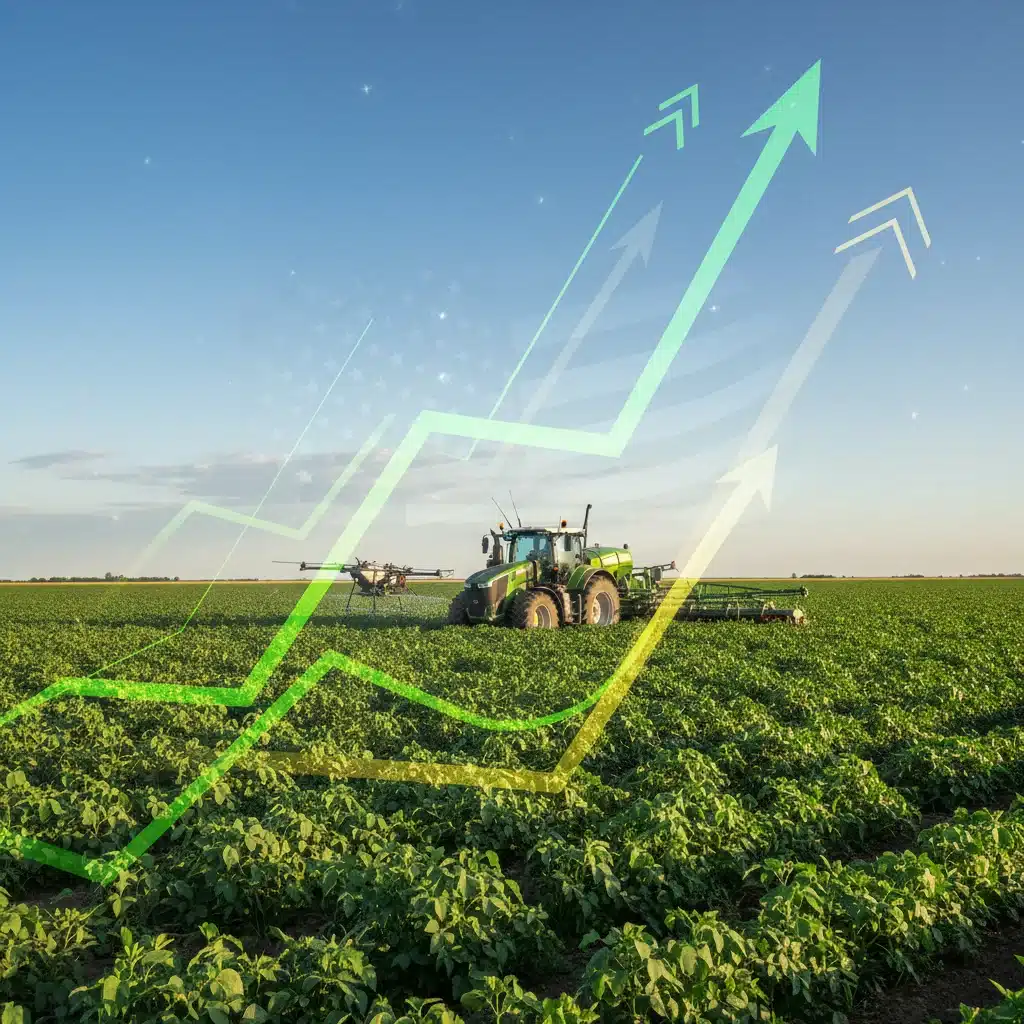
In the dynamic world of agriculture, predicting future shifts is crucial for farmers, policymakers, and consumers alike. As we look towards 2026, the United States agricultural landscape is poised for significant transformation, driven by evolving consumer preferences, technological advancements, and a growing emphasis on environmental stewardship. This article delves deep into the anticipated agricultural market trends in the US for 2026, with a particular focus on the projected 4% increase in sustainable farming practices.
Agricultural Market Trends in the US for 2026: A 4% Increase in Sustainable Farming Practices
Understanding the Current Agricultural Landscape
Before we project into 2026, it’s essential to understand the foundation upon which these future agricultural market trends are built. The US agricultural sector is a powerhouse, contributing significantly to the nation’s economy and global food supply. However, it faces persistent challenges, including climate change impacts, fluctuating commodity prices, labor shortages, and increasing demand for healthier, more sustainably produced food. These factors collectively shape the trajectory of the industry.
Recent years have seen a gradual but steady shift towards more conscious farming. Consumers are increasingly aware of the environmental and ethical implications of their food choices, pushing demand for products that are not only nutritious but also produced responsibly. This consumer-driven demand is a primary catalyst for the anticipated growth in sustainable farming, a key component of the broader agricultural market trends.
The Rise of Sustainable Farming: A 4% Growth Projection
The most prominent of the upcoming agricultural market trends for 2026 is the projected 4% increase in sustainable farming practices across the US. This isn’t merely a niche movement anymore; it’s becoming a mainstream imperative. Sustainable farming encompasses a variety of methods designed to protect the environment, improve soil health, conserve water, reduce pollution, and enhance biodiversity, all while ensuring economic viability for farmers.
What Drives This Sustainable Shift?
- Consumer Demand: A significant portion of this growth is fueled by consumers actively seeking organic, locally sourced, and environmentally friendly products. Transparency in food production is paramount.
- Environmental Regulations and Incentives: Government policies and programs, both federal and state, are increasingly incentivizing farmers to adopt sustainable practices through subsidies, grants, and technical assistance.
- Technological Advancements: Innovations in agri-tech, such as precision agriculture, vertical farming, and advanced irrigation systems, make sustainable practices more efficient and economically feasible.
- Long-Term Farm Viability: Farmers themselves are recognizing the long-term benefits of sustainable methods, including improved soil fertility, reduced input costs, and resilience to climate change.
- Corporate Social Responsibility: Major food corporations are also driving change, setting sustainability targets for their supply chains, thus influencing farming practices at the producer level.
This 4% increase represents a significant acceleration compared to previous years, indicating a critical tipping point where sustainable agriculture moves from an alternative approach to a fundamental pillar of US food production. This will undoubtedly redefine many aspects of the agricultural market trends.
Key Components of Sustainable Farming Growth
The projected growth in sustainable farming is multifaceted, involving several interconnected practices. Understanding these components is key to grasping the full scope of 2026’s agricultural market trends.
Organic Farming Expansion
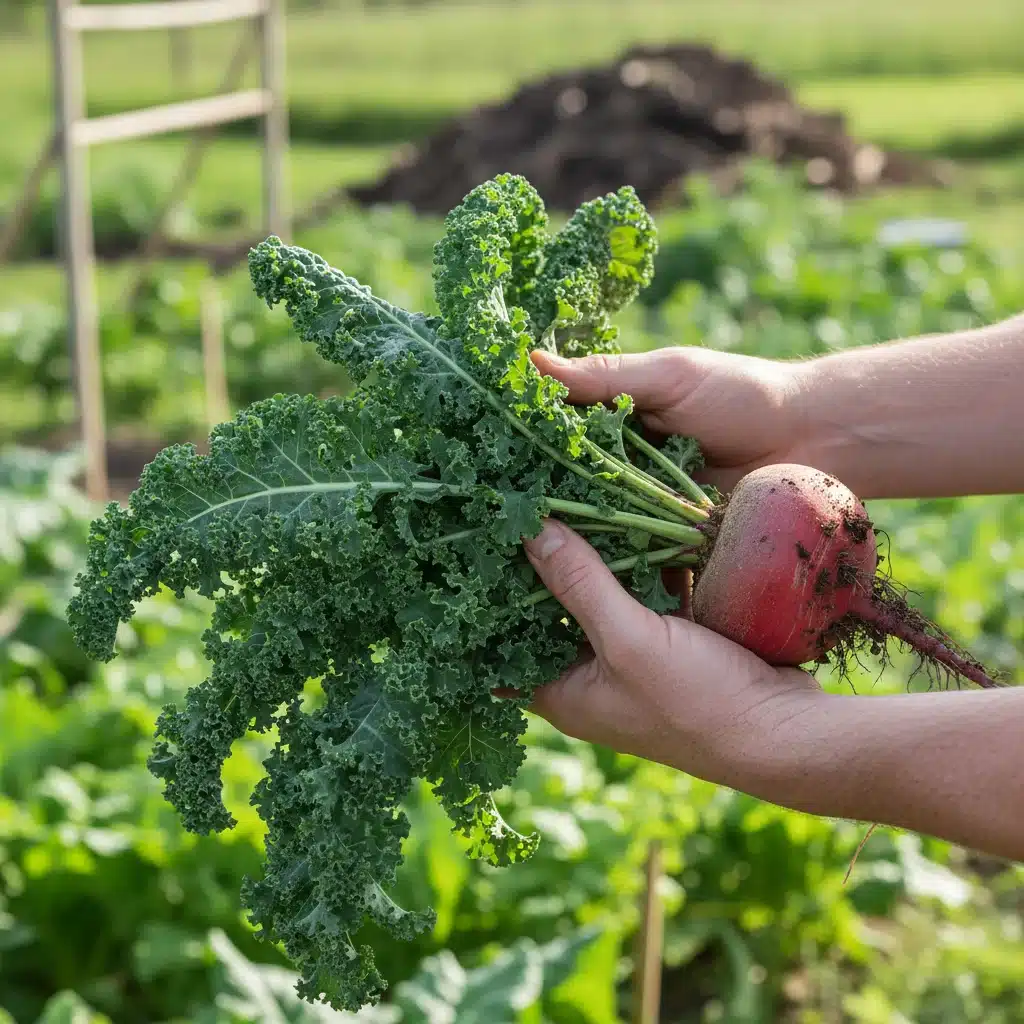
Organic farming, a subset of sustainable agriculture, is expected to see continued robust growth. The demand for USDA-certified organic products remains high, with consumers willing to pay a premium for food grown without synthetic pesticides, herbicides, or fertilizers. As more conventional farmers transition to organic methods, driven by market demand and potential higher profits, the organic acreage will expand significantly. This expansion requires substantial investment in training, certification, and infrastructure, but the long-term benefits for soil health and market access are compelling.
Regenerative Agriculture Practices
Beyond organic, regenerative agriculture is gaining traction. This holistic approach focuses on rebuilding soil organic matter and restoring degraded soil biodiversity, leading to increased carbon sequestration, improved water cycles, and enhanced ecosystem health. Practices like no-till farming, cover cropping, diverse crop rotations, and integrated livestock management are central to regenerative systems. These practices are not only environmentally beneficial but also enhance the resilience of farming operations against extreme weather events, a critical consideration in modern agricultural market trends.
Water Conservation Technologies
Water scarcity remains a pressing issue in many agricultural regions. The 4% increase in sustainable farming will heavily rely on the adoption of advanced water conservation technologies. This includes drip irrigation, precision sprinklers, soil moisture sensors, and wastewater recycling. These innovations allow farmers to optimize water usage, reduce waste, and grow more with less, which is vital for the long-term sustainability of the sector. The efficiency gained also translates to cost savings, making these technologies attractive investments for farmers.
Reduced Chemical Inputs and Integrated Pest Management (IPM)
Minimizing the reliance on synthetic chemical inputs is a cornerstone of sustainable farming. In 2026, we anticipate a broader adoption of Integrated Pest Management (IPM) strategies, which combine biological, cultural, physical, and chemical tools in a way that minimizes economic, health, and environmental risks. This includes using beneficial insects, crop rotation, pest-resistant varieties, and targeted application of pesticides only when absolutely necessary. This shift not only protects the environment but also improves the safety of agricultural workers and consumers, aligning with evolving agricultural market trends.
Impacts of Sustainable Farming Growth on Agricultural Market Trends
The projected 4% increase in sustainable farming practices will have far-reaching implications across the entire agricultural value chain.
For Farmers
Farmers adopting sustainable practices can expect several benefits: improved soil health, reduced erosion, enhanced biodiversity, and often, premium prices for their sustainably grown produce. However, the transition can involve initial investment costs, learning new techniques, and potentially lower yields during the conversion period. Access to capital, technical assistance, and supportive market channels will be critical for successful adoption. The long-term economic resilience and environmental stewardship will likely outweigh these initial challenges, making it a compelling pathway for many.
For Consumers
Consumers will benefit from a wider availability of sustainably produced food options, often with improved nutritional profiles and reduced exposure to chemical residues. The transparency in sourcing and production methods will increase, allowing consumers to make more informed choices that align with their values. This will further solidify the demand for sustainable products, reinforcing the positive feedback loop for these agricultural market trends.
For the Environment
The environmental benefits are substantial: reduced greenhouse gas emissions through carbon sequestration in soils, improved water quality due to decreased runoff of fertilizers and pesticides, enhanced biodiversity, and healthier ecosystems. These positive environmental outcomes are a driving force behind policy decisions and public support for sustainable agriculture.
For the Economy
Economically, the shift towards sustainable farming can create new market opportunities, foster innovation in agri-tech, and potentially lead to more stable and diversified agricultural economies. It can also reduce the externalized costs associated with conventional farming, such as environmental remediation and public health impacts. The growth of specialized markets for sustainable products can also create new jobs in processing, distribution, and marketing.
Other Significant Agricultural Market Trends for 2026
While sustainable farming is a major headline, several other agricultural market trends will shape the US landscape in 2026.
Technological Integration: Agri-Tech Boom
The integration of technology into agriculture will continue at an accelerated pace. This includes:
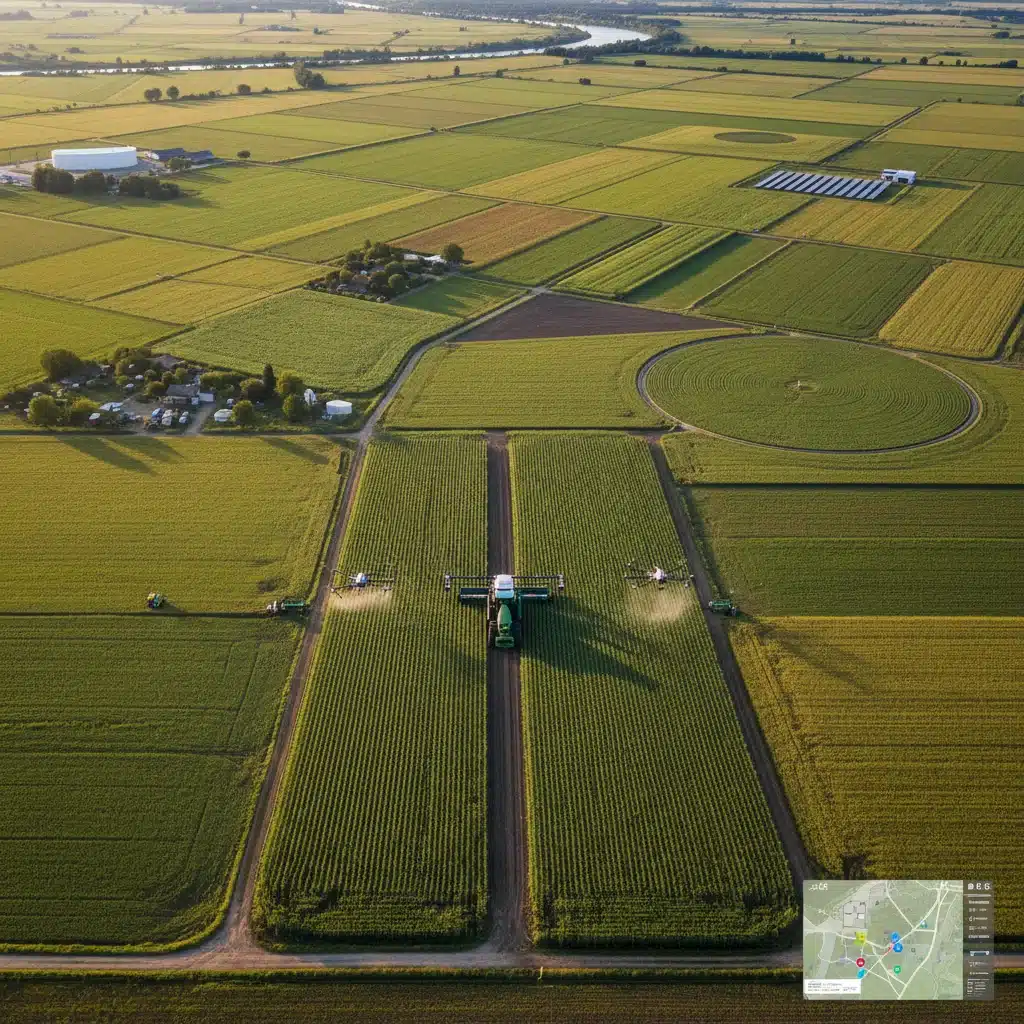
- Precision Agriculture: Leveraging GPS, sensors, drones, and data analytics to optimize planting, fertilizing, and irrigation, leading to increased efficiency and reduced waste.
- Automation and Robotics: Addressing labor shortages and improving efficiency in tasks like harvesting, planting, and livestock management.
- Biotechnology and Gene Editing: Developing more resilient, nutrient-dense, and disease-resistant crops, which can reduce the need for chemical inputs and enhance food security.
- AI and Machine Learning: For predictive analytics, optimizing resource allocation, and improving farm management decisions.
These technological advancements are not just about efficiency; they are often integral to making sustainable practices scalable and economically viable, thus intertwining with the sustainable farming growth trend.
Supply Chain Resilience and Localization
Recent global disruptions have highlighted the vulnerabilities of long, complex supply chains. In 2026, there will be continued emphasis on building more resilient and localized food systems. This means increased investment in regional processing facilities, direct-to-consumer sales channels, and shorter supply routes. Consumers’ interest in knowing the origin of their food also supports this trend, fostering stronger relationships between producers and local communities. This trend directly supports the growth of smaller, sustainable farms that can cater to local markets.
Alternative Proteins and Plant-Based Foods
The market for alternative proteins (plant-based meats, lab-grown meat) and plant-based dairy alternatives will continue its rapid expansion. This trend is driven by health consciousness, ethical concerns about animal welfare, and environmental considerations (lower carbon footprint). While not directly farming, the growth in this sector influences crop choices, as demand for specific plant ingredients (e.g., soy, peas, oats) increases, impacting the broader agricultural market trends.
Climate Change Adaptation and Mitigation
Agriculture is both a contributor to and a victim of climate change. In 2026, adaptation and mitigation strategies will become even more central. This includes developing drought-resistant crops, improving water management in arid regions, implementing carbon-sequestering farming practices (like regenerative agriculture), and adopting renewable energy sources on farms. Farmers will increasingly be seen as key players in climate solutions, not just food producers.
Challenges and Opportunities for US Agriculture in 2026
While the outlook for sustainable farming is positive, the agricultural sector faces several challenges that could impact the realization of these agricultural market trends.
Challenges:
- High Input Costs: Volatile prices for fertilizers, fuel, and seeds continue to squeeze profit margins for farmers.
- Labor Shortages: The availability of skilled agricultural labor remains a critical concern, pushing the need for automation.
- Climate Volatility: Unpredictable weather patterns, including droughts, floods, and extreme temperatures, pose significant risks to crop yields and livestock.
- Market Access and Infrastructure: Ensuring that sustainably produced goods can reach markets efficiently and at fair prices requires robust infrastructure and market development.
- Policy Support: Consistent and effective government policies are essential to support farmers in transitioning to and maintaining sustainable practices.
Opportunities:
- Innovation in Agri-Tech: Continued investment in research and development can overcome many of the current limitations and enhance efficiency.
- Expanding Niche Markets: Growth in organic, local, and specialized sustainable products offers premium pricing opportunities.
- Carbon Markets: Farmers adopting carbon-sequestering practices may increasingly participate in carbon credit markets, providing additional revenue streams.
- Consumer Engagement: Educating consumers about the benefits of sustainable agriculture can strengthen demand and support for these practices.
- International Demand: As global awareness of sustainable food grows, US producers adhering to these standards may find new export opportunities.
Preparing for the Future: Recommendations for Stakeholders
To navigate the evolving agricultural market trends of 2026 and beyond, various stakeholders must take proactive steps.
For Farmers:
- Embrace Technology: Invest in precision agriculture tools, automation, and data analytics to optimize operations and reduce environmental impact.
- Diversify Practices: Explore regenerative agriculture techniques, cover cropping, and crop rotation to improve soil health and resilience.
- Seek Certification: Consider organic or other sustainability certifications to access premium markets and meet consumer demand.
- Education and Training: Continuously learn about new sustainable methods and technologies through workshops, extension services, and peer networks.
- Financial Planning: Explore government programs, grants, and private financing options specifically designed to support sustainable transitions.
For Policymakers:
- Incentivize Sustainable Practices: Expand and streamline existing programs that provide financial and technical assistance for farmers adopting sustainable agriculture.
- Invest in Research: Fund research into climate-resilient crops, sustainable pest management, and advanced agri-tech solutions.
- Support Infrastructure: Develop robust rural infrastructure, including broadband access, to enable the adoption of modern farming technologies.
- Promote Market Access: Create policies that support local food systems, direct-to-consumer sales, and fair trade practices for sustainable products.
For Consumers:
- Educate Yourself: Learn about where your food comes from and the impact of different farming practices.
- Support Sustainable Brands: Choose products from farms and companies committed to environmental stewardship and ethical practices.
- Shop Locally: Support local farmers’ markets and community-supported agriculture (CSA) programs to strengthen local food systems.
- Advocate for Change: Encourage policymakers to support sustainable agriculture through your voice and votes.
Conclusion
The agricultural market trends in the US for 2026 point towards a future where sustainability is not just a buzzword but a fundamental operational principle. The projected 4% increase in sustainable farming practices signifies a collective recognition of the need for environmentally responsible and economically viable food production. This shift, coupled with rapid technological advancements and evolving consumer demands, will redefine how food is grown, distributed, and consumed in America.
While challenges remain, the opportunities presented by this sustainable transition are immense. By embracing innovation, fostering collaboration, and prioritizing long-term environmental health, the US agricultural sector can continue to thrive, feeding a growing population while protecting the planet for future generations. The journey to a more sustainable agricultural future is well underway, and 2026 marks a crucial milestone in this transformative process.