Food and Beverage Trends US 2026: Plant-Based Growth Soars
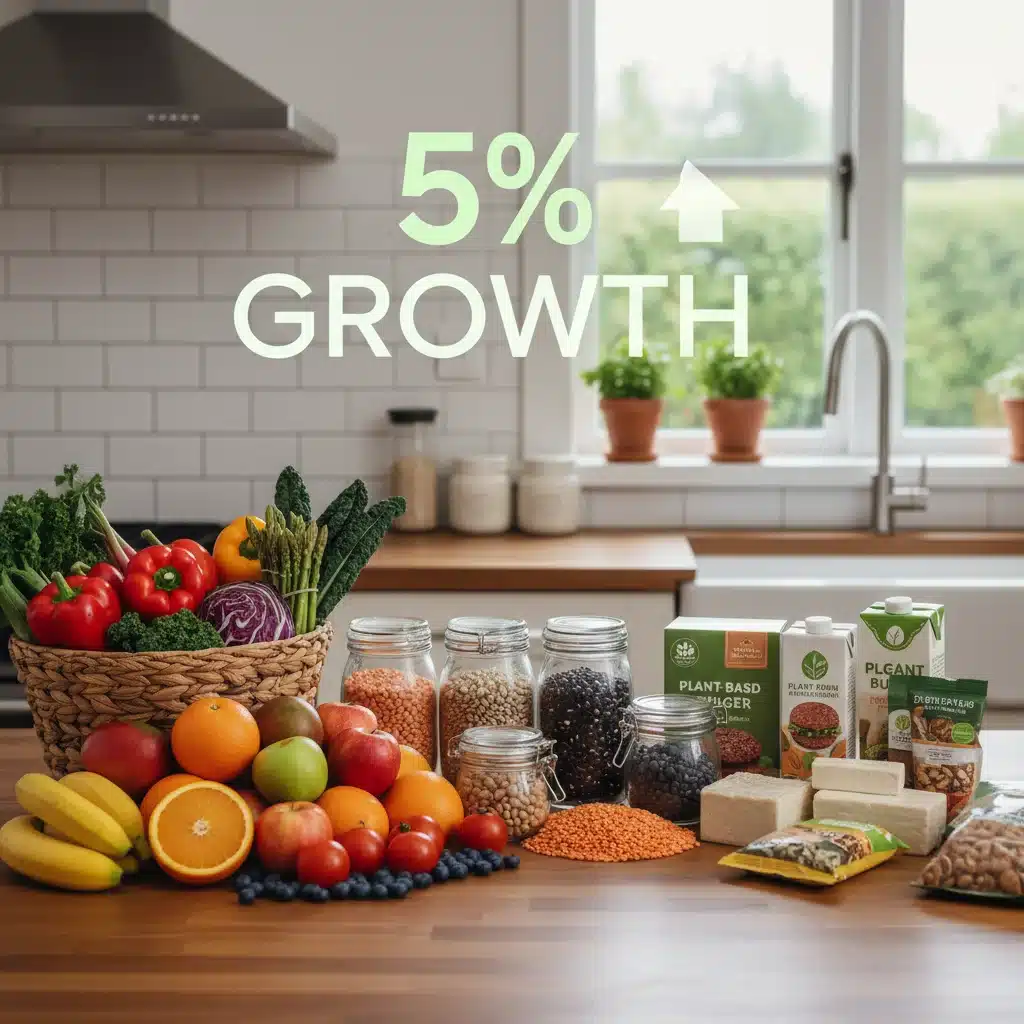
Food and Beverage Trends US 2026: A 5% Growth in Plant-Based Product Sales
The culinary landscape of the United States is a dynamic and ever-evolving tapestry, constantly reshaped by consumer preferences, technological advancements, and a growing global consciousness. As we peer into 2026, the US Food Trends 2026 paint a compelling picture of innovation, sustainability, and health-conscious choices. At the forefront of this transformation is the remarkable surge in plant-based product sales, projected to experience a significant 5% growth. This isn’t just a fleeting fad; it’s a fundamental shift in how Americans eat, driven by a confluence of ethical, environmental, and health motivations.
Understanding these US Food Trends 2026 is crucial for businesses, investors, and consumers alike. The food and beverage industry is a multi-billion dollar sector, and even a slight shift in consumer behavior can have monumental ripple effects. This article will delve deep into the key trends defining the US food and beverage market in 2026, with a particular focus on the plant-based revolution. We will explore the underlying factors driving these changes, the emerging opportunities, and what this means for the future of food.
The Plant-Based Phenomenon: More Than Just a Trend
The 5% growth projection for plant-based product sales in the US by 2026 is a testament to its enduring power. This isn’t just about veganism; it’s about flexitarianism, health-conscious eating, and environmental stewardship. Consumers are increasingly aware of the impact their food choices have on their bodies and the planet. This awareness is fueling a demand for alternatives to traditional meat and dairy products, leading to an explosion of innovation in the plant-based sector.
What’s driving this impressive growth in US Food Trends 2026? Several factors are at play:
- Health Benefits: A growing body of research highlights the health advantages of a plant-rich diet, including reduced risk of heart disease, type 2 diabetes, and certain cancers. Consumers are seeking options that support longevity and well-being.
- Environmental Concerns: The environmental footprint of animal agriculture is a significant concern for many. Plant-based diets are often associated with lower greenhouse gas emissions, reduced land use, and less water consumption, appealing to environmentally conscious consumers.
- Animal Welfare: Ethical considerations regarding animal treatment in industrial farming continue to influence dietary choices, leading more people to opt for plant-based alternatives.
- Innovation and Accessibility: The market is flooded with increasingly sophisticated and delicious plant-based products, from realistic meat substitutes to dairy-free cheeses and yogurts. These products are becoming more widely available in mainstream grocery stores and restaurants, making the transition to plant-based eating easier than ever.
- Culinary Exploration: Chefs and home cooks are embracing plant-based ingredients, creating exciting and flavorful dishes that challenge traditional perceptions of vegan food.
This widespread adoption signifies that plant-based eating is no longer a niche market but a significant force shaping the broader US Food Trends 2026. Companies that fail to recognize and adapt to this shift risk being left behind in a rapidly evolving market.
Beyond Plant-Based: Other Dominant US Food Trends 2026
While plant-based growth is a standout, several other major themes will define the US food and beverage landscape in 2026. These trends are interconnected, often influencing and reinforcing each other.
Sustainability and Ethical Sourcing
Sustainability is no longer a buzzword; it’s a fundamental expectation. Consumers are demanding transparency and accountability from food producers. This extends to every aspect of the supply chain, from how ingredients are grown and harvested to packaging and waste management. Key aspects of this trend include:
- Local and Regenerative Agriculture: A heightened interest in locally sourced ingredients reduces food miles and supports local economies. Regenerative agriculture practices, which focus on soil health and biodiversity, are gaining traction.
- Reduced Food Waste: Consumers and businesses are actively seeking ways to minimize food waste, from innovative packaging that extends shelf life to apps that connect surplus food with those in need.
- Sustainable Packaging: The shift away from single-use plastics towards biodegradable, compostable, or reusable packaging options is accelerating.
- Ethical Labor Practices: Consumers are increasingly scrutinizing the labor practices of food companies, demanding fair wages and safe working conditions for agricultural workers.
These sustainable practices are not just good for the planet; they also resonate deeply with consumers, particularly younger generations, who are willing to pay a premium for ethically produced goods. This aligns perfectly with the overarching US Food Trends 2026 towards conscious consumption.
Health and Wellness: Personalized Nutrition and Functional Foods
The pursuit of health and wellness remains a cornerstone of consumer behavior, but in 2026, it will be characterized by greater personalization and a focus on functional benefits. Generic dietary advice is giving way to tailored approaches based on individual needs and goals.
- Personalized Nutrition: Advances in genomics, microbiome research, and wearable technology are enabling more personalized dietary recommendations. Companies offering customized meal plans, supplements, and even food products based on individual biological data will see significant growth.
- Functional Foods and Beverages: Products fortified with ingredients that offer specific health benefits beyond basic nutrition are in high demand. This includes probiotics for gut health, adaptogens for stress reduction, nootropics for cognitive function, and fortified beverages for energy or immunity.
- Clean Label and Transparency: Consumers want to understand exactly what’s in their food. Products with short ingredient lists, recognizable ingredients, and clear nutritional information will be favored. The demand for non-GMO, organic, and allergen-free options will continue to rise.
- Mental Well-being Through Food: The link between diet and mental health is gaining recognition. Foods rich in omega-3s, antioxidants, and certain vitamins are being marketed for their potential to improve mood and cognitive function.
This focus on health and wellness, particularly personalized nutrition, is a powerful driver behind many of the US Food Trends 2026, including the growth of plant-based options which are often perceived as healthier.
Convenience and Technology Integration
In a fast-paced world, convenience remains a top priority for consumers. Technology is playing an increasingly vital role in delivering this convenience, transforming how food is ordered, prepared, and consumed.
- Meal Kits and Ready-to-Eat Options: The popularity of meal kits and high-quality, ready-to-eat meals continues to grow, catering to busy lifestyles without compromising on taste or nutrition.
- Food Delivery Services: The proliferation of food delivery apps and services has fundamentally changed dining habits. Expect further innovation in delivery speed, customization, and subscription models.
- Smart Kitchen Appliances: Connected appliances that can automate cooking, monitor ingredients, and even suggest recipes based on dietary preferences are becoming more common.
- AI and Data-Driven Food Experiences: Artificial intelligence will be used to personalize recommendations, optimize supply chains, and even develop new food products based on consumer data and preferences.
The integration of technology into the food experience is not just about making things easier; it’s about creating more personalized and efficient ways for consumers to access the food they want, when and how they want it. This is a critical aspect of understanding the broader US Food Trends 2026.
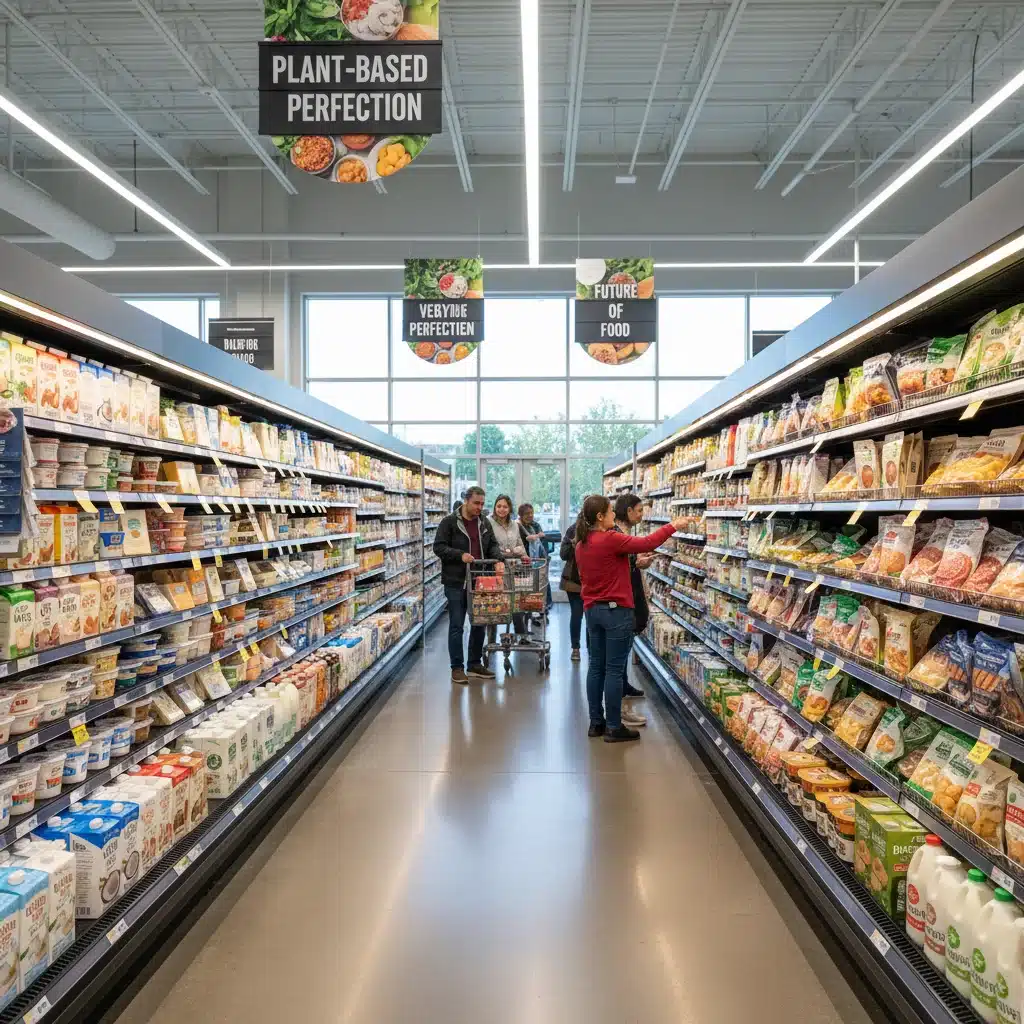
The Impact of Plant-Based Growth on the Food Industry
The projected 5% growth in plant-based product sales by 2026 will have profound implications across the entire food and beverage industry. Businesses that adapt will thrive, while those that resist may struggle to remain competitive.
Innovation in Product Development
The demand for plant-based alternatives is spurring unprecedented innovation. Companies are investing heavily in research and development to create products that mimic the taste, texture, and nutritional profile of animal-based foods. This includes:
- Next-Generation Meat Alternatives: Beyond soy and pea protein, new ingredients like fungi, algae, and precision fermentation are being used to create even more realistic and sustainable meat substitutes.
- Dairy-Free Innovations: The dairy-free market is expanding beyond almond and soy milk to include oat, potato, and even fava bean-based alternatives, along with sophisticated plant-based cheeses, yogurts, and ice creams.
- Egg Substitutes: Plant-based egg alternatives, made from ingredients like mung bean protein, are becoming increasingly versatile for cooking and baking.
- Hybrid Products: Some companies are exploring ‘hybrid’ products that combine animal and plant-based ingredients to reduce meat content while maintaining familiar taste and texture.
This wave of innovation is not only expanding consumer choices but also pushing the boundaries of food science and technology, directly influencing US Food Trends 2026.
Supply Chain Adjustments
The shift towards plant-based diets requires significant adjustments in agricultural practices and supply chains. Farmers are exploring alternative crops, and food manufacturers are sourcing new ingredients. This creates opportunities for:
- New Crop Development: Increased demand for specific plant proteins and ingredients will drive investment in novel crops and sustainable farming methods.
- Processing Infrastructure: New processing facilities will be needed to handle and transform plant-based ingredients into consumer products.
- Global Sourcing: Companies may need to diversify their sourcing strategies to secure a reliable supply of plant-based raw materials.
These supply chain transformations are critical to sustaining the growth of plant-based products and are a key component of the evolving US Food Trends 2026.
Restaurant and Foodservice Adaptation
Restaurants, cafes, and foodservice providers are rapidly expanding their plant-based offerings to meet consumer demand. This includes:
- Dedicated Plant-Based Menus: Many establishments are no longer just offering one or two vegan options but are creating extensive plant-based menus.
- Fast-Casual and QSR Growth: Quick-service restaurants are integrating plant-based burgers, sandwiches, and other items into their core menus to attract a wider customer base.
- Fine Dining Innovation: High-end restaurants are showcasing the versatility and gourmet potential of plant-based cuisine, attracting even the most discerning diners.
- Ghost Kitchens and Virtual Brands: The rise of delivery-only kitchens is facilitating the launch of entirely plant-based virtual restaurant concepts.
The foodservice sector’s embrace of plant-based options is a clear indicator of its mainstream acceptance and its integral role in the US Food Trends 2026.
Challenges and Opportunities in the Evolving Market
While the outlook for plant-based growth and other US Food Trends 2026 is largely positive, challenges remain. Navigating these challenges effectively will be key to success.
Overcoming Price and Taste Perceptions
Despite advancements, some plant-based products still face hurdles related to price and taste. Consumers often perceive them as more expensive than their animal-based counterparts, and texture or flavor can sometimes be a barrier.
- Cost Parity: As production scales and technology improves, the goal is to achieve price parity with conventional products, making plant-based options accessible to a broader demographic.
- Taste and Texture Improvement: Ongoing R&D is crucial to continually improve the sensory experience of plant-based foods, ensuring they meet or exceed consumer expectations.
Navigating Regulatory Landscapes
The rapid growth of the plant-based sector has led to debates and discussions around labeling, marketing, and nutritional standards. Clear and consistent regulatory frameworks will be essential to ensure consumer trust and fair competition.
Educating Consumers
While awareness is growing, there’s still a need for consumer education regarding the nutritional benefits, versatility, and environmental advantages of plant-based eating. Effective marketing and communication strategies will be vital.
Investment and Collaboration Opportunities
The dynamic nature of the food and beverage market presents significant opportunities for investment and collaboration. Startups, established food giants, and technology companies are all vying for a slice of this expanding pie.
- Venture Capital: Investment in plant-based startups and food tech companies continues to be robust, fueling innovation and market expansion.
- Partnerships: Collaborations between traditional food companies and plant-based innovators can accelerate product development and market penetration.
- Research and Development: Continued investment in scientific research will unlock new ingredients, processing techniques, and health insights, shaping future US Food Trends 2026.

The Future is Flavorful, Sustainable, and Plant-Forward
The US Food Trends 2026 point towards a future where food is not only delicious but also healthier, more sustainable, and deeply aligned with personal values. The 5% growth in plant-based product sales is a powerful indicator of this shift, demonstrating a collective desire for food choices that benefit both individuals and the planet.
For businesses, staying ahead means embracing innovation, investing in sustainable practices, and genuinely understanding the evolving needs of the modern consumer. For consumers, it means an exciting array of new products and experiences that cater to a wide range of tastes and preferences.
As we move towards 2026, the food and beverage industry will continue to be a hotbed of creativity and transformation. The plant-based revolution, alongside the relentless pursuit of health, convenience, and sustainability, will undoubtedly shape what we eat, how we eat, and the very fabric of our food system for years to come. This is an exciting time to be involved in food, where every bite can be a step towards a better future.
Key Takeaways for Businesses and Consumers
- Embrace Plant-Based: For businesses, integrating plant-based options is no longer optional; it’s essential for market relevance. Consumers should explore the diverse and growing range of plant-based products available.
- Prioritize Sustainability: From sourcing to packaging, sustainable practices will define leading brands. Consumers will increasingly choose brands that demonstrate genuine environmental responsibility.
- Focus on Health and Personalization: Tailored nutrition and functional foods will be key drivers. Businesses should consider how to offer personalized solutions, and consumers should seek out foods that align with their individual health goals.
- Leverage Technology: Digital tools and smart solutions will enhance convenience and personalize the food experience. Both industry and consumers will benefit from adopting these technological advancements.
- Stay Agile: The food landscape is dynamic. Businesses need to be agile and responsive to emerging trends, while consumers can enjoy the continuous stream of innovative products entering the market.
The journey towards 2026 promises a vibrant and progressive food ecosystem. The US Food Trends 2026 are not just about what we eat, but how we live, reflecting a deeper connection to our health, our communities, and the world around us. The growth of plant-based options is a clear signal of this profound and positive transformation.