Maximize Home Value: The ROI of Smart Home Upgrades
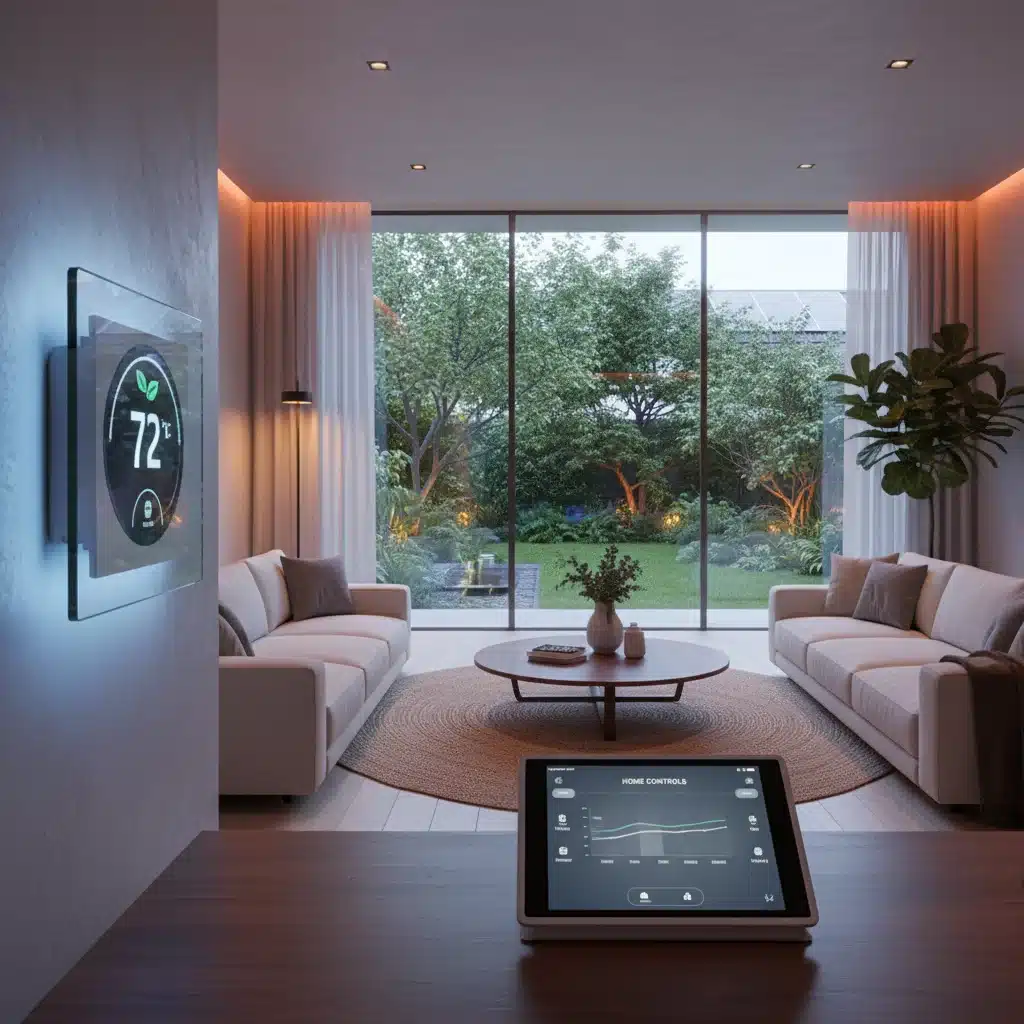
In today’s rapidly evolving real estate market, homeowners are constantly seeking innovative ways to enhance their property’s appeal and, more importantly, its market value. While traditional renovations like kitchen and bathroom remodels have long been go-to strategies, a new contender has emerged, promising significant returns: smart home ROI. The integration of technology into our living spaces is no longer a futuristic concept but a present-day reality, transforming how we interact with our homes and, consequently, how potential buyers perceive their worth. This comprehensive guide delves into the undeniable advantages of investing in smart home upgrades, exploring which technologies offer the most substantial return on investment and how they can elevate your property’s value by an impressive margin, potentially up to 7% within 12 months.
The concept of a ‘smart home’ has broadened considerably beyond simple automated lighting. It now encompasses a sophisticated ecosystem of interconnected devices designed to enhance convenience, security, energy efficiency, and overall living comfort. From intelligent thermostats that learn your preferences to advanced security systems that provide peace of mind, these upgrades are not just about luxury; they are about creating a more efficient, safer, and more desirable living environment. For sellers, understanding the smart home ROI is crucial, as it allows for strategic investments that resonate with the demands of modern buyers who increasingly prioritize technologically advanced features.
This article aims to provide a detailed roadmap for homeowners considering smart home investments. We will dissect the various categories of smart home technology, offering insights into their individual benefits and their collective impact on property valuation. Furthermore, we will explore the factors influencing the return on investment, including the specific type of technology, the quality of installation, and the current market trends. By the end of this read, you will be equipped with the knowledge to make informed decisions that not only improve your daily living but also significantly boost your home’s marketability and financial return.
Understanding the Modern Homebuyer’s Priorities: Why Smart Homes Sell
The demographic of homebuyers is shifting, and with it, their expectations for a new residence. Today’s buyers, particularly millennials and Gen Z, are digital natives who have grown up with technology deeply embedded in their lives. For them, a home that seamlessly integrates smart technology is not just a bonus; it’s often a fundamental expectation. This demographic is keenly aware of the benefits that smart homes offer, from enhanced security to significant energy savings and unparalleled convenience. Therefore, for homeowners looking to maximize their smart home ROI, understanding these evolving priorities is paramount.
Convenience and Connectivity
One of the primary drivers behind the appeal of smart homes is the unparalleled convenience they offer. Imagine adjusting your thermostat from your office, checking if you locked the front door while on vacation, or having your lights automatically dim as you settle in for a movie night. These are not just futuristic fantasies; they are everyday realities for smart home owners. Buyers are attracted to homes that simplify their lives, reduce mundane tasks, and provide a sense of effortless control over their environment. A fully integrated smart home ecosystem, where devices communicate seamlessly, represents the pinnacle of modern living and significantly enhances a property’s perceived value.
Enhanced Security and Peace of Mind
Security remains a top concern for homeowners. Smart security systems, including video doorbells, smart locks, and connected surveillance cameras, offer a level of protection and peace of mind that traditional systems simply cannot match. The ability to monitor your home remotely, receive real-time alerts, and even interact with visitors from anywhere in the world is a powerful selling point. Buyers are willing to pay a premium for homes that come equipped with advanced security features, recognizing the long-term benefits of safety and protection for their families and assets. This aspect alone contributes significantly to the overall smart home ROI.
Energy Efficiency and Cost Savings
In an era of rising energy costs and increasing environmental awareness, energy efficiency is no longer just a buzzword; it’s a critical factor in home valuation. Smart home technologies, particularly smart thermostats, smart lighting, and smart blinds, play a pivotal role in reducing energy consumption. Smart thermostats learn your habits and adjust temperatures accordingly, while smart lighting can be programmed to turn off when rooms are vacant or dim based on natural light. These features translate directly into lower utility bills, a tangible benefit that resonates strongly with potential buyers. The promise of ongoing cost savings makes a smart home a more attractive long-term investment, boosting its market appeal and the ultimate smart home ROI for the seller.
Top Smart Home Upgrades for Maximum ROI
Not all smart home upgrades are created equal when it comes to return on investment. Strategic selection is key to maximizing your gains. Here, we highlight the smart home technologies that consistently deliver the best smart home ROI.
1. Smart Thermostats
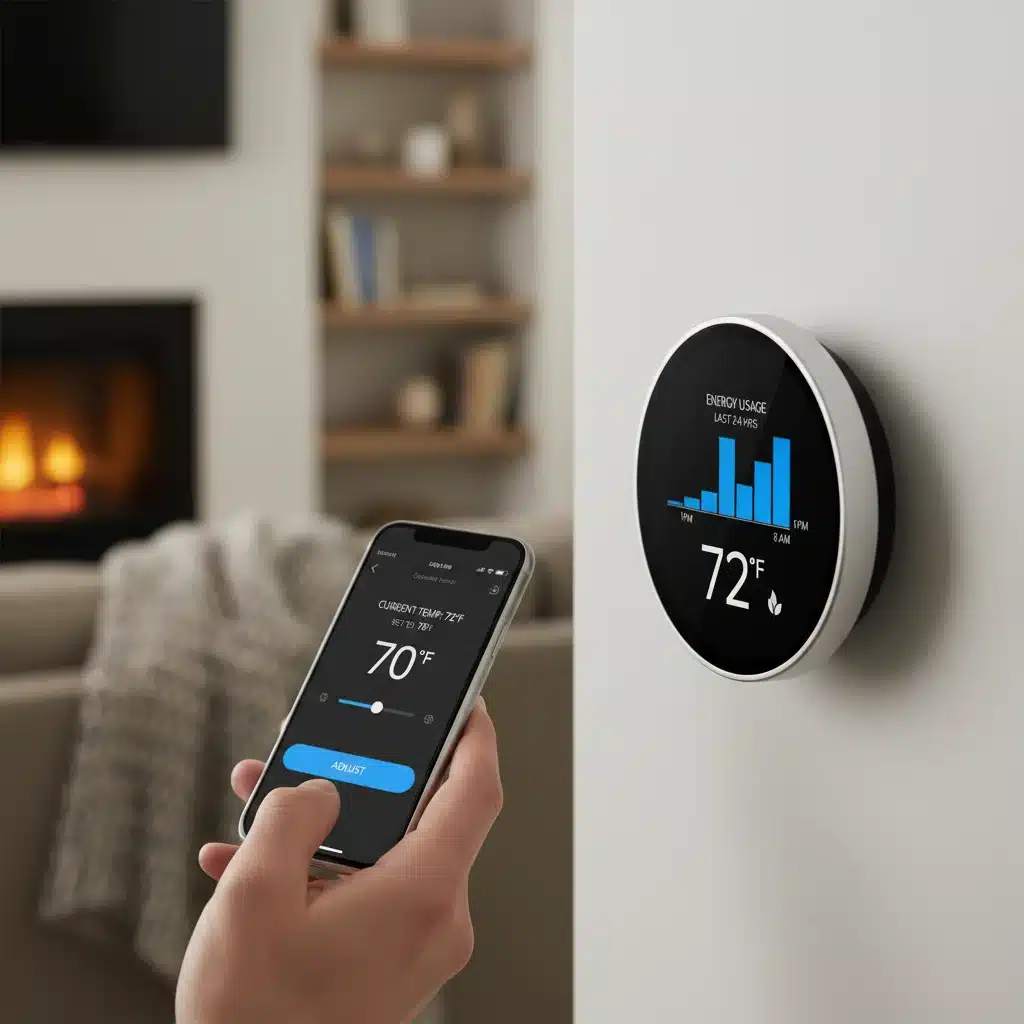
Smart thermostats like Nest or Ecobee are often cited as one of the most impactful smart home investments. Their ability to learn your preferences, create optimal temperature schedules, and be controlled remotely leads to significant energy savings, typically between 10-15% on heating and cooling costs. This tangible financial benefit is highly attractive to buyers. Furthermore, they contribute to a home’s overall energy efficiency rating, which is becoming an increasingly important factor in real estate. The relatively low cost of installation compared to the potential savings and added appeal makes smart thermostats a clear winner for smart home ROI.
2. Smart Lighting Systems
While seemingly simple, smart lighting systems (e.g., Philips Hue, Lutron Caseta) offer more than just convenience. They can be programmed to turn on/off based on occupancy, time of day, or even integrate with security systems to simulate occupancy when you’re away. The energy savings from LED smart bulbs are substantial, and the ability to customize ambiance and control lights from anywhere adds a significant layer of sophistication and desirability. For buyers, smart lighting signals a modern, well-maintained home, contributing positively to the smart home ROI.
3. Smart Security Systems (Locks, Doorbells, Cameras)
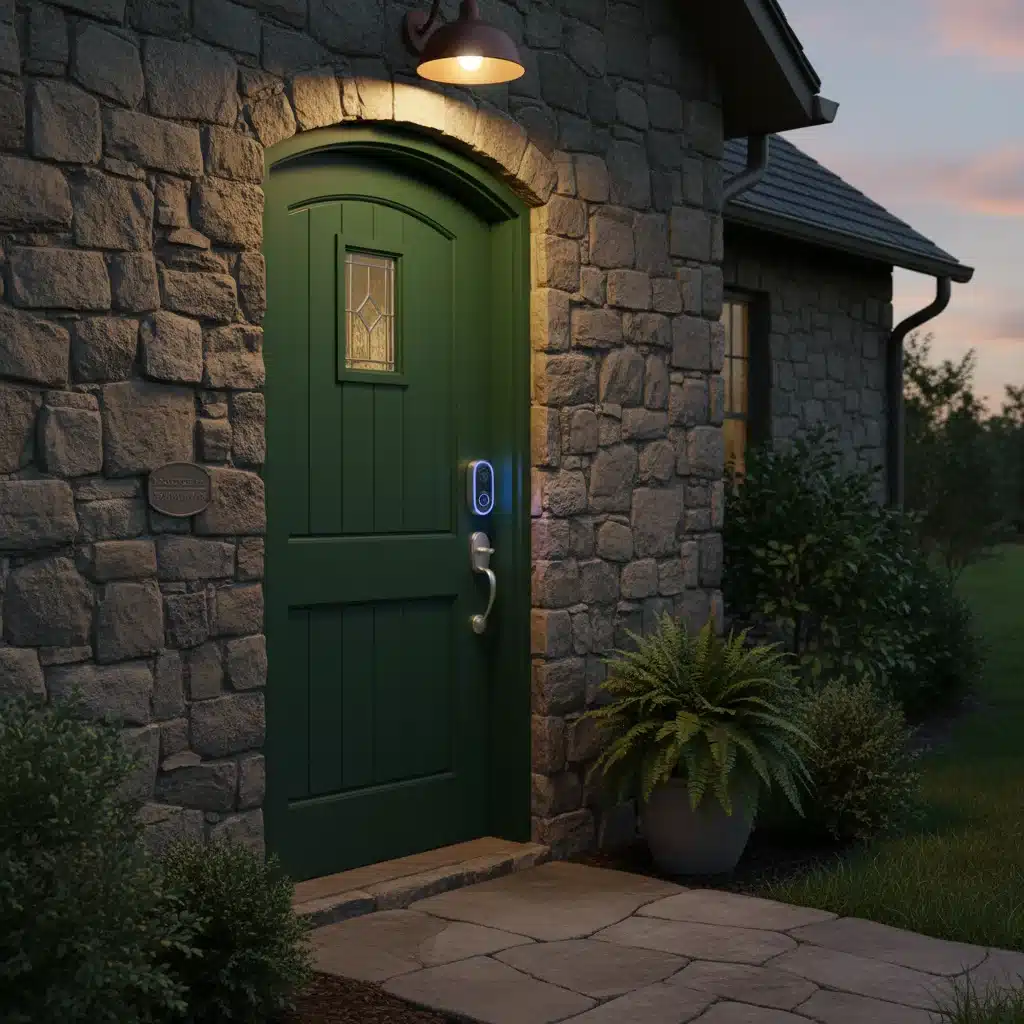
As discussed, security is a major concern. Investing in a comprehensive smart security system, including smart locks (e.g., August, Schlage Connect), video doorbells (e.g., Ring, Arlo), and connected cameras, offers a compelling value proposition. These systems provide remote monitoring, keyless entry, and real-time alerts, significantly enhancing safety and convenience. The perception of a secure home is invaluable to buyers, and these upgrades often yield a strong smart home ROI by increasing buyer confidence and willingness to pay a premium.
4. Smart Home Hubs and Voice Assistants
While not direct ROI drivers in themselves, smart home hubs (e.g., Amazon Echo, Google Home) and voice assistants are the central nervous system of a smart home. They tie all other smart devices together, allowing for seamless control through voice commands or a single app. A home that is already set up with a robust smart hub infrastructure is far more appealing to buyers who want an integrated experience from day one. They represent the ‘smart’ in smart home, making other investments more functional and, by extension, boosting the collective smart home ROI.
5. Smart Appliances (Selected)
The ROI on smart appliances can be more nuanced. While a smart refrigerator that tells you when you’re out of milk might be a novelty, certain smart appliances offer genuine value. Smart washing machines and dryers with remote control and cycle optimization, or smart ovens with precision cooking features, can be attractive. The key is to focus on appliances that offer tangible benefits like energy savings, time efficiency, or enhanced safety features, rather than just connectivity for connectivity’s sake. When chosen wisely, smart appliances can contribute to a positive smart home ROI.
Quantifying the ROI: What to Expect
The promise of a 7% increase in home value within 12 months from smart home upgrades might seem ambitious, but it’s a figure supported by market trends and buyer preferences. Several factors contribute to this potential uplift:
Increased Appeal to Tech-Savvy Buyers
As mentioned, a significant portion of the homebuying market, particularly younger generations, actively seeks out homes with integrated technology. For these buyers, a smart home is move-in ready and aligns with their lifestyle expectations. They are often willing to pay more for the convenience and perceived modernity, directly impacting the smart home ROI.
Energy Savings as a Selling Point
The quantifiable savings on utility bills are a powerful incentive. Real estate agents can highlight these savings, presenting them as an ongoing financial benefit that offsets the purchase price. This makes the home more attractive financially over the long term, thereby increasing its immediate market value and contributing to a higher smart home ROI.
Perceived Value of Modernity and Efficiency
Beyond tangible savings, smart home features contribute to a home’s overall perceived value. A smart home feels modern, efficient, and well-maintained. This perception can translate into a higher asking price and a quicker sale, as buyers are often willing to pay a premium for a home that feels updated and forward-thinking. The psychological impact on buyers is a significant, albeit sometimes subtle, component of smart home ROI.
Competitive Advantage in the Market
In a competitive market, smart home features can differentiate your property from others. When two similar homes are on the market, the one equipped with advanced smart technology often stands out, attracting more interest and potentially driving up bidding prices. This competitive edge is a direct contributor to maximizing your smart home ROI.
Strategic Implementation: Tips for Maximizing Your Smart Home ROI
Simply installing smart devices isn’t enough; strategic implementation is key to realizing the full potential of your smart home ROI. Consider these tips:
Focus on Integration and Compatibility
A truly smart home is one where devices work together seamlessly. When choosing smart home products, prioritize those that are compatible with each other and can be controlled through a central hub or app. A fragmented system with multiple apps and controls can be frustrating for new homeowners and detract from the overall appeal. Aim for an integrated ecosystem that offers a cohesive and user-friendly experience.
Professional Installation and Setup
While many smart devices are designed for DIY installation, professional setup ensures optimal performance, correct configuration, and proper integration. A professionally installed system also conveys a sense of quality and reliability to potential buyers, enhancing the perceived value and safeguarding your smart home ROI. Poorly installed or configured systems can lead to frustration and diminish the positive impact of the upgrades.
Highlight Features in Marketing
When selling your home, actively highlight its smart home features in your marketing materials. Provide a detailed list of installed technologies, emphasizing the benefits of convenience, security, and energy efficiency. Consider creating a dedicated smart home feature sheet or even a video tour demonstrating the functionality of your smart home. Educating potential buyers about these features is crucial for them to appreciate the added value and for you to realize your desired smart home ROI.
Start with the Basics and Expand
If budget is a concern, start with the most impactful upgrades like smart thermostats and smart security. These offer the highest smart home ROI and provide a solid foundation. You can then gradually expand to other areas like lighting, entertainment, and appliances as your budget allows. Even a few well-chosen smart upgrades can significantly enhance your home’s appeal.
Consider Future-Proofing
Technology evolves rapidly. When investing in smart home devices, try to choose reputable brands that regularly update their software and offer long-term support. This helps ensure that your smart home system remains functional and relevant for years to come, protecting your investment and long-term smart home ROI.
Challenges and Considerations for Smart Home Upgrades
While the benefits of smart home upgrades are compelling, it’s also important to be aware of potential challenges and considerations. Addressing these proactively can help ensure a smoother process and a better smart home ROI.
Cost of Initial Investment
The initial outlay for smart home technology can vary significantly. While some devices are relatively inexpensive, a comprehensive system can represent a substantial investment. It’s crucial to budget carefully and prioritize upgrades that offer the best return for your specific property and target market. Remember that the goal is not just to add technology, but to add value.
Rapid Technological Obsolescence
The tech world moves fast, and smart home devices are no exception. What’s cutting-edge today might be outdated in a few years. While you can’t completely future-proof your home, choosing reputable brands with a history of software updates and forward compatibility can mitigate this risk. Focus on core functionalities that are likely to remain relevant, such as energy management and security, to ensure a lasting smart home ROI.
Privacy and Security Concerns
With interconnected devices, privacy and data security become paramount. Homeowners and buyers alike are increasingly concerned about how their data is collected, stored, and used. When selecting smart home devices, prioritize those with strong encryption, clear privacy policies, and a commitment to user data protection. Being able to assure potential buyers of the system’s security can be a significant advantage.
Complexity and User Experience
A smart home should simplify life, not complicate it. Overly complex systems or those with poor user interfaces can deter potential buyers. Ensure your smart home setup is intuitive, easy to use, and offers a seamless experience. A well-designed smart home should feel effortless, not like a chore to manage. This ease of use directly impacts its appeal and, therefore, your smart home ROI.
Compatibility Issues
As mentioned earlier, compatibility is crucial. Different manufacturers use different protocols (e.g., Z-Wave, Zigbee, Wi-Fi, Bluetooth). While many devices can be integrated through a central hub, ensuring seamless communication across all your smart devices can sometimes be a challenge. Plan your ecosystem carefully to avoid compatibility headaches that could detract from the overall value proposition.
The Future of Smart Homes and Property Value
The trend towards smart homes is not a fleeting fad; it’s a fundamental shift in how we live and interact with our environments. As technology continues to advance, smart home features will become even more sophisticated, offering greater levels of personalization, automation, and efficiency. This ongoing evolution suggests that the smart home ROI will likely continue to strengthen in the coming years.
Future smart homes may incorporate more advanced AI for predictive maintenance, hyper-personalized environmental controls, and even greater integration with smart city infrastructure. Homes that are already equipped with a robust smart foundation will be better positioned to adapt to these future innovations, further protecting their value and ensuring a long-term positive return on investment.
For homeowners, this means that investing in smart technology now is not just about immediate gains but also about future-proofing their property. A smart home today is a desirable home; a smart home tomorrow will be an essential one. By embracing these technologies, you are not just upgrading your living space; you are making a strategic investment in the long-term value and marketability of your property.
Conclusion: Smart Investments for a Brighter Future
The evidence is clear: investing in smart home upgrades offers a compelling return on investment, with the potential to increase your home’s value by as much as 7% within a year. From enhanced security and unparalleled convenience to significant energy savings, smart homes meet the evolving demands of modern buyers and provide a distinct competitive advantage in the real estate market. By strategically selecting upgrades like smart thermostats, intelligent lighting, and robust security systems, and ensuring seamless integration and professional installation, homeowners can transform their properties into highly desirable, future-ready residences.
Understanding the nuances of the market and the priorities of today’s tech-savvy homebuyers is paramount. The smart home ROI is not just a theoretical concept; it’s a tangible benefit realized through increased appeal, quantifiable savings, and the perceived value of modernity. As technology continues to shape our lives, the smart home will only grow in importance, making these investments not just wise, but essential for any homeowner looking to maximize their property’s potential. Embrace the future of living, and watch your home’s value soar.