Understanding VPNs: Why You Need One for Online Privacy in 2026
Understanding VPNs: Why You Need One for Online Privacy in 2026
In the digital landscape of 2026, where every click, search, and interaction leaves a trace, the concept of online privacy has evolved from a niche concern to a universal imperative. With data breaches becoming more frequent, government surveillance expanding, and targeted advertising growing more intrusive, safeguarding your digital footprint is no longer optional. This is where a Virtual Private Network, or VPN, steps in as an indispensable tool. Understanding VPNs is the first step towards reclaiming your online autonomy. This comprehensive guide will explore why a VPN is not just a luxury but a necessity for robust VPN online privacy in the current and future digital ecosystem.
The internet, as we know it, is a vast and intricate web of interconnected servers and devices. While it offers unparalleled access to information and communication, it also exposes users to a myriad of risks. From identity theft to censorship, the threats are ever-present. A VPN acts as your personal digital guardian, creating a secure, encrypted tunnel for your internet traffic. This simple yet powerful technology can revolutionize the way you interact with the online world, offering peace of mind and unparalleled protection.
What Exactly is a VPN and How Does it Work?
At its core, a VPN is a service that creates a secure, encrypted connection over a less secure network, such as the internet. Think of it as building a private, protected road over a busy, public highway. When you connect to a VPN, your internet traffic is routed through a remote server operated by the VPN provider. This process involves several key steps:
- Encryption: Before your data leaves your device, the VPN encrypts it. This means your data is scrambled into an unreadable format, making it incomprehensible to anyone who might intercept it.
- Tunneling: The encrypted data then travels through a ‘tunnel’ to the VPN server. This tunnel is the secure connection that prevents external entities from monitoring your online activities.
- IP Address Masking: Once your data reaches the VPN server, it exits onto the internet from that server’s IP address, not your own. This effectively masks your real IP address, making it appear as though you are browsing from the VPN server’s location. This is a crucial aspect of enhancing VPN online privacy.
- Decryption: Finally, the VPN server decrypts your data before sending it to its intended destination on the internet. When the response comes back, it goes through the same encrypted tunnel in reverse, ensuring continuous protection.
This intricate process ensures that your online activities remain private and secure, shielded from internet service providers (ISPs), government agencies, hackers, and advertisers. The technical sophistication behind a VPN is designed to be seamless for the end-user, providing robust protection without requiring in-depth technical knowledge.
The Evolving Threat Landscape: Why 2026 Demands VPN Protection
The digital world is in a constant state of flux, and so are the threats to our online privacy. In 2026, these threats are more sophisticated and pervasive than ever before. Here’s a closer look at why a VPN is no longer a luxury but a fundamental component of your digital defense strategy:
Increased Data Collection by ISPs and Governments
Many internet service providers (ISPs) legally collect and store vast amounts of data about their users’ online activities. This data can include browsing history, connection times, and even location information. In some regions, governments can compel ISPs to hand over this data without a warrant. A VPN encrypts your traffic, making it unreadable to your ISP, thereby protecting your browsing habits from being monitored and collected. This is a cornerstone of maintaining VPN online privacy.
Proliferation of Public Wi-Fi Risks
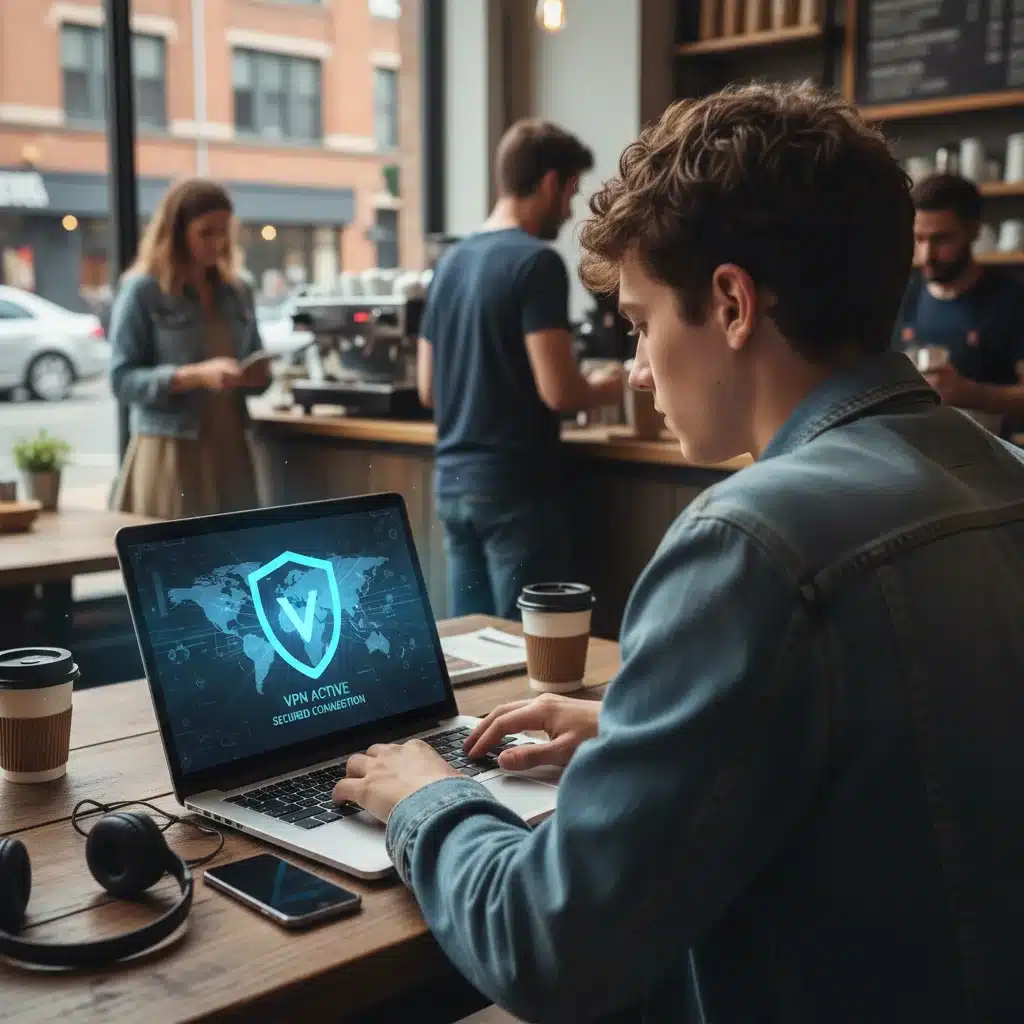
Public Wi-Fi networks in cafes, airports, and hotels are notorious hotspots for cybercriminals. These networks often lack robust security measures, making it easy for hackers to intercept your data, steal personal information, and even plant malware. Connecting to a VPN before using public Wi-Fi creates an encrypted tunnel, safeguarding your data from potential eavesdroppers and ensuring your VPN online privacy remains intact, regardless of the network’s security.
Aggressive Targeted Advertising and Tracking
Advertisers and data brokers employ sophisticated tracking technologies to build detailed profiles of your online behavior. This data is then used to deliver highly targeted advertisements, often based on sensitive personal information. While seemingly innocuous, this constant surveillance erodes your privacy and can lead to manipulative marketing practices. By masking your IP address and encrypting your traffic, a VPN makes it significantly harder for these entities to track your online movements and collect your data, thereby enhancing your VPN online privacy.
Geographical Restrictions and Censorship
Many online services, streaming platforms, and websites impose geographical restrictions, limiting access based on your location. Furthermore, some governments implement strict internet censorship, blocking access to certain content or platforms. A VPN allows you to bypass these restrictions by making it appear as though you are browsing from a different location, enabling you to access a truly open and unrestricted internet experience while maintaining your VPN online privacy.
The Rise of Cybercrime and Data Breaches
Cybercrime continues to evolve, with new threats emerging constantly. From phishing scams to ransomware attacks, the risks to your personal data are significant. While a VPN isn’t a silver bullet against all cyber threats, it adds a crucial layer of security by encrypting your data, making it much harder for criminals to intercept and exploit. This proactive approach to security is vital for protecting your VPN online privacy in 2026.
Key Benefits of Using a VPN for Online Privacy
Beyond addressing the evolving threat landscape, VPNs offer a multitude of benefits that directly contribute to a more secure and private online experience:
Enhanced Anonymity
By masking your IP address and routing your traffic through a remote server, a VPN significantly enhances your online anonymity. Your real location and identity become much harder to trace, allowing you to browse the internet with greater freedom and less concern about being monitored. This is perhaps the most significant advantage for those prioritizing VPN online privacy.
Secure Data Transmission
The encryption protocols employed by VPNs ensure that your data is protected from unauthorized access. Whether you’re sending emails, conducting online banking, or simply browsing, your information remains confidential and secure. This is particularly important when dealing with sensitive personal or financial data.
Bypassing Geo-Restrictions and Censorship
As mentioned earlier, a VPN provides the ability to bypass geographical restrictions and censorship. This means you can access content and services that might otherwise be unavailable in your region, fostering a more open and equitable internet experience.
Protection on Public Wi-Fi
Public Wi-Fi networks are notorious security risks. A VPN encrypts your connection, making it safe to use public Wi-Fi without worrying about hackers intercepting your data. This is a critical feature for anyone who frequently connects to shared networks.
Preventing Bandwidth Throttling
Some ISPs may intentionally slow down your internet speed (bandwidth throttling) based on your online activities, such as streaming or torrenting. By encrypting your traffic, a VPN makes it difficult for your ISP to see what you’re doing online, thus preventing them from throttling your connection.
Cost Savings on Online Services
Believe it or not, a VPN can sometimes help you save money. Prices for online services, flights, and subscriptions can vary based on your geographical location. By connecting to a VPN server in a different country, you might be able to access lower prices, adding another practical benefit to your VPN online privacy efforts.
Choosing the Right VPN: Factors to Consider in 2026
With a plethora of VPN providers available, selecting the right one can be a daunting task. Here are the key factors to consider to ensure you choose a VPN that effectively protects your VPN online privacy:
No-Logs Policy
A reputable VPN provider should have a strict ‘no-logs’ policy, meaning they do not collect or store any information about your online activities. This is paramount for privacy. Look for providers whose no-logs policy has been independently audited.
Strong Encryption Standards
Ensure the VPN uses strong encryption protocols, such as AES-256, which is the industry standard for robust security. Avoid VPNs that use weaker or outdated encryption methods.
Server Network and Locations
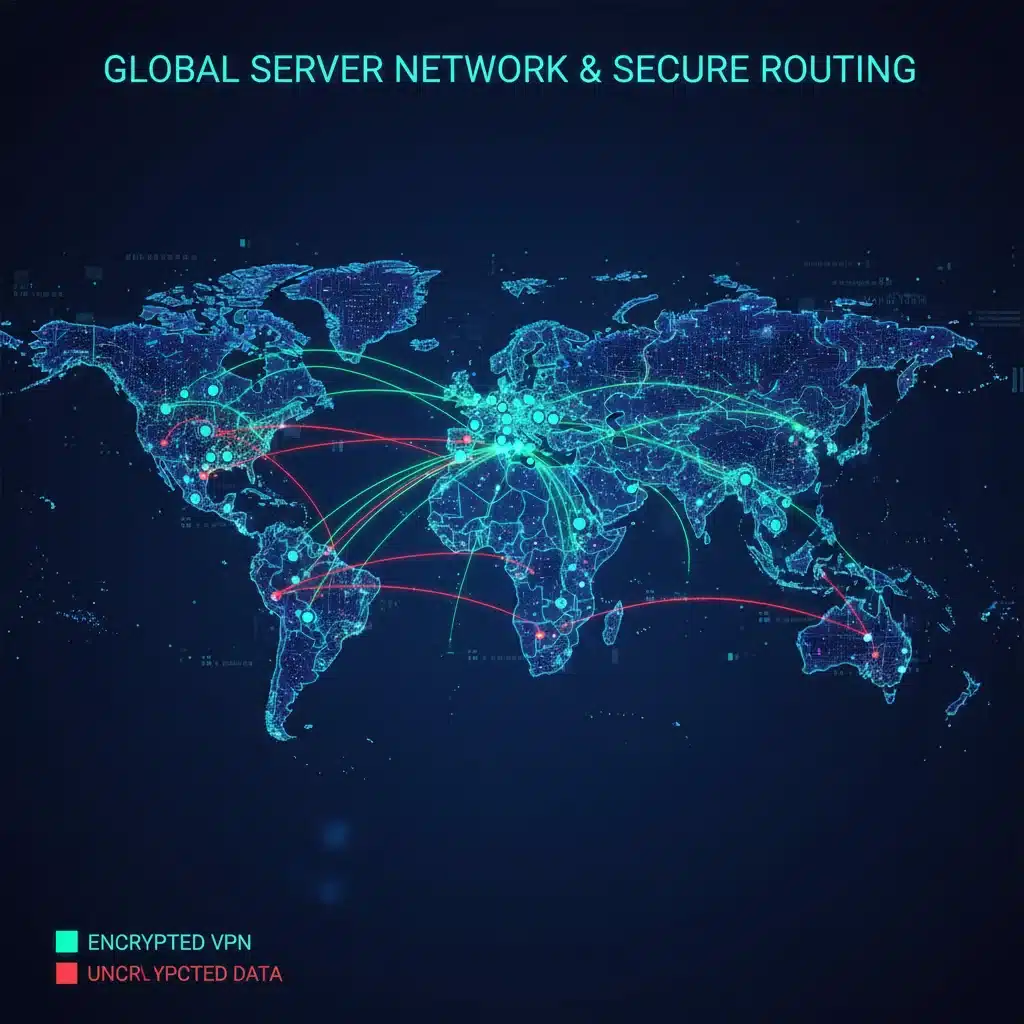
A large and diverse server network across many countries offers more options for bypassing geo-restrictions and finding faster connections. The more servers and locations, the more flexible your VPN online privacy options become.
Speed and Performance
While encryption can sometimes slightly reduce internet speed, a good VPN provider will minimize this impact. Look for VPNs known for their fast speeds and reliable connections, especially if you plan on streaming or gaming.
Security Features
Beyond basic encryption, consider additional security features like a kill switch (which automatically disconnects your internet if the VPN connection drops), DNS leak protection, and split tunneling (allowing you to choose which apps use the VPN). These features significantly enhance your VPN online privacy.
Pricing and Plans
VPN services come in various pricing tiers. While free VPNs exist, they often come with limitations, slower speeds, or even compromise your privacy by logging and selling your data. Investing in a reputable paid VPN is generally recommended for serious VPN online privacy.
Ease of Use and Compatibility
The VPN software should be user-friendly and compatible with all your devices (Windows, macOS, Linux, Android, iOS, routers, etc.). A good user interface makes it easy to connect and manage your VPN settings.
Customer Support
Reliable customer support, ideally 24/7, is important for troubleshooting any issues you might encounter. Look for providers with live chat, email support, and comprehensive knowledge bases.
Common Misconceptions About VPNs
Despite their growing popularity, several misconceptions about VPNs persist. Clearing these up is crucial for a complete understanding of VPN online privacy:
Misconception 1: A VPN Makes You Completely Anonymous
While a VPN significantly enhances your anonymity by masking your IP address and encrypting your traffic, it doesn’t make you entirely anonymous. Other factors, such as browser cookies, online accounts, and digital fingerprints, can still be used to identify you. For maximum anonymity, a VPN should be used in conjunction with other privacy tools like the Tor browser and privacy-focused search engines.
Misconception 2: All VPNs Are the Same
This is far from the truth. There’s a vast difference in quality, security, and privacy policies among VPN providers. Free VPNs, in particular, often have questionable logging practices and weaker security, potentially doing more harm than good to your VPN online privacy.
Misconception 3: VPNs are Only for Illegal Activities
This is a harmful stereotype. While VPNs can be misused, their primary purpose is to protect legitimate online privacy and security for everyday users. Millions of people use VPNs for secure browsing, protecting data on public Wi-Fi, bypassing geo-restrictions for legal content, and safeguarding their digital rights.
Misconception 4: VPNs Slow Down Your Internet Too Much
While some speed reduction is inevitable due to encryption and routing, a high-quality VPN with optimized servers will have a minimal impact on your internet speed. For most daily activities, the difference is negligible. If you experience significant slowdowns, it might be due to a poor VPN provider or an overloaded server.
Misconception 5: Installing a VPN is Complicated
Modern VPN services are designed to be extremely user-friendly. Most come with intuitive apps for all major platforms, allowing you to connect with a single click or tap. The setup process is typically straightforward and requires no advanced technical knowledge.
Integrating VPNs into Your Digital Lifestyle
Making a VPN a regular part of your digital routine is key to consistently protecting your VPN online privacy. Here are some tips for seamless integration:
- Always On: For maximum protection, consider keeping your VPN connected at all times, especially on your primary devices.
- Public Wi-Fi First: Make it a habit to activate your VPN before connecting to any public Wi-Fi network.
- Router VPN: For comprehensive protection across all devices in your home network, consider installing a VPN directly on your router. This protects smart devices and guests as well.
- Browser Extensions (with caution): While convenient, browser extensions only protect browser traffic. For full system-wide protection, use the dedicated VPN application.
- Regular Updates: Ensure your VPN software is always up-to-date to benefit from the latest security patches and features.
By proactively incorporating a VPN into your daily online habits, you create a robust defense against the myriad of digital threats that exist in 2026. This commitment to digital hygiene is crucial for maintaining your VPN online privacy and security.
The Future of VPNs and Online Privacy
As technology continues to advance, so too will the capabilities of VPNs. We can expect to see further innovations aimed at enhancing speed, security, and user experience. Quantum computing, while still nascent, could eventually pose a threat to current encryption standards, prompting the development of post-quantum cryptography for VPNs. Furthermore, the integration of AI and machine learning could lead to more intelligent VPNs that can adapt to evolving threats in real-time.
Regulatory landscapes around data privacy are also likely to continue evolving, with some regions implementing stricter laws while others may become more permissive. In this dynamic environment, the role of a VPN will only become more critical as a tool for individuals to assert control over their digital lives and maintain their VPN online privacy.
The conversation around digital rights and internet freedom will undoubtedly intensify. VPNs will remain at the forefront of this discussion, empowering users to bypass censorship, access information freely, and protect their fundamental right to privacy in an increasingly monitored world.
Conclusion: Your Shield for Digital Autonomy
In 2026, the question is no longer whether you need a VPN, but rather which VPN best suits your needs. The digital world is a place of incredible opportunity, but it also harbors significant risks to your personal information and freedom. A VPN stands as a powerful, accessible solution to many of these challenges, offering a critical layer of security and anonymity that is increasingly essential.
By understanding VPNs, their mechanisms, and the evolving digital threats, you empower yourself to make informed decisions about your online security. Investing in a reputable VPN service is an investment in your peace of mind, your data security, and your fundamental right to VPN online privacy. Don’t leave your digital life exposed; arm yourself with the protection you deserve and navigate the internet of 2026 with confidence and security.