Smart Home Energy Storage: Cut Peak Hour Electricity Costs by 22% for US Households
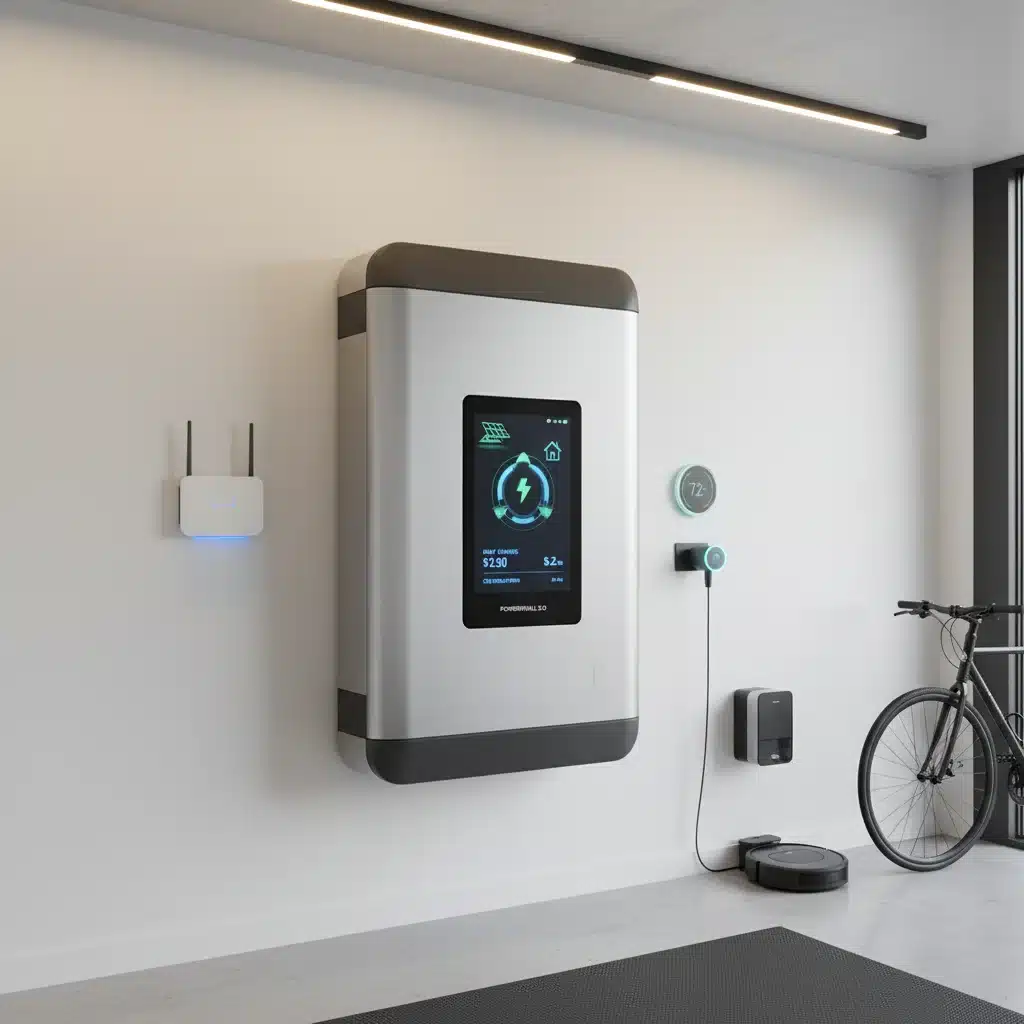
Smart Home Energy Storage: Cutting Peak Hour Electricity Costs by 22% for US Households
In an era where energy costs are a growing concern for American households, finding innovative solutions to manage and reduce electricity bills is more critical than ever. One of the most promising advancements in this regard is smart home energy storage. Imagine a world where your home intelligently manages its power consumption, drawing electricity from the grid when it’s cheapest, storing it, and then deploying that stored energy during peak hours when prices skyrocket. This isn’t science fiction; it’s the reality offered by modern smart home energy storage systems, which are proving to be a game-changer for homeowners across the United States. This comprehensive guide will delve into how these systems work, their undeniable benefits, and how they can realistically cut your peak hour electricity costs by a significant 22% or more.
The energy landscape in the US is constantly evolving, with many utility companies adopting ‘time-of-use’ (TOU) rates. This means the price you pay for electricity varies depending on the time of day, with higher rates during periods of high demand (peak hours) and lower rates during off-peak hours. For the average US household, these peak hours can account for a substantial portion of their monthly electricity bill. This is precisely where smart home energy storage shines, offering a strategic solution to navigate and mitigate these fluctuating costs. By understanding and leveraging this technology, homeowners can take a proactive stance against rising utility expenses, contribute to a more stable energy grid, and embrace a greater degree of energy independence.
Understanding Time-of-Use (TOU) Rates and Their Impact
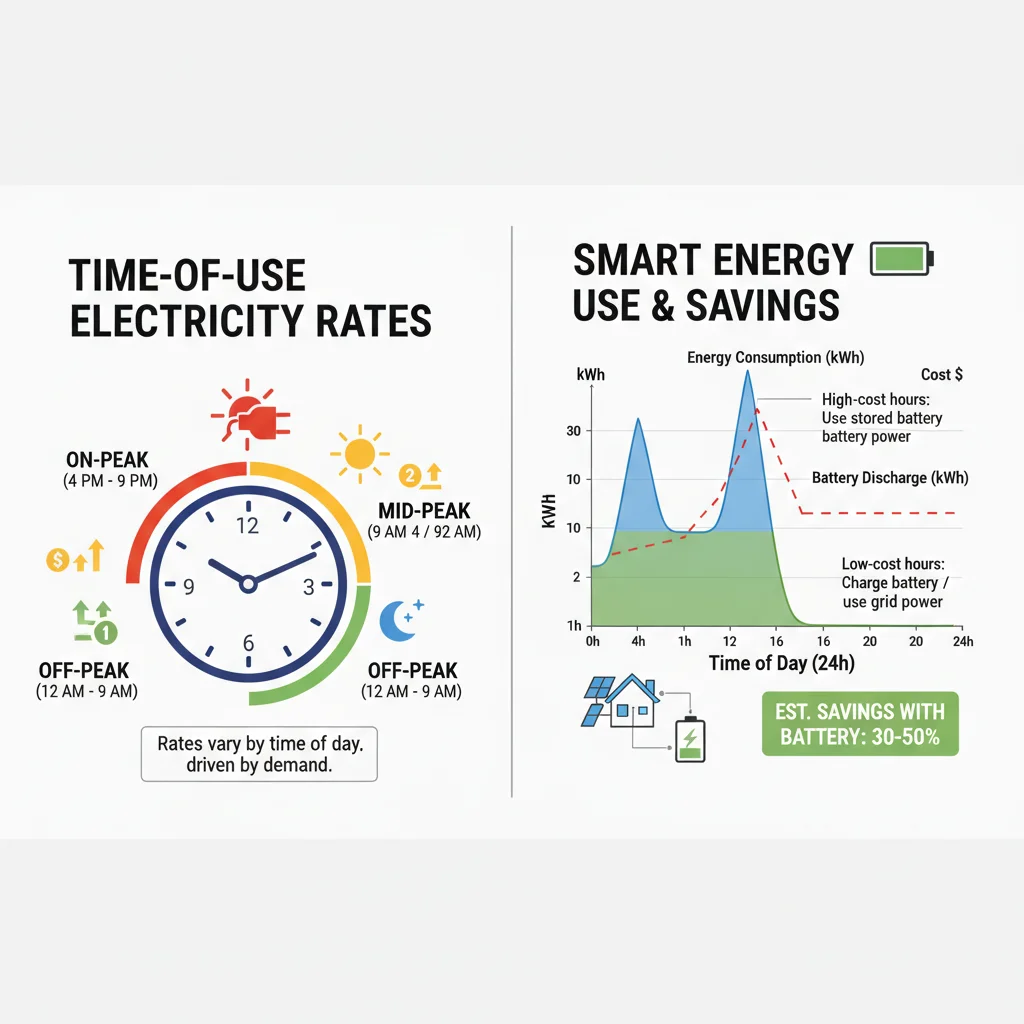
Before diving deeper into the specifics of smart home energy storage, it’s crucial to grasp the concept of Time-of-Use (TOU) rates. These rate structures are designed by utility companies to encourage consumers to shift their electricity consumption away from periods of high demand. During peak hours, typically late afternoons and evenings when most people return home, turn on appliances, and use air conditioning, the demand for electricity surges. To meet this demand, utilities often have to fire up less efficient, more expensive ‘peaker plants,’ leading to higher operational costs that are then passed on to consumers. Conversely, during off-peak hours (often overnight or in the middle of the day), demand is lower, and electricity is cheaper to produce and distribute.
For many US households, especially those in states with aggressive TOU pricing models, the difference between peak and off-peak rates can be substantial. This means that running energy-intensive appliances like dishwashers, washing machines, or even charging electric vehicles during peak hours can significantly inflate your monthly bill. Without a strategic approach, households are often at the mercy of these fluctuating prices, making budgeting and energy management a constant challenge. The impact isn’t just financial; it also contributes to grid instability and a greater reliance on fossil fuel-based generation during peak periods.
This is where the intelligence of a smart home energy storage system becomes invaluable. By automatically managing when your home draws power from the grid and when it uses stored energy, these systems effectively insulate you from the most expensive periods of electricity consumption. They turn the challenge of TOU rates into an opportunity for savings and greater energy control. The savings potential isn’t theoretical; studies and real-world applications consistently demonstrate significant reductions in electricity bills, often exceeding 20% during peak periods.
How Smart Home Energy Storage Works to Save You Money
At its core, a smart home energy storage system is essentially a large, rechargeable battery coupled with intelligent software. This software is the ‘smart’ component, constantly monitoring electricity prices, your home’s energy consumption patterns, and the battery’s charge level. Here’s a breakdown of how it orchestrates savings:
- Charging During Off-Peak Hours: The system is programmed to charge its battery when electricity rates are lowest. This typically occurs overnight or during midday when solar production is high (if you have solar panels) and overall grid demand is low. Think of it as buying electricity in bulk when it’s on sale.
- Discharging During Peak Hours: As peak hours approach and electricity prices climb, the smart home energy storage system automatically switches from drawing power from the grid to supplying your home with the electricity stored in its battery. This means your home is powered by cheaper, pre-purchased electricity during the most expensive times, effectively bypassing the high TOU rates.
- Optimized Energy Management: Beyond just charging and discharging, advanced systems learn your household’s unique energy usage patterns. They can anticipate future needs, integrate with other smart home devices (like thermostats or EV chargers), and make real-time decisions to maximize savings and efficiency. Some systems can even prioritize charging from solar panels first, further reducing reliance on the grid.
- Grid Services and Resilience: In some regions, smart home energy storage systems can participate in grid services, where utilities might pay you to provide energy back to the grid during critical times. This not only generates additional income but also enhances grid stability. Furthermore, in the event of a power outage, many battery systems can provide backup power, keeping essential appliances running and offering invaluable peace of mind.
The synergy between the battery and the intelligent management system is what truly sets smart home energy storage apart. It’s not just about having a battery; it’s about having a battery that thinks and acts autonomously to optimize your energy consumption and minimize your costs. This level of automation ensures that you are always operating at peak efficiency, without having to constantly monitor rates or manually switch power sources.
The 22% Savings Potential: A Realistic Outlook
The claim of cutting peak hour electricity costs by 22% for US households is not an exaggeration but a realistic, achievable goal supported by numerous case studies and analyses. This figure can even be higher depending on several factors:
- Local Utility Rates and TOU Structure: Regions with steeper differences between peak and off-peak rates will naturally see greater savings. Some areas have peak rates that are 3-5 times higher than off-peak rates.
- Household Energy Consumption Patterns: Homes with higher energy consumption during peak hours (e.g., families with electric vehicles, heavy air conditioning use, or active evenings) have more to save by shifting that load to stored energy.
- System Sizing and Configuration: A properly sized smart home energy storage system that matches your household’s needs will maximize its efficiency and savings potential. An undersized system won’t cover all peak demand, while an oversized one might be an unnecessary upfront cost.
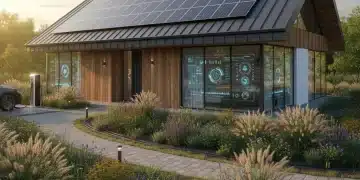
- Integration with Solar Panels: When combined with rooftop solar, the savings potential skyrockets. Solar panels can charge the battery during the day with free, renewable energy, which is then used during peak hours, further reducing reliance on grid electricity. This creates a powerful synergy, turning your home into a micro-utility.
- Incentives and Rebates: Many states and federal programs offer significant incentives, tax credits, and rebates for installing smart home energy storage systems, further improving the return on investment and accelerating the path to savings. These incentives can dramatically reduce the initial outlay, making the technology more accessible to a wider range of homeowners.
Consider a typical US household that uses 900 kWh per month, with 40% of that consumption occurring during peak hours. If the peak rate is $0.30/kWh and the off-peak rate is $0.10/kWh, a smart home energy storage system that shifts even half of that peak consumption to off-peak stored energy can lead to substantial monthly savings. Over a year, these savings accumulate, often paying back the initial investment within a reasonable timeframe, after which the savings represent pure financial gain. The 22% figure serves as a compelling benchmark, demonstrating the tangible economic benefits of embracing this advanced energy solution.
Key Components of a Smart Home Energy Storage System
Understanding the individual components that make up a complete smart home energy storage system can help homeowners make informed decisions. While variations exist between manufacturers, the core elements remain consistent:
Battery Module
This is the heart of the system. Most modern smart home energy storage systems utilize lithium-ion batteries, similar to those found in electric vehicles. These batteries are chosen for their high energy density, long cycle life, and relatively fast charging/discharging capabilities. The capacity of the battery (measured in kilowatt-hours, kWh) determines how much energy it can store and deliver. Common capacities for residential use range from 5 kWh to 20 kWh, often expandable by adding more modules.
Inverter
The inverter is a critical component that converts the direct current (DC) electricity stored in the battery into alternating current (AC) electricity, which is what your home appliances use. It also manages the flow of electricity between the battery, your home, and the grid. Hybrid inverters are increasingly popular, as they can manage both solar input (if applicable) and battery storage, simplifying the system architecture.
Energy Management System (EMS) Software
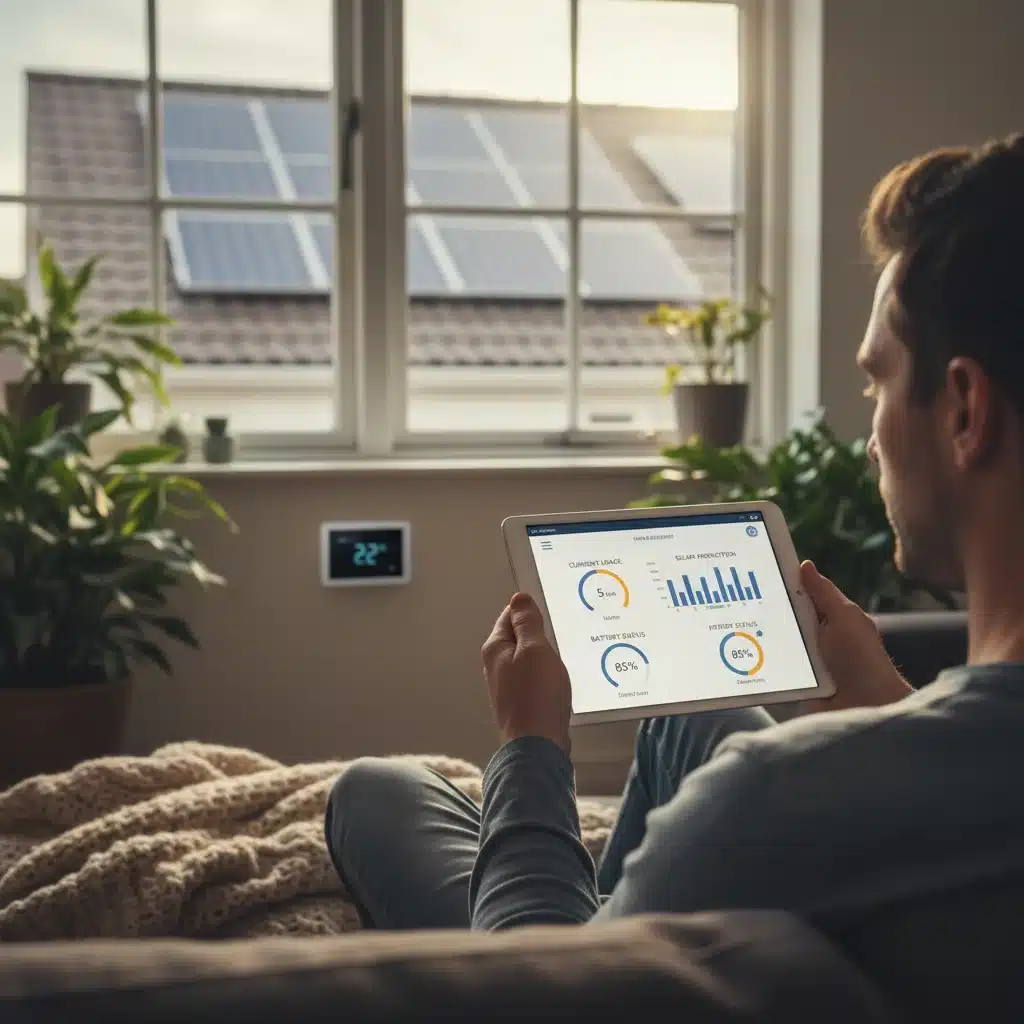
This is the ‘brain’ of the smart home energy storage system. The EMS software monitors real-time electricity prices, analyzes your household’s energy consumption patterns, forecasts future energy needs, and makes intelligent decisions about when to charge and discharge the battery. It communicates with the inverter, the grid, and often other smart home devices. Advanced EMS platforms offer user-friendly interfaces (typically via a smartphone app or web portal) that allow homeowners to monitor their energy usage, track savings, and even set preferences for backup power or specific charging schedules.
Metering and Monitoring Hardware
To make informed decisions, the system needs to know exactly how much electricity your home is using and how much is flowing to and from the grid. Dedicated metering hardware provides this real-time data to the EMS, ensuring accurate tracking and optimal performance. These meters are usually installed at the main electrical panel.
Integration with Solar PV (Optional but Recommended)
While a smart home energy storage system can work independently, its benefits are significantly amplified when integrated with a solar photovoltaic (PV) system. The solar panels generate clean electricity during the day, which can directly power your home or charge the battery. This reduces your reliance on grid electricity even further and maximizes your energy independence, often leading to even greater financial savings and a smaller carbon footprint.
Benefits Beyond Cost Savings
While the financial savings are a primary motivator, smart home energy storage offers a wealth of other advantages that contribute to a more sustainable, resilient, and comfortable home environment.
Enhanced Energy Independence and Resilience
One of the most compelling benefits is the increased energy independence it provides. By storing your own electricity, you become less reliant on the grid, especially during peak demand times. This translates into greater control over your energy supply and reduced vulnerability to price hikes. Furthermore, in areas prone to power outages, a smart home energy storage system equipped with backup capabilities can keep essential appliances running, providing security and peace of mind during emergencies. This resilience is invaluable, protecting your family and your property from unexpected disruptions.
Reduced Carbon Footprint
By optimizing energy usage and potentially integrating with solar power, smart home energy storage systems contribute significantly to reducing your household’s carbon footprint. Shifting consumption away from peak hours often means less reliance on carbon-intensive peaker plants. When paired with solar, you are effectively powering your home with clean, renewable energy, leading to a substantial decrease in greenhouse gas emissions.
Grid Stability and Support
When multiple homes adopt smart home energy storage, the collective impact can be profound. These distributed energy resources can help stabilize the grid by reducing peak demand, which in turn lessens the strain on infrastructure and the need for new power plant construction. In some advanced programs, homeowners can even sell excess stored energy back to the grid during times of high demand, contributing to grid reliability and earning additional revenue.
Increased Home Value
As energy efficiency and sustainability become increasingly important to homebuyers, installing a smart home energy storage system can significantly increase your property’s value. It positions your home as modern, future-proof, and cost-efficient, appealing to environmentally conscious buyers looking for long-term savings and reliability.
Smart Home Integration
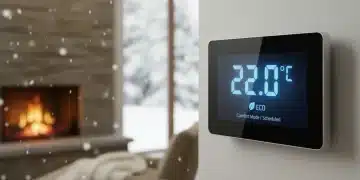
Modern smart home energy storage systems are designed to integrate seamlessly with other smart home technologies. This allows for a holistic approach to home management, where your energy system can communicate with smart thermostats, EV chargers, and other appliances to create a truly optimized and automated living environment. Imagine your smart thermostat adjusting heating or cooling based on stored energy availability and forecasted peak rates.
Choosing the Right Smart Home Energy Storage System
Selecting the ideal smart home energy storage system involves considering several factors to ensure it meets your specific needs and maximizes your savings:
- Battery Capacity: Determine your average daily energy consumption and your peak hour usage. This will help you choose a battery with adequate capacity (kWh) to cover your critical loads during peak times or outages.
- Power Output: Consider the maximum power (kW) your home might need at any given moment, especially if you plan to run high-demand appliances during an outage.
- Inverter Type: Decide if you need a pure battery inverter or a hybrid inverter that can also manage solar input.
- Backup Capabilities: If backup power is a priority, ensure the system is designed to provide seamless power during outages and can power the essential circuits you need.
- Software and Monitoring: Evaluate the energy management software. Look for user-friendly interfaces, robust analytics, and smart features that allow for customization and optimization.
- Warranty and Lifespan: Batteries have a limited lifespan, typically measured in cycles or years. Compare warranties and expected lifespans to ensure a good return on your investment.
- Installer Reputation: Choose a reputable and experienced installer who can properly size, install, and maintain your system, and who understands local regulations and incentives.
- Cost and Incentives: Research federal, state, and local incentives, rebates, and tax credits that can significantly reduce the upfront cost of installation.
Manufacturers like Tesla Powerwall, Enphase Encharge, LG Chem RESU, and Generac PWRcell are leading the market with various solutions catering to different household needs. Each offers unique features, integration capabilities, and price points, making it essential to do thorough research and consult with energy professionals.
Installation and Maintenance Considerations
The installation of a smart home energy storage system is a complex process that typically requires a certified electrician and specialized knowledge. It involves integrating the battery and inverter with your home’s existing electrical panel and, if applicable, your solar PV system. Proper installation is crucial for safety, efficiency, and compliance with local electrical codes.
Maintenance for most modern lithium-ion battery systems is relatively low. They are designed to be largely maintenance-free, with manufacturers providing remote monitoring and diagnostics. However, it’s always advisable to have periodic inspections by your installer to ensure optimal performance and address any potential issues. Keeping the battery unit clean and ensuring proper ventilation are also good practices.
The Future of Home Energy with Smart Storage
The trajectory of smart home energy storage is upward and accelerating. As battery technology continues to advance, costs are expected to decrease, and energy density will increase, making these systems even more affordable and efficient. Future developments will likely include even more sophisticated AI-driven energy management, enhanced grid interaction capabilities, and seamless integration with a wider array of smart home devices.
The vision of a fully autonomous, energy-independent home is becoming a tangible reality, and smart home energy storage is at the forefront of this revolution. It empowers homeowners to take control of their energy consumption, reduce their environmental impact, and build a more resilient and sustainable future. The ability to cut peak hour electricity costs by a substantial 22% is just one of the many compelling reasons why this technology is rapidly becoming an essential component of the modern American home.
Embracing smart home energy storage is not merely an investment in a piece of technology; it’s an investment in financial savings, environmental stewardship, and a more secure energy future for your household. As utility rates continue to climb and the demand for sustainable solutions grows, the decision to integrate smart energy storage into your home becomes not just smart, but essential.