Combat Digital Burnout: A 7-Day Plan for Enhanced Well-being in Early 2026

Combat Digital Burnout: A 7-Day Plan for Enhanced Well-being in Early 2026
In our increasingly hyper-connected world, the lines between work and personal life have blurred, often leading to a pervasive sense of exhaustion known as digital burnout recovery. As we step into early 2026, the demands of constant connectivity, endless notifications, and the relentless pursuit of digital engagement are taking a significant toll on our mental, emotional, and physical well-being. This isn’t just about feeling tired; it’s a deep-seated fatigue that erodes productivity, creativity, and overall life satisfaction. The good news? You don’t have to surrender to this digital deluge. This comprehensive 7-day plan is meticulously designed to guide you through a structured process of digital burnout recovery, helping you reclaim your focus, energy, and peace of mind.
The concept of digital burnout recovery is more critical now than ever. With advancements in AI and automation, our digital interactions are becoming even more complex and demanding. It’s easy to feel overwhelmed, constantly ‘on,’ and unable to disconnect. This article will delve into the symptoms, causes, and, most importantly, actionable strategies for achieving meaningful digital burnout recovery. We’ll explore daily routines, mindset shifts, and practical tools to help you navigate the digital landscape without falling victim to its relentless pace. By following this plan, you’ll not only mitigate the immediate effects of burnout but also build sustainable habits for long-term digital well-being.
Understanding Digital Burnout: The Modern Epidemic
Before we dive into the 7-day plan for digital burnout recovery, it’s crucial to understand what digital burnout truly is. It’s not merely being tired of your phone; it’s a state of physical and emotional exhaustion caused by prolonged or excessive use of digital technology, coupled with the constant pressure to be available and responsive online. This phenomenon manifests in various ways, impacting individuals across all professions and age groups.
Symptoms of Digital Burnout: Recognizing the Red Flags
- Chronic Fatigue: Feeling perpetually drained, even after a full night’s sleep.
- Decreased Productivity and Focus: Difficulty concentrating on tasks, making mistakes, and feeling less effective at work or in daily activities.
- Irritability and Mood Swings: Experiencing increased frustration, anxiety, or a general sense of unease.
- Physical Ailments: Headaches, eye strain, neck and back pain, and disrupted sleep patterns are common.
- Social Withdrawal: Preferring digital interactions over face-to-face contact, or feeling too exhausted for social engagements.
- Anhedonia: Loss of interest or pleasure in activities once enjoyed, including hobbies that used to bring joy.
- Cynicism and Detachment: Developing a negative or indifferent attitude towards work, colleagues, or even personal goals.
- Increased Screen Time: Paradoxically, despite feeling burned out, individuals may find themselves spending even more time online, often scrolling mindlessly.
Causes of Digital Burnout: Why Are We So Exhausted?
The roots of digital burnout are multifaceted, stemming from both technological advancements and societal expectations:
- Constant Connectivity: The expectation to be always available for work emails, messages, and social media updates.
- Information Overload: The sheer volume of data, news, and notifications we consume daily can overwhelm our cognitive capacity.
- Fear of Missing Out (FOMO): The anxiety that comes from believing exciting or important events are happening elsewhere, perpetuated by social media.
- Blurred Boundaries: The inability to separate work from personal life, especially with remote work becoming more prevalent.
- Performance Pressure: The constant need to present a perfect online persona or meet unrealistic digital performance metrics.
- Lack of Digital Literacy: Not having the skills or strategies to manage digital tools effectively and set personal boundaries.
- Algorithmic Design: Social media and app algorithms are designed to maximize engagement, leading to addictive patterns of use.
\
Understanding these symptoms and causes is the first crucial step towards effective digital burnout recovery. Once you acknowledge the problem, you can begin to implement targeted solutions.
The 7-Day Digital Burnout Recovery Plan: Your Path to Well-being
This plan is structured to provide a gradual yet impactful approach to digital burnout recovery. Each day builds upon the last, incorporating practical exercises, mindset shifts, and habit-forming strategies. Remember, consistency is key, but so is self-compassion. Don’t aim for perfection; aim for progress.
Day 1: Digital Audit and Awareness
The first step in any effective digital burnout recovery journey is to understand your current digital habits. You can’t fix what you don’t measure.
- Track Your Screen Time: Use built-in phone features (e.g., Screen Time on iOS, Digital Wellbeing on Android) or third-party apps to monitor how much time you spend on your devices and specific applications. Be honest with yourself.
- Identify Your Digital Triggers: What makes you pick up your phone? Is it boredom, anxiety, a notification, or a specific time of day? Jot these down.
- Journal Your Feelings: Reflect on how digital interactions make you feel. Do they energize you or drain you? Do you feel more connected or more isolated?
- Set an Intention: For the next 7 days, commit to being mindful of your digital consumption and open to change.
Goal for Day 1: Gain a clear understanding of your current digital landscape and emotional responses to it.
Day 2: Notification Taming and App Declutter
Notifications are dopamine triggers designed to pull you back into apps. Taming them is vital for digital burnout recovery.
- Disable Non-Essential Notifications: Go through your phone settings and turn off all notifications for apps that aren’t absolutely critical (e.g., social media, games, news alerts). Keep only essential work communication or emergency alerts.
- Declutter Your Home Screen: Move distracting apps off your main home screen. Consider organizing apps into folders or even deleting those you rarely use or that contribute to negative feelings.
- Unfollow/Unsubscribe: On social media, unfollow accounts that don’t add value or make you feel inadequate. Unsubscribe from email newsletters you no longer read.
- Set ‘Do Not Disturb’ Schedules: Configure ‘Do Not Disturb’ mode for specific times, like during work hours or before bed.
Goal for Day 2: Reduce constant digital interruptions and create a less stimulating digital environment.
Day 3: Digital-Free Zones and Time Blocks
Creating physical and temporal boundaries is a cornerstone of digital burnout recovery. Designate specific times and places where technology is off-limits.
- Establish Digital-Free Zones: Make your bedroom a phone-free zone. Consider the dining table, bathroom, or even certain rooms in your house as places where devices are not allowed.
- Implement Digital Time Blocks: Schedule specific times for checking emails, social media, or news. Outside these blocks, resist the urge to check. For example, check emails only at 9 AM, 1 PM, and 5 PM.
- Analog Activities: Replace digital habits with analog ones. Read a physical book, go for a walk, draw, or spend time with loved ones without devices.
- Use a Traditional Alarm Clock: Ditch your phone as your alarm to avoid the temptation of checking it first thing in the morning.
Goal for Day 3: Create clear boundaries between your digital and non-digital life.

Day 4: Mindful Digital Consumption and Single-Tasking
It’s not just about reducing screen time, but improving the quality of your digital interactions. This day focuses on mindful engagement.
- Practice Mindful Scrolling: When you do use social media, ask yourself: ‘Why am I here? What am I looking for? How does this make me feel?’ If it’s not positive or productive, close the app.
- Single-Tasking: Avoid multitasking with digital devices. When you’re working on your computer, close unnecessary tabs. When you’re on a video call, don’t scroll through your phone. Give your full attention to one task.
- Batch Your Digital Tasks: Group similar digital tasks together (e.g., responding to comments, researching specific topics) to reduce context switching and improve efficiency.
- Engage Actively, Not Passively: Instead of passively consuming content, try to engage actively. If you’re watching a tutorial, try to apply what you learn. If you’re reading an article, reflect on its points.
Goal for Day 4: Shift from reactive, unconscious digital use to intentional, mindful engagement.
Day 5: Reconnect with the Real World and Nature
A vital component of digital burnout recovery is rediscovering the joy and grounding found in the physical world and human connection.
- Spend Time Outdoors: Make a conscious effort to spend at least 30 minutes in nature. Go for a walk in a park, sit in your garden, or simply observe the sky. Nature has a profound calming effect.
- Prioritize Face-to-Face Interactions: Instead of texting or messaging, call a friend or family member. Better yet, arrange to meet in person for coffee or a meal.
- Engage in Hobbies: Dust off that old guitar, pick up a paintbrush, or spend time on a craft. Reconnect with activities that don’t involve screens.
- Volunteer or Help Others: Focusing on others can shift your perspective away from your own digital anxieties and provide a sense of purpose and connection.
Goal for Day 5: Re-establish strong connections with your physical environment and human relationships.
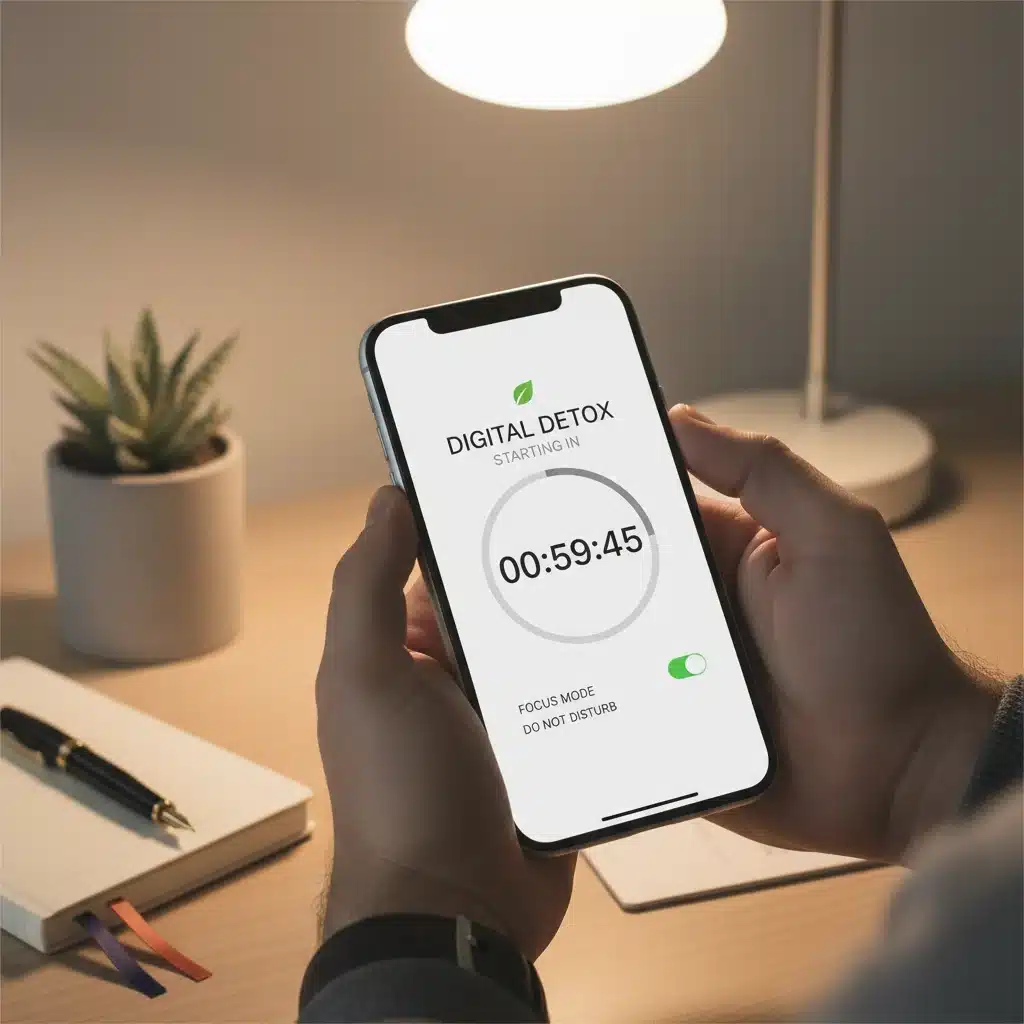
Day 6: Digital Detox Day and Reflection
Today is about a more significant break. A full or partial digital detox can be incredibly rejuvenating for digital burnout recovery.
- Plan Your Detox: Decide on the extent of your detox. Can you go a full day without your smartphone or computer? Or will you limit usage to essential communication only? Inform others so they know not to expect immediate responses.
- Prepare Analog Alternatives: Have books, board games, art supplies, or outdoor activities ready to fill the void.
- Observe and Reflect: Pay attention to how you feel throughout the day. Do you feel restless, liberated, or bored? What thoughts and emotions arise when you’re not constantly connected?
- Journal Your Insights: Document your observations. What did you learn about your relationship with technology? What did you miss, and what did you not miss at all?
Goal for Day 6: Experience a significant break from digital devices and gain deeper insights into your digital habits.
Day 7: Sustaining Habits and Future Planning
The final day is about solidifying your progress and creating a sustainable plan for long-term digital burnout recovery and prevention.
- Review Your Progress: Look back at your screen time data from Day 1 and compare it to your current usage. Reflect on how you feel now compared to a week ago.
- Identify Your ‘Non-Negotiables’: What digital boundaries will you commit to maintaining moving forward? (e.g., no phone in the bedroom, specific email checking times).
- Schedule Regular Digital Breaks: Plan for mini-detoxes (e.g., one digital-free day a week, an hour off every evening) to prevent future burnout.
- Reintroduce Technology Mindfully: As you integrate technology back into your routine, do so with intention. Only download apps that genuinely serve a purpose and contribute positively to your life.
- Share Your Journey: Talk to friends or family about your experiences. Sharing can provide accountability and inspire others.
- Seek Support if Needed: If you find yourself struggling significantly with digital addiction or burnout, consider seeking professional help from a therapist or counselor.
Goal for Day 7: Develop a personalized, sustainable plan to maintain digital well-being and prevent future burnout.
Long-Term Strategies for Preventing Digital Burnout
Achieving digital burnout recovery is not a one-time event; it’s an ongoing process. Here are some additional strategies to integrate into your life for sustained digital well-being:
Embrace Digital Minimalism
Digital minimalism is a philosophy that encourages you to intentionally and aggressively focus your online time on a small number of carefully selected and optimized activities that strongly support your values, and then happily miss out on everything else. This means being highly selective about the apps, websites, and digital interactions you engage with. Ask yourself: ‘Does this truly add value to my life, or is it just a distraction?’
Cultivate Offline Hobbies
Having fulfilling offline activities is a powerful antidote to digital overload. Whether it’s gardening, cooking, learning a new language, playing a sport, or engaging in creative arts, these activities provide a sense of accomplishment and joy that is independent of screens. They help to ground you and remind you of the richness of life beyond the digital realm.
Practice Mindful Technology Use
Before picking up your device, pause and ask yourself: ‘What is my intention for using this device right now?’ Is it to learn something new, connect with a loved one, or simply to escape? Being conscious of your intentions can help you avoid mindless scrolling and ensure that your digital interactions are purposeful and productive.
Set Clear Work-Life Boundaries
For many, work is a primary driver of digital burnout. Establish clear boundaries, especially if you work remotely. Define your working hours and stick to them. Avoid checking work emails or messages outside these hours. Communicate these boundaries to colleagues and clients to manage expectations. Create a dedicated workspace that you can ‘leave’ at the end of the day, even if it’s just mentally.
Regular Digital Fasting
Just as we fast from food, occasional digital fasting can be incredibly beneficial. This could be a few hours each evening, one day a week, or even a weekend every month. These periods allow your mind to rest and reset, fostering creativity and reducing mental fatigue. Think of it as a reset button for your brain.
Prioritize Sleep Hygiene
Screens emit blue light, which can disrupt melatonin production and interfere with sleep. Avoid screens at least an hour before bedtime. Create a relaxing bedtime routine that doesn’t involve digital devices. A well-rested mind is far more resilient to the stresses of digital life.
Connect with Your Body
Physical activity is a powerful stress reliever and a great way to counteract the sedentary nature of digital work. Incorporate regular exercise into your routine, whether it’s a brisk walk, a yoga session, or a gym workout. Pay attention to your posture when using devices to prevent physical strain.
The Future of Digital Well-being in 2026 and Beyond
As we move further into 2026, the landscape of digital technology will continue to evolve rapidly. AI will become more integrated into our daily lives, and new forms of digital interaction will emerge. This makes the strategies for digital burnout recovery not just relevant but essential for future well-being. Companies are also starting to recognize the importance of employee digital wellness, implementing policies to encourage breaks and reduce after-hours communication.
However, personal responsibility remains paramount. It’s up to each individual to cultivate a mindful and intentional relationship with technology. This 7-day plan provides a solid foundation, but true digital burnout recovery is a continuous journey of self-awareness, adaptation, and commitment to your overall health.
Conclusion: Reclaiming Your Life from the Digital Overload
Digital burnout recovery is not about abandoning technology; it’s about mastering it rather than being mastered by it. It’s about finding a harmonious balance where technology serves as a tool to enhance your life, not diminish it. By systematically implementing the steps outlined in this 7-day plan, you can significantly reduce the symptoms of digital burnout and cultivate a healthier, more balanced existence.
Remember, your well-being is your most valuable asset. Invest in it by taking control of your digital habits. The journey to effective digital burnout recovery may have its challenges, but the rewards—increased focus, improved mood, better sleep, and a deeper connection to the real world—are immeasurable. Start today, and step into early 2026 with renewed energy and a healthier relationship with your digital world.