Smart Home Devices: Beyond Thermostats for Winter Comfort & Savings
Anúncios
Smart Home Devices: Beyond Thermostats for Optimal Winter Comfort and Energy Savings
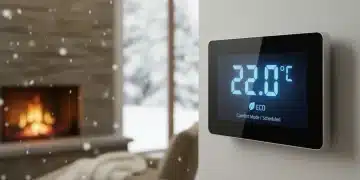
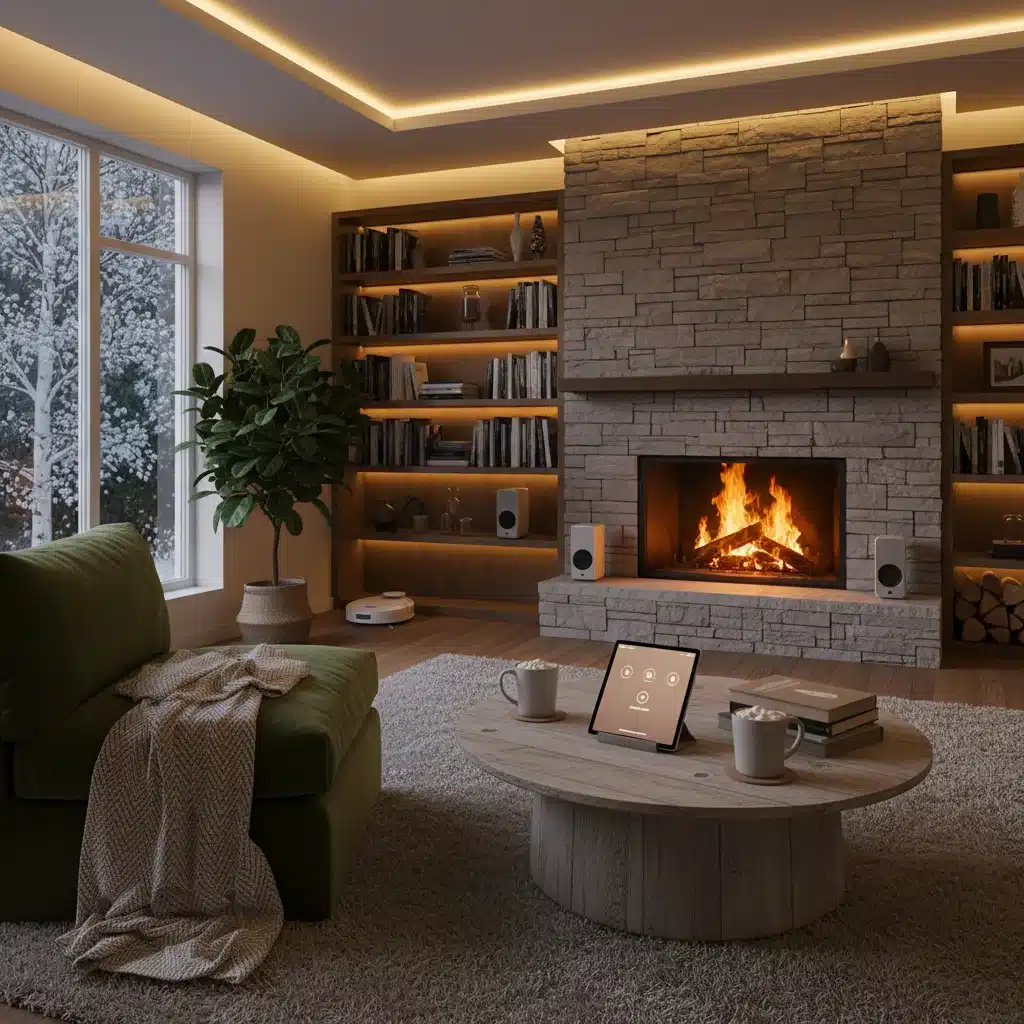
As the days grow shorter and the air turns crisp, our thoughts inevitably drift towards making our homes warm, comfortable, and energy-efficient for the winter months. For many years, the humble thermostat has been the frontline warrior in this battle against the cold. However, the landscape of home comfort and energy management has evolved dramatically. We are now living in an era where smart home technologies offer capabilities far beyond simply adjusting the temperature. This article delves into how advanced smart home devices can revolutionize your winter experience, ensuring unparalleled comfort while simultaneously delivering significant energy savings.
The concept of a ‘smart home’ has moved from futuristic fantasy to everyday reality. While smart thermostats like Nest and Ecobee have paved the way, a new generation of devices is emerging, offering more granular control, enhanced automation, and deeper insights into your home’s energy consumption. By integrating these innovative solutions, you can create an intelligent ecosystem that anticipates your needs, reacts to environmental changes, and optimizes energy usage without you lifting a finger. This winter, let’s explore how to truly elevate your home’s intelligence and efficiency.
Anúncios
The Evolution of Home Heating: From Simple Controls to Intelligent Ecosystems
For decades, managing home heating involved a basic on/off switch or, at best, a programmable thermostat that followed a rigid schedule. While these offered some level of control, they often fell short in adapting to dynamic living patterns or unexpected changes in weather. The advent of smart thermostats marked a significant leap, introducing features like remote control, learning algorithms, and geofencing. These devices were revolutionary, allowing homeowners to reduce energy waste by not heating an empty house or pre-warming it before arrival.
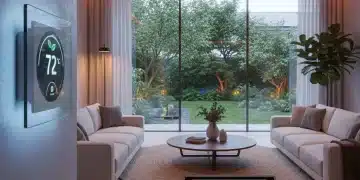
However, the true potential of a smart home setup extends far beyond just temperature regulation. Imagine a home where every element works in concert: lighting adjusts to natural daylight, window coverings open and close based on sun exposure, and air quality is continuously monitored and improved. This holistic approach not only maximizes comfort but also uncovers numerous opportunities for energy conservation that traditional systems simply cannot address. It’s about creating a responsive and intuitive living space that understands and adapts to your lifestyle, making winter living not just tolerable, but truly enjoyable and economical.
Anúncios
Why Go Beyond the Smart Thermostat This Winter?
While a smart thermostat is an excellent starting point, relying solely on it is like bringing a knife to a gunfight when it comes to maximizing winter comfort and savings. The reason is simple: temperature is just one variable in a complex equation of environmental factors that influence how warm or cold you feel, and how much energy your home consumes. Factors like humidity, air quality, natural light, insulation, and even the presence of drafts all play crucial roles. By integrating a wider array of smart home devices, you can gain comprehensive control over these variables, leading to a truly optimized environment.
For instance, a smart thermostat might tell your furnace to turn on, but it won’t tell you if a window is accidentally left ajar, letting precious heat escape. It won’t dynamically adjust your lighting to complement the dwindling daylight, potentially saving on electricity. Nor will it proactively manage humidity levels, which can significantly impact perceived warmth and even structural integrity. Expanding your smart home ecosystem allows you to tackle these challenges head-on, creating a more responsive, efficient, and ultimately, more comfortable living space throughout the colder months.
6 Advanced Smart Home Devices for Optimal Winter Comfort and Energy Savings
1. Smart Radiator Valves and Zone Heating Systems
Traditional central heating systems often treat your entire home as a single zone, leading to overheating in some rooms and underheating in others. This is incredibly inefficient. Smart radiator valves and advanced zone heating systems offer a sophisticated solution by allowing you to control the temperature in individual rooms or specific zones. Each valve can be controlled independently via a smartphone app, enabling you to set different temperatures for your bedroom, living room, and guest room. This means you only heat the spaces you’re using, when you’re using them.
These systems often integrate with your main smart thermostat, creating a truly intelligent heating network. For example, if you’re only working in your home office during the day, you can keep other rooms at a lower ambient temperature, significantly reducing your energy consumption. Some advanced systems even learn your habits and pre-heat rooms based on your schedule, ensuring warmth exactly when and where you need it. The energy savings from precise zone heating can be substantial, making this an invaluable addition to any smart home setup.
2. Smart Window and Door Sensors
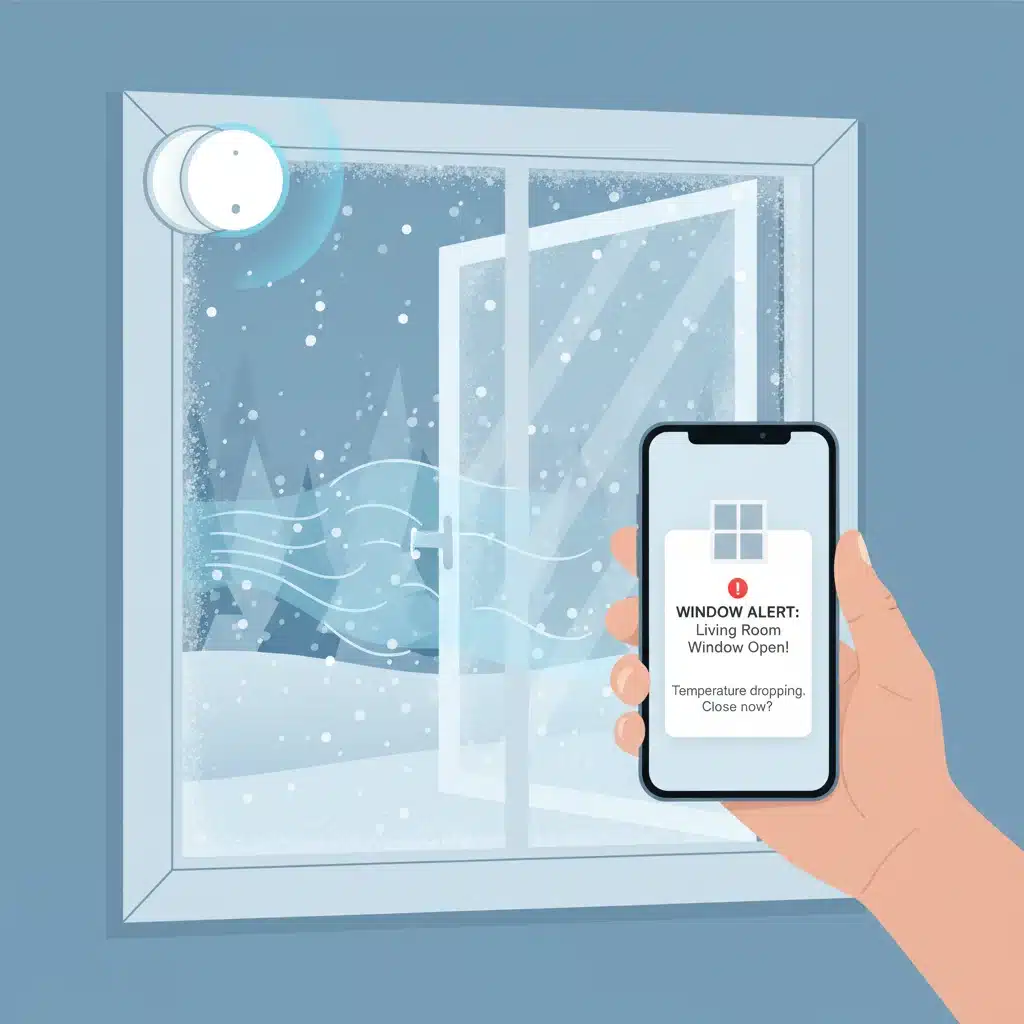
One of the simplest yet most overlooked sources of heat loss in winter is an open window or door. Even a small crack can lead to a significant drop in internal temperature and a corresponding increase in heating bills. Smart window and door sensors address this problem directly. These small, unobtrusive devices attach to your windows and doors and alert you if they are left open when your heating system is active. Some systems can even be programmed to automatically pause heating in a specific zone if a window is detected as open.
Beyond preventing heat loss, these sensors also add a layer of security. They can integrate with your smart home security system, notifying you of any unauthorized entry. For winter energy savings, their primary benefit is preventing accidental heat escape. Imagine stepping out for a moment and forgetting to close a window; your smart sensor will send an immediate notification, allowing you to rectify the situation before your furnace works overtime to compensate. This passive monitoring provides peace of mind and tangible savings, making it a crucial component for any smart home security strategy.
3. Smart Plugs and Power Strips with Energy Monitoring
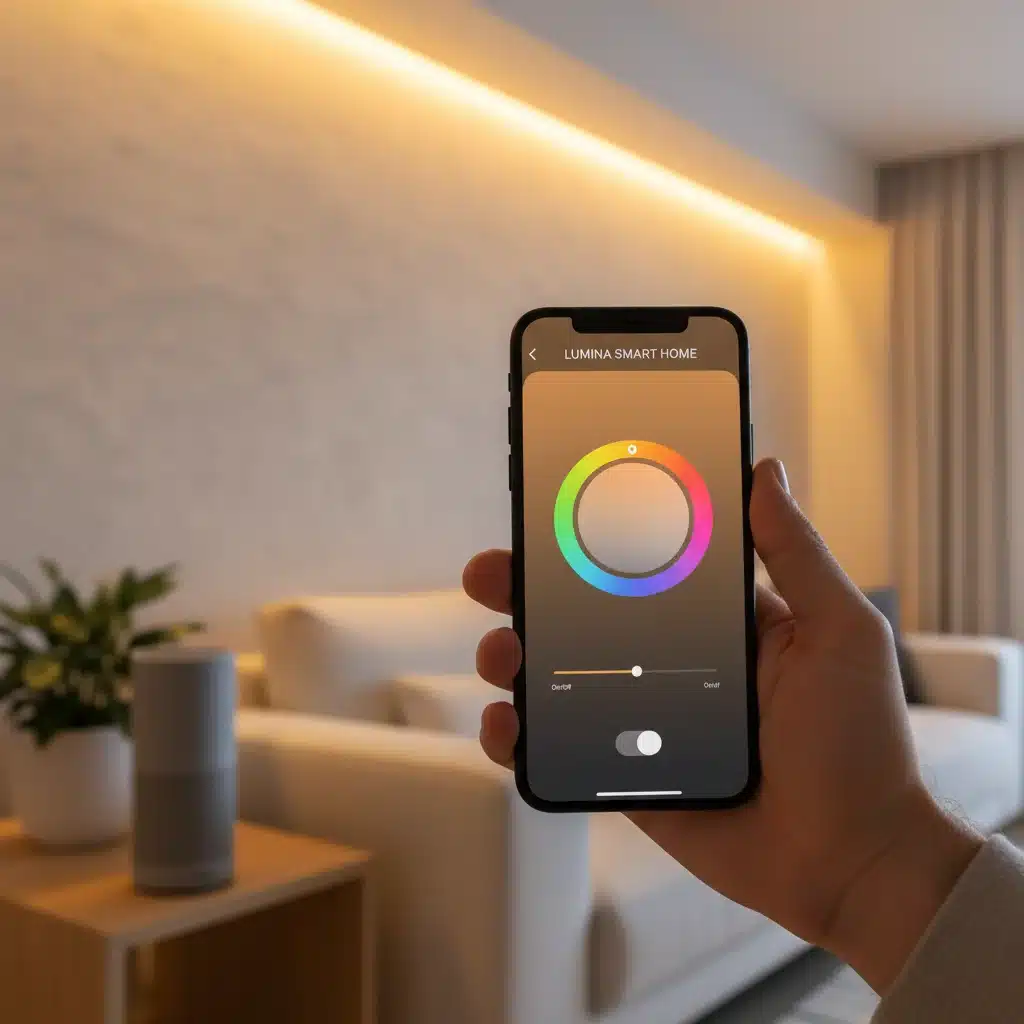
Many devices continue to draw power even when turned off, a phenomenon known as ‘phantom load’ or ‘vampire drain.’ This can account for a surprising percentage of your electricity bill. Smart plugs and power strips with energy monitoring capabilities offer an elegant solution. These devices allow you to remotely turn off power to connected appliances, schedule them to power down during inactive hours, and crucially, monitor their energy consumption in real-time.
During winter, these are particularly useful for devices like space heaters, electric blankets, or even holiday lights. You can schedule space heaters to turn off automatically when you leave a room or when you go to bed, preventing unnecessary energy waste. The energy monitoring feature also helps you identify which appliances are the biggest energy hogs, empowering you to make informed decisions about their usage. By eliminating phantom loads and gaining precise control over high-draw appliances, smart plugs contribute significantly to overall smart home energy efficiency.
4. Smart Blinds and Shades
Windows are a major source of heat loss in winter, but they can also be a source of free heat gain from the sun. Smart blinds and shades leverage this dual nature by automating their opening and closing based on time of day, sunlight intensity, or even indoor temperature. On sunny winter days, smart blinds can automatically open to allow solar radiation to passively warm your home, reducing the load on your heating system. As the sun sets or on cloudy days, they can close to provide an extra layer of insulation, trapping heat indoors.
Integration with your smart thermostat can further enhance their utility. For example, if the thermostat detects a drop in temperature, it could signal the blinds to close. Conversely, if it detects rising temperatures due to direct sunlight, it could signal them to open. This dynamic management of natural light and insulation is a powerful tool for maintaining comfort and saving energy. Beyond energy benefits, smart blinds also offer enhanced privacy and convenience, making them a sophisticated addition to any smart home winter setup.
5. Smart Air Quality Monitors and Humidifiers
While not directly related to heating, indoor air quality and humidity play a significant role in perceived comfort and health during winter. Dry winter air can lead to discomfort, dry skin, and respiratory issues, and can even make a room feel colder than it actually is. Conversely, excessively high humidity can lead to condensation and mold growth. Smart air quality monitors track levels of pollutants (like VOCs, CO2, and particulate matter) and humidity, providing real-time data and alerts.
When paired with smart humidifiers, these systems can automatically maintain optimal humidity levels, making your home feel warmer and more comfortable at lower thermostat settings. Some advanced monitors can even trigger smart air purifiers or ventilation systems when pollutant levels rise. By ensuring healthy and balanced indoor air, you not only improve well-being but also enhance the effectiveness of your heating, contributing to overall smart home air quality efficiency and comfort.
6. Smart Home Energy Monitors
While individual smart devices provide insights into their own consumption, a whole-home smart energy monitor gives you a comprehensive overview of your entire household’s electricity usage in real-time. These devices typically clamp onto your electrical panel and send data to an app on your smartphone, breaking down consumption by appliance or circuit. This allows you to identify energy hogs you might not have even considered.
Understanding your total energy consumption is the first step towards reducing it. With a smart energy monitor, you can pinpoint peak usage times, detect phantom loads across your entire home, and see the immediate impact of changes you make, such as turning off lights or adjusting thermostat settings. This invaluable data empowers you to make smarter decisions about your energy habits, leading to significant savings throughout the winter and beyond. It’s the ultimate tool for optimizing your smart home winter energy strategy.
Integrating Your Smart Home for Seamless Winter Living
The true power of these advanced devices comes from their ability to integrate and communicate with each other. This is where smart home platforms like Apple HomeKit, Google Home, Amazon Alexa, or Samsung SmartThings come into play. By connecting all your devices to a central hub, you can create complex automations and routines that optimize comfort and energy savings without constant manual intervention.
Consider a ‘Winter Evening’ routine: as the sun sets, your smart blinds automatically close, your smart lights dim to a warm glow, your smart radiator valves adjust to your preferred evening temperature in the living room, and your smart humidifier activates if the air is too dry. When you leave for work, a ‘Away’ routine can set back all thermostats, turn off unnecessary lights and appliances via smart plugs, and ensure all windows are closed. This level of automation transforms your home into an intelligent, responsive ecosystem, making winter living effortless and efficient.
Furthermore, many devices offer learning capabilities. Over time, they can adapt to your preferences and habits, further fine-tuning their operations for maximum comfort and minimum energy waste. This continuous optimization ensures that your smart home winter setup is always performing at its peak.
Tips for Maximizing Your Smart Home Winter Savings
- Start Small, Expand Gradually: You don’t need to overhaul your entire home at once. Begin with a few key devices that address your most pressing concerns, then gradually add more as you become comfortable with the technology.
- Leverage Routines and Schedules: Make the most of your smart home platform’s automation capabilities. Set up routines for different times of day (morning, away, evening, night) to ensure devices are operating optimally.
- Monitor and Adjust: Regularly check your energy monitoring data and device performance. Small adjustments based on real-world usage can lead to significant cumulative savings.
- Ensure Compatibility: Before purchasing new devices, verify their compatibility with your existing smart home ecosystem to ensure seamless integration.
- Regular Maintenance: Just like traditional systems, smart devices benefit from occasional checks and software updates to ensure they are functioning efficiently.
- Educate Your Household: Ensure everyone in your home understands how to use the smart devices and the routines in place to avoid unintended energy waste.
The Future is Warm, Smart, and Sustainable
The journey towards a truly intelligent and energy-efficient home is ongoing, but the tools available today are more powerful and accessible than ever before. Moving beyond the basic smart thermostat opens up a world of possibilities for customizing your comfort and maximizing your energy savings during the challenging winter months. By strategically implementing advanced smart home winter devices such as smart radiator valves, window sensors, energy-monitoring plugs, smart blinds, air quality monitors, and whole-home energy monitors, you can create an ecosystem that is not only responsive to your needs but also proactive in optimizing your energy consumption.
Investing in these technologies is not just about convenience; it’s about making a conscious choice for a more sustainable and cost-effective way of living. As technology continues to advance, we can expect even more sophisticated solutions that will further blur the lines between comfort, efficiency, and environmental responsibility. This winter, take the leap and transform your home into a beacon of warmth, intelligence, and savings. Your comfort, your wallet, and the planet will thank you.