Maximizing Home Value: How Smart Lighting Systems Can Increase Your Property Appeal by 10% in 2026
In today’s competitive real estate market, homeowners are constantly seeking innovative ways to enhance their property’s appeal and secure a higher valuation. While traditional upgrades like kitchen renovations and bathroom remodels remain popular, a new frontier of home improvement is emerging: smart home technology. Among these advancements, **smart lighting value** stands out as a particularly impactful investment, promising not just convenience and energy savings, but a tangible increase in your home’s market worth. Experts predict that by 2026, integrating smart lighting systems could boost your property’s appeal by as much as 10%, making it a highly attractive feature for prospective buyers.
Anúncios
This comprehensive guide delves into the multifaceted benefits of smart lighting, explaining how these intelligent systems contribute to a higher home valuation. We’ll explore the various types of smart lighting available, discuss their installation and integration, and provide a clear understanding of the return on investment (ROI) you can expect. Whether you’re planning to sell in the near future or simply looking to modernize your living space, understanding the power of **smart lighting value** is crucial for any forward-thinking homeowner.
The Evolution of Home Lighting: Beyond On/Off Switches
For decades, home lighting served a singular purpose: illumination. The simple flick of a switch brought light to a room, and that was the extent of its functionality. However, with the advent of smart home technology, lighting has evolved into a dynamic, intelligent system capable of transforming living spaces, enhancing security, and significantly improving energy efficiency. This evolution is not merely about convenience; it’s about creating a more desirable, functional, and valuable home.
Anúncios
What Exactly is Smart Lighting?
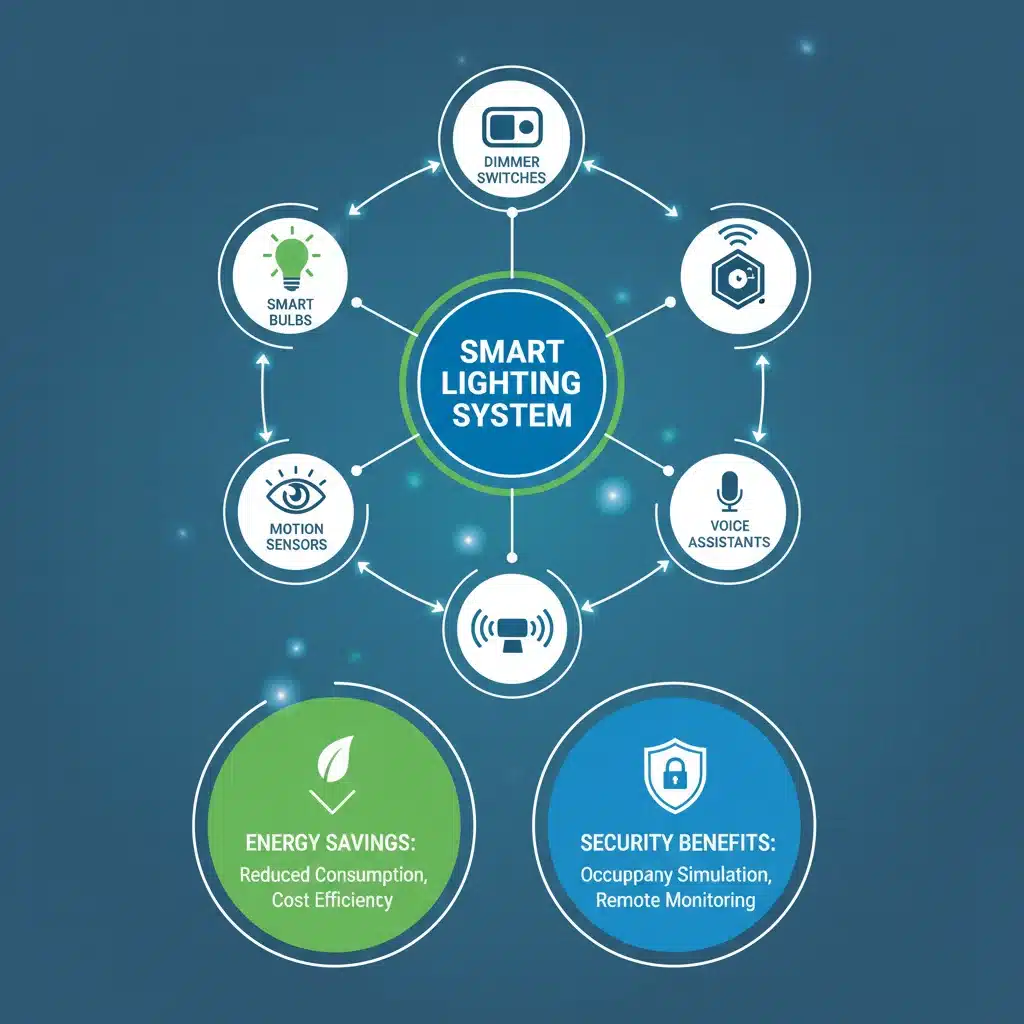
Smart lighting refers to lighting systems that can be controlled remotely, often through a smartphone app, voice commands, or automated schedules. These systems typically consist of smart bulbs, switches, dimmers, and sometimes a central hub that connects all devices. Unlike traditional lighting, smart lighting offers a myriad of features:
- Remote Control: Turn lights on or off, dim them, or change their color from anywhere.
- Scheduling: Automate lighting routines to mimic occupancy or enhance security.
- Voice Control: Integrate with virtual assistants like Amazon Alexa, Google Assistant, or Apple HomeKit for hands-free operation.
- Color Changing: Adjust light color temperature (from warm to cool white) or choose from millions of colors to set the perfect mood.
- Energy Monitoring: Track energy consumption to identify savings opportunities.
- Integration with Other Smart Devices: Connect with smart thermostats, security cameras, and motion sensors for a cohesive smart home ecosystem.
The ability to customize and control lighting with such precision adds a layer of sophistication and modern appeal that resonates strongly with today’s tech-savvy homebuyers, directly contributing to the perception of **smart lighting value**.
Why Smart Lighting Significantly Boosts Property Appeal and Value
The notion that smart lighting can increase home value isn’t just a marketing gimmick; it’s rooted in several tangible benefits that appeal to both potential buyers and the overall functionality of a property. Let’s break down the key factors contributing to this enhanced valuation.
1. Enhanced Aesthetics and Ambiance
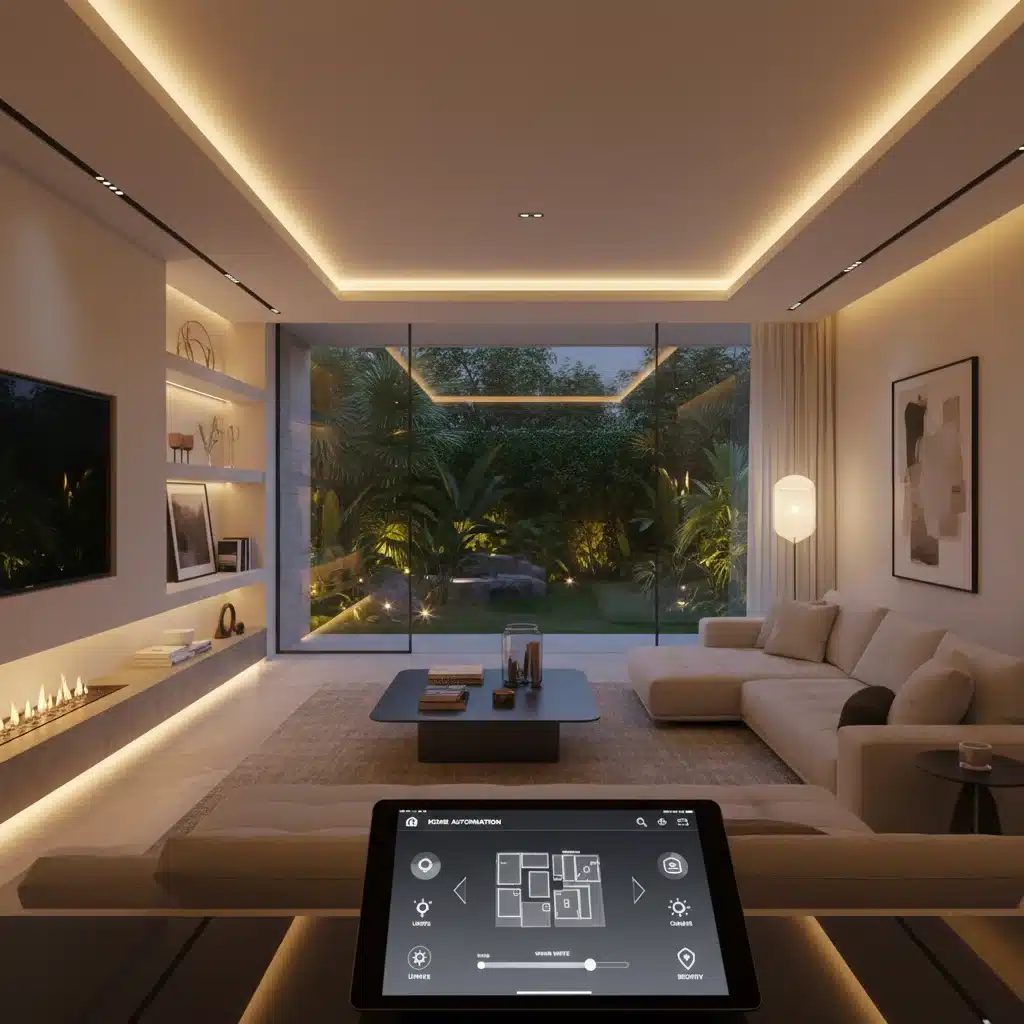
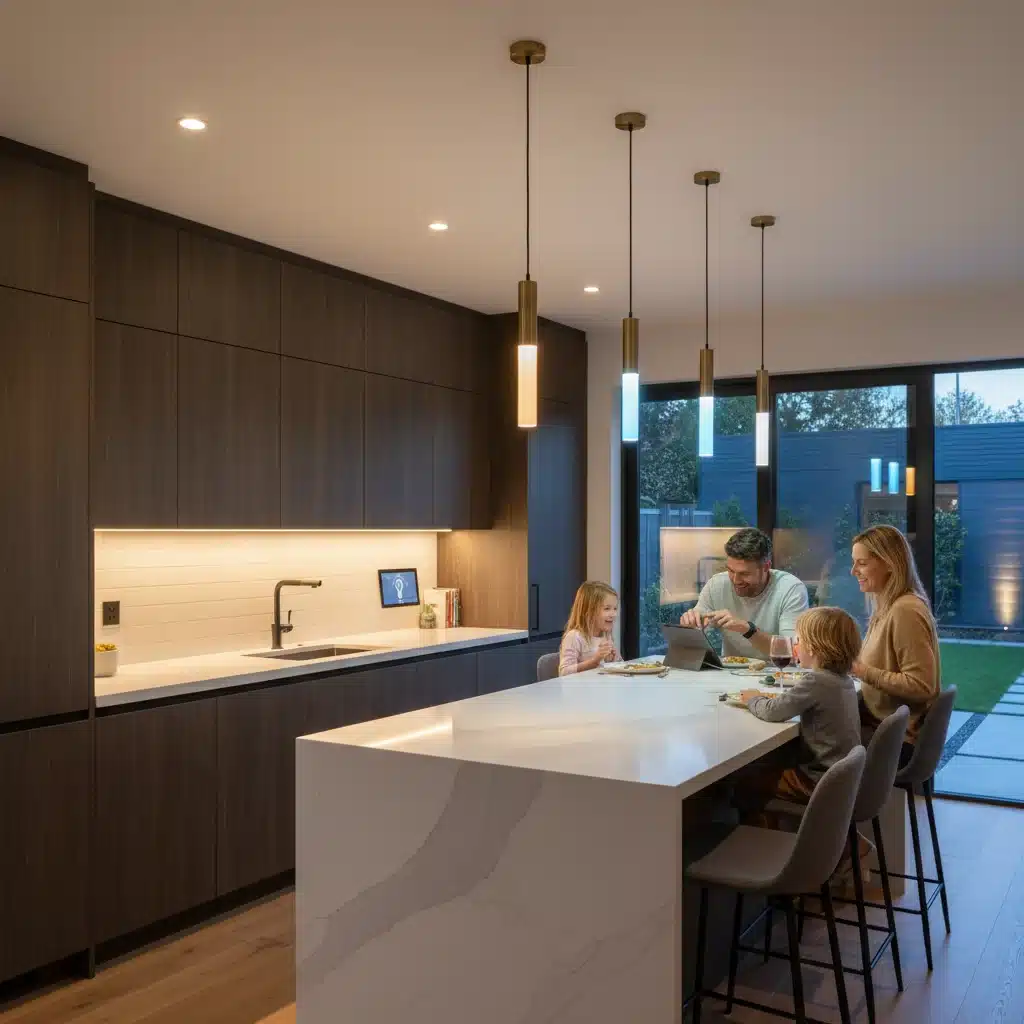
One of the most immediate and impactful benefits of smart lighting is its ability to transform the aesthetic appeal of a home. With customizable colors, dimming capabilities, and scene settings, homeowners can create dynamic lighting environments that complement different activities, moods, and times of day. Imagine a gentle warm glow for a cozy evening, bright task lighting for cooking, or vibrant colors for entertaining guests. This level of atmospheric control elevates the living experience, making a home feel more luxurious and thoughtfully designed.
From a real estate perspective, a well-lit home creates a positive first impression. When potential buyers walk through a property, the ability to instantly adjust the lighting to showcase architectural features, highlight artwork, or simply create a welcoming atmosphere can significantly influence their perception of the home’s quality and desirability. This aesthetic advantage directly translates into higher perceived **smart lighting value**.
2. Superior Energy Efficiency and Cost Savings
Smart lighting systems, particularly when paired with LED bulbs, are incredibly energy-efficient. Features like automatic dimming, motion sensors, and scheduling ensure that lights are only on when and where they’re needed. This translates into substantial energy savings on utility bills, a major selling point for environmentally conscious and budget-minded buyers.
In an era where energy costs are a growing concern, a home equipped with energy-efficient smart lighting presents a clear financial advantage. Prospective buyers are increasingly looking for homes that offer lower operating costs, and smart lighting systems deliver exactly that. The long-term savings offered by these systems add a practical, economic layer to the overall **smart lighting value** proposition.
3. Advanced Security Features
Beyond aesthetics and efficiency, smart lighting plays a crucial role in enhancing home security. Integrating smart lights with motion sensors or security cameras allows for automated responses to potential threats. For instance, lights can automatically turn on when motion is detected outside, deterring intruders. Furthermore, scheduling lights to turn on and off at various times can simulate occupancy, making it appear as though someone is home even when the property is vacant.
This added layer of security provides peace of mind for homeowners and is a significant draw for buyers. A home that feels safe and secure is inherently more valuable, and smart lighting contributes directly to this perception, bolstering its overall **smart lighting value**.
4. Unmatched Convenience and Lifestyle Enhancement
The convenience offered by smart lighting is unparalleled. Imagine arriving home to a perfectly lit house, or being able to turn off all lights with a single voice command as you head to bed. This level of control and automation simplifies daily routines and enhances the overall living experience. Smart lighting integrates seamlessly into a modern, connected lifestyle, a feature highly sought after by today’s homebuyers.
For many, the appeal of a smart home isn’t just about individual gadgets, but about how these technologies work together to create a more comfortable, efficient, and enjoyable living environment. Smart lighting is a foundational element of this connected ecosystem, making a home feel more advanced and future-proof, which directly contributes to its **smart lighting value**.
5. Future-Proofing Your Home
As technology continues to advance, smart home features are transitioning from luxury amenities to expected standards. Investing in smart lighting now ensures your home remains competitive and desirable in the future market. Buyers are increasingly looking for homes that are already equipped with modern technology, saving them the time, effort, and expense of installing these systems themselves.
By proactively upgrading to smart lighting, you position your home as a modern, well-maintained property that is ready for the demands of 21st-century living. This forward-thinking approach significantly adds to the long-term **smart lighting value** of your property.
Types of Smart Lighting Systems and Their Integration
Understanding the different types of smart lighting systems available is crucial for making an informed investment. While all aim to provide intelligent control, they vary in complexity, cost, and integration capabilities.
Standalone Smart Bulbs
These are the simplest entry point into smart lighting. Smart bulbs, such as Philips Hue or LIFX, screw directly into existing fixtures and connect to your home’s Wi-Fi or a dedicated hub. They offer basic features like remote control, dimming, and color changing. They are easy to install but can become cumbersome if you have many bulbs, as each might need individual control or a small hub network.
Smart Switches and Dimmers
Instead of replacing bulbs, smart switches and dimmers replace your existing wall switches. This allows you to control entire circuits of traditional lights with smart functionality. This is often a more cost-effective solution for larger areas or when you want to retain existing light fixtures. They typically connect via Wi-Fi, Zigbee, or Z-Wave and offer scheduling, remote control, and voice integration.
Integrated Smart Lighting Systems (Whole-Home Solutions)
For maximum **smart lighting value** and seamless integration, whole-home smart lighting systems are the pinnacle. These often involve a central hub that coordinates all smart lights, switches, and other smart devices in your home. Brands like Lutron Caséta, Control4, or Savant offer comprehensive solutions that can be professionally installed. These systems provide advanced automation, scene creation, and deep integration with other smart home components, offering a truly cohesive and intelligent living environment.
Choosing the Right System for Your Home
The best smart lighting system for your home depends on your budget, technical comfort level, and the extent of automation you desire. For those looking to dabble, smart bulbs are a great start. For a more robust and property-value-enhancing solution, smart switches or a fully integrated system will offer the most significant impact on **smart lighting value**.
Installation and Setup: A Smooth Transition to Smart Illumination
One of the common misconceptions about smart home technology is that it’s overly complicated to install. While professional installation is an option, many smart lighting systems are designed for DIY setup, making the transition surprisingly smooth.
DIY Installation for Smart Bulbs and Switches
Smart Bulbs: Installing smart bulbs is as simple as screwing in a regular light bulb. Once powered, you typically download the manufacturer’s app, which guides you through connecting the bulb to your Wi-Fi or a hub. This process usually takes minutes per bulb.
Smart Switches: Replacing a standard light switch with a smart one requires basic electrical knowledge (turning off power at the breaker, connecting wires). If you’re comfortable with minor electrical work, this can be a straightforward DIY project. Many smart switches come with clear instructions and even video tutorials. If unsure, always consult a qualified electrician.
Professional Installation for Integrated Systems
For whole-home integrated systems, professional installation is often recommended. These systems involve more complex wiring, programming, and integration with various smart home devices. A professional installer can ensure optimal performance, seamless automation, and troubleshoot any potential issues, maximizing the long-term **smart lighting value** and reliability of the system.
Key Considerations During Installation:
- Wi-Fi Coverage: Ensure strong Wi-Fi signal throughout your home for reliable connectivity.
- Compatibility: Check compatibility with your existing smart home ecosystem (e.g., Alexa, Google Home).
- Hub vs. Hub-less: Decide if you prefer a system that connects directly to Wi-Fi or requires a central hub.
- Scalability: Choose a system that can be easily expanded as your smart home needs grow.
The ROI of Smart Lighting: Quantifying the Value Increase
While the aesthetic and convenience benefits of smart lighting are clear, quantifying the financial return on investment (ROI) is essential for homeowners looking to boost their property value. As mentioned, experts project an increase of up to 10% in property appeal by 2026, but how does this translate into real money?
Direct vs. Indirect Value Increase
The **smart lighting value** increase is a combination of direct and indirect factors:
- Direct Value: This comes from the tangible features and amenities that smart lighting adds, making the home more modern and functional. It’s an upgrade that buyers are willing to pay a premium for, similar to high-end appliances or renovated bathrooms.
- Indirect Value: This stems from the enhanced perception of the home. A smart-lit home appears more sophisticated, energy-efficient, and secure, influencing buyers’ emotional connection and willingness to offer more. The ‘wow’ factor is significant.
Factors Influencing ROI:
- Market Demand: The increasing demand for smart home technology in the real estate market is a primary driver of ROI.
- Quality of Installation: A professionally installed, well-integrated system will always command a higher premium than a haphazard DIY setup.
- Scope of Integration: A whole-home smart lighting system that integrates with other smart devices (thermostats, security) will offer a higher ROI than a few standalone smart bulbs.
- Property Type and Location: Higher-end homes or properties in tech-forward communities may see a greater percentage increase.
- Energy Savings: The cumulative savings on utility bills over time contribute to the overall financial benefit, even if not directly reflected in the sale price.
Real-World Impact and Buyer Perception
Recent studies and real estate analyses consistently show that smart home features are a top priority for a significant percentage of homebuyers, especially millennials and Gen Z. A report by Coldwell Banker found that 71% of homebuyers want a move-in ready home with smart technology. Among smart features, smart lighting often ranks high due to its immediate visual impact and practical benefits.
When buyers are presented with two otherwise similar homes, the one featuring an integrated smart lighting system that enhances ambiance, security, and efficiency will invariably stand out. This distinction can be the difference between a quick, profitable sale and a prolonged listing, directly impacting the realized **smart lighting value**.
Integrating Smart Lighting with Your Existing Smart Home Ecosystem
The true power and enhanced **smart lighting value** come from its ability to integrate seamlessly with other smart home devices. A well-designed smart home operates as a cohesive unit, with different components communicating and working together to create an automated and intelligent living space.
Voice Assistants (Alexa, Google Assistant, HomeKit)
Most smart lighting systems are compatible with popular voice assistants. This allows for hands-free control, enabling you to adjust lights with simple voice commands. This level of convenience is a major draw for modern homebuyers.
Smart Thermostats
Integration with smart thermostats can create sophisticated automation routines. For example, when you leave the house and your smart thermostat switches to “away” mode, your smart lights can automatically turn off or switch to a security-simulating schedule.
Security Systems and Motion Sensors
Connecting smart lights to your security system means lights can flash red if an alarm is triggered, or outdoor lights can illuminate pathways when motion is detected, enhancing both safety and deterrent capabilities.
Smart Blinds and Shades
Pairing smart lighting with smart blinds allows for comprehensive control over natural and artificial light. Imagine your blinds opening to let in morning sun, followed by subtle smart lights dimming as the day progresses, all without lifting a finger.
Door Locks and Entry Sensors
When your smart lock detects you’ve unlocked the front door, smart lights in the entryway and living room can automatically turn on, welcoming you home. This ‘welcome home’ scene is a powerful demonstration of integrated **smart lighting value**.
The Future of Smart Lighting and Home Value
The trajectory of smart home technology, and particularly smart lighting, indicates continued growth and innovation. As systems become more intuitive, affordable, and integrated, their impact on home value will only intensify. We are moving towards a future where intelligent illumination is not just a luxury but a fundamental expectation of a modern home.
Emerging Trends:
- Human-Centric Lighting: Systems that automatically adjust color temperature and brightness throughout the day to mimic natural light cycles, supporting circadian rhythms and well-being.
- AI-Powered Automation: More sophisticated AI learning your habits and adjusting lighting proactively without explicit commands.
- Seamless Integration with Sustainable Tech: Further integration with solar panels, smart grids, and other sustainable home technologies to maximize energy independence and environmental benefits.
- Miniaturization and Invisibility: Smart lighting components becoming even smaller and more seamlessly integrated into architectural design, almost disappearing while providing powerful functionality.
Investing in **smart lighting value** today is not just an upgrade; it’s a strategic move to future-proof your property and ensure it remains attractive in an evolving real estate landscape. The 10% increase in appeal by 2026 is a conservative estimate, as the market continues to prioritize homes that offer both comfort and cutting-edge technology.
Conclusion: Illuminate Your Way to a Higher Home Valuation
The evidence is clear: smart lighting systems are far more than just a modern convenience. They are a powerful investment that significantly enhances your home’s aesthetic appeal, energy efficiency, security, and overall livability. By embracing this technology, you are not only upgrading your daily living experience but also strategically positioning your property to command a higher market value.
As we approach 2026, the demand for smart-enabled homes will only grow, making the integration of intelligent illumination a critical factor in attracting discerning buyers. Whether you opt for standalone smart bulbs, intuitive smart switches, or a comprehensive whole-home system, the return on investment in terms of **smart lighting value** is undeniable. Take the step today to illuminate your home’s potential and secure its place as a desirable, future-ready property in the competitive real estate market.