Decoding Data Plans: Saving 10% on Your Mobile Bill in 2026

In an increasingly digital world, our mobile devices have become indispensable. From staying connected with loved ones to managing work, entertainment, and essential services, smartphones are central to modern life. However, this reliance often comes with a significant recurring cost: the mobile bill. Many consumers feel trapped by complex data plans and ever-increasing prices, leading to a sense of helplessness when it comes to reducing these expenses. But what if there was a way to take control? What if you could confidently navigate the labyrinth of mobile data plans and actively reduce your monthly outlay?
This comprehensive guide is designed to empower you to do just that. Our focus is on achieving tangible mobile data savings, aiming for a realistic and impactful 10% reduction on your mobile bill by 2026. This isn’t about drastic sacrifices or cutting off essential services; it’s about smart choices, informed decisions, and leveraging available tools and strategies to optimize your mobile expenditure. We’ll delve into understanding your current usage, deciphering plan complexities, exploring alternative providers, and even mastering the art of negotiation. By the end of this article, you’ll have a clear roadmap to a lighter mobile bill and greater financial freedom.
Understanding Your Current Mobile Data Usage: The First Step to Savings
Before you can effectively cut costs, you need to understand where your money is going. Many people pay for data they don’t use, or conversely, incur overage charges because they underestimate their needs. The first critical step to achieving mobile data savings is a thorough audit of your current mobile data consumption.
How to Monitor Your Data Usage
- Smartphone Settings: Both iOS and Android operating systems have built-in data usage monitors. Navigate to your phone’s settings (usually under ‘Cellular,’ ‘Mobile Data,’ or ‘Network & Internet’) to see a breakdown of data consumed by individual apps over a specific period (typically a billing cycle). This offers invaluable insight into which applications are data hogs.
- Carrier Apps/Websites: Your mobile carrier likely provides a dedicated app or a section on their website where you can view your real-time data usage. This is often the most accurate source, as it directly reflects what your carrier is billing you for. Set up alerts if your carrier offers them, so you’re notified when you approach your data limit.
- Third-Party Apps: While built-in tools are often sufficient, some third-party apps offer more granular control and features, such as predicting usage patterns or identifying Wi-Fi hotspots.
Analyzing Your Data Consumption Patterns
Once you have the data (pun intended!), take the time to analyze it. Ask yourself the following questions:
- Are you consistently using less data than your plan allows? If so, you’re likely paying for unused capacity, a prime target for mobile data savings.
- Are you frequently hitting or exceeding your data limit? This could mean overage charges or throttled speeds, indicating your current plan is insufficient.
- Which apps consume the most data? Is it video streaming, social media, online gaming, or navigation? Understanding this helps you target specific behaviors for optimization.
- How much data do you use on Wi-Fi versus cellular? Many tasks can be deferred until you’re connected to Wi-Fi, significantly reducing cellular data dependency.
This initial assessment forms the bedrock of your strategy. Without truly understanding your usage, any attempt to save money will be based on guesswork rather than informed action.
Decoding Data Plans: Navigating the Labyrinth of Carrier Offers
Mobile data plans are notoriously complex, often designed with confusing terminology and hidden caveats. To achieve substantial mobile data savings, you need to become adept at decoding these plans.
Key Terms and Concepts to Understand:
- Data Cap/Allowance: The maximum amount of high-speed data you can use in a billing cycle.
- Unlimited Data (with a catch): Often, ‘unlimited’ plans have a high-speed data cap, after which speeds are throttled, or deprioritized during network congestion. It’s crucial to find out what this cap is.
- Throttling: Reduction of your internet speed after you’ve used a certain amount of data, even on ‘unlimited’ plans.
- Deprioritization: Your data speeds may be temporarily slowed down during peak network times in congested areas, especially if you’re on a lower-tier ‘unlimited’ plan.
- Hotspot Data: Data specifically allocated for tethering other devices. This often has a separate, lower cap than your phone’s primary data.
- Rollover Data: Unused data from one billing cycle carries over to the next.
- Overage Charges: Fees incurred when you exceed your data cap on plans without throttling. These can be very expensive.
- Contract vs. No-Contract/Prepaid: Understand the commitment and flexibility associated with each. No-contract plans often offer more flexibility but may require purchasing your phone outright.
Comparing Plan Structures
Carriers offer a bewildering array of plans: family plans, individual plans, prepaid, postpaid, business plans, and more. Each has its own pricing structure, data allowances, and included features. Don’t assume your current plan is the best fit. Regularly compare:
- Data per dollar: Calculate the cost per gigabyte across different plans and carriers.
- Included features: Are there perks like international roaming, streaming service subscriptions, or device protection that you actually use and value?
- Network coverage: A cheaper plan isn’t a saving if you constantly have poor signal in critical areas. Use coverage maps (often available on carrier websites) to verify.
By dissecting these details, you can identify plans that genuinely align with your usage patterns, paving the way for significant mobile data savings.
Strategies for Optimizing Mobile Data Usage
Understanding your usage and the plans available is vital, but active optimization of how you use data is where the magic happens for mobile data savings. Even small changes can add up to a substantial difference over time.
Leveraging Wi-Fi to the Maximum
This is arguably the most impactful strategy. Make it a habit to connect to Wi-Fi whenever possible.
- At Home and Work: Ensure your devices are always connected to secure Wi-Fi networks.
- Public Wi-Fi: Utilize free, secure public Wi-Fi at cafes, libraries, and airports. Be mindful of security risks on unsecured networks; avoid sensitive transactions.
- Automatic Wi-Fi Connection: Configure your phone to automatically connect to known Wi-Fi networks.
- Wi-Fi Assist/Smart Network Switch: Be aware of features like ‘Wi-Fi Assist’ (iOS) or ‘Smart Network Switch’ (Android) that can automatically switch to cellular data if Wi-Fi is poor. While sometimes helpful, these can unexpectedly consume data. Consider disabling them if you’re on a tight data budget.
Smart App Management
Apps are the primary consumers of data. Managing them effectively is key.
- Background App Refresh: Many apps refresh content in the background, consuming data even when you’re not actively using them. Go into your phone’s settings and disable background app refresh for non-essential apps.
- Data Saver Modes: Most apps (e.g., Chrome, YouTube, Facebook, Instagram) and operating systems offer data saver modes. These compress data, reduce video quality, or limit background activity. Enable them!
- Download Instead of Stream: For music, podcasts, and videos, download content over Wi-Fi before you leave home. This is especially effective for commutes or travel.
- Offline Maps: Download offline maps for navigation apps like Google Maps. This saves significant data when traveling.
- Disable Auto-Play Videos: Many social media apps auto-play videos, consuming data without your explicit action. Adjust settings to prevent this.
- App Updates: Configure your phone to only download app updates over Wi-Fi.
Browser and Streaming Optimization
- Use Data-Efficient Browsers: Browsers like Opera Mini or Chrome’s data saver mode compress web pages, reducing data consumption.
- Lower Streaming Quality: When streaming video or music on cellular data, reduce the quality settings. Often, you won’t notice a significant difference on a small screen, but your data usage will plummet.
Implementing these habits will significantly reduce your reliance on cellular data, directly contributing to your goal of achieving substantial mobile data savings.
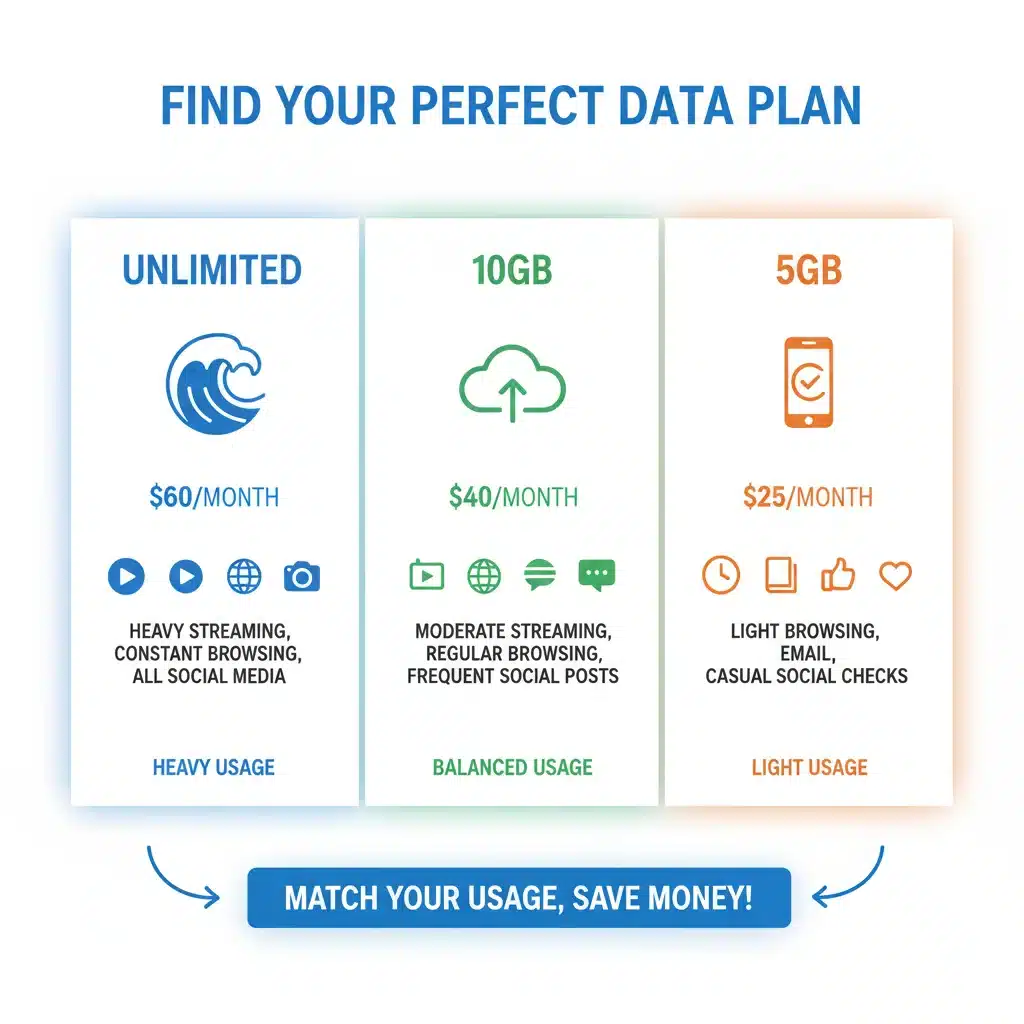
Exploring Alternative Mobile Carriers and Plan Types
The mobile carrier landscape is more diverse than ever, offering numerous opportunities for mobile data savings beyond the traditional big players. Don’t be afraid to explore new options.
Mobile Virtual Network Operators (MVNOs)
MVNOs are smaller carriers that don’t own their own network infrastructure. Instead, they lease network access from major carriers (e.g., Verizon, AT&T, T-Mobile) and then offer plans to consumers, often at significantly lower prices. Examples include Mint Mobile, Visible, Google Fi, and many others.
- Pros: Significantly cheaper plans, often more flexible (no-contract), good coverage (as they use major networks).
- Cons: May have lower data priority during network congestion compared to direct customers of the host network, fewer physical stores, customer service can vary.
Research MVNOs that operate on the network with the best coverage in your area. This is a powerful avenue for achieving considerable mobile data savings.
Prepaid vs. Postpaid Plans
- Postpaid (Contract) Plans: These are traditional plans where you receive a bill at the end of the month. They often come with device financing options and various perks but can be more expensive and less flexible.
- Prepaid Plans: You pay for your service in advance. These plans typically offer greater flexibility, no credit checks, and often lower monthly costs. They are excellent for budget control as you can’t incur overage charges. Many MVNOs operate on a prepaid model.
Consider if a prepaid plan aligns better with your budget and usage habits. The flexibility and cost control can be a game-changer for mobile data savings.
Family Plans and Bundles
If you’re part of a household with multiple mobile users, a family plan can offer substantial savings per line compared to individual plans. Similarly, some carriers offer bundles with internet or TV services that might reduce your overall monthly expenses. Always calculate the per-line cost and compare it to individual plans or MVNO offers before committing.
Negotiating with Your Current Carrier: Don’t Be Afraid to Ask
Many consumers believe their mobile bill is non-negotiable, but this is a misconception. Carriers want to retain customers, and they often have loyalty programs, unadvertised deals, or are willing to match competitors’ offers. Negotiation is a powerful tool for achieving mobile data savings.
Preparing for the Negotiation
- Do Your Homework: Before calling, research competitor plans (especially MVNOs) that offer similar data allowances and features at a lower price. Note down specific plan names and prices.
- Know Your Usage: Refer back to your data usage audit. If you’re consistently under-utilizing your plan, you have a strong case for a cheaper tier. If you’re often hitting your limit, you might negotiate for more data at a similar price or a better ‘unlimited’ option.
- Check for Promotions: See if your carrier is offering any new customer promotions or loyalty deals that you might be eligible for.
- Be Polite but Firm: Customer service representatives are more likely to help a polite customer. Clearly state your intention: you’re looking to reduce your bill and are considering other options.
The Negotiation Conversation
- Ask for the ‘Retention Department’ or ‘Customer Loyalty’: These departments often have more authority to offer discounts or special plans than standard customer service.
- State Your Case Clearly: Explain that you’ve been a loyal customer (if applicable) but your current bill is too high, especially compared to competitor offers you’ve found.
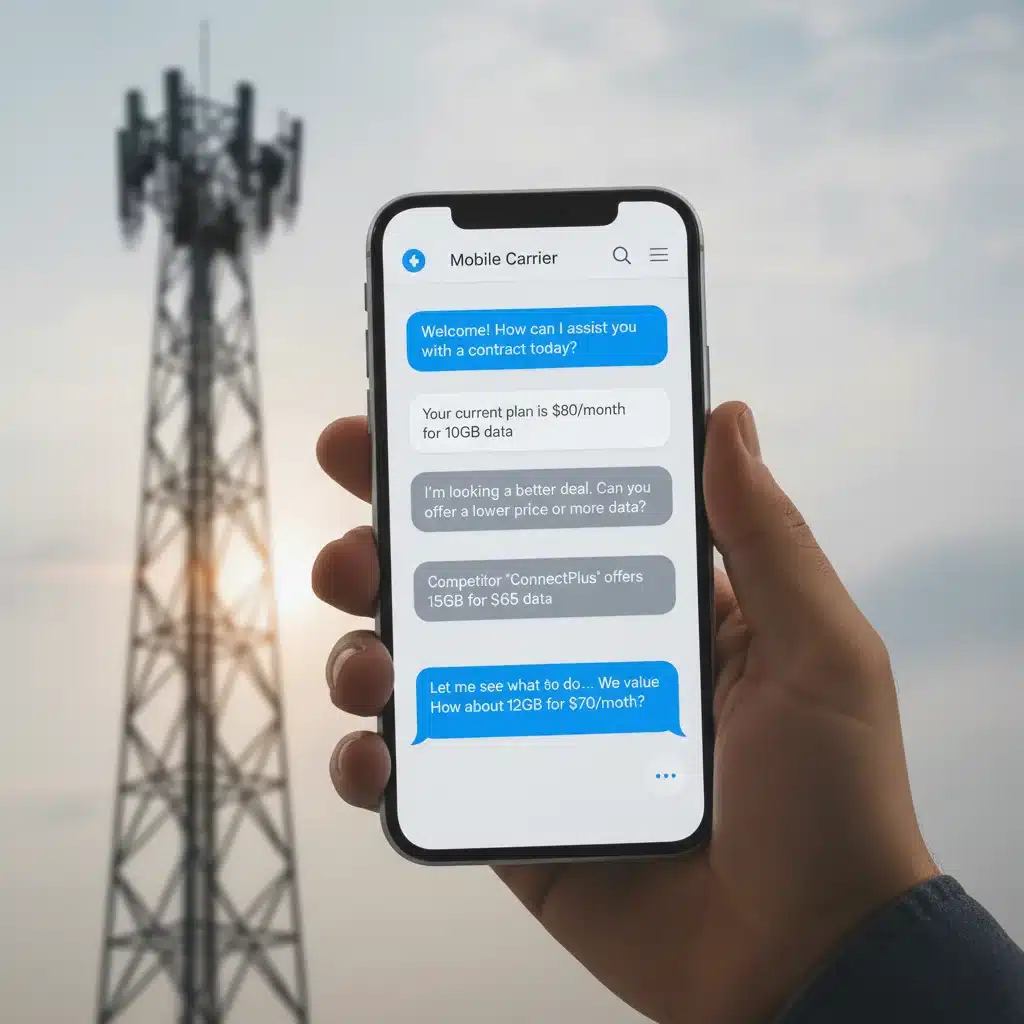
- Be Specific: Mention the competitor’s plan and price. For example, “I saw that [Competitor Name] offers [X GB] for [Y dollars]. Can you match or beat that?”
- Inquire About Unadvertised Deals: Sometimes, retention departments have access to special offers not publicly listed.
- Consider Removing Unnecessary Features: Review your bill for add-ons you don’t use (e.g., extended warranties, premium voicemail, international calling packages you rarely use).
- Don’t Be Afraid to Walk Away (Temporarily): If they can’t offer anything satisfactory, thank them for their time and state you’ll need to consider your options. Sometimes, they’ll call back with a better offer, or you can try again with a different representative.
Many people have successfully reduced their mobile bills by 10% or more through a single phone call. It’s a skill worth developing for significant mobile data savings.
Future-Proofing Your Mobile Data Savings in 2026 and Beyond
The mobile technology landscape is constantly evolving. What works for mobile data savings today might need adjustment in 2026. Here’s how to stay ahead of the curve:
Regularly Review Your Plan
Don’t set it and forget it. Make it a habit to review your mobile plan at least once a year, or whenever your contract is up for renewal. Carriers frequently update their offerings, and new competitors emerge. Your needs might also change, making a previously unsuitable plan now ideal.
Embrace New Technologies
- Wi-Fi 6/6E and Beyond: As Wi-Fi technology improves, home and public Wi-Fi networks will become even faster and more reliable, further reducing your reliance on cellular data.
- 5G and Fixed Wireless Access (FWA): 5G’s increased speeds and capacity are leading to more competitive home internet options (FWA) from mobile carriers. If you can get reliable 5G home internet, it might allow you to significantly reduce data on your mobile plan or even eliminate the need for a separate home internet provider, leading to overall savings.
- eSIM Technology: eSIMs make it easier to switch carriers or use multiple plans (e.g., one for data, one for calls) without physically swapping SIM cards. This flexibility can help you quickly jump to better deals for mobile data savings.
Stay Informed About Industry Trends
Follow tech news and consumer reports related to the telecom industry. New regulations, mergers, or technological advancements can all impact pricing and plan structures. Being informed allows you to react quickly and seize new opportunities for mobile data savings.
Consider Data-Only Plans or Dual SIMs
For some users, especially those who primarily communicate via messaging apps and VoIP, a dedicated data-only plan from an MVNO combined with a very basic, cheap plan for calls/texts on another SIM (or eSIM) could be the most cost-effective solution. This modular approach offers ultimate flexibility and often leads to significant mobile data savings.
Putting It All Together: Your Action Plan for 10% Mobile Bill Reduction
Achieving a 10% reduction in your mobile bill by 2026 is an entirely realistic and achievable goal. Here’s a summary of your action plan:
- Audit Your Usage (Immediately): Use your phone’s settings and carrier apps to understand exactly how much data you consume and which apps are responsible.
- Decipher Your Current Plan: Understand all the terms, caps, and hidden costs associated with your current plan.
- Optimize Your Usage Habits: Maximize Wi-Fi use, enable data saver modes, download content offline, and manage background app refresh.
- Research Alternatives: Explore MVNOs, prepaid plans, and competitor offers that provide better value for your actual usage.
- Negotiate with Your Carrier: Armed with research, contact your current provider’s retention department and politely but firmly request a better deal.
- Regularly Review and Adapt: Don’t let your plan become outdated. Revisit your usage and plan choices annually, and stay informed about new technologies and market changes.
By diligently following these steps, you’ll not only save money but also gain a deeper understanding and control over your mobile expenses. The journey to significant mobile data savings starts now. Take charge of your mobile bill, and enjoy the financial benefits of being a savvy consumer in 2026 and beyond.