Top 3 Smart Lighting Systems for Healthier Living: A 2026 Analysis
The 3 Best Smart Lighting Systems for Healthier Living: A 2026 Analysis
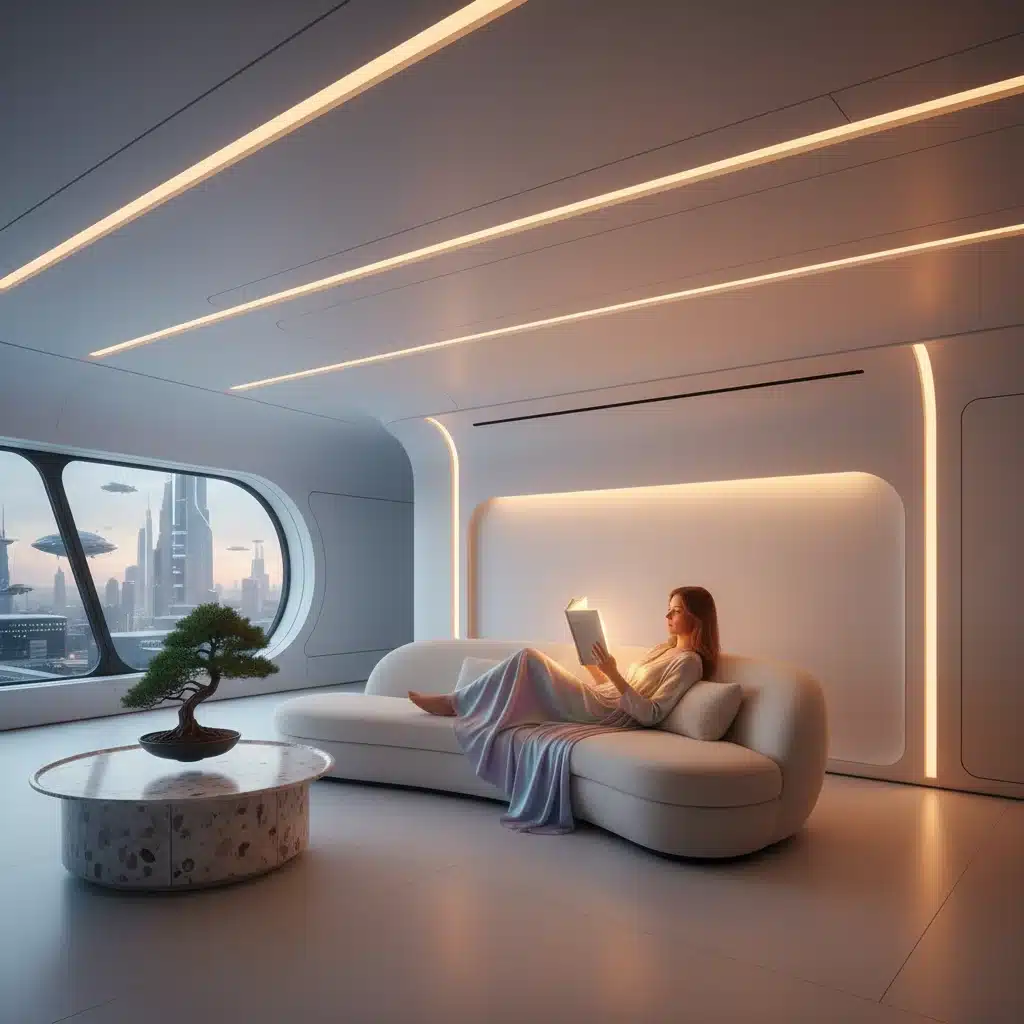
In the rapidly evolving landscape of smart home technology, smart lighting has transcended its initial role as a mere convenience. Today, the focus has shifted dramatically towards its profound impact on human health and well-being. As we delve into 2026, the market is brimming with innovative solutions designed not just to illuminate our spaces, but to harmonize with our natural biological rhythms, improve our sleep, enhance our mood, and boost our productivity. This comprehensive analysis will explore the top three smart lighting systems that are leading this charge, offering unparalleled benefits for healthier living.
Understanding the intricate relationship between light and human health is paramount. Our bodies operate on a 24-hour internal clock, known as the circadian rhythm, which is heavily influenced by light exposure. Natural light cycles, particularly the presence of blue light in the morning and the absence of it in the evening, signal to our bodies when to be alert and when to prepare for rest. Disruptions to this rhythm, often caused by artificial lighting, can lead to a host of issues, including sleep disorders, fatigue, reduced cognitive function, and even long-term health problems.
The best smart lighting systems of 2026 are those that intelligently mimic natural light patterns, providing tunable white light that shifts in color temperature and intensity throughout the day. They offer seamless integration with other smart home devices, intuitive control, and advanced features that prioritize user wellness above all else. Let’s illuminate the path to healthier living with our top picks.
Before we dive into the specifics of each system, it’s crucial to understand what makes a smart lighting system truly “health-focused.” Beyond basic dimming and color-changing capabilities, a health-centric system should offer:
- Tunable White Light: The ability to adjust not just brightness, but also the color temperature from warm (e.g., 2700K for relaxation) to cool (e.g., 6500K for focus).
- Circadian Rhythm Synchronization: Automated adjustments of light color and intensity throughout the day to support the body’s natural sleep-wake cycle.
- Low Blue Light Modes: Options to minimize blue light emission, especially in the evenings, to prevent melatonin suppression and promote better sleep.
- Seamless Integration: Compatibility with popular smart home ecosystems (e.g., Apple HomeKit, Google Home, Amazon Alexa) for unified control.
- User-Friendly Interface: Intuitive apps and voice control options for easy personalization and scheduling.
- Energy Efficiency: LED technology for reduced power consumption and environmental impact.
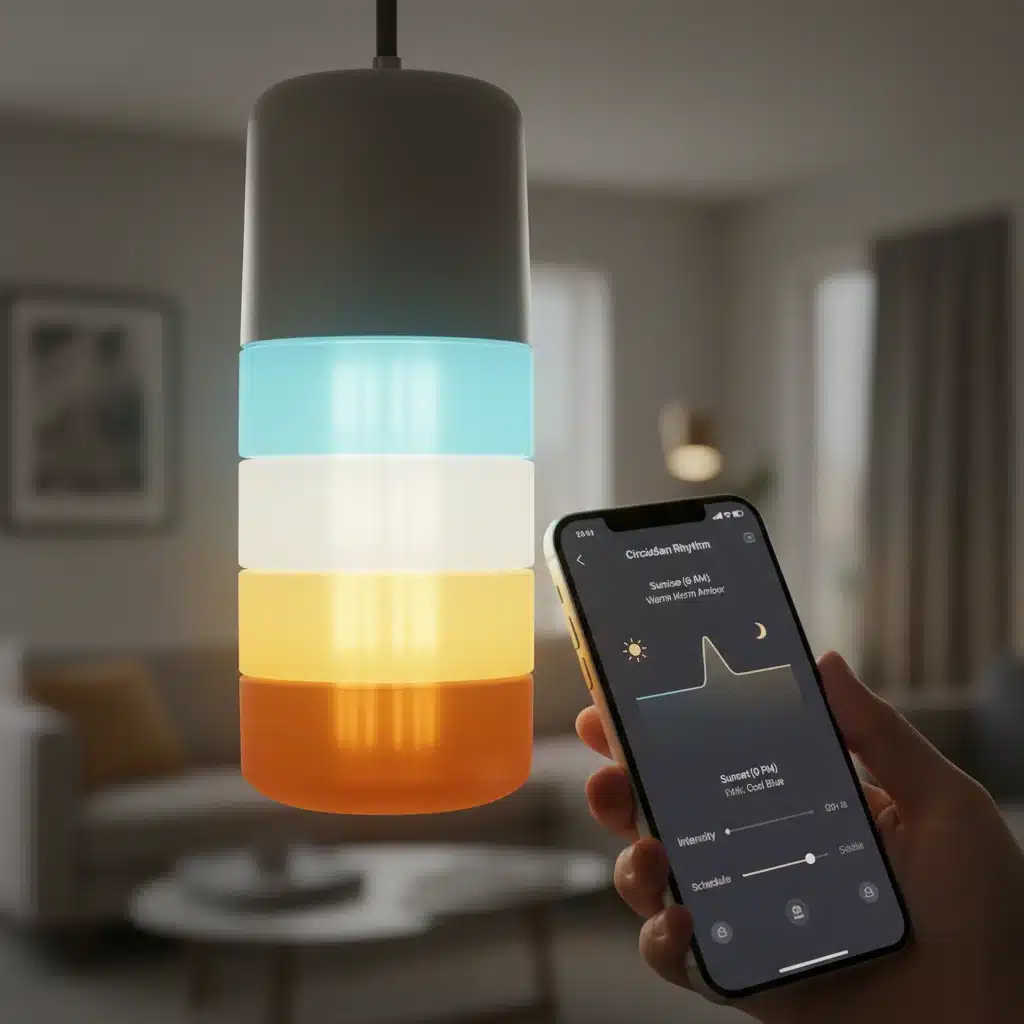
- Adaptive Circadian Lighting 2.0: Philips Hue’s latest iteration of circadian lighting uses AI to learn your daily routines and preferences, dynamically adjusting light recipes based on your location, time of day, and even local weather conditions. This ensures optimal light exposure for energy and focus during the day and gentle, warm light for winding down in the evening, significantly improving sleep quality and reducing evening eye strain.
- Sleep & Wake-Up Routines with Biofeedback: Beyond standard sunrise/sunset simulations, the Wellness Ecosystem incorporates subtle biofeedback mechanisms (e.g., through wearable integration, though optional) to fine-tune wake-up and wind-down sequences. Imagine your lights gradually dimming as your body prepares for sleep, or gently brightening in sync with your lightest sleep stage for a more refreshed awakening.
- Dynamic Focus & Relaxation Scenes: Pre-programmed and customizable light scenes optimized for specific activities. Need to concentrate? A cool, bright white light recipe will enhance alertness. Looking to de-stress after a long day? A warm, low-intensity amber glow will promote relaxation. These scenes are not just static settings; they subtly shift to maintain optimal conditions.
- Enhanced “Night Light” Mode: A truly amber-only light setting that completely eliminates blue light, ideal for late-night bathroom trips or checking on children without disrupting melatonin production. This is a significant improvement over previous “warm white” night lights that still emitted some blue spectrum.
- Seamless Integration with Health Apps: The Hue Wellness Ecosystem now integrates more deeply with popular health and fitness trackers, allowing for a more holistic view of your well-being. For example, if your fitness tracker detects a restless night, Hue might suggest a more extended wind-down routine the following evening.
- Expanded Product Line for Wellness: Beyond bulbs, the ecosystem includes wellness-focused light strips for ambient lighting, portable “go” lamps for personalized light therapy, and even smart mirrors with integrated tunable white light for optimal morning routines.
- Dynamic Spectrum (Ketra): Ketra’s signature technology is its ability to precisely replicate the full spectrum of natural light, not just color temperature. This means it can produce specific wavelengths that are most beneficial for energy, focus, and relaxation, just like sunlight throughout the day. This level of spectral control is far more advanced than typical tunable white systems, offering a more profound impact on mood and alertness.
- Astralux Circadian Emulation: Ketra’s Astralux feature goes beyond simple scheduling. It uses algorithms based on astronomical data to perfectly match the sun’s position and intensity for your specific geographic location. This means your indoor lighting truly mirrors the natural light outside, providing consistent circadian support regardless of the weather or season. This precision is invaluable for maintaining a stable circadian rhythm.
- High Color Rendering Index (CRI): Ketra lights boast an exceptionally high CRI, meaning colors appear more vibrant and true-to-life under their illumination. This reduces eye strain and enhances visual comfort, contributing to overall well-being and productivity, especially in environments where visual accuracy is important.
- Unmatched Dimming Performance (Lutron): Lutron’s dimming technology is legendary, offering smooth, flicker-free dimming down to 0.1%. This precision is crucial for creating truly relaxing evening environments without abrupt changes or visual noise that can disrupt sleep preparation.
- Robust & Reliable Control (Caseta): Lutron Caseta provides rock-solid reliability and responsiveness, essential for a system that actively manages your health. The integration between Caseta and Ketra ensures a seamless and dependable experience, critical for consistent circadian support.
- Customizable Wellness Presets: While highly sophisticated, the system also offers intuitive wellness presets that can be easily activated or customized. “Morning Boost,” “Afternoon Focus,” and “Evening Calm” are examples of pre-configured scenes that leverage the dynamic spectrum for optimal human response.
- BioRhythm Circadian Engine: Govee’s BioRhythm engine automatically adjusts light color temperature and brightness throughout the day based on your geographical location and preferred schedule. It offers pre-set “Energy,” “Focus,” and “Relax” modes that intelligently transition, promoting natural sleep-wake cycles. The system also allows for manual overrides and personalized schedules.
- Low Blue Light “Sleep Prep” Mode: A dedicated “Sleep Prep” mode automatically shifts lights to a very warm, low-intensity amber hue an hour or two before your set bedtime. This mode is designed to minimize blue light exposure, crucial for melatonin production and preparing the body for restful sleep.
- Sunrise/Sunset Simulation 2.0: Govee’s enhanced simulations are smoother and more realistic, gradually increasing light intensity and shifting color temperature to mimic a natural sunrise, and reversing the process for sunset. This gentle transition helps regulate your body clock more effectively than abrupt light changes.
- Integrated Sleep Tracking (via optional accessories): The HealthSync Pro system is designed to optionally integrate with Govee’s new smart sleep mat or a compatible wearable device. This allows the lighting system to dynamically adjust evening light based on your sleep patterns, offering personalized light therapy suggestions for improved rest.
- Vivid Color & Scene Customization: While focusing on health, Govee doesn’t compromise on its vibrant color capabilities. Users can still access millions of colors and dynamic scenes for ambiance, but with an emphasis on how these colors can positively impact mood and energy levels.
- Voice Control & Smart Home Compatibility: Fully compatible with Amazon Alexa and Google Assistant, allowing for hands-free control of all health-centric lighting routines and scenes. The Govee Home app remains intuitive and feature-rich.
- Circadian Rhythm Regulation: Exposure to bright, cool-white light (rich in blue wavelengths) in the morning and early afternoon helps suppress melatonin production, promoting alertness and cognitive function. Conversely, reducing blue light exposure in the evening allows melatonin to rise naturally, facilitating sleep. Smart lighting systems that dynamically adjust color temperature help maintain this delicate balance.
- Improved Sleep Quality: By supporting the natural circadian rhythm, smart lighting can significantly improve sleep onset, duration, and quality. A well-regulated sleep cycle leads to increased energy, better mood, and enhanced physical recovery.
- Enhanced Mood and Cognitive Function: Appropriate light exposure throughout the day can positively impact mood, reduce symptoms of seasonal affective disorder (SAD), and improve cognitive performance, including memory, focus, and reaction time.
- Reduced Eye Strain: Tunable white light allows users to select the most comfortable color temperature for various tasks, reducing eye strain, especially during prolonged screen time or reading.
- Hormonal Balance: Beyond melatonin, light influences other hormones like cortisol (the stress hormone). Proper light exposure can help regulate cortisol levels, contributing to overall physiological balance.
- For the Tech Enthusiast & Holistic Wellness Seeker (Philips Hue Wellness Ecosystem): If you value a wide range of products, robust integration, and AI-driven personalization with a focus on comprehensive wellness routines, Philips Hue is an excellent choice. It offers a balance of advanced features and user-friendliness.
- For the Discerning Professional & Design-Conscious (Lutron Caseta & Ketra): If precision, unparalleled light quality, and the most accurate replication of natural light are your top priorities, and budget is less of a concern, the Lutron Caseta and Ketra combination provides a professional-grade human-centric lighting experience.
- For the Value-Conscious Innovator (Govee HealthSync Pro System): If you’re looking for an accessible entry point into health-focused smart lighting with solid circadian features, dedicated sleep modes, and optional sleep tracking without breaking the bank, Govee HealthSync Pro offers exceptional value.
- Coverage: Ensure that the smart lighting covers the areas where you spend the most time, especially bedrooms, living rooms, and home offices. For circadian benefits, consistent light exposure is key.
- Hub vs. Hubless: Some systems (like Philips Hue) require a central hub for full functionality, while others (like Govee) can connect directly via Wi-Fi or Bluetooth. Consider the pros and cons of each in terms of reliability, range, and latency.
- Integration with Existing Smart Home: Check compatibility with your current smart home devices (e.g., smart speakers, thermostats, security systems) to ensure seamless operation and unified control.
- App Usability: A user-friendly app is essential for scheduling, customizing scenes, and fine-tuning health settings. Read reviews about the app experience before committing.
- Professional Installation: For larger, more complex systems like Lutron/Ketra, professional installation might be recommended to ensure optimal performance and calibration.
- Router Quality: A strong and reliable Wi-Fi network is fundamental for any smart home device, including lighting. Ensure your router can handle the increased load.
- Even Deeper AI Personalization: Future systems will likely leverage more advanced AI to learn individual biometric data (e.g., heart rate variability, sleep patterns from wearables) to create truly hyper-personalized light recipes.
- Seamless Integration with Biometric Sensors: Expect more lighting systems to integrate directly with in-room or wearable biometric sensors, allowing for real-time adjustments based on your physiological state.
- Advanced Light Therapy: Beyond circadian regulation, smart lighting will increasingly offer more targeted light therapy applications for specific conditions, such as enhanced focus for ADHD or mood stabilization for depression.
- Energy Harvesting & Self-Powered Devices: Innovations in energy harvesting might lead to smart lighting systems that are partially or entirely self-powered, reducing environmental impact and maintenance.
- Embedded Lighting in Surfaces: Instead of traditional bulbs, we might see more lighting embedded directly into architectural surfaces, offering more subtle and diffused illumination that is even more harmonious with natural light.
- Light for Plant & Pet Health: The benefits of optimized light spectrum are not limited to humans. Future systems will likely offer specific light recipes for indoor plants to thrive and even to support the well-being of pets.
1. Philips Hue Wellness Ecosystem: The Holistic Health Innovator
Philips Hue has long been a frontrunner in the smart lighting space, and their 2026 Wellness Ecosystem solidifies their position as a leader in health-focused illumination. Building upon their robust foundation, the Wellness Ecosystem integrates advanced sensors, AI-driven personalization, and a broader range of health-specific features that go beyond simple circadian programming. This system is designed to create an environment that actively supports your physical and mental well-being throughout the entire day.
Key Features and Health Benefits:
Why Philips Hue is a Top Contender for Health:
Philips Hue’s strength lies in its maturity and continuous innovation. The vast array of products ensures coverage for every corner of your home, and the robust app provides granular control. Their commitment to research in light’s impact on human physiology is evident in the sophisticated algorithms that drive their circadian and wellness features. The system is incredibly reliable and user-friendly, making it accessible to a wide audience. The new biofeedback integration, even if optional, pushes the boundaries of personalized light therapy, making it a truly proactive health tool.
2. Lutron Caseta & Ketra: The Professional’s Choice for Human-Centric Lighting
While Philips Hue caters to a broad consumer base, Lutron, particularly with its acquisition of Ketra, targets the premium and professional segment, offering an unparalleled level of sophistication and precision in human-centric lighting. The Lutron Caseta system provides robust control, while Ketra’s “Natural Light” technology is where the true health benefits shine. This combination offers a truly bespoke lighting experience that dynamically adjusts to mimic natural daylight with remarkable accuracy.
Key Features and Health Benefits:
Why Lutron Caseta & Ketra Stands Out for Health:
For those seeking the pinnacle of human-centric lighting, the Lutron Caseta and Ketra combination is unmatched. Its professional-grade precision in mimicking natural light, coupled with Lutron’s renowned reliability, makes it an investment in long-term health. While it comes at a higher price point, the benefits of truly dynamic, full-spectrum light for circadian health, mood regulation, and visual comfort are substantial. This system is particularly appealing for luxury homes, offices, and healthcare facilities where optimal lighting is a priority.
3. Govee HealthSync Pro System: The Accessible Innovator
Govee has rapidly gained popularity for offering feature-rich smart lighting at a more accessible price point, and their new HealthSync Pro System in 2026 is a testament to their commitment to wellness. While perhaps not as deeply integrated or spectrally advanced as Ketra, Govee HealthSync Pro provides a compelling package of health-focused features, making sophisticated wellness lighting available to a broader audience.
Key Features and Health Benefits:
Why Govee HealthSync Pro is an Accessible Health Solution:
Govee HealthSync Pro strikes an excellent balance between advanced health features and affordability. It democratizes access to circadian lighting and low blue light solutions, making healthier living more attainable. While it may not have the spectral precision of Ketra, its BioRhythm engine and dedicated “Sleep Prep” mode offer significant health benefits. The optional sleep tracking integration is a smart move, pushing Govee into the realm of truly personalized wellness technology. For those looking for a comprehensive yet budget-friendly entry into smart lighting for health, Govee HealthSync Pro is an outstanding choice.
The Science Behind Smart Lighting and Health
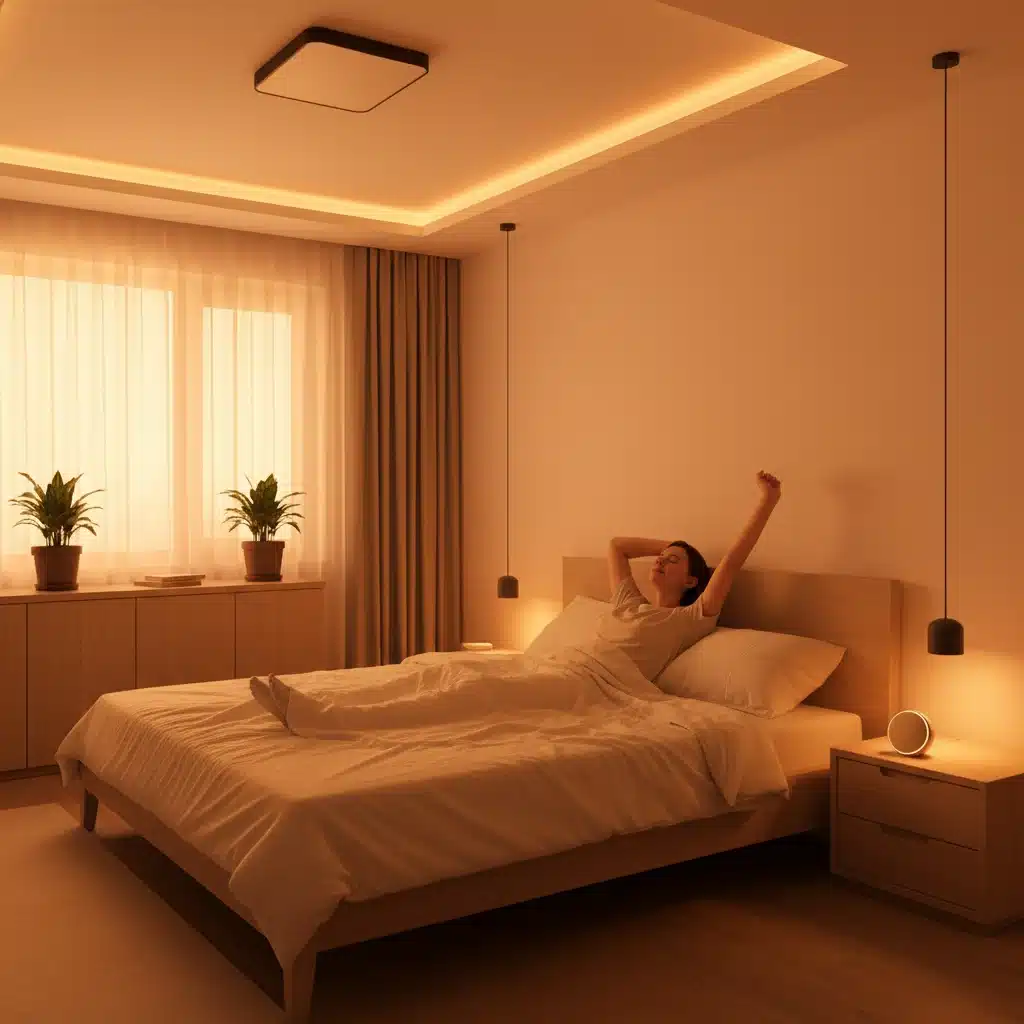
The benefits of smart lighting for health are not anecdotal; they are rooted in extensive scientific research. The primary mechanism involves the influence of light on the suprachiasmatic nucleus (SCN) in the hypothalamus, often referred to as the body’s master clock. This tiny region of the brain responds to light signals received through specialized photoreceptors in the eye (ipRGCs), which are particularly sensitive to blue light.
The integration of smart lighting into our daily lives is essentially an evolution of environmental design, moving towards spaces that are not just aesthetically pleasing but also biologically supportive. The goal is to create an indoor environment that closely mimics the beneficial aspects of natural outdoor light, mitigating the negative impacts of modern lifestyles.
Choosing the Right Smart Lighting System for Your Health
Selecting the ideal smart lighting system for healthier living depends on several factors, including your budget, desired level of sophistication, and existing smart home ecosystem. Here’s a quick guide:
Regardless of your choice, remember that the goal is to create an environment that supports your body’s natural rhythms. Start small if necessary, perhaps with a few bulbs in your bedroom or home office, and expand as you experience the benefits.
Installation and Setup Considerations
While the benefits of smart lighting for health are clear, proper installation and setup are crucial to maximize their effectiveness. Here are some key considerations:
Investing time in proper setup will pay dividends in terms of consistent performance and maximal health benefits. Many systems offer guided setup processes within their apps, making it easier for even novice users to get started.
The Future of Smart Lighting and Health
The trajectory of smart lighting for healthier living is only upwards. We can anticipate several exciting developments in the coming years:
The goal is to create living and working environments that are not just smart, but truly intelligent and responsive to our biological needs. Smart lighting is at the forefront of this revolution, transforming our understanding of how technology can enhance our fundamental well-being.
Conclusion
The year 2026 marks a significant milestone in the evolution of smart lighting, with an undeniable shift towards health and wellness. The three systems highlighted – Philips Hue Wellness Ecosystem, Lutron Caseta & Ketra, and Govee HealthSync Pro System – each offer compelling solutions to harness the power of light for improved sleep, mood, and overall vitality. Whether you prioritize comprehensive integration, professional-grade precision, or accessible innovation, there’s a smart home lighting system ready to transform your living space into a sanctuary of well-being.
Embracing smart lighting for health is more than just an upgrade; it’s an investment in your personal wellness. By aligning our indoor environments with the natural rhythms of light, we can unlock a healthier, more productive, and more harmonious way of life. The future is bright, and it’s intelligently illuminated for your health.