US Infrastructure Spending 2026: $1.2 Trillion Investment & Industry Impact
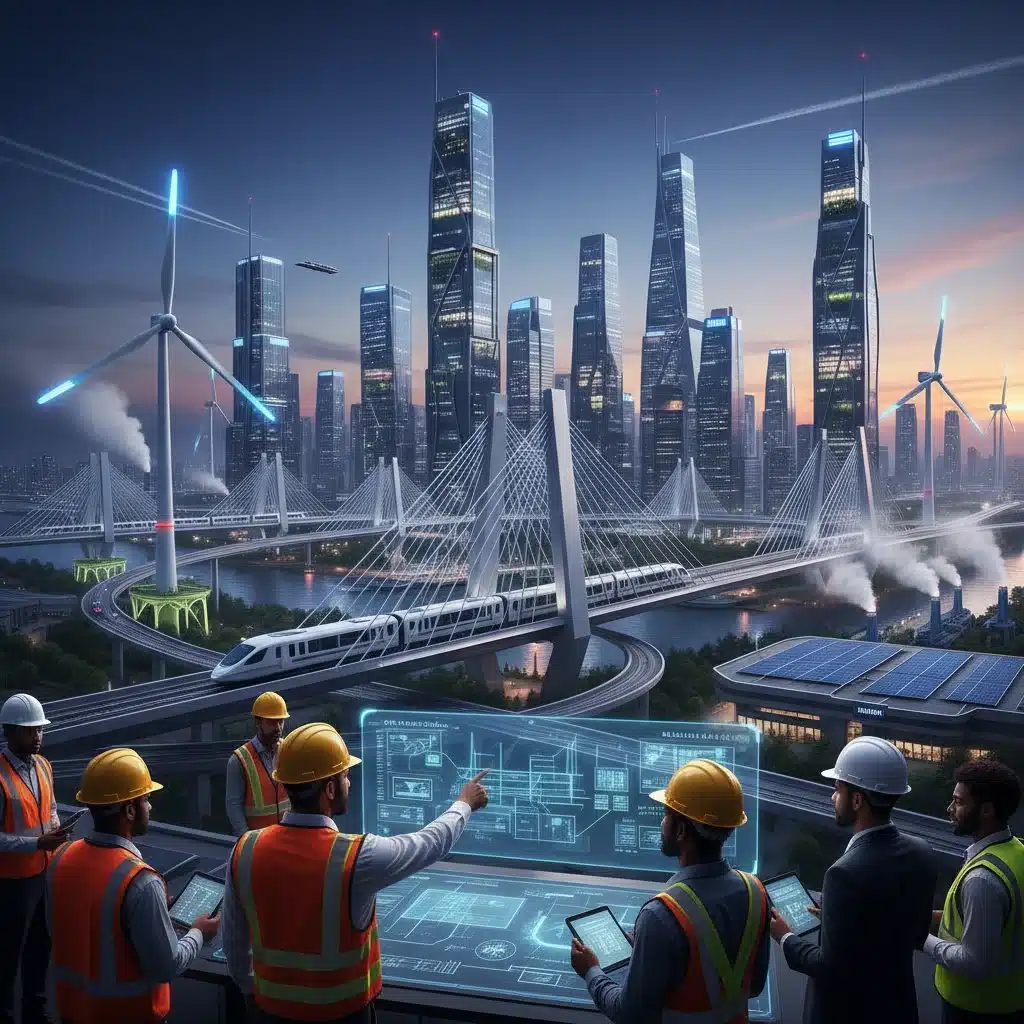
US Infrastructure Spending in 2026: How a $1.2 Trillion Investment is Shaping Key Industries
The United States stands on the cusp of a transformative era, driven by an unprecedented commitment to rejuvenate its foundational systems. With a monumental $1.2 trillion allocated for US infrastructure spending, the year 2026 is poised to mark a significant turning point in the nation’s economic and societal landscape. This substantial investment, stemming from the Infrastructure Investment and Jobs Act (IIJA), is not merely about repairing aging roads and bridges; it’s a comprehensive strategy designed to modernize, innovate, and future-proof America’s infrastructure for generations to come. This article will delve deep into the intricate layers of this spending, exploring its multifaceted impact on various key industries, the economy at large, and the everyday lives of American citizens.
The concept of infrastructure often conjures images of concrete and steel, but the modern definition extends far beyond physical structures. Today’s infrastructure encompasses a vast network of systems, including transportation, energy grids, broadband internet, water systems, and even resilience against climate change. The $1.2 trillion US infrastructure spending package addresses all these critical areas, promising a holistic overhaul that will enhance efficiency, foster sustainability, and drive technological advancement across the nation. Understanding the scope and implications of this investment is crucial for businesses, policymakers, and the public alike, as it will undoubtedly shape the trajectory of numerous sectors and define America’s competitive edge on the global stage.
The Genesis of a Grand Plan: Understanding the IIJA and its Vision for US Infrastructure Spending
The Infrastructure Investment and Jobs Act (IIJA), signed into law in November 2021, represents the largest long-term investment in American infrastructure in decades. This bipartisan legislation earmarks approximately $1.2 trillion over ten years, with a significant portion of that funding slated for deployment by 2026. The vision behind this massive US infrastructure spending is clear: to rebuild America’s crumbling infrastructure, create millions of good-paying jobs, and position the nation for sustained economic growth and global competitiveness. The act is a direct response to decades of underinvestment, which has left much of the country’s infrastructure in disrepair, leading to inefficiencies, safety concerns, and a drag on economic productivity.
The IIJA’s ambitious scope covers a wide array of categories, each with specific funding allocations. For instance, substantial funds are directed towards improving roads, bridges, and major projects, addressing the critical need for safer and more efficient transportation networks. Public transit systems are also set to receive a much-needed boost, encouraging sustainable urban mobility. Furthermore, the act allocates significant resources to passenger and freight rail, aiming to modernize and expand rail services across the country. Beyond traditional transportation, the legislation makes historic investments in clean energy infrastructure, electric vehicle charging networks, and improvements to the power grid, signaling a strong commitment to combating climate change and transitioning to a greener economy. The digital divide is also a key focus, with considerable funding dedicated to expanding broadband internet access, ensuring that all Americans have the opportunity to participate in the digital economy. Lastly, investments in water infrastructure, including lead pipe replacement and wastewater treatment, underscore the commitment to public health and environmental protection. This comprehensive approach ensures that the US infrastructure spending addresses both immediate needs and long-term strategic goals.
The economic rationale behind this massive US infrastructure spending is compelling. Economists widely agree that infrastructure investment has a high multiplier effect, meaning that every dollar spent generates more than a dollar in economic activity. This is due to the direct creation of jobs in construction, manufacturing, and related industries, as well as the indirect benefits derived from improved efficiency, reduced transportation costs, and enhanced productivity across all sectors. Moreover, modern infrastructure attracts private investment, fosters innovation, and strengthens supply chains, all of which contribute to a more robust and resilient economy. As the funds from the IIJA continue to flow, especially by 2026, the tangible benefits of this strategic investment will become increasingly apparent, transforming communities and industries nationwide.
Revitalizing Transportation: Roads, Bridges, and Public Transit Under US Infrastructure Spending
One of the most visible and impactful areas of US infrastructure spending is undoubtedly transportation. America’s roads and bridges have long suffered from underfunding, leading to potholes, congestion, and structural deficiencies that cost commuters and businesses billions annually. The IIJA allocates a staggering $110 billion to repair and rebuild roads and bridges, with a focus on climate change mitigation, safety, and equity. This investment is crucial for enhancing the efficiency of goods movement, reducing travel times, and improving the safety of daily commutes. By 2026, communities across the nation will experience tangible improvements in their local and regional transportation networks, thanks to this renewed focus on critical infrastructure.
Beyond traditional roadways, public transit systems are set to receive significant upgrades. The act provides $39 billion to modernize public transit, expand access, and make systems more accessible for individuals with disabilities. This funding will support new bus routes, light rail expansions, and the replacement of aging vehicles, encouraging more Americans to utilize public transportation. The benefits extend beyond reducing traffic congestion and carbon emissions; improved public transit fosters economic development in urban centers, provides essential mobility for underserved communities, and connects people to jobs and services. The renewed emphasis on public transit through US infrastructure spending signifies a shift towards more sustainable and equitable urban planning.
Rail infrastructure, both passenger and freight, is another major beneficiary. With $66 billion dedicated to Amtrak and other rail programs, the goal is to eliminate the maintenance backlog, modernize the Northeast Corridor, and expand rail service to new cities and routes. This investment aims to provide a viable alternative to air and car travel, reducing carbon footprints and offering efficient long-distance transportation. The modernization of freight rail is equally important, as it underpins the national supply chain, ensuring that goods can be transported efficiently and cost-effectively across the country. The comprehensive nature of this US infrastructure spending ensures that all facets of the transportation sector receive the attention and resources needed for long-term sustainability and growth.
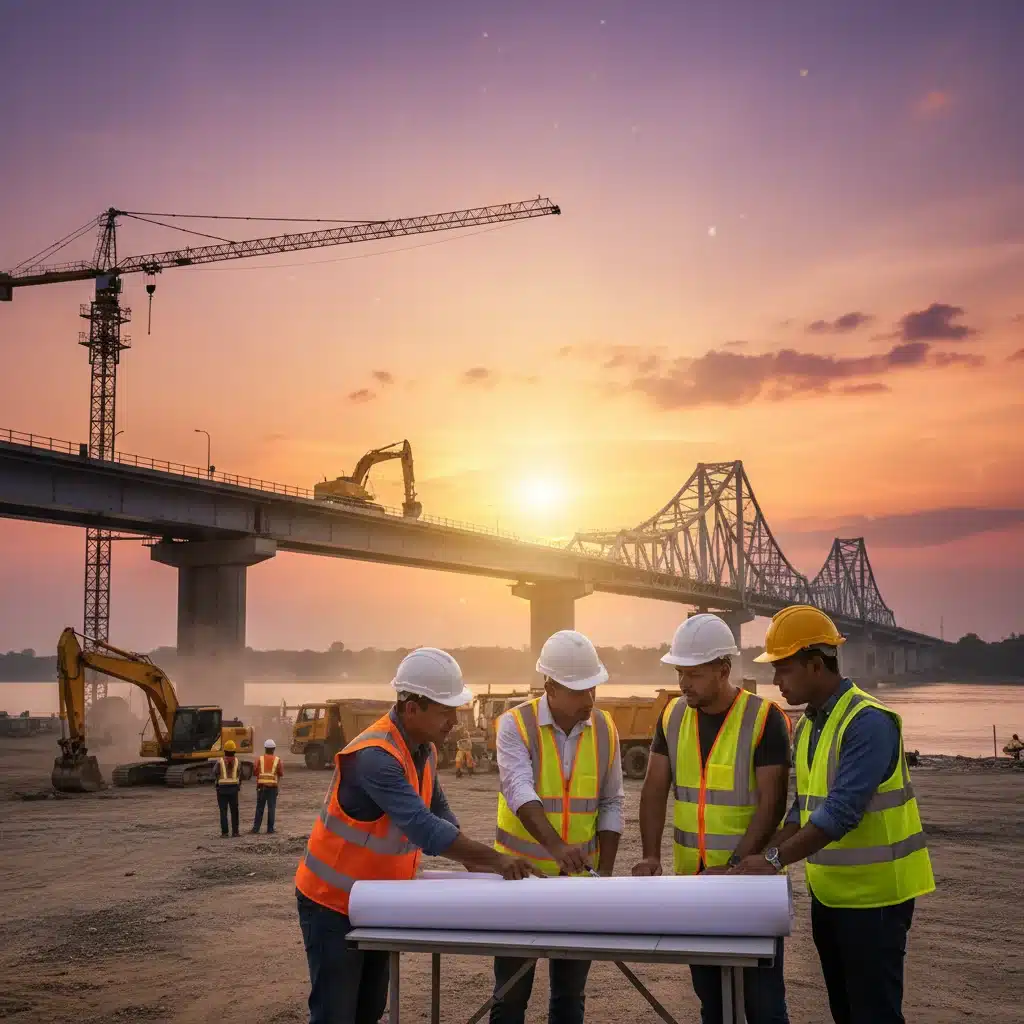
Powering the Future: Energy Grid Modernization and Clean Energy Initiatives
The resilience and sustainability of America’s energy infrastructure are paramount in an era of increasing climate challenges and growing energy demands. The IIJA allocates substantial resources to modernize the nation’s power grid, making it more resilient to extreme weather events and cyberattacks, and capable of integrating a higher proportion of renewable energy sources. This aspect of US infrastructure spending includes investments in smart grid technologies, long-distance transmission lines, and energy storage solutions. By 2026, these efforts will lead to a more reliable, efficient, and secure energy supply for homes and businesses nationwide.
A significant portion of the energy-related US infrastructure spending is dedicated to accelerating the transition to clean energy. This includes funding for electric vehicle (EV) charging infrastructure, with $7.5 billion allocated to build out a national network of 500,000 EV chargers. This investment is critical for reducing range anxiety, encouraging EV adoption, and supporting the growth of the electric vehicle industry. Furthermore, the act supports the development of clean hydrogen, carbon capture technologies, and other advanced energy projects, positioning the U.S. as a leader in sustainable energy innovation. These initiatives are not just about environmental protection; they are about creating new industries, fostering job growth, and ensuring America’s energy independence.
The focus on grid modernization also extends to enhancing energy efficiency across various sectors. Programs aimed at weatherizing homes, improving the energy efficiency of public buildings, and developing more efficient industrial processes are all part of the broader US infrastructure spending strategy. These efforts will reduce energy consumption, lower utility bills for consumers, and decrease overall carbon emissions. The synergy between grid improvements, clean energy deployment, and energy efficiency measures creates a powerful framework for a sustainable energy future, demonstrating a holistic approach to addressing climate change while bolstering the nation’s economic vitality.
Bridging the Digital Divide: Expanding Broadband Access and Digital Infrastructure
In the 21st century, reliable and affordable internet access is no longer a luxury but a necessity. Yet, millions of Americans, particularly in rural and underserved urban areas, lack access to high-speed broadband. The IIJA addresses this critical issue head-on with a historic $65 billion investment in broadband infrastructure. This unprecedented US infrastructure spending aims to ensure that every American has access to affordable, reliable high-speed internet, a fundamental step towards achieving digital equity.
The impact of this investment will be profound. For individuals, it means enhanced access to remote work opportunities, online education, telehealth services, and digital government resources. For businesses, it opens up new markets, facilitates e-commerce, and fosters innovation. The construction of new fiber optic networks and other broadband infrastructure will create thousands of jobs, stimulating local economies. By 2026, the landscape of digital connectivity in the U.S. is expected to be dramatically transformed, reducing the digital divide and unlocking the full potential of a connected society. This commitment to digital US infrastructure spending is a testament to the understanding that modern infrastructure extends beyond physical roads and bridges to include the digital highways of information.
Furthermore, the act not only focuses on physical infrastructure but also on making broadband affordable. Programs designed to help low-income families access internet services are also part of the package, ensuring that connectivity is not just available but also accessible. This dual approach of expanding infrastructure and subsidizing access is crucial for maximizing the benefits of this significant US infrastructure spending. The long-term economic and social returns on this investment are expected to be substantial, as greater connectivity fuels innovation, education, and economic participation across all demographics.

Water for All: Modernizing Water Infrastructure and Environmental Protection
Access to clean, safe drinking water is a fundamental human right, yet many communities across the U.S. still grapple with aging water infrastructure, lead pipes, and contaminated water sources. The IIJA allocates $55 billion to upgrade America’s water infrastructure, representing the largest investment in clean drinking water in U.S. history. This significant portion of US infrastructure spending is directed towards replacing lead service lines, improving wastewater treatment facilities, and addressing emerging contaminants like PFAS. The health and environmental benefits of these investments are immeasurable, ensuring safer water for millions of Americans.
The replacement of lead pipes is a particularly critical component of this initiative. Lead contamination in drinking water poses serious health risks, especially to children. The IIJA’s commitment to eradicating lead pipes will have a lasting positive impact on public health, particularly in disadvantaged communities that have historically borne the brunt of environmental injustices. Beyond lead, investments in wastewater and stormwater infrastructure will help prevent pollution, protect ecosystems, and build resilience against the impacts of climate change, such as increased flooding. This comprehensive approach to water US infrastructure spending underscores a commitment to both public health and environmental stewardship.
Moreover, the funding will support water recycling projects, water storage initiatives, and efforts to improve water efficiency, especially in regions facing chronic water scarcity. These investments are vital for ensuring long-term water security and adapting to the challenges posed by a changing climate. The modernization of water infrastructure is a complex undertaking, requiring significant engineering expertise, advanced technology, and community engagement. By 2026, the progress made in this sector will be a testament to the transformative power of strategic US infrastructure spending, safeguarding one of our most precious resources.
Economic Ripple Effects: Job Creation and Industry Growth from US Infrastructure Spending
The $1.2 trillion US infrastructure spending is not just about physical improvements; it’s a powerful engine for economic growth and job creation. Experts estimate that the IIJA will create millions of good-paying jobs over the next decade, directly in construction, manufacturing, and engineering, and indirectly across various supporting industries. These jobs will span a wide range of skill sets, from skilled tradespeople to highly specialized engineers and project managers, providing substantial opportunities for workforce development and training.
The construction industry, in particular, is poised for a boom. Demand for construction materials, heavy equipment, and skilled labor will surge, benefiting a vast ecosystem of businesses, from local suppliers to multinational manufacturers. This increased activity will stimulate economic growth in communities across the country, particularly in areas where infrastructure projects are concentrated. The multiplier effect of these investments means that every dollar spent on infrastructure generates additional economic activity, leading to a virtuous cycle of growth and prosperity. This massive influx of US infrastructure spending acts as a catalyst for broad economic revitalization.
Beyond construction, other sectors will experience significant growth. The manufacturing industry will see increased demand for steel, cement, asphalt, and components for renewable energy systems and electric vehicles. The technology sector will benefit from the expansion of broadband networks and the deployment of smart infrastructure solutions. Engineering and consulting firms will play a crucial role in designing and overseeing projects. Even the financial sector will see increased activity related to project financing and investment. The widespread economic benefits underscore the strategic importance of this US infrastructure spending, positioning it as a key driver of post-pandemic recovery and long-term economic stability.
Challenges and Opportunities: Navigating the Implementation of US Infrastructure Spending
While the benefits of the $1.2 trillion US infrastructure spending are immense, its successful implementation is not without challenges. Supply chain disruptions, labor shortages, and rising material costs could pose hurdles. Effective project management, efficient allocation of funds, and robust oversight will be crucial to ensure that projects are completed on time and within budget. Furthermore, navigating the complexities of federal, state, and local partnerships requires strong coordination and clear communication. Addressing these challenges proactively will be key to maximizing the impact of the IIJA.
However, these challenges also present significant opportunities for innovation and efficiency. The demand for new construction techniques, sustainable materials, and digital project management tools will drive technological advancements in the industry. Companies that can offer innovative solutions to overcome labor shortages, such as automation and prefabrication, will find themselves at a competitive advantage. The emphasis on climate resilience and sustainability within the US infrastructure spending also encourages the adoption of green technologies and practices, fostering a more environmentally conscious construction sector.
Moreover, the IIJA includes provisions to promote equity and inclusion, ensuring that disadvantaged communities benefit from the investments and that a diverse workforce is engaged in the projects. This focus on equitable outcomes presents an opportunity to address historical disparities and build a more inclusive economy. The successful execution of this monumental US infrastructure spending will require a collaborative effort from government, industry, and communities, transforming challenges into opportunities for growth and progress. The journey to 2026 will be critical in demonstrating the nation’s capacity to deliver on this ambitious vision.
Long-Term Vision: Beyond 2026 and the Future of American Infrastructure
While 2026 marks a significant milestone in the deployment of the IIJA funds, the impact of this US infrastructure spending will extend far beyond that year. The projects initiated and completed by then will lay the groundwork for decades of future growth and development. The modernization of transportation networks will reduce maintenance costs and improve efficiency for years to come. A more resilient energy grid will safeguard against future outages and support the ongoing transition to renewables. Universal broadband access will continue to empower communities and businesses in the digital age. And upgraded water systems will ensure public health and environmental protection for future generations.
This generational investment in US infrastructure spending is designed to create a more sustainable, equitable, and competitive America. It’s about building a foundation that can withstand the challenges of the future, from climate change to global economic shifts. The lessons learned and innovations developed during this period will inform future infrastructure policies and investments, creating a continuous cycle of improvement and adaptation. The IIJA is not merely a one-time spending package; it’s a catalyst for a long-term vision of robust and modern infrastructure that serves the needs of all Americans.
Ultimately, the success of this monumental US infrastructure spending will be measured not just by the miles of roads paved or the number of pipes replaced, but by the lasting positive impact on quality of life, economic opportunity, and national resilience. The year 2026 will be a critical juncture, showcasing the initial fruits of this investment, but the true legacy will unfold over the decades that follow, solidifying America’s position as a leader in innovation and infrastructure development. This commitment reflects a renewed understanding that investing in our foundational systems is investing in our collective future.