Smart Home Accessibility: 6 Innovations for Enhanced Living for All Ages in 2026
Smart Home Accessibility: 6 Innovations for Enhanced Living for All Ages in 2026
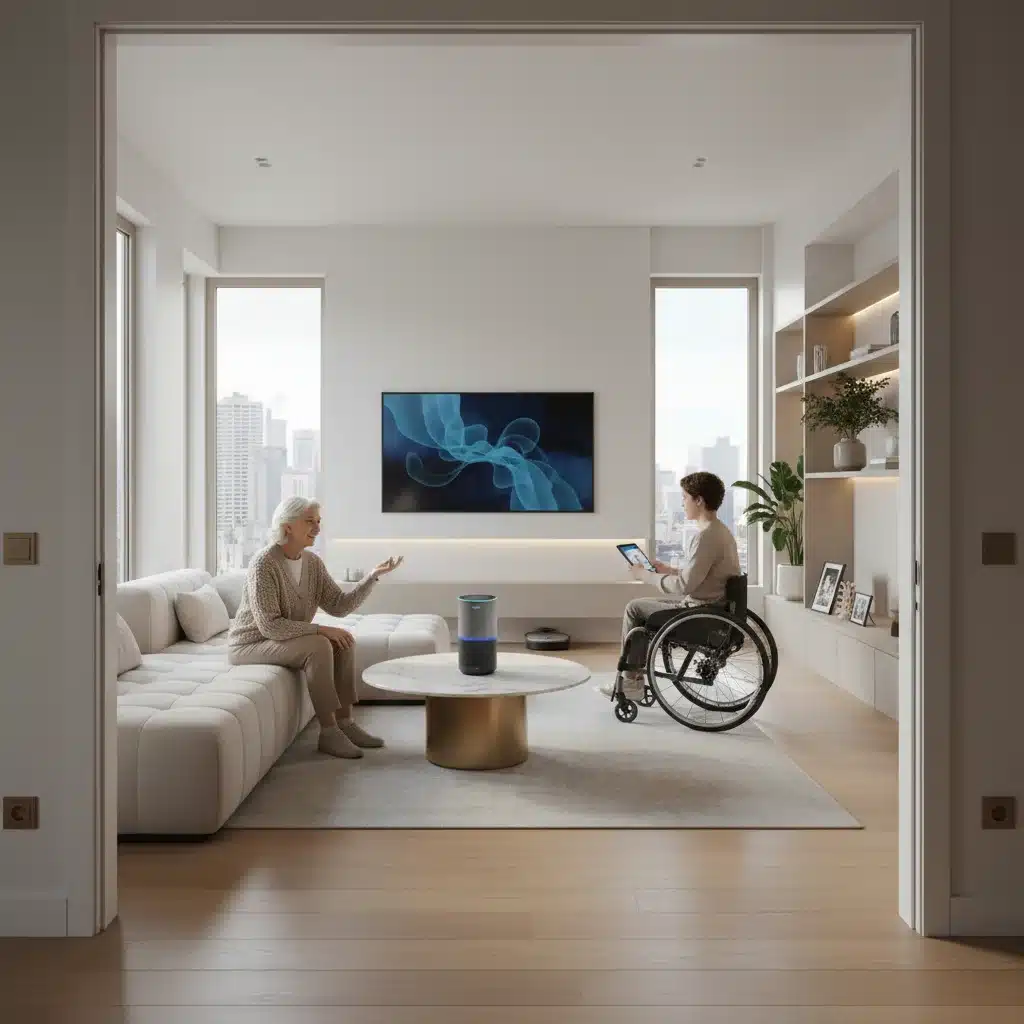
In an increasingly connected world, the concept of "home" is evolving beyond mere shelter. It’s becoming a hub of innovation, designed to cater to our every need, especially when it comes to enhancing independence and comfort for individuals of all ages and abilities. The year 2026 marks a significant leap forward in smart home accessibility, with groundbreaking technologies transforming daily living. This article delves into six pivotal innovations that are redefining what it means to live independently and comfortably, regardless of physical or cognitive challenges.
The Dawn of Universal Design: Why Smart Home Accessibility Matters
The vision for smart homes has always been about convenience, efficiency, and security. However, a crucial dimension gaining prominence is smart home accessibility. This isn’t just about making homes adaptable for people with disabilities or the elderly; it’s about universal design – creating environments that are intuitive and usable by everyone, regardless of age, ability, or temporary limitations. As populations age and the demand for independent living solutions grows, smart home technologies are stepping up to meet this challenge with unprecedented sophistication.
The implications of robust smart home accessibility are profound. For seniors, it means the ability to ‘age in place’ – remaining in their familiar homes longer, maintaining their independence, and reducing the need for assisted living facilities. For individuals with disabilities, it unlocks new levels of autonomy, allowing them to control their environment, manage their health, and communicate effectively. For families, it offers peace of mind, knowing that loved ones are safe, supported, and connected. The advancements we’re seeing in 2026 are not just incremental improvements; they are foundational shifts that promise a more inclusive and empowering future for home living.
1. Advanced Voice and Gesture Control Systems
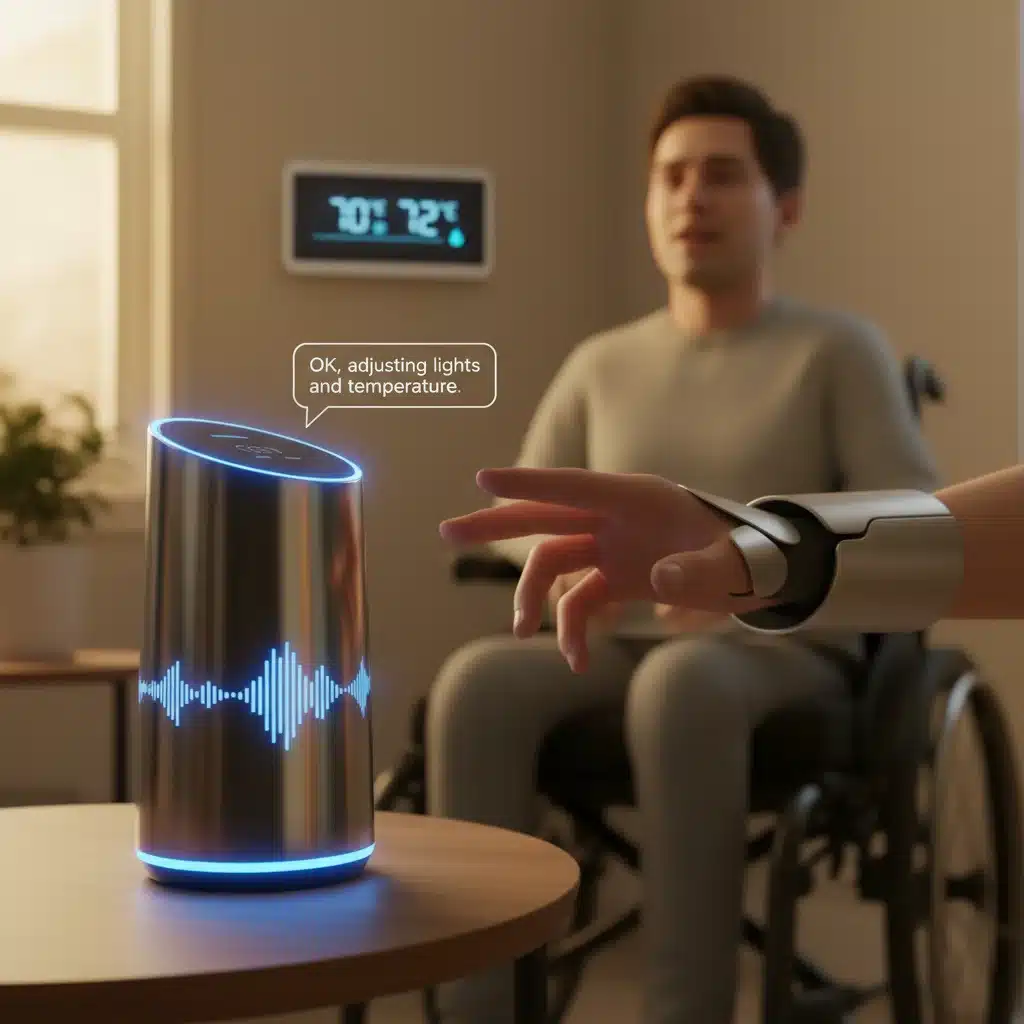
One of the most revolutionary aspects of smart home accessibility in 2026 is the evolution of voice and gesture control systems. Gone are the days of simple "turn on the lights" commands. Modern systems are highly sophisticated, capable of understanding complex instructions, context, and even individual user preferences. This is particularly beneficial for those with limited mobility or dexterity, who might find traditional switches and interfaces challenging.
Today’s voice assistants, powered by advanced AI and natural language processing (NLP), can manage an entire household. Users can verbally adjust thermostat settings, lock doors, answer video calls, control entertainment systems, and even operate kitchen appliances. Beyond basic commands, these systems can learn routines and anticipate needs, offering proactive assistance. For example, a system might learn that a user typically adjusts the lighting to a specific level at dusk and automatically perform this action, or suggest playing calming music when it detects signs of stress.
Gesture control is also gaining traction, offering an alternative for those who may have difficulty with verbal communication or prefer a non-auditory interface. Wearable devices and in-room sensors can detect specific hand movements or body postures, translating them into commands. Imagine a simple wave of the hand to close the blinds or a nod to answer the phone. This multi-modal approach to control ensures that users have diverse options, catering to a wider range of abilities and situations, making smart home accessibility truly adaptable.
2. Integrated Environmental Sensors and Predictive Automation
The next frontier in smart home accessibility involves a network of integrated environmental sensors coupled with predictive automation. These aren’t just motion detectors; they are sophisticated systems that monitor various aspects of the home environment and the occupant’s well-being, learning patterns and proactively adjusting settings for optimal comfort and safety.
These sensors can track air quality, temperature, humidity, light levels, and even unusual sounds. For example, if a sensor detects a sudden drop in temperature in a room where an elderly individual spends a lot of time, the heating system can automatically adjust. Similarly, if a smoke detector goes off, not only will an alarm sound, but the system can also unlock doors, turn on emergency lighting, and alert emergency services or family members.
Beyond immediate safety, predictive automation leverages AI to learn an individual’s habits and preferences. If a user consistently wakes up at 7 AM, the smart home can gradually increase lighting, brew coffee, and adjust the thermostat before they even get out of bed. For individuals with cognitive impairments, this level of automation can provide a stable and predictable environment, reducing anxiety and aiding in daily routines. The goal is to create a living space that anticipates needs, minimizes effort, and maximizes comfort, making smart home accessibility seamless and invisible.
3. Advanced Health Monitoring and Emergency Response Systems
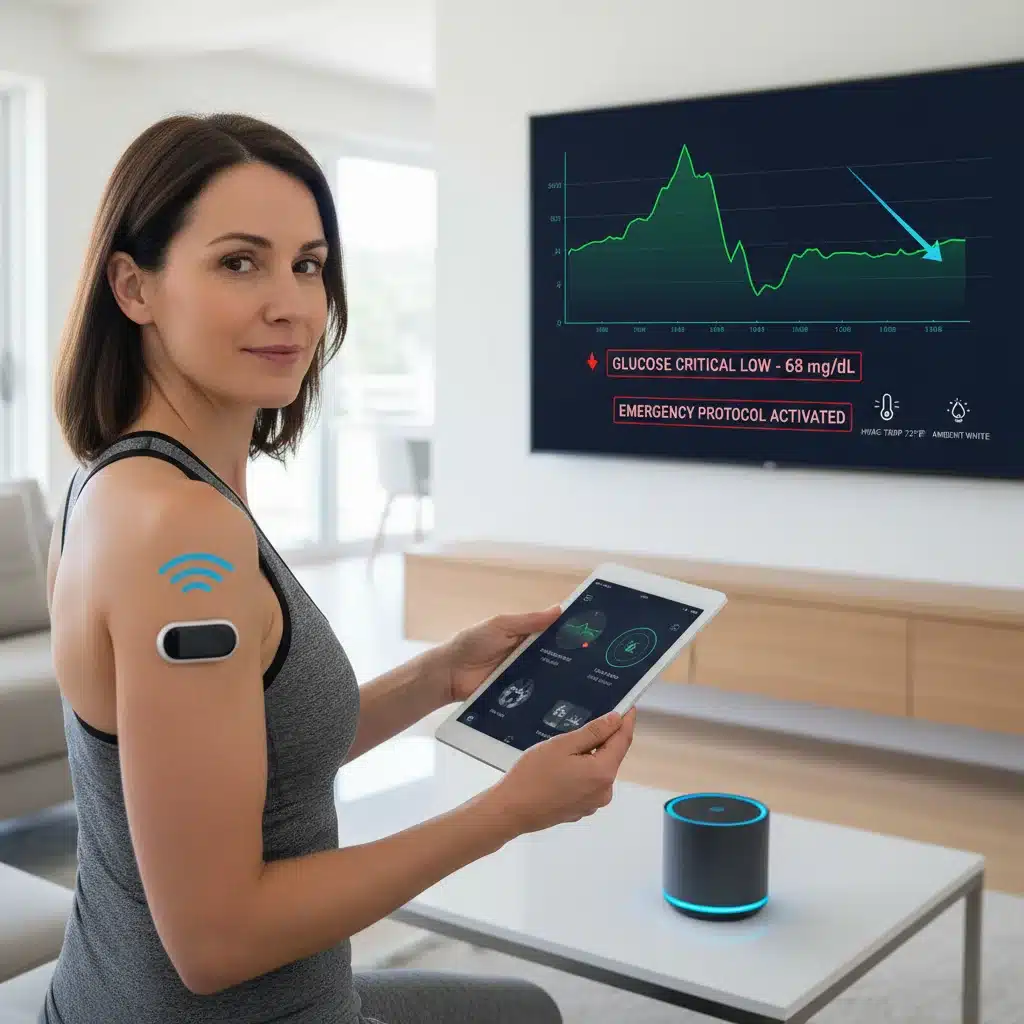
Health monitoring has moved beyond simple wearables to become an integral part of the smart home accessibility ecosystem. In 2026, homes are equipped with non-invasive sensors that continuously monitor vital signs, activity levels, sleep patterns, and even detect falls, all without requiring the user to wear specific devices constantly.
These systems employ radar, thermal imaging, and discreet cameras (with privacy safeguards) to detect subtle changes in an individual’s health or behavior. For instance, a system can alert caregivers if it detects unusual periods of inactivity, changes in breathing patterns during sleep, or a sudden fall. More advanced systems can even monitor chronic conditions, such as glucose levels for diabetics or heart rate variability for those with cardiac issues, integrating this data with telehealth platforms for remote medical consultations.
Crucially, these health monitoring systems are tightly integrated with emergency response protocols. In the event of a detected emergency, the system can automatically contact pre-programmed family members, caregivers, or emergency services, providing them with critical information about the situation and the individual’s location within the home. This proactive and immediate response capability is a game-changer for independent living, offering unparalleled peace of mind for both occupants and their support networks, thereby significantly enhancing smart home accessibility and safety.
4. Smart Kitchens with Adaptive Appliances and Nutritional Guidance
The kitchen, often considered the heart of the home, is also undergoing a significant transformation to enhance smart home accessibility. Smart kitchens in 2026 feature appliances that are not only automated but also adaptive, assisting users with various tasks, from meal preparation to dietary management.
Smart ovens can recognize ingredients and suggest recipes, automatically adjusting cooking times and temperatures. Induction cooktops with precision heating can prevent burns, while voice-controlled faucets and dispensers can provide exact measurements of water or ingredients. Refrigerators can track inventory, suggest meal plans based on dietary restrictions or health goals, and even order groceries when supplies run low. This level of automation reduces physical strain, minimizes risks, and simplifies meal preparation for individuals with mobility challenges, visual impairments, or cognitive difficulties.
Beyond automation, these kitchens offer personalized nutritional guidance. Based on individual health profiles (integrated from the health monitoring systems), the kitchen can suggest healthy meal options, track caloric intake, and provide reminders for medication or hydration. Interactive displays can walk users through recipes step-by-step, using visual and auditory cues. The goal is to make healthy eating and independent meal preparation accessible and enjoyable for everyone, a key component of comprehensive smart home accessibility.
5. Personalized Lighting and Soundscapes for Cognitive Support
The impact of light and sound on mood, cognition, and overall well-being is well-documented. In 2026, smart home accessibility leverages this understanding through personalized lighting and soundscape systems designed to support cognitive function and emotional balance, particularly for individuals with conditions like dementia, anxiety, or sensory sensitivities.
Smart lighting systems go beyond simple dimming. They can adjust color temperature, intensity, and even patterns throughout the day to mimic natural daylight cycles, promoting better sleep and wakefulness. For those with visual impairments, high-contrast lighting can be activated in specific areas, or lights can flash gently to indicate incoming calls or alerts. These systems can also be programmed to provide visual cues for daily routines, helping individuals with cognitive decline maintain structure and orientation.
Similarly, personalized soundscapes can create calming or stimulating environments. White noise generators can mask disruptive sounds, while nature sounds or calming music can be played to reduce anxiety or improve focus. For individuals with hearing impairments, smart sound systems can amplify specific frequencies, provide visual notifications for doorbells or alarms, or integrate with hearing aids. By intelligently manipulating the sensory environment, these innovations contribute significantly to smart home accessibility, creating spaces that are not just physically navigable but also cognitively supportive.
6. Robotic Assistance and Automated Mobility Solutions
Perhaps one of the most futuristic yet rapidly developing areas in smart home accessibility is the integration of robotic assistance and automated mobility solutions. While still in nascent stages for widespread adoption, 2026 sees significant advancements in these areas, promising to revolutionize independent living.
Small, autonomous robotic assistants are emerging, capable of performing simple household tasks like fetching items, delivering medication, or even helping with light cleaning. These robots are designed to be intuitive to interact with, often employing voice commands and visual cues. For individuals with severe mobility limitations, these robots can act as an extension of their own capabilities, greatly enhancing their independence within the home.
Automated mobility solutions are also on the horizon. This includes smart wheelchairs that can navigate autonomously within a pre-mapped home, avoiding obstacles and reaching desired locations with voice commands. Furthermore, advancements in stair-climbing robots and automated lift systems are making multi-story homes accessible without the need for extensive structural modifications. While the cost and complexity remain factors, the trajectory of these technologies suggests a future where physical barriers within the home are largely overcome, making smart home accessibility a truly comprehensive reality.
The Future is Inclusive: Embracing Smart Home Accessibility
The innovations in smart home accessibility for 2026 represent more than just technological marvels; they embody a commitment to creating a more inclusive and empowering world. By leveraging AI, advanced sensors, and robotic assistance, homes are transforming into intelligent ecosystems that adapt to individual needs, promoting independence, safety, and comfort for everyone, regardless of age or ability.
As these technologies become more sophisticated, affordable, and seamlessly integrated, we can expect to see a profound impact on quality of life. The ability to age in place with dignity, to live independently with a disability, and to have peace of mind knowing that loved ones are safe and supported – these are the invaluable benefits that smart home accessibility brings. The journey towards truly universal design is ongoing, but 2026 marks a pivotal moment, showcasing a future where technology serves humanity in the most personal and impactful way: within the sanctuary of our homes.
Key Takeaways for Smart Home Accessibility:
- Universal Design Focus: Smart homes are evolving to cater to all ages and abilities, moving beyond niche solutions.
- Voice & Gesture Control: Advanced AI allows for intuitive, hands-free interaction with home systems.
- Predictive Automation: Sensors learn habits and proactively adjust environments for comfort and safety.
- Integrated Health Monitoring: Non-invasive systems track vitals and alert emergency contacts automatically.
- Adaptive Kitchens: Smart appliances simplify meal prep and offer personalized nutritional guidance.
- Cognitive Support: Personalized lighting and soundscapes enhance well-being and aid cognitive function.
- Robotic Assistance: Emerging robots and automated mobility promise greater independence for daily tasks.
Embracing these innovations is not just about adopting new gadgets; it’s about investing in a future where homes are truly intelligent, empathetic, and accessible to all. The landscape of smart home accessibility is rapidly expanding, promising a brighter, more independent future for countless individuals.