2026 US Retail Trends: Experiential Shopping Driving 8% Market Share Growth
The retail sector in the United States is in a constant state of evolution, driven by shifting consumer preferences, technological advancements, and a renewed focus on unique value propositions. As we look ahead to 2026, one trend stands out as a dominant force reshaping the landscape: experiential retail trends. This isn’t just a fleeting fad; projections indicate that experiential shopping is poised to capture an 8% market share increase, signaling a profound transformation in how consumers interact with brands and make purchasing decisions.
For decades, retail was largely transactional. You entered a store, found what you needed, paid, and left. While convenience and price remain crucial, a new generation of consumers, particularly Gen Z and Millennials, are seeking more than just products; they crave experiences, connection, and authenticity. This article delves deep into the mechanisms behind this surge in experiential retail, exploring its definition, key drivers, successful strategies, and the undeniable impact it will have on the future of US retail.
Understanding Experiential Retail: Beyond the Transaction
At its core, experiential retail transforms the act of shopping into an engaging and memorable event. It’s about creating an atmosphere where customers can interact with products, brands, and even other customers in meaningful ways. This goes far beyond traditional customer service; it’s about crafting a narrative, providing entertainment, and fostering a sense of community. The goal is to build emotional connections that transcend the product itself, leading to increased brand loyalty and a willingness to spend more.
Think of it not as a store, but as a destination. A place where you can learn, create, explore, and connect. This shift is a direct response to the omnipresence of e-commerce. While online shopping offers unparalleled convenience, it often lacks the sensory richness and human interaction that physical stores can provide. Experiential retail leverages these inherent advantages of brick-and-mortar spaces, turning them into powerful differentiators.
The 8% market share increase projected for experiential retail trends by 2026 is a testament to its growing appeal. This growth isn’t uniform across all sectors, but categories like fashion, beauty, home goods, and even groceries are seeing significant innovation in this space. Brands are realizing that a compelling experience can be just as, if not more, valuable than a competitive price point in attracting and retaining customers.
The Driving Forces Behind Experiential Retail’s Ascent
Several interconnected factors are fueling the rise of experiential retail trends:
1. The Experience Economy
Consumers, particularly younger demographics, are increasingly prioritizing experiences over material possessions. This cultural shift means that people are willing to allocate more of their disposable income towards activities that offer personal growth, entertainment, or unique memories. Retailers who can tap into this desire by offering in-store workshops, interactive displays, or curated events are well-positioned for success.
2. Digital Fatigue and the Desire for Human Connection
In an increasingly digital world, there’s a growing yearning for authentic human interaction and tangible experiences. While online shopping is convenient, it can also be isolating. Experiential retail provides an antidote, offering opportunities for social engagement, personalized attention, and sensory exploration that digital channels cannot fully replicate.
3. The ‘Instagrammable’ Factor
Social media plays a significant role in consumer behavior. Unique and visually appealing retail experiences are often shared online, acting as free marketing for brands. Stores designed with ‘Instagrammable’ moments in mind can generate significant buzz and attract new customers eager to participate and share their own experiences.
4. E-commerce Competition and the Need for Differentiation
With the continued growth of e-commerce, physical retailers face immense pressure to justify their existence. Simply stocking products is no longer enough. Experiential retail offers a powerful way for brick-and-mortar stores to differentiate themselves, providing a compelling reason for consumers to visit and spend time in their spaces.
5. Technological Advancements
New technologies like augmented reality (AR), virtual reality (VR), interactive displays, and AI-powered personalization are enabling retailers to create even more immersive and customized experiences. These tools can transform a passive shopping trip into an active, engaging adventure.
Key Strategies for Successful Experiential Retail
To effectively leverage experiential retail trends, businesses must adopt innovative strategies that prioritize customer engagement and value creation. Here are some of the most impactful approaches:
1. Immersive Brand Storytelling
Retail spaces can become physical manifestations of a brand’s story. This involves more than just aesthetics; it’s about creating an environment that evokes emotions, communicates values, and allows customers to connect with the brand’s narrative. For example, a sustainable clothing brand might design its store to feel like a natural oasis, incorporating recycled materials and educational displays about ethical sourcing.
2. Personalized and Curated Experiences
Moving beyond generic offerings, successful experiential retail provides personalized journeys. This could involve AI-powered recommendations, one-on-one styling sessions, or custom product creation stations. The more tailored the experience, the more valued the customer feels, strengthening their bond with the brand.
3. Workshops, Classes, and Events
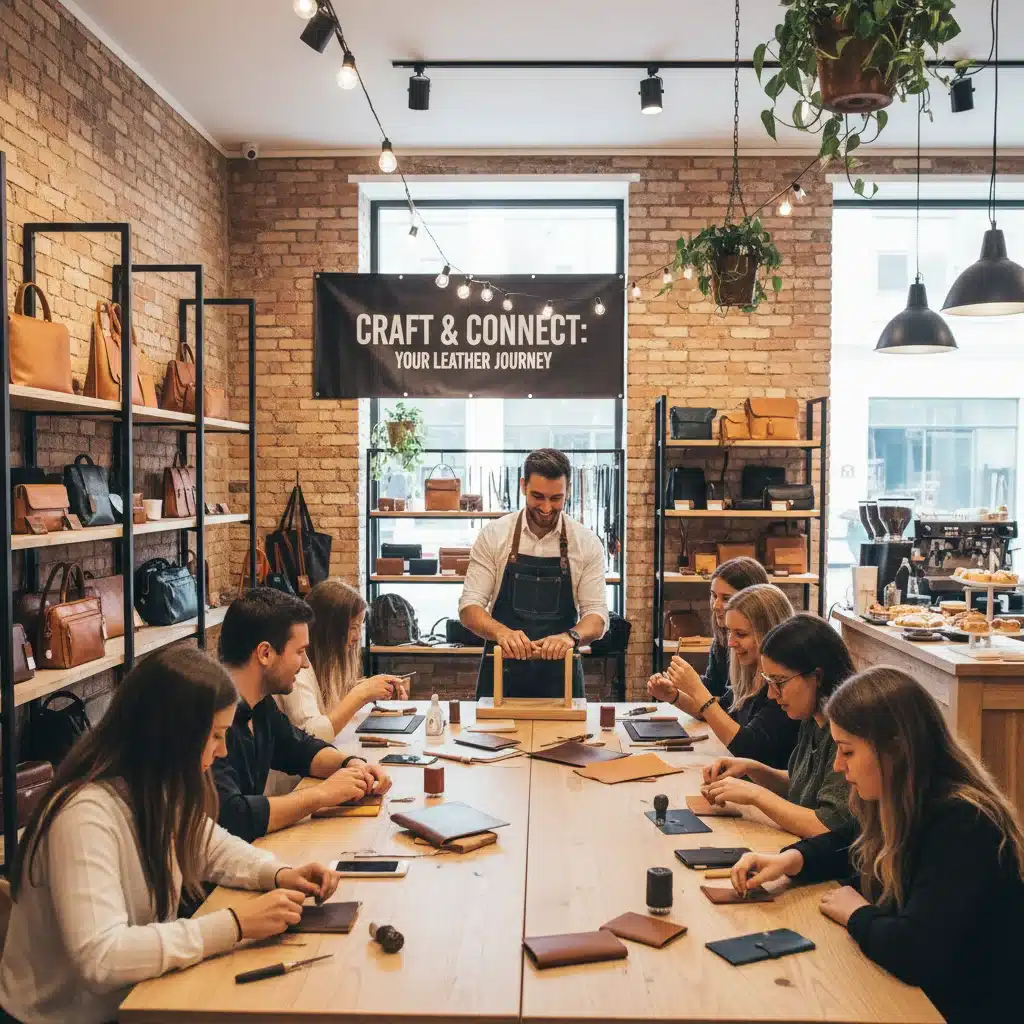
Offering opportunities for customers to learn, create, or participate in events is a cornerstone of experiential retail. A cooking store might host culinary classes, a bookstore might organize author readings, or a fitness brand might offer in-store workout sessions. These activities not only drive foot traffic but also position the brand as a hub for community and knowledge.
4. Interactive Technology Integration
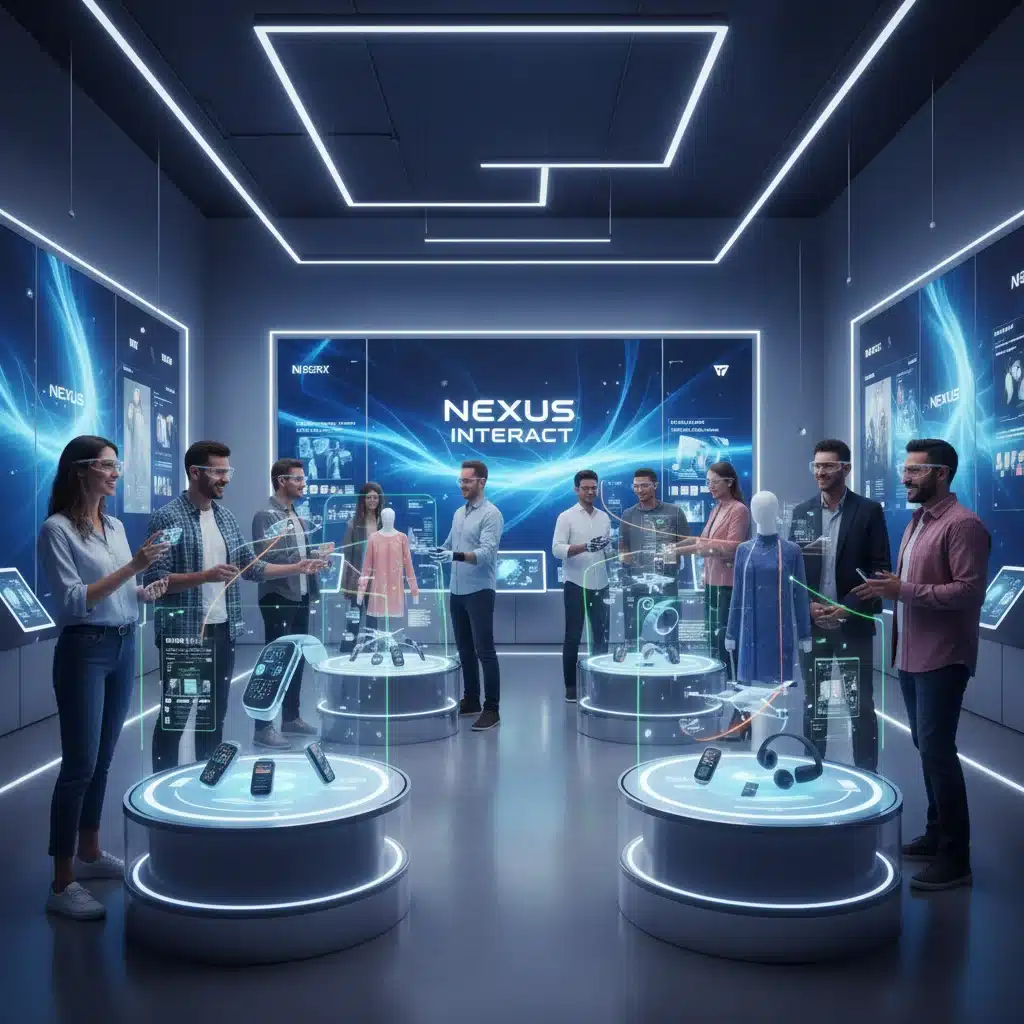
Technology plays a crucial role in enhancing experiential offerings. AR mirrors allow customers to virtually try on clothes, VR headsets transport them to exotic destinations to test travel gear, and interactive touchscreens provide in-depth product information and customization options. These technologies make shopping more engaging and informative.
5. Pop-ups and Temporary Installations
Pop-up shops and temporary installations offer a flexible way to experiment with experiential concepts, generate excitement, and reach new audiences. These limited-time experiences create a sense of urgency and exclusivity, encouraging immediate engagement and fostering memorable interactions.
6. Omnichannel Integration
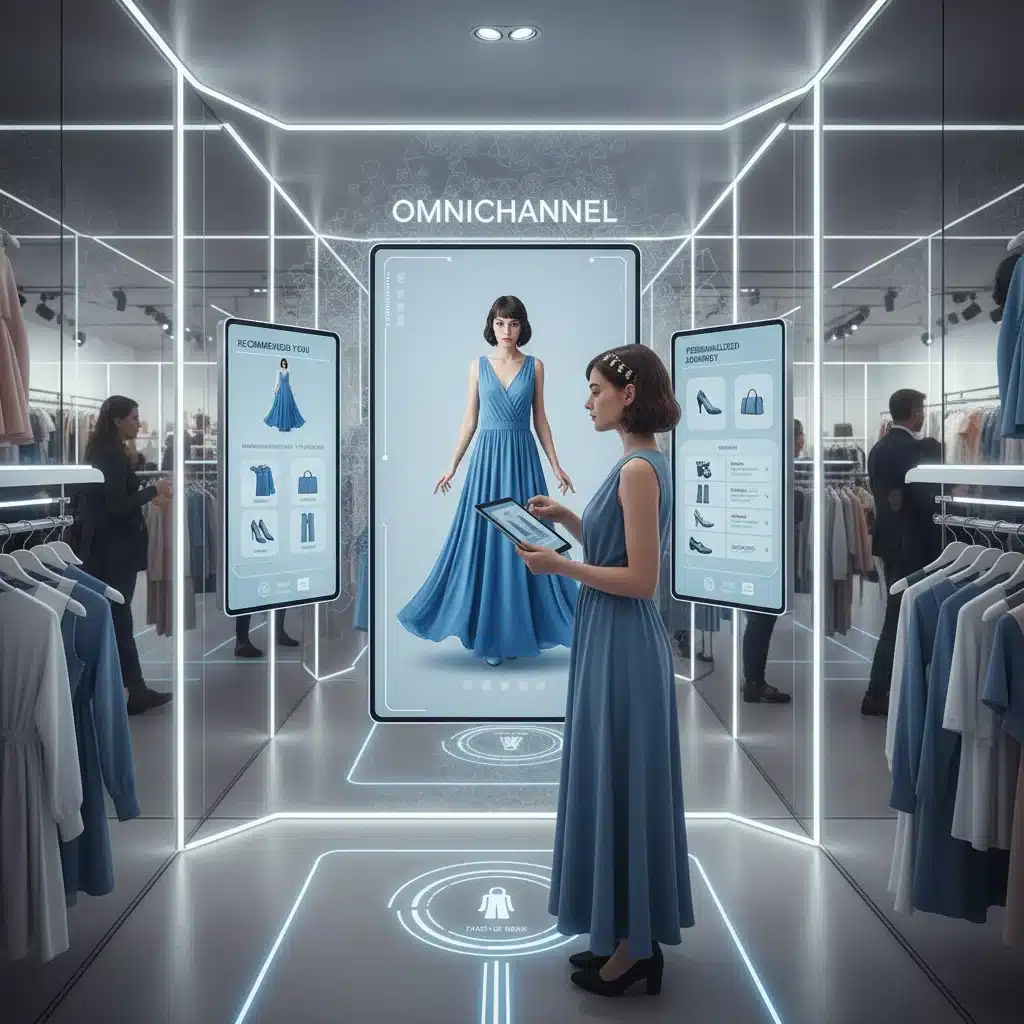
True experiential retail doesn’t exist in a vacuum; it seamlessly integrates with a brand’s online presence. Customers should be able to start an experience online and continue it in-store, or vice versa. This could involve online booking for in-store appointments, click-and-collect services, or loyalty programs that reward both online and offline engagement. The goal is a cohesive brand journey across all touchpoints.
Measuring Success in Experiential Retail
While traditional retail metrics like sales volume and average transaction value remain important, measuring the success of experiential retail trends requires a broader perspective. Key performance indicators (KPIs) for experiential retail include:
- Customer engagement rates: How many customers participate in events, workshops, or interactive displays?
- Time spent in store: Longer dwell times often correlate with increased engagement and potential for purchases.
- Social media mentions and shares: The ‘Instagrammable’ factor translates into valuable brand visibility.
- Repeat visits and customer loyalty: Experiential offerings should foster deeper connections that encourage customers to return.
- Brand perception and sentiment: Surveys and social listening can gauge how experiences are shaping customer views of the brand.
- Conversion rates on experience-driven products: Are customers who engage with an experience more likely to purchase related products?
Understanding these metrics allows retailers to refine their experiential strategies and maximize their return on investment. The 8% market share increase by 2026 isn’t just about more sales; it’s about building a more resilient and customer-centric retail model.
Challenges and Considerations
While the benefits of experiential retail trends are clear, implementing these strategies comes with its own set of challenges:
1. High Initial Investment
Creating immersive and interactive experiences often requires significant upfront investment in technology, store design, and staffing. Retailers must carefully plan their budgets and project a clear ROI.
2. Staff Training and Expertise
Experiential retail demands a different kind of sales associate. Staff must be more than just transaction processors; they need to be brand ambassadors, educators, and facilitators of engaging experiences. Comprehensive training is essential.
3. Maintaining Authenticity
Consumers are savvy; they can spot inauthentic attempts at engagement. Experiences must genuinely align with the brand’s values and offer real value to the customer, rather than feeling forced or superficial.
4. Scalability
While a flagship store might be able to offer elaborate experiences, scaling these concepts across multiple locations can be complex and costly. Retailers need to find scalable experiential elements that can be adapted to different store formats.
5. Data Privacy and Personalization
As personalization becomes more sophisticated, retailers must navigate data privacy concerns carefully. Transparency and trust are paramount when collecting and using customer data to enhance experiences.
Case Studies: Brands Leading the Experiential Charge
Many brands are already successfully implementing experiential retail trends, providing valuable blueprints for others:
- Lululemon: Beyond selling athletic wear, Lululemon stores often feature in-store yoga classes, community events, and meditation spaces, positioning themselves as wellness hubs rather than just retail outlets.
- Sephora: With its Beauty Hubs, Sephora offers personalized makeovers, beauty classes, and interactive digital tools that allow customers to virtually try on makeup, creating a highly engaging and educational shopping experience.
- Apple Store: A pioneer in experiential retail, Apple stores are designed for discovery and interaction. Customers are encouraged to play with products, attend workshops, and get personalized support, fostering a sense of community and expertise.
- REI: The outdoor retailer often hosts adventure classes, gear demonstrations, and even climbing walls in some of its larger stores, connecting customers with the outdoor lifestyle its products support.
- Glossier: Known for its minimalist yet highly interactive showrooms, Glossier creates spaces that are less about hard selling and more about community, discovery, and ‘Instagrammable’ moments, often with brand ambassadors guiding the experience.
These examples demonstrate that successful experiential retail isn’t about a one-size-fits-all approach, but rather a creative alignment of brand identity with customer desires for engagement and unique value.
The Future of Retail: A Blended Reality
By 2026, the distinction between online and offline retail will become increasingly blurred, with experiential retail trends acting as the bridge. The future will be characterized by a blended reality where physical stores are dynamic spaces for discovery, entertainment, and community, seamlessly integrated with robust digital platforms that offer convenience and extensive product information.
This shift isn’t about abandoning e-commerce; it’s about optimizing each channel for its strengths. Online for efficiency and breadth, physical for depth of experience and human connection. Retailers who embrace this philosophy and invest in creating compelling experiences will be the ones that capture the projected 8% market share increase and thrive in the evolving landscape.
The emphasis will be on flexibility, adaptability, and a deep understanding of customer psychology. Brands that can anticipate and respond to consumer desires for authenticity, personalization, and meaningful engagement will not only survive but excel. The retail journey will become less about merely acquiring goods and more about embarking on a memorable adventure.
Conclusion: Embracing the Experiential Imperative
The projected 8% market share increase for experiential retail trends by 2026 is a clear indicator that the retail industry is undergoing a fundamental transformation. Consumers are no longer content with passive shopping; they demand engagement, personalization, and memorable experiences that resonate with their values and lifestyle. For retailers, this represents both a challenge and an immense opportunity.
By investing in immersive brand storytelling, personalized interactions, community-building events, and intelligent technology integration, businesses can convert their physical spaces into powerful engines of customer loyalty and growth. The future of US retail is not just about selling products; it’s about selling experiences that captivate, inspire, and connect. Those who embrace this experiential imperative will be the leaders of tomorrow’s retail landscape, carving out a significant share of a market eager for more than just a transaction.
The time to adapt and innovate is now. As 2026 approaches, the retailers who prioritize creating unforgettable experiences will not only capture market share but also forge lasting relationships with a new generation of empowered and experience-driven consumers.