Smart Devices, Smarter Savings: How to Cut Utility Bills by 20% with Tech in 2026
Anúncios
In an era where every penny counts and environmental consciousness is paramount, optimizing household expenses has become a top priority for many. Among the most significant recurring costs for homeowners are utility bills – electricity, gas, and water. What if you could significantly reduce these expenses, not through drastic lifestyle changes, but by leveraging the power of technology? Welcome to the world of Smart Home Savings, where innovative devices are transforming how we consume and manage resources, promising up to a 20% reduction in utility bills by 2026.
The concept of a smart home has evolved far beyond mere convenience. Today, it’s about intelligent resource management, predictive analytics, and seamless automation that work tirelessly in the background to save you money and minimize your environmental footprint. From smart thermostats that learn your preferences to intelligent lighting systems that adjust to natural light, the opportunities for achieving substantial Smart Home Savings are more accessible and effective than ever before. This comprehensive guide will delve into the specific technologies, strategies, and benefits of integrating smart devices into your home, helping you navigate the path to a more efficient and cost-effective future.
The Foundation of Smart Home Savings: Understanding Your Consumption
Before diving into specific smart devices, it’s crucial to understand your current utility consumption patterns. Many smart home platforms and individual devices offer robust monitoring capabilities that provide invaluable insights. These insights are the bedrock of effective Smart Home Savings. By knowing when, where, and how much energy or water you’re using, you can identify waste and target areas for improvement. This data-driven approach moves beyond guesswork, empowering you to make informed decisions about your home’s resource management.
Anúncios
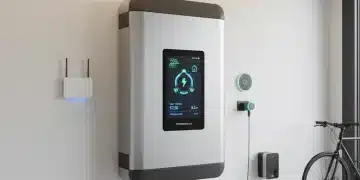
For instance, an energy monitor connected to your main electrical panel can show real-time energy usage across your entire home, often breaking it down by appliance or circuit. This level of detail can reveal hidden energy vampires – devices that consume power even when not actively in use. Similarly, smart water meters can alert you to unusually high consumption or even potential leaks, preventing costly damage and excessive bills. Understanding these patterns is the first, critical step towards unlocking significant Smart Home Savings.
Smart Thermostats: The Cornerstone of Energy Efficiency
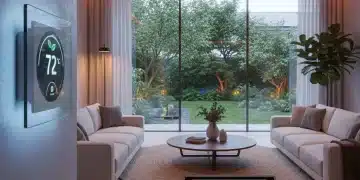
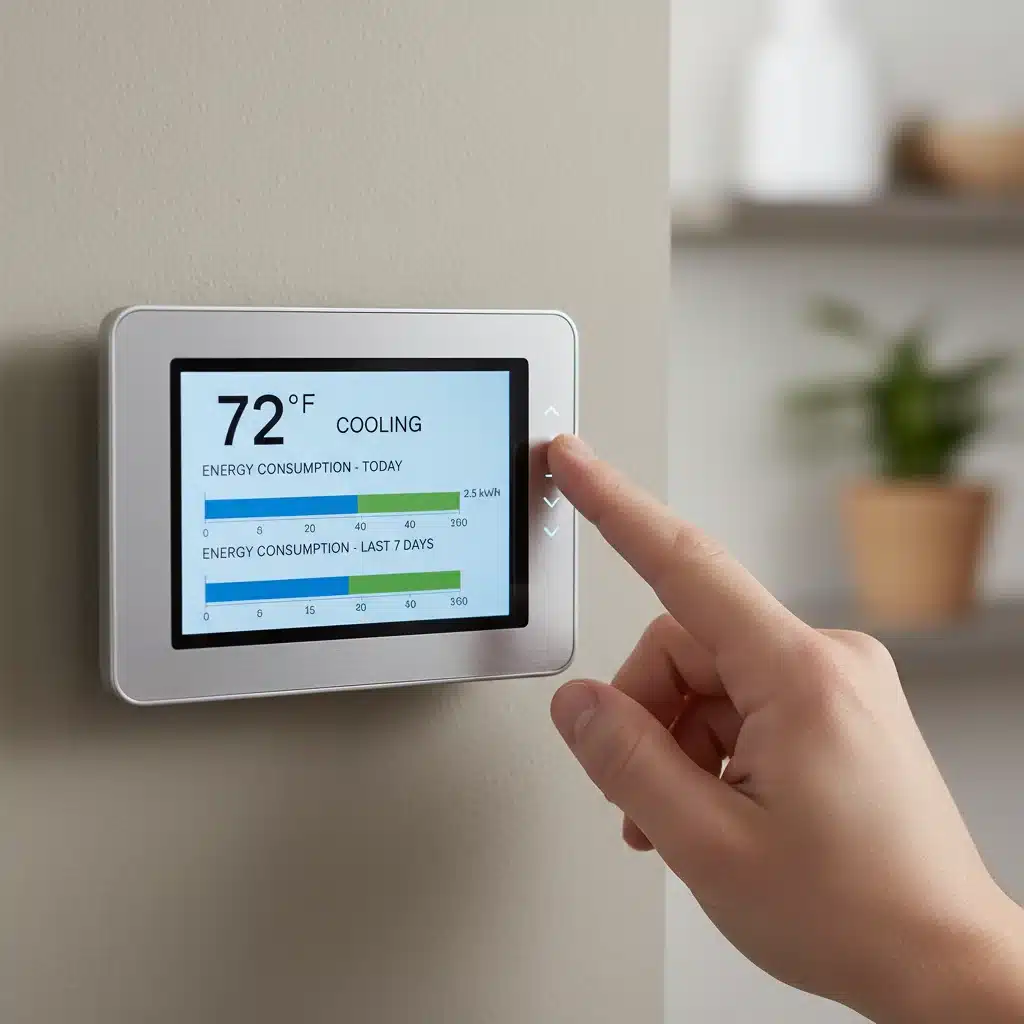
When discussing Smart Home Savings, smart thermostats are almost always at the forefront, and for good reason. Heating and cooling typically account for the largest portion of a household’s energy consumption. Traditional thermostats require manual adjustment or rigid scheduling, often leading to wasted energy when no one is home or during off-peak hours.
Smart thermostats, such as those from Nest, Ecobee, or Honeywell, revolutionize this by offering:
- Learning Capabilities: They learn your schedule and temperature preferences over time, automatically adjusting to optimize comfort and energy use.
- Geofencing: Many can detect when you’re away from home using your smartphone’s location and automatically adjust the temperature to save energy, then warm or cool it before you return.
- Remote Control: Adjust your home’s temperature from anywhere using a smartphone app, ensuring you’re not heating or cooling an empty house.
- Energy Reports: Detailed reports show your energy usage patterns, helping you understand where you’re saving and where you could improve.
- Integration with Other Smart Devices: They can work in conjunction with smart sensors (e.g., occupancy sensors) to ensure heating/cooling is only active in occupied rooms.
The potential for Smart Home Savings with a smart thermostat is substantial, with studies suggesting savings of 10-12% on heating and 15% on cooling. Over a year, this can translate into hundreds of dollars, making a smart thermostat one of the quickest returns on investment in the smart home arena.
Intelligent Lighting Systems: Shedding Light on Savings
Lighting is another significant contributor to electricity bills, especially in homes where lights are left on unnecessarily. Smart lighting systems offer a dynamic approach to illumination, combining convenience with considerable Smart Home Savings.
Key features and benefits include:
- LED Technology: Smart bulbs are almost exclusively LEDs, which consume significantly less energy than incandescent or even CFL bulbs.
- Remote Control & Scheduling: Turn lights on/off or dim them from your phone, or set schedules to ensure lights are only on when needed. This is particularly useful for security and preventing forgotten lights.
- Occupancy Sensors: Lights can automatically turn on when someone enters a room and off when it’s empty, eliminating wasted energy.
- Daylight Harvesting: Some advanced systems can adjust artificial light levels based on the amount of natural light available, maintaining optimal brightness while reducing electricity consumption.
- Zoning: Control different areas of your home independently, ensuring only necessary lights are active.
By upgrading to smart LED lighting, homeowners can expect to see Smart Home Savings of 50-80% on their lighting electricity consumption. While the initial investment might be higher than traditional bulbs, the long-term savings and extended lifespan of LEDs make them an incredibly cost-effective choice.
Smart Plugs and Power Strips: Taming Phantom Load
One of the stealthiest drains on your utility bill is ‘phantom load’ or ‘vampire power’ – the electricity consumed by devices even when they are turned off but still plugged in. This can account for 5-10% of your total electricity bill. Smart plugs and power strips are simple, affordable solutions for achieving instant Smart Home Savings in this area.
How they work:
- Remote On/Off: Plug any non-smart appliance into a smart plug, and you can then turn it on or off remotely via an app or voice command.
- Scheduling: Set schedules for devices like coffee makers, phone chargers, or entertainment systems to completely cut power during off-hours.
- Energy Monitoring: Many smart plugs also monitor the energy consumption of the connected device, providing data to help you identify the biggest energy hogs.
- Integration with Scenes: Group devices so that with a single command or action (e.g., ‘Goodnight’), all unnecessary electronics are powered down.
Imagine automatically cutting power to your TV, gaming console, and sound system when you leave for work or go to bed. These small, consistent actions accumulate into significant Smart Home Savings over time, making smart plugs an essential tool for any energy-conscious household.
Smart Appliances: The Next Generation of Efficiency
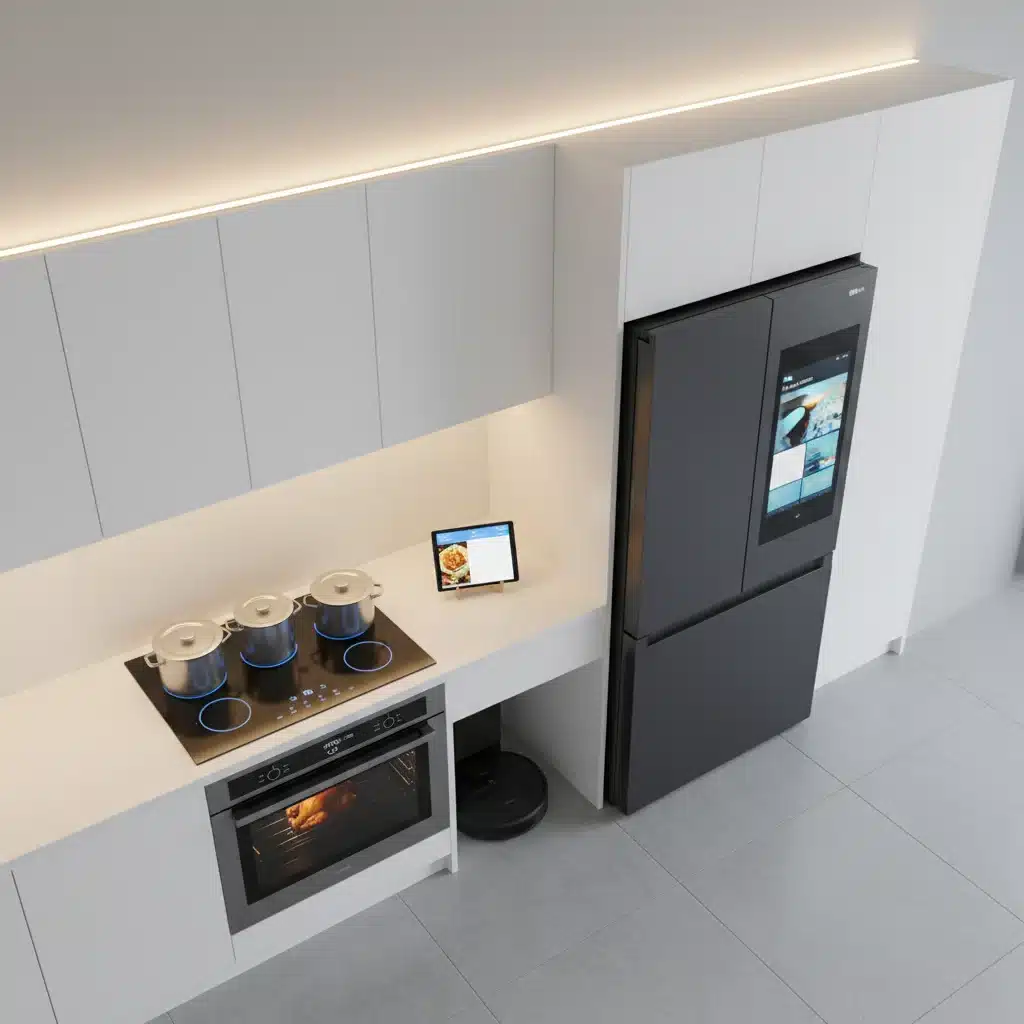
The latest generation of home appliances is smarter, more connected, and designed with energy efficiency at their core. While the initial investment in smart appliances can be substantial, they offer long-term Smart Home Savings through optimized performance and intelligent features.
Consider:
- Smart Refrigerators: Some models feature advanced insulation, smart sensors that monitor food inventory to reduce waste, and even alert you if the door is left ajar.
- Smart Washing Machines and Dryers: These can often be programmed to run during off-peak electricity hours when rates are lower, automatically detect load sizes to use the optimal amount of water and detergent, and even send notifications when cycles are complete to prevent re-washing due to forgotten laundry.
- Smart Ovens and Cooktops: Features like precise temperature control, remote preheating, and even integration with recipe apps can lead to more efficient cooking and reduced energy consumption.
- Smart Dishwashers: Sensors detect the level of grime to adjust wash cycles, and many can also be scheduled to run during off-peak times.
While the direct energy savings from a single smart appliance might seem incremental, the cumulative effect across multiple appliances, combined with smart scheduling and optimized usage, contributes significantly to overall Smart Home Savings. Furthermore, the convenience and enhanced functionality often justify the upgrade.
Smart Water Management: Beyond Just Leaks
Water bills can be just as impactful as energy bills, especially in regions prone to drought or with high water rates. Smart water management systems offer significant opportunities for Smart Home Savings by preventing waste and optimizing usage.
Key smart water devices include:
- Smart Water Leak Detectors: Small, battery-powered sensors placed near potential leak points (under sinks, near water heaters, washing machines) can detect moisture and send instant alerts to your phone, preventing costly damage and excessive water loss.
- Smart Water Shut-off Valves: These devices take leak detection a step further by automatically shutting off your home’s main water supply when a leak is detected, providing ultimate peace of mind and preventing catastrophic damage.
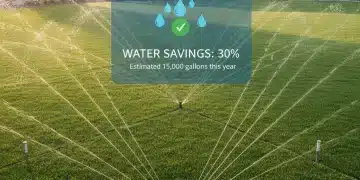
- Smart Sprinkler Systems: Systems like Rachio or Rain Bird connect to local weather forecasts, soil moisture sensors, and plant databases to water your lawn and garden only when necessary, avoiding overwatering and ensuring efficient irrigation. This can lead to substantial Smart Home Savings on outdoor water use.
- Smart Shower Heads: Some innovative shower heads monitor water usage in real-time, providing visual cues to encourage shorter showers and conserve water.
By proactively managing water consumption and swiftly addressing leaks, homeowners can see considerable reductions in their water bills, often leading to Smart Home Savings of 10-15% or more, depending on prior habits and system efficiency.
Integrating Smart Home Systems for Maximum Savings
The true power of Smart Home Savings comes from the integration of various devices into a cohesive ecosystem. When devices communicate and work together, they create a synergy that amplifies efficiency beyond what individual devices can achieve.
Consider these integration strategies:
- Central Hubs and Platforms: Devices like Amazon Echo, Google Home, Apple HomeKit, or Samsung SmartThings act as central hubs, allowing you to control and automate multiple devices from a single interface.
- IFTTT (If This Then That) Routines: Create custom automations where one device’s action triggers another. For example, ‘If my smart lock detects I’ve left the house, then turn off all smart lights and adjust the thermostat to away mode.’
- Occupancy-Based Automation: Combine motion sensors or smart security cameras with lighting and HVAC systems. If a room is empty for a certain period, lights turn off and the temperature adjusts.
- Time-of-Use (TOU) Electricity Rate Optimization: Many utility providers offer lower electricity rates during off-peak hours. Integrate smart appliances, EV chargers, and water heaters to operate predominantly during these cheaper periods, maximizing Smart Home Savings.
A well-integrated smart home not only saves money but also enhances convenience, security, and overall living comfort. The seamless operation of these systems means you’re saving without constantly having to think about it.
The Future of Smart Home Savings: AI and Predictive Analytics
Looking ahead to 2026 and beyond, the capabilities of Smart Home Savings will only grow more sophisticated. Artificial intelligence (AI) and advanced predictive analytics are set to take center stage, moving beyond reactive adjustments to proactive optimization.
Future developments include:
- Hyper-Personalized Energy Profiles: AI will learn not just your schedule, but your individual comfort preferences, anticipating your needs and adjusting systems even before you realize you want a change.
- Predictive Maintenance: Smart devices will monitor their own performance and alert you to potential issues before they become costly breakdowns, optimizing efficiency and extending lifespan.
- Grid Integration: Homes will actively participate in the energy grid, selling excess solar power back to the grid, or dynamically adjusting consumption based on grid demand and real-time electricity prices.
- Seamless Device Interoperability: As standards evolve, different brands and ecosystems will communicate more fluidly, making integration easier and more powerful.
These advancements promise even greater Smart Home Savings, turning your home into an intelligent, self-optimizing entity that constantly seeks to minimize consumption and cost.
Overcoming the Initial Investment: Is It Worth It?
One common concern when considering smart home technology is the initial investment. While some devices can be pricey, it’s crucial to view them as long-term investments that generate ongoing Smart Home Savings. Many devices pay for themselves within a few years through reduced utility bills.
Here’s how to approach the investment:
- Start Small: You don’t need to automate your entire home at once. Begin with high-impact devices like a smart thermostat or smart plugs for your biggest energy consumers.
- Calculate ROI: Research the estimated savings for each device and compare it to its cost. Many manufacturers provide calculators to help you assess the return on investment.
- Look for Rebates and Incentives: Many utility companies and local governments offer rebates or tax credits for installing energy-efficient smart home devices.
- Consider Long-Term Value: Beyond direct savings, smart homes often increase property value and offer enhanced convenience, security, and peace of mind.
The cumulative effect of these smart technologies is a significant reduction in your overall utility expenditure, making the initial outlay a worthwhile step towards a more financially and environmentally sustainable home.
Conclusion: Embracing a Smarter, More Economical Home
The promise of cutting utility bills by 20% with smart technology by 2026 is not just an ambitious goal; it’s an achievable reality for homeowners willing to embrace innovation. From intelligent thermostats and lighting to smart appliances and water management systems, the tools for significant Smart Home Savings are readily available and continuously improving.
By strategically integrating these devices, monitoring your consumption, and leveraging automation, you can transform your home into a powerhouse of efficiency. Not only will you enjoy substantial financial benefits, but you’ll also contribute to a more sustainable future, reducing your carbon footprint one smart device at a time. The journey to a smarter, more economical home starts now, and the rewards are well worth the investment.